

The Ultimate Guide to Tennis Shoes for Walking
Let’s dismantle a persistent myth right at the outset: not all athletic shoes are created equal for every activity. The shoe you slide on for a brisk neighborhood walk has a fundamentally different job than the one designed for lateral cuts on a clay court. Yet, a fascinating crossover has emerged. Tennis shoes for walking have evolved from a mere compromise into a legitimate category, offering a unique blend of support, durability, and comfort that can make your daily strides more enjoyable and biomechanically sound. This guide isn’t about convincing you to wear a specialized tool for the wrong job; it’s about exploring how the engineering principles behind a good tennis shoe can perfectly align with the demands of dedicated walkers, from urban explorers to park path enthusiasts.
The Biomechanical Bridge: Why Tennis Shoes and Walking Can Align
To understand the synergy, we must first look at the science of movement. Walking is a linear, heel-to-toe motion with a consistent gait cycle. Tennis, however, is a symphony of explosive sprints, sudden stops, and aggressive lateral movements. At first glance, they seem opposites. But delve deeper into the design responses to these demands, and common ground appears. Both activities require exceptional stability to prevent ankle roll, ample cushioning to absorb repetitive impact (be it from a hard court or concrete sidewalk), and robust forefoot support for push-off. Dr. Casey Kerrigan, a former Harvard Medical School professor and biomechanics researcher, once noted in a study on footwear that “excessive cushioning can sometimes destabilize gait.” A well-designed tennis shoe often prioritizes structured cushioning—firm enough to stabilize, soft enough to comfort—which can be ideal for the repetitive, predictable impact of walking. The emphasis on medial and lateral support in tennis shoes, intended to handle side-to-side motion, translates to superb foot containment for walkers, especially those who may overpronate or supinate. This isn’t anecdotal; it’s applied biomechanics. The goal is to find the tennis shoes for walking that emphasize the linear comfort features over the aggressive traction patterns meant for clay or grass.
Decoding the Anatomy: Key Features to Seek
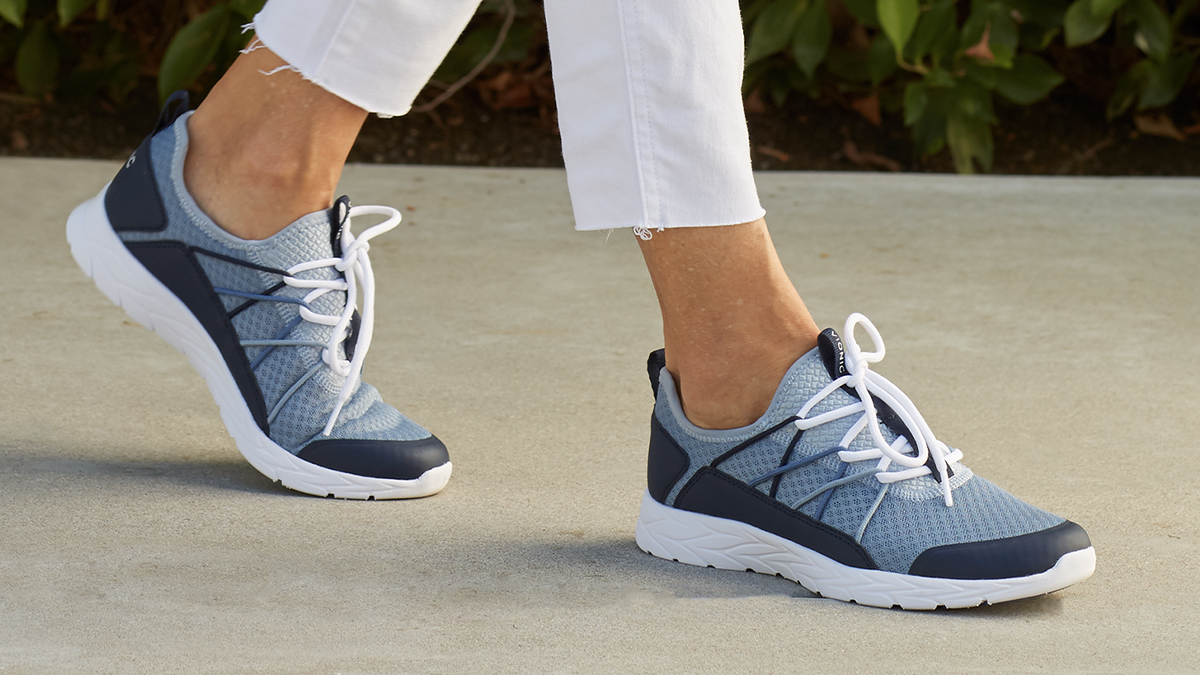
When repurposing a tennis shoe for walking, you become a curator of features. Not every element of a court shoe is necessary for the pavement. Let’s break down the anatomy. First, the upper. Look for durable, breathable materials like reinforced mesh. Tennis shoes often use tougher synthetics to withstand toe drags, which, for a walker, means exceptional longevity against incidental scuffs. The midsole is the heart of the matter. Technologies like Adidas’ Boost, ASICS’ GEL, or Nike’s React foam, frequently used in performance tennis models, offer responsive cushioning that returns energy with each step. As noted in performance reviews on sites like ‘Wirecutter’ or ‘Runner’s World’, the key is a balance between softness and rebound—too soft leads to energy loss, too firm becomes punishing. The outsole requires the most scrutiny. A herringbone or modified herringbone pattern is ideal; it provides reliable grip on varied surfaces without the deep, aggressive lugs of a running shoe that can feel awkward on flat ground. Avoid extreme “clay court” soles with full-depth pimples. Finally, the heel counter and midfoot shank. These are non-negotiable. A rigid heel cup locks your foot in place, preventing slippage, while a shank (often a thermoplastic piece) provides torsional rigidity, keeping the shoe from twisting excessively—a feature paramount in tennis for stability during lateral cuts and equally beneficial for walkers navigating curbs or uneven paths.

The Support Spectrum: Matching Your Gait
Your walking style dictates your ideal shoe. This is where the precision of tennis shoe design becomes a boon. Most people fall into one of three categories: neutral, overpronation, or supination (underpronation). Overpronation, where the foot rolls inward excessively, is common. Many tennis shoes are inherently built with support features to combat this motion, as stability is critical on the court. Models with features like ASICS’ Dynamic Duomax (a dual-density midsole) or a medial post offer structured guidance. For a neutral walker, a cushioned but not overly corrective tennis shoe can provide a fantastic platform. The beauty of exploring tennis shoes for walking is the transparency of their construction. Unlike some walking-specific shoes that hide their support systems, tennis shoes often showcase their technology, allowing you to make an informed choice. Consider the words of renowned coach and biomechanist, Nick Winkelman, who emphasizes the importance of “positioning before movement.” A shoe that positions your foot correctly from heel strike to toe-off creates the foundation for efficient, pain-free movement. Trying on pairs from brands like New Balance (known for width options) or K-Swiss (renowned for their stable, classic builds) can reveal how a court-ready support system translates to the straight-line rhythm of a long walk.
Beyond the Court: Lifestyle and Longevity
The appeal of tennis shoes for walking extends beyond pure biomechanics. There’s an aesthetic and practical dimension. Traditionally, walking shoes have battled a reputation for clunky, utilitarian designs. Tennis shoes, by contrast, often carry a sleek, athletic, and timeless profile—think of the classic white leather sneaker, a staple born from the court. This makes them effortlessly versatile, transitioning from a morning walk to casual daywear without a second thought. Furthermore, durability is a cornerstone of tennis shoe design. They are built to withstand the abrasive wear of hard courts, which translates to a longer lifespan on asphalt and concrete. The outsole rubber is typically harder and more abrasion-resistant than that of many running shoes. In an era of conscious consumption, investing in a pair that lasts is both economically and environmentally sensible. You’re not just buying a shoe for walking; you’re investing in a durable good engineered for high-stress activity, repurposed for a lower-impact but high-frequency use. This longevity is a form of value that discount prices alone cannot define, though finding last season’s premium tennis models on sale is a brilliant way to acquire top-tier technology at a fraction of the original cost.
A Curated Selection: Models to Consider
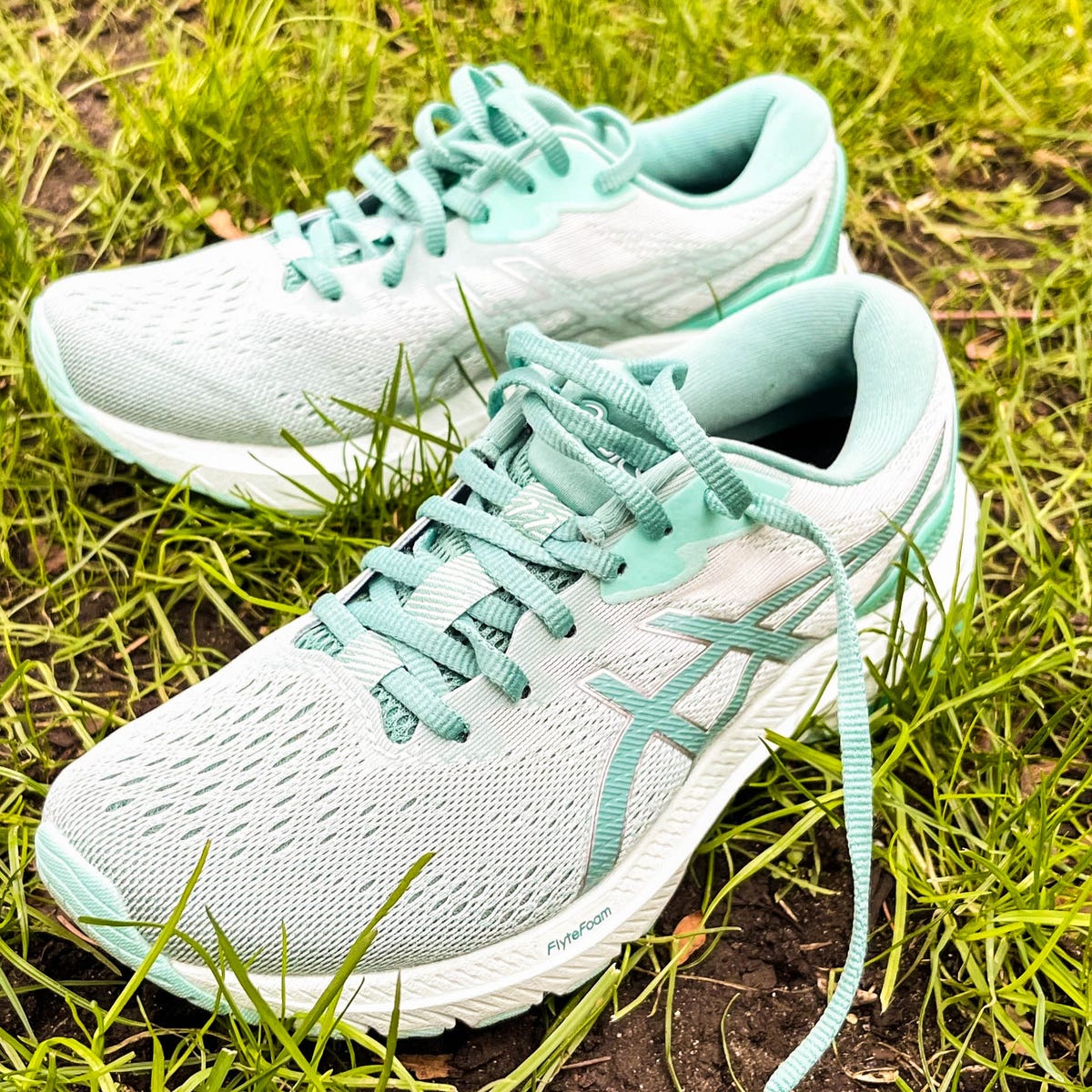
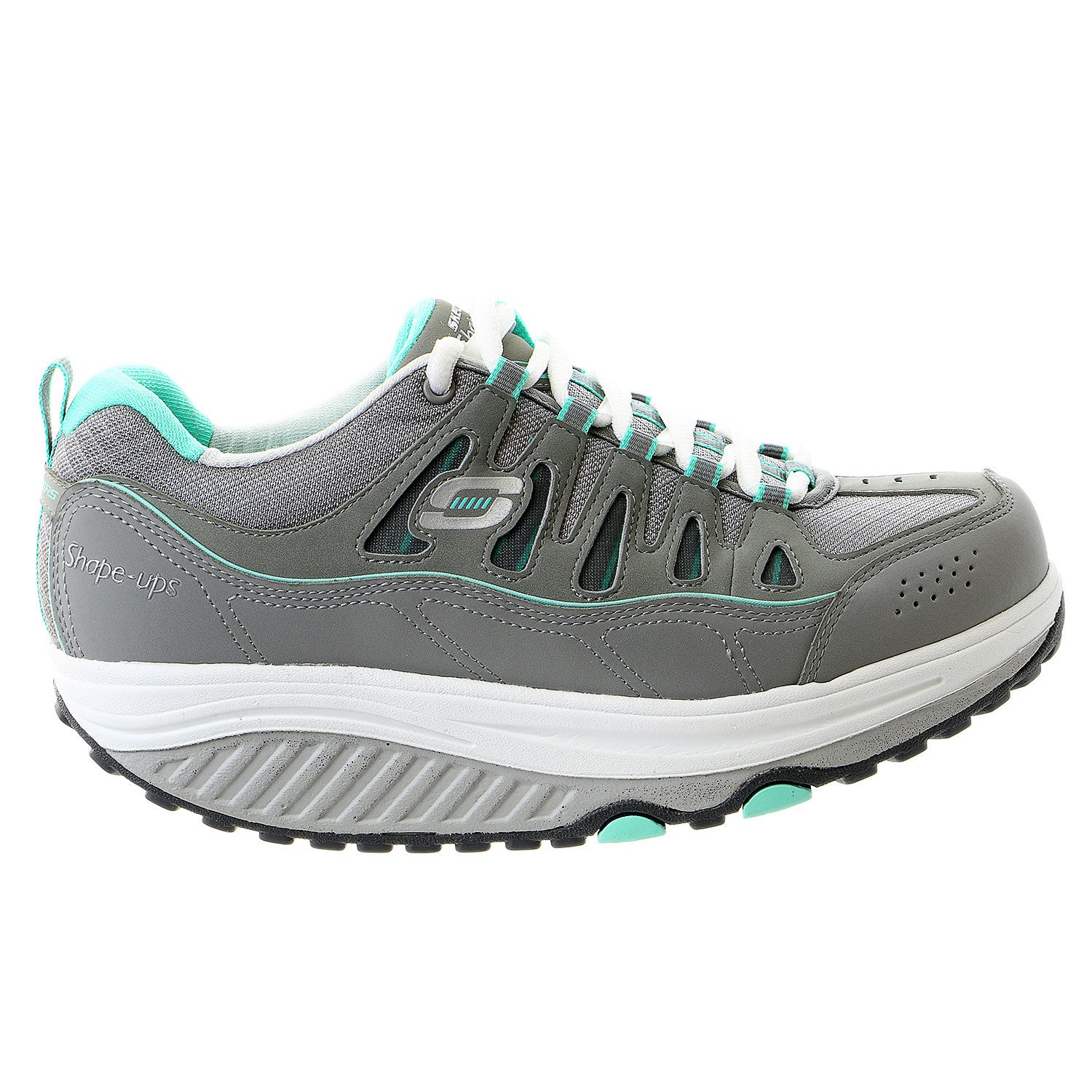
Let’s move from theory to practice. Here are a few illustrative examples of tennis or tennis-inspired models that excel as tennis shoes for walking. The ASICS Gel-Resolution series is a standout. Renowned for its phenomenal support and Gel cushioning systems at both heel and forefoot, it offers plush comfort for heel strikers without sacrificing the firmness needed for stability. The New Balance Fresh Foam Lav is another excellent candidate. It utilizes a single-piece Fresh Foam midsole that provides a smooth, cushioned ride, and its upper is designed for comfort and breathability over extreme lockdown. For those seeking maximal cushioning, the Nike Air Zoom Vapor Cage incorporates responsive Zoom Air units that can make long walks feel energetically light. On the more accessible end, brands like Skechers have models that borrow tennis shoe aesthetics and comfort technologies, such as their Arch Fit insoles, which are designed in collaboration with podiatrists and can be found in shoes that mirror the stable base of a court shoe. Remember, the goal is to try them on. Walk around the store. Feel how the heel counter holds you, how the arch supports you, and how the forefoot flexes. The right pair should feel secure and encouraging, not restrictive or clumsy.
Making the Smart Choice: Your Personal Verdict
The journey to finding the perfect walking companion doesn’t end with a list of features or recommended models. It culminates in a personal verdict based on your body, your habits, and your terrain. We’ve traversed the objective grounds of biomechanics and design, understanding how the robust architecture of a tennis shoe can be a fortress of comfort for a walker. We’ve seen that the very features engineered for split-second reactions on court—the locked-in heel, the torsional rigidity, the durable outsole—become pillars of predictable support on the road. This guide posits that being open to categories beyond the “walking shoe” label can yield surprising and superior results. The market is rich with specialized technology; the savvy consumer cross-references it against their personal needs. So, view your next walking shoe purchase not as a search for a label, but as a hunt for a set of performance characteristics. Does it have structured cushioning? Excellent heel and arch support? A durable, flexible outsole with modest traction? If the answer is yes, you may well be looking at an ideal pair of tennis shoes for walking. The proof will be in the pavement beneath your feet and the comfort that carries you mile after mile.
