

The Ultimate Guide to Tennis Shoes for Everyday Walking
For years, the idea of using tennis shoes for walking was met with skepticism. The prevailing wisdom suggested that dedicated walking shoes, with their specific rocker soles and flex patterns, were the only legitimate choice for the serious pedestrian. However, a significant shift is underway. A growing body of anecdotal evidence, supported by biomechanical principles and the versatile designs of modern athletic footwear, is making a compelling case for the humble tennis shoe as a top contender for your daily steps. This guide isn’t about dismissing specialized gear but about exploring an often-overlooked option that blends comfort, durability, and style in a way few dedicated walking shoes can match. We will dissect the anatomy of a tennis shoe, compare its function to the act of walking, and provide you with the objective knowledge needed to decide if this crossover is right for you.
The Biomechanical Bridge: How Tennis Shoes Meet Walking Demands
To understand the suitability of tennis shoes for walking, we must first break down the biomechanics of both activities. Walking is a linear, heel-to-toe motion involving a gait cycle of heel strike, midfoot stance, and toe-off. The primary demands are cushioning for impact absorption at the heel and flexibility at the forefoot to facilitate the push-off phase. Tennis, in contrast, is a multidirectional sport characterized by rapid lateral cuts, sudden stops, and forward sprints. Tennis shoes are engineered for stability to prevent ankle rolls during side-to-side movements and for durable outsoles that can withstand dragging and pivoting on hard courts.
The intersection lies in the foundational support. A study from the University of Calgary’s Human Performance Laboratory highlights that footwear stability is crucial for preventing overpronation—a common issue in both walking and lateral sports. The reinforced midfoot and heel counters found in quality tennis shoes provide this stability inherently. Furthermore, the cushioning technology—be it Nike Air, Adidas Boost, or ASICS GEL—originally developed to cushion the high-impact landings of tennis, offers exceptional shock absorption for the repetitive heel strikes of walking. As Dr. Casey Kerrigan, a former Harvard Medical School researcher known for her work on gait mechanics, once noted in an interview, “The goal of athletic footwear is to manage the forces your body generates. A well-cushioned, stable shoe from one discipline can often successfully manage the forces of another, less intense activity.” This scientific perspective bridges the gap, suggesting that the robust construction of a tennis shoe is more than capable of handling the linear stresses of walking.

Anatomy of a Perfect Hybrid: Key Features to Seek
Not all tennis shoes are created equal for pedestrian purposes. Selecting the right pair involves looking for specific design elements that align with walking biomechanics. First, examine the midsole cushioning. You want ample, responsive cushioning in the heel. Technologies like PUMA’s Nitro foam or New Balance’s Fresh Foam provide a soft landing that dissipates impact force, protecting joints from the cumulative stress of thousands of steps. Second, assess the outsole pattern. While the herringbone tread of classic tennis shoes is designed for court grip, many modern “court-inspired” lifestyle models feature a more universal, flatter tread pattern. This offers sufficient traction on pavement and indoor surfaces without the aggressive lugs that can feel awkward during a smooth heel-to-toe roll.
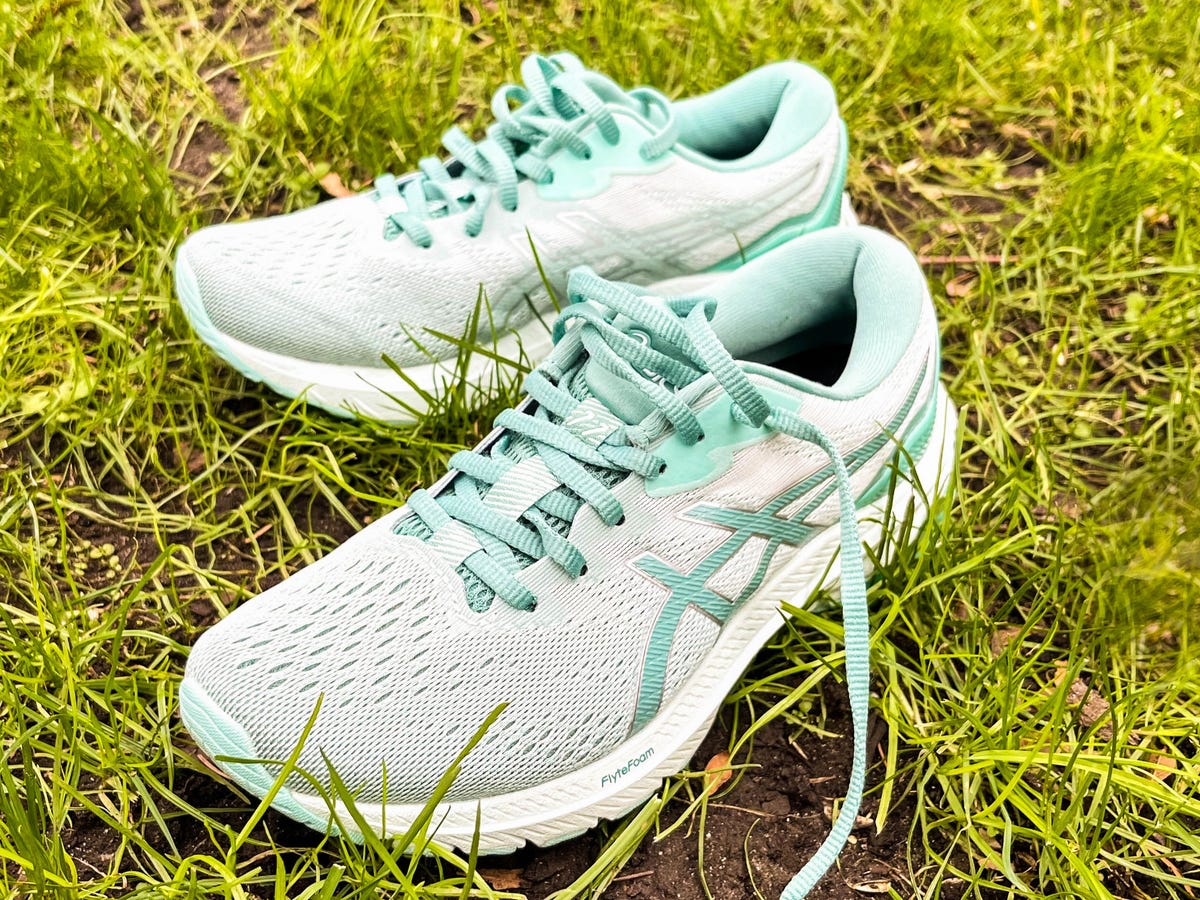
The third and perhaps most critical feature is forefoot flexibility. A shoe that is too rigid, built for explosive pushes on clay or grass, will hinder the natural flex of your foot during toe-off. Bend the shoe in your hands; it should flex easily at the ball of the foot, not in the middle of the arch. Finally, consider the upper. Breathable mesh materials keep feet cool on long walks, while structured overlays provide the necessary lockdown and support without excessive bulk. A model like the ASICS GT-1000, often reviewed on sites like Runner’s World for its support, exemplifies this hybrid design: it features GUIDANCE LINE technology for efficient gait (beneficial for linear motion) and a durable outsole, making it a prime candidate for repurposing as tennis shoes for walking.
Durability and Economy: The Long-Term Value Proposition
One of the most persuasive arguments for choosing tennis shoes for your daily walks is their inherent durability. Tennis shoes are built to withstand the abrasive nature of court surfaces. The rubber used in their outsoles is typically harder and more wear-resistant than the softer carbon rubber or blown rubber found on many dedicated walking shoes. This means that the soles of a quality tennis shoe will resist wearing down on pavement for a significantly longer period. From an economic standpoint, this translates to a better cost-per-mile ratio. You are investing in a product designed for a higher-stress activity, so when subjected to the comparatively lower stress of walking, its lifespan is extended.
This value is compounded when you consider the discounted prices available. Major brands frequently cycle out colorways of popular tennis and “court heritage” models. A previous season’s Adidas Stan Smith, Nike Court Legacy, or K-Swiss Classic, which share the foundational build of their performance counterparts, can often be found at 30-50% off retail. This makes accessing the durable construction and reputable cushioning technologies of these brands far more affordable. As a popular finance and lifestyle blogger on Quora put it when discussing wardrobe staples, “The most economical item is not the cheapest one, but the one that lasts the longest for its purpose. A $60 tennis shoe on sale that lasts 18 months of daily walking is a smarter buy than a $40 walking shoe that breaks down in 8.” This logic squarely applies to our quest for the ideal tennis shoes for walking.
Style as a Function: The Unspoken Motivator
Function is paramount, but we cannot ignore the role of aesthetics in consistent habit formation. Psychology tells us that we are more likely to engage in an activity if we feel good about our participation in it. Dedicated walking shoes, often prioritizing pure function, can sometimes lag in the style department. Tennis shoes, however, are deeply embedded in global fashion culture. From the iconic white sneaker aesthetic to bold color-blocking, they offer a stylistic versatility that seamlessly transitions from a morning walk to running errands or meeting friends for coffee.
This isn’t a superficial concern. A study published in the Journal of Experimental Psychology found that clothing can affect the wearer’s psychological processes—a phenomenon known as “enclothed cognition.” Wearing shoes you perceive as stylish and contemporary can boost confidence and positively influence your mindset toward the activity itself. When your tennis shoes for walking look good, you feel good, and you’re more inclined to choose walking over a less active alternative. The cultural cachet of brands like Nike, Adidas, and New Balance, reinforced through films like Forrest Gump (with its iconic Nike Cortez running scene symbolizing relentless forward motion) and the timeless “tennis shoe” aesthetic in preppy fashion, adds a layer of motivational appeal that purely utilitarian footwear often lacks.

Addressing the Critics: Stability and Gait Cycle Concerns
A legitimate critique of using tennis shoes for walking focuses on lateral stability features. The reinforced sides and stiff midfoot shanks that prevent ankle rolls in tennis could, in theory, restrict the natural pronation and supination of the foot during the walking gait cycle. It’s a valid point raised by podiatrists and fit specialists. However, this is where proper selection is key. The market is vast. You should avoid highly specialized “performance” tennis shoes designed for elite players, which prioritize extreme lateral lockdown. Instead, opt for “training” or “lifestyle” models derived from tennis silhouettes. These models often have a more forgiving upper and a balanced approach to stability.
Furthermore, for the majority of people with a neutral to mild overpronation gait, the moderate stability of a tennis shoe is not a hindrance but a benefit. It offers a safety net without overcorrecting motion. The Wikipedia entry on “Athletic Shoes” states that “cross-training shoes are designed to provide support for a variety of activities,” and many modern tennis-inspired falls into this hybrid category. If you have severe overpronation or a specific medical condition, consulting a specialist is always advised. But for the general population seeking comfort and support for daily ambulation, the stability in a well-chosen tennis shoe aligns more with the principles of a cross-trainer, making it a safe and effective option for turning miles into smiles.
Your Personal Verdict: Making an Informed Choice
The journey to finding your perfect walking companion ends not with a blanket prescription, but with a personalized assessment. We’ve laid out the objective evidence: the biomechanical overlap, the feature-specific advantages, the economic and stylistic benefits. The core idea is one of intelligent repurposing. The next step is yours. Visit a store and try on both dedicated walking shoes and a few selected tennis shoes for walking. Pay attention to the heel cushioning—does it feel plush and absorbing? Test the forefoot flexibility—does it bend where your foot naturally wants to? Take a lap around the store. The right shoe will feel secure without being restrictive, cushioned without being unstable.
Remember, the ultimate authority is your own comfort and the health of your stride. The convergence of performance engineering and everyday need has never been more apparent. By understanding the science and carefully selecting your footwear, you may discover that the ideal shoe for your everyday journey has been hiding in plain sight, not on the specialized wall, but among the timeless, durable, and unexpectedly versatile tennis shoes. Embrace the exploration, and let your feet experience the hybrid comfort that bridges the gap between the court and the concrete of daily life.
:max_bytes(150000):strip_icc()/vwt-walking-shoes-test-ryka-devotion-x-sahara-borja-02-18807b688fbb49e4ba30a3ee438600cb.jpeg)
