

The Ultimate Guide to Comfortable Walking in Tennis Shoes
For decades, the humble tennis shoe has transcended the court, becoming a staple in wardrobes worldwide. Yet, a critical question persists: are they truly suitable for dedicated walking? The answer isn’t a simple yes or no, but a journey into biomechanics, material science, and personal physiology. This guide cuts through the marketing to deliver an objective, science-backed analysis of using tennis shoes for walking. We’ll move beyond casual assumptions, providing you with the knowledge to make an informed decision, potentially saving your feet from discomfort and your wallet from unnecessary expense.
The Biomechanical Divide: Walking vs. Tennis Movements
To understand the suitability of any footwear, we must first examine the mechanics of the activity. Walking is a linear, heel-to-toe motion with a relatively consistent gait cycle. The primary forces are vertical compression and a smooth roll-through. Tennis, however, is a symphony of lateral bursts, sudden stops, pivots, and jumps. The shoes designed for it prioritize stability for side-to-side movements, often featuring reinforced “outriggers” or sturdy heel counters to prevent ankle rollover during aggressive cuts. Dr. Casey Kerrigan, a renowned biomechanist and former professor at Harvard Medical School, has extensively studied gait. Her research, often cited in journals like the Journal of the American Podiatric Medical Association, emphasizes that footwear should complement the body’s natural mechanics. A shoe built for violent lateral stability might inadvertently restrict the smoother, sagittal plane motion (forward-backward) ideal for walking. Therefore, while a tennis shoes for walking on a flat, even surface might suffice for short distances, its inherent design focus on lateral containment could interfere with the natural gait cycle during a prolonged, dedicated walk.

Deconstructing the Tennis Shoe: Key Features Under Scrutiny
Let’s dissect the typical tennis shoe and evaluate each component through the lens of walking comfort.
Midsole Cushioning: Impact Absorption vs. Energy Return
The midsole, often made of EVA (Ethylene-Vinyl Acetate) or polyurethane, is the heart of cushioning. In tennis shoes, cushioning is tuned to absorb high-impact landings from jumps and provide a stable platform for quick reactions—it’s often firmer. Walking shoes, conversely, prioritize plush, consistent compression to cushion the repetitive, lower-impact strike of each step. A study from the University of Calgary’s Human Performance Laboratory noted that optimal walking footwear manages impact forces over a longer period of contact with the ground. A too-firm tennis midsole may not offer the continuous comfort needed for a 10,000-step day. The concept of “energy return,” popularized by brands like Adidas with Boost technology, is interesting here. While beneficial in running for propulsion, for walking, excessive energy return can feel unstable. The goal is cushioning that dissipates force, not aggressively pushes back.
Outsole and Tread Pattern: Traction Redefined
Look at the bottom of a tennis shoe. You’ll likely see a herringbone or modified hexagonal pattern. This is a non-marking rubber compound designed for supreme grip on court surfaces like clay or hardcourt, allowing for controlled slides and pivots. For walking on pavement or trails, this pattern can be overkill and may wear down unevenly. A walking shoe outsole is designed for durability against abrasive asphalt and features a more versatile, often deeper, tread for varied surfaces. The famed shoe designer Tinker Hatfield, in interviews about his work for Nike, has spoken about “designing for the sport’s specific dialogue with the ground.” The dialogue for walking is one of consistent, rolling friction, not one of explosive traction and release.
Upper and Fit: Containment vs. Flexibility
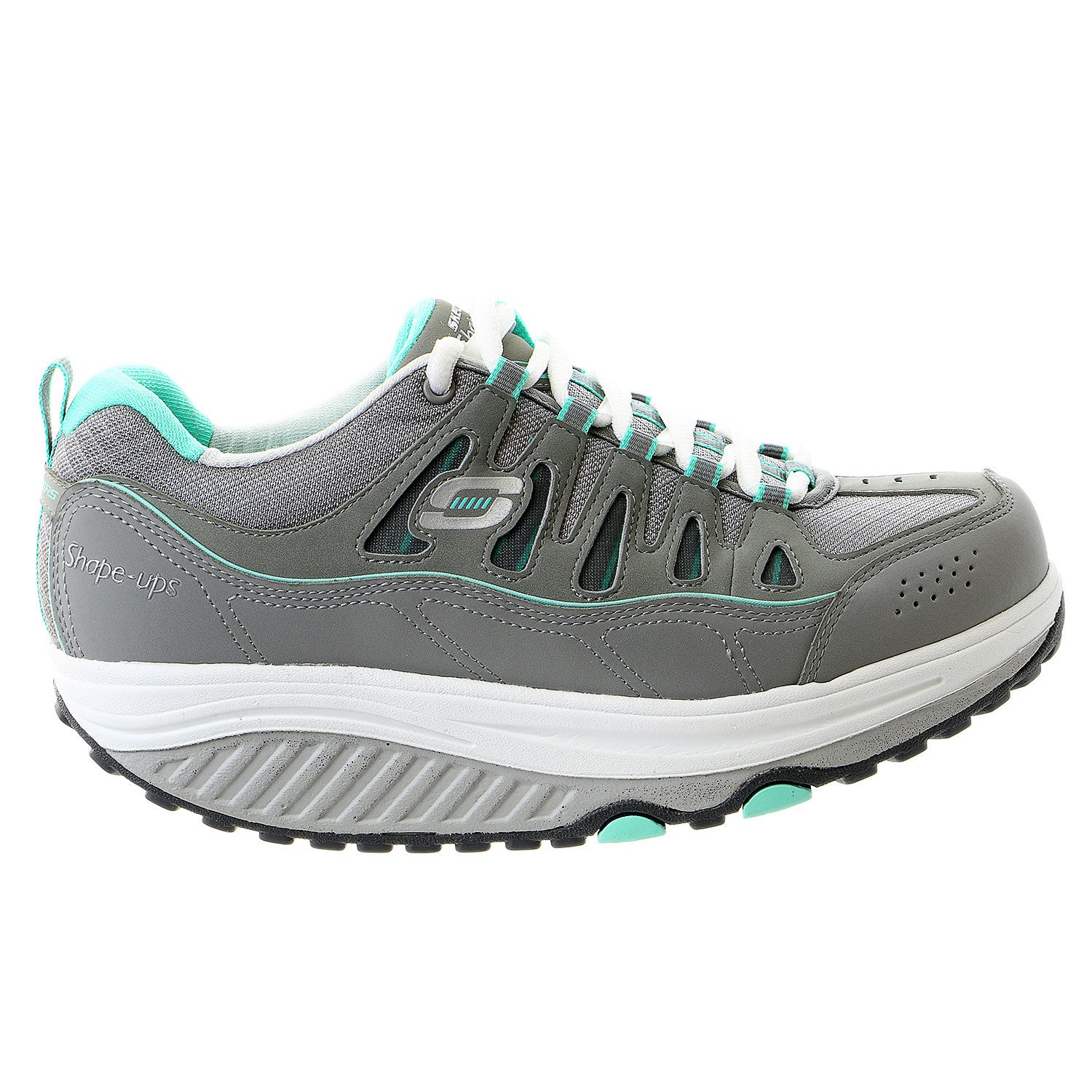
Tennis shoe uppers are frequently constructed from durable, often less-breathable materials like reinforced leather or synthetic overlays to withstand toe drags and provide a locked-down fit. This can compromise breathability during a long walk. Furthermore, the fit is typically snug to prevent foot movement inside the shoe during lateral cuts. For walking, your foot expands and requires a more accommodating toe box and superior breathability to manage moisture. The American Podiatric Medical Association (APMA) recommends shoes with a “thumb’s width” of space in front of your longest toe to prevent bruising and allow for natural splay during the walking stride—a specification sometimes sacrificed in performance-oriented tennis designs.
When Can Tennis Shoes Be a Viable Walking Option?
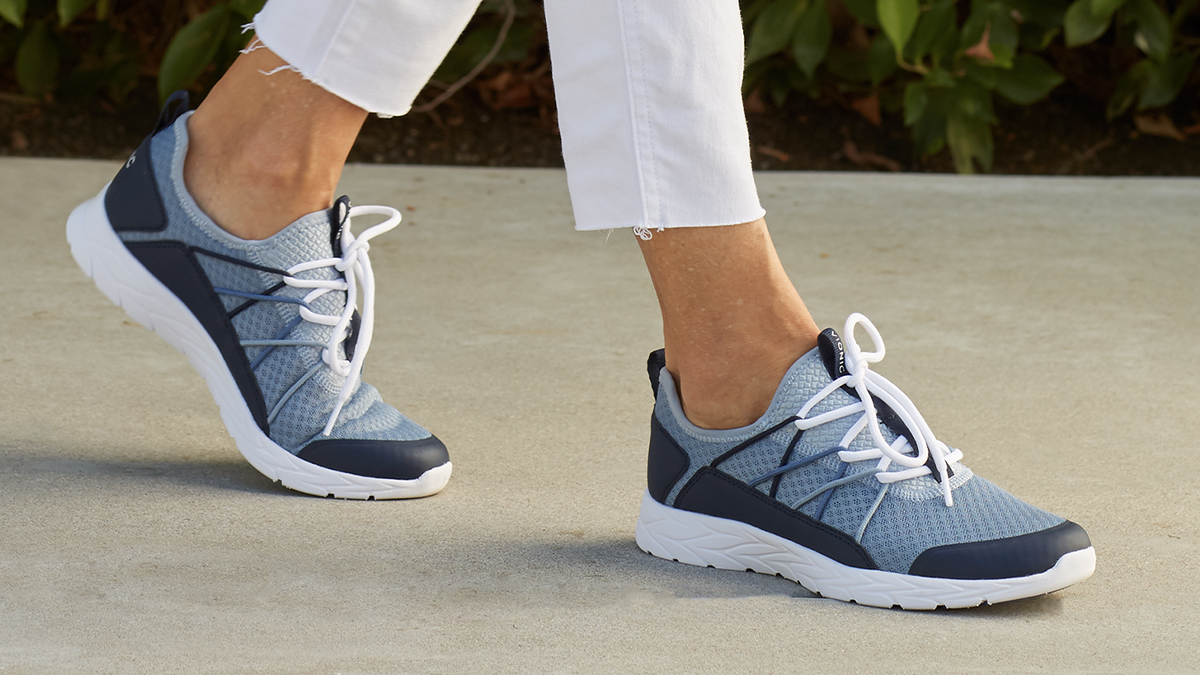
Despite the biomechanical differences, declaring all tennis shoes for walking entirely unsuitable would be an oversimplification. Context is paramount. For the individual engaging in light, casual walking on errands or short urban strolls—what we might call “lifestyle walking”—a well-cushioned, modern tennis-style sneaker can be perfectly adequate. Many contemporary “court-inspired” lifestyle models have evolved, incorporating walking-friendly features like more flexible outsoles and breathable knits. The key is self-assessment. If you have no pre-existing foot conditions (like plantar fasciitis or overpronation), and your walking is non-competitive and moderate in distance and pace, a comfortable pair of tennis shoes for walking might serve a dual purpose. However, this is a compromise, not an optimization.
The Professional Verdict: Insights from Experts and Studies
Turning to authoritative voices provides clarity. On platforms like Quora and specialized running/walking forums, certified pedorthists and physical therapists frequently caution against using sport-specific shoes for cross-training purposes. A recurring viewpoint is that while the risk of acute injury from walking in tennis shoes is low, the potential for chronic issues—such as shin splints, Achilles tendonitis, or metatarsal stress—increases due to the subtle biomechanical inefficiencies. Literature from the Spaulding National Running Center, affiliated with Harvard, emphasizes “specificity of loading.” This principle suggests that the body adapts best to forces it regularly encounters; using a shoe designed for different force patterns can lead to suboptimal adaptation and strain. As noted running coach and author Jack Daniels (of “Daniels’ Running Formula” fame) once stated in a YouTube interview,
“The shoe is the primary interface between your body and the ground. You wouldn’t use a racing tire for a dirt road, so why use a shoe built for cutting on a court for miles of straight-line walking?”
This analogy succinctly captures the core issue of mismatched equipment.
Making an Informed Choice: A Step-by-Step Framework
If you are considering using or purchasing tennis shoes for walking, follow this framework to make a smart decision.
1. Analyze Your Walking Profile: Are you a power walker covering 5+ miles daily, or a casual stroller? Intensity, distance, and terrain (pavement, track, trail) are the first filters.
2. Conduct a Shoe Autopsy: Examine your current or prospective tennis shoes. Bend the shoe. Does it flex easily at the forefoot, where your foot bends when walking, or is it stiff? Feel the cushioning. Is it uniformly soft, or firm with stability plates? Check the heel counter. Is it rigid for lateral support? A more flexible shoe with less aggressive side support is better for walking.
3. Prioritize Fit and Feel: Always try shoes on in the afternoon when feet are naturally swollen. Wear the socks you intend to walk in. Walk around the store, focusing on the heel-to-toe transition. Any pinching, rubbing, or feeling of “fighting” the shoe is a red flag.
4. Seek Professional Knowledge and Discounted Prices: Don’t shy away from specialty running/walking stores. Their staff are often trained in gait analysis. While their shoes may seem premium, the value of correct fit is immense. For discounts, consider previous-season models, which offer identical technology at a fraction of the cost. Major online retailers frequently have sales on performance models from brands like New Balance, Asics, and Brooks—brands that invest heavily in walking-specific research. A $120 shoe bought for $70 that prevents a $200 podiatrist visit is the ultimate discount.

The Final Stride: Beyond the Label
The pursuit of comfortable walking is a personal equation of physiology, activity, and equipment. While the familiar look and feel of tennis shoes are appealing, their engineering serves a master different from the dedicated walker. This guide has provided the scientific and expert-backed scaffolding for your decision. The evidence suggests that for serious, health-focused walking, investing in a shoe designed from the ground up for that purpose is the most prudent path to comfort and injury prevention. However, for integrated, low-intensity daily movement, a selective, well-informed choice of a flexible, cushioned tennis shoes for walking can bridge the gap. Ultimately, listen to your body—it provides the most authoritative feedback of all. Discomfort is a signal, not a challenge to overcome. Choose the shoe that supports your stride, not just your style.
