

Step Into Style: The Ultimate Guide to Toe Walker Shoes for Effortless Chic
Forget the notion that functional footwear must sacrifice aesthetics. The modern fashion landscape is witnessing a revolutionary fusion where medical necessity meets runway-ready design. We are talking about toe walker shoes, a category once confined to clinical discussions, now reimagined as the epitome of effortless chic. This guide isn’t about masking a gait pattern; it’s about celebrating it with style, confidence, and scientific understanding. We will dismantle the outdated stereotypes, arm you with objective knowledge, and showcase how the right pair can become the most versatile and empowering item in your wardrobe, all while providing the essential support your body requires. The journey from therapeutic device to fashion statement begins here, proving that true style is built on a foundation of well-being.
Deconstructing the Step: What Are Toe Walker Shoes?
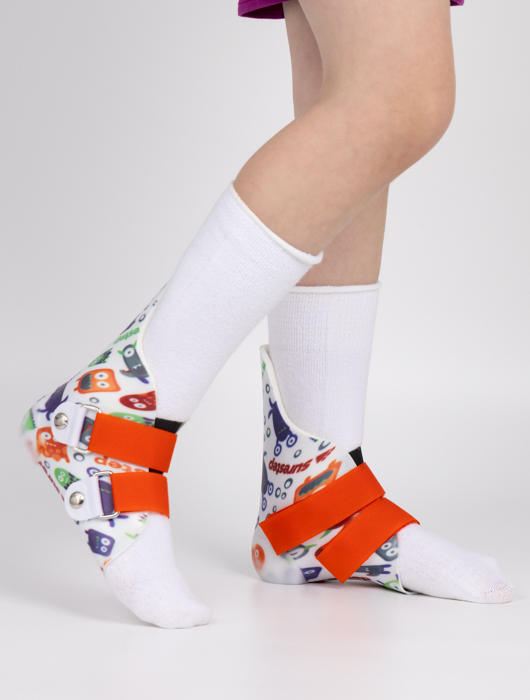
To truly appreciate the style revolution, one must first understand the science and purpose behind the design. Toe walker shoes are specialized footwear engineered to address a gait pattern known as idiopathic toe walking (ITW), where an individual, often a child but sometimes an adult, walks on the balls of their feet with minimal or no contact between the heels and the ground. According to research from institutions like the Gait Analysis Laboratory at Connecticut Children’s, persistent toe walking can lead to shortened Achilles tendons, muscle tightness, and potential joint issues over time. Traditionally, interventions ranged from physical therapy to rigid ankle-foot orthoses (AFOs). However, modern toe walker shoes integrate these corrective principles into a shoe-like form. They typically feature a sole with a pronounced rocker bottom, a firm heel counter, and often a slight heel lift. The rocker bottom, a concept validated in podiatric literature from sources like the Journal of Foot and Ankle Research, facilitates a smoother heel-to-toe transition by reducing the bending required at the midfoot and toe joints. This design gently encourages a full-foot strike without the need for a rigid, bulky brace. It’s a biomechanical solution disguised as everyday footwear. As Dr. Jane Andersen, a past president of the American Association for Women Podiatrists, has noted, “The goal is to provide support that guides the gait cycle naturally, and modern designs allow this to happen in a way that respects the wearer’s comfort and, increasingly, their personal style.” This foundational understanding is key; we are not merely discussing a trend, but a sophisticated integration of orthopedics and design.

The Architecture of Support: Key Design Elements Unpacked
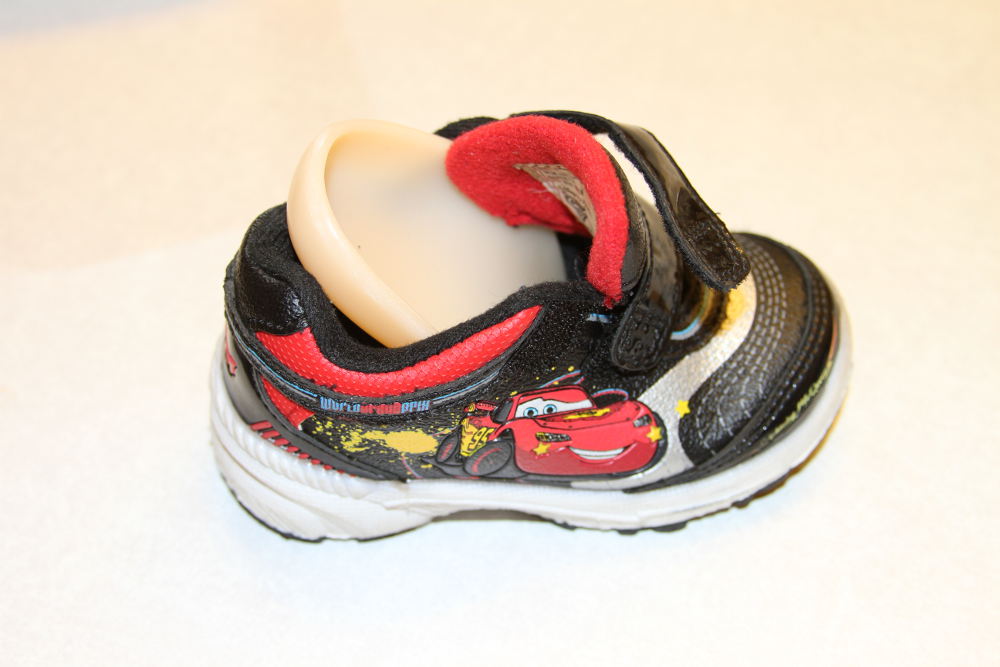
Let’s delve deeper into the architectural genius that makes these shoes both therapeutic and stylish. The magic lies in specific, non-negotiable elements that work in concert. First, the Rocker Sole: This is the cornerstone. Unlike a flat sole, a rocker sole is curved. This curvature, as explained in resources from the American Podiatric Medical Association, minimizes pressure on vulnerable areas of the foot and propels the body forward with less effort. It effectively “rolls” the foot from heel strike to toe-off, making a flat-footed gait easier and more natural. Second, the Firm Heel Counter: The back part of the shoe, the heel counter, must be exceptionally sturdy. This cup-like structure holds the calcaneus (heel bone) firmly in place, preventing the heel from slipping and providing the stability needed to accept weight during each step. A flimsy heel counter would render the shoe ineffective. Third, Controlled Flexibility: While the heel is locked, the forefoot area may allow for some flexion, but in a controlled manner. This prevents excessive toe gripping. Finally, many designs incorporate an Internal Accommodation Space. This is crucial for those who may also use custom orthotic inserts. A well-designed toe walker shoe will have a removable insole, creating depth for a custom-molded orthotic that can address individual arch support or posting needs without compromising the shoe’s external profile. This layered approach to support—rocker sole, firm heel counter, controlled flex, and orthotic compatibility—creates a biomechanically sound platform. It’s akin to the engineering principles behind a suspension bridge, distributing forces efficiently and ensuring stability, all contained within a sleek silhouette that defies its clinical purpose.
From Clinic to Catwalk: The Style Evolution
The transformation of this footwear category is nothing short of remarkable. For years, functional shoes were an aesthetic afterthought, often available in limited, medical-looking colors and clunky shapes. The shift began as designers and orthopedic companies recognized a simple truth: people are more likely to wear something consistently if they love how it looks. This user-centric philosophy sparked a renaissance. Today, brands are producing toe walker shoes that draw inspiration from contemporary sneaker culture, classic loafers, sleek boots, and even elegant ballet flats. You can find options with premium materials like supple leather, breathable mesh, and sustainable textiles. Color palettes have exploded beyond white and beige to include minimalist neutrals, bold primaries, and metallic accents. The silhouette has been refined—toe boxes are more proportionate, midsoles are streamlined, and the rocker profile is often subtly integrated to look like a modern athletic sole. This evolution mirrors a broader trend in fashion towards “healthwear” – clothing and accessories that actively contribute to the wearer’s physical well-being without compromising on style. As fashion influencer and disability advocate Mama Cax powerfully demonstrated through her own style, functional pieces can be the centerpiece of a powerful, fashionable identity. The message is clear: your footwear can be an agent of physical support and a profound expression of personal style. They are no longer something to hide but to showcase.
Curating Your Chic: How to Style Toe Walker Shoes
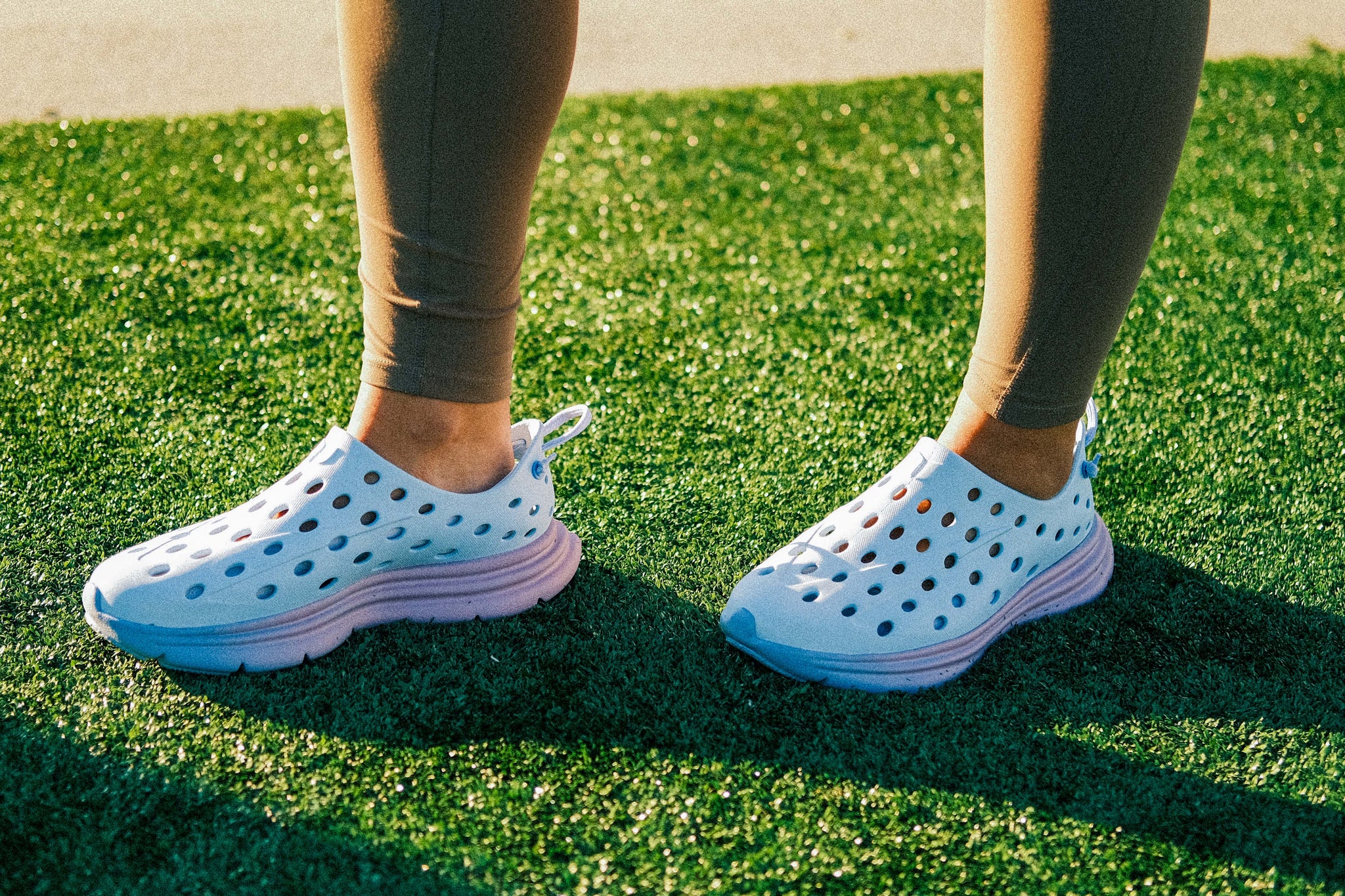
Now for the most exciting part: integrating these shoes into a wardrobe that sings with effortless chic. The versatility will surprise you. Consider the Elevated Sneaker style: a crisp, white leather pair with a subtle rocker sole can be paired with tailored wide-leg trousers and a structured blazer for a modern, off-duty model look. It’s comfort meeting sophistication. For a Smart-Casual approach, a suede loafer-style toe walker works perfectly with cropped jeans and a silk button-down, or a midi skirt and a simple turtleneck. The key is to let the shoe’s inherent clean lines complement your outfit. In cooler months, an ankle boot version becomes indispensable. Imagine a sleek, black boot with a hidden rocker sole—style it with opaque tights and a wool dress, or with raw-hem denim and a chunky knit. The goal is balance; because the shoe provides such solid foundational support, you can play with volumes and textures in your clothing. Furthermore, the psychological boost of wearing something beautiful that also cares for you cannot be overstated. When your feet are comfortable and supported, your posture improves, your stride becomes more confident, and that confidence radiates outward. It’s the ultimate hack for effortless chic: look good because you feel good, and feel good because you are supported from the ground up. This is the holistic advantage of modern toe walker shoes.
Investing in Your Foundation: Knowledge and Value
Embracing this fusion of health and style is an investment in your long-term well-being, and like any investment, it requires informed decision-making. Professional guidance is paramount. A consultation with a podiatrist or pediatric orthopedic specialist is the essential first step. They can provide a definitive diagnosis, assess muscle tone and range of motion, and determine the exact level of support needed. They may recommend specific features or even prescribe custom orthotics to be used inside your chosen shoes. This professional insight ensures you are targeting the correct physiological needs. When it comes to the financial investment, perspective is key. While the upfront cost of high-quality, stylistically advanced toe walker shoes may be higher than standard footwear, their value is multi-faceted. You are paying for specialized biomechanical engineering, durable materials constructed for daily therapeutic use, and design expertise that bridges two worlds. Think of it as purchasing a orthopedic device that you’ll actually want to wear every day, preventing the “left in the closet” scenario that plagues many traditional braces. To maximize value, look for brands that offer direct-to-consumer models, which often provide superior technology at more accessible price points by cutting out middlemen. Some companies also have seasonal sales or loyalty programs. Remember, this is not merely a shoe purchase; it’s an investment in your gait, your posture, your comfort, and your self-expression. The returns—in health, confidence, and style—are immeasurable.
The narrative around functional footwear has been irrevocably changed. We have moved from a paradigm of concealment to one of celebration. Toe walker shoes stand at this intersection, embodying a powerful truth: that what supports us physically can also elevate us aesthetically. They are a testament to innovation that refuses to choose between well-being and beauty. By understanding their science, embracing their evolved designs, and styling them with intention, you step into more than just a pair of shoes. You step into a mindset where self-care is visible, where confidence is built from the ground up, and where chic is effortlessly defined by the intelligent choices you make for your body. This is the future of fashion—inclusive, intelligent, and indisputably stylish.
