Your Ultimate Guide to Stylish and Comfortable Everyday Footwear
Let’s move beyond the idea that style and comfort are mutually exclusive in daily footwear. The right pair of shoes doesn’t just complete an outfit; it supports your body, influences your posture, and can transform your daily experience from a chore into a pleasure. This guide is dedicated to uncovering the principles behind footwear that feels as good as it looks, merging scientific insight with practical style. We’ll navigate the anatomy of comfort, the aesthetics of design, and how to make informed choices that benefit both your wardrobe and your well-being, all while keeping an eye on value.
The Foundation: Understanding What Makes a Shoe Work for You
The journey to the perfect everyday shoe begins with biomechanics. Every step you take involves a complex transfer of force from your heel, through your arch, to the ball of your foot and toes—a process known as the gait cycle. A well-designed walking shoe is engineered to support this natural motion. According to research from institutions like the University of Pittsburgh Medical Center, proper footwear can mitigate common issues like plantar fasciitis, knee stress, and lower back pain by providing adequate cushioning and stability. The key components to scrutinize are the midsole, which absorbs shock; the insole or footbed, which contours to your arch; and the heel counter, which stabilizes the rearfoot. A study cited in the Journal of Foot and Ankle Research emphasizes that footwear with appropriate arch support and heel cushioning significantly reduces impact forces compared to flat, unsupportive options. Therefore, viewing a shoe as a functional tool, not just a decorative item, is the first step toward all-day comfort.
:max_bytes(150000):strip_icc()/vwt-asics-womens-gel-pulse-16-jinfeng-chen-21-712f0f140e834b84b3a8dcf0bf154771.jpeg)
Arch Support and Cushioning: Non-Negotiable Elements
Your foot’s arch is a marvel of natural engineering, acting as a spring that dissipates the energy of each step. When unsupported, this can lead to strain on the plantar fascia ligament—a primary cause of heel pain. A proper walking shoe will have structured arch support built into the midsole, not just a removable cushioned pad. This support aligns the foot and ankle, promoting a neutral gait. Cushioning, often made from materials like EVA (ethylene-vinyl acetate) foam, polyurethane, or proprietary gels (like ASICS’ GEL technology), is equally critical. As noted by Dr. James Ioli, Chief of Podiatry at Brigham and Women’s Hospital, “Cushioning is not about softness alone; it’s about responsive resilience that returns energy.” This means the material should compress under impact and then rebound, reducing fatigue. The goal is a balance: enough cushioning to protect, but not so much that it destabilizes the foot or masks poor support. When you try on shoes, pay attention to how the arch aligns with your own and whether the cushioning feels supportive rather than merely soft.
The Style Synergy: Where Design Meets Function
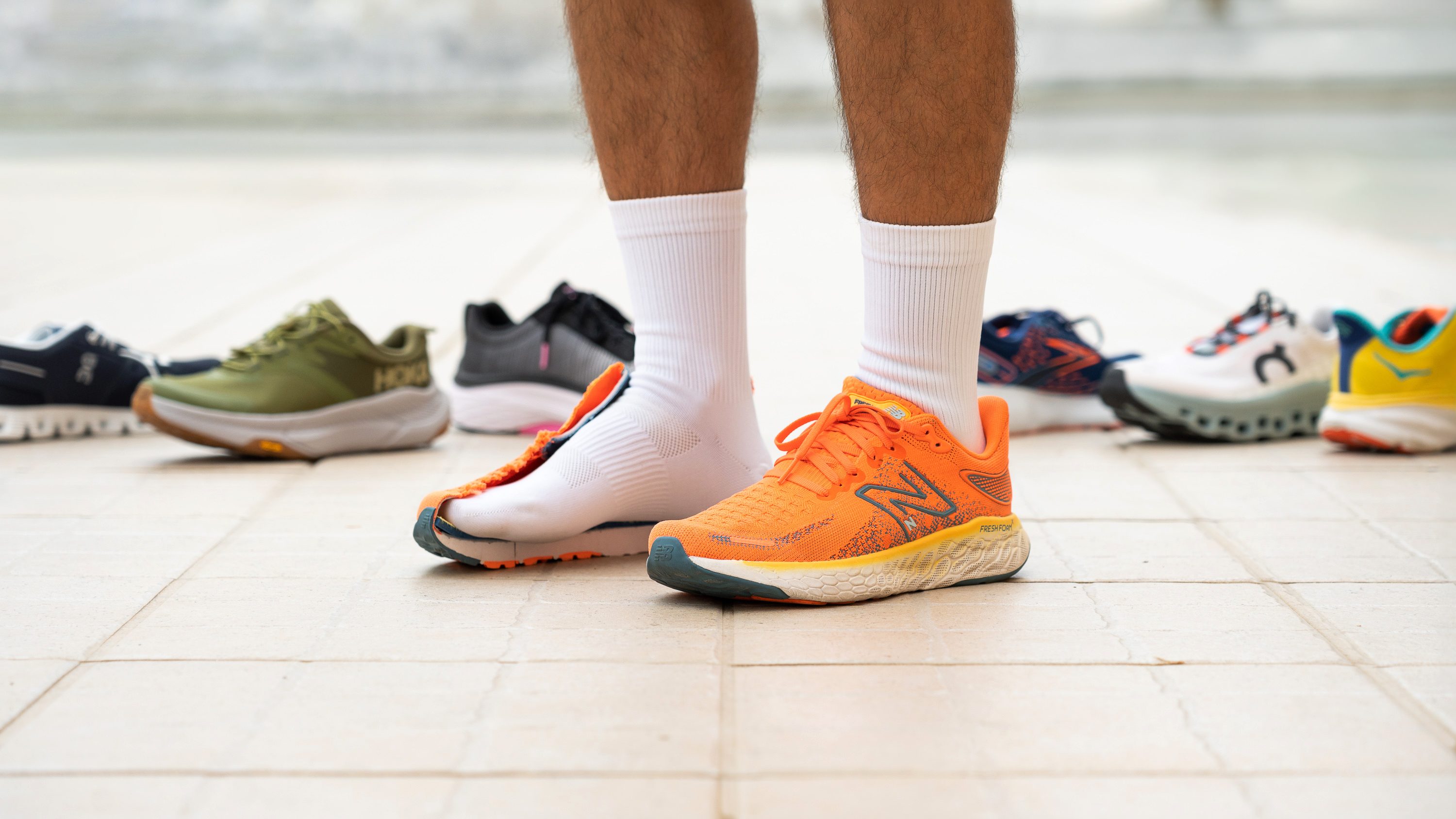
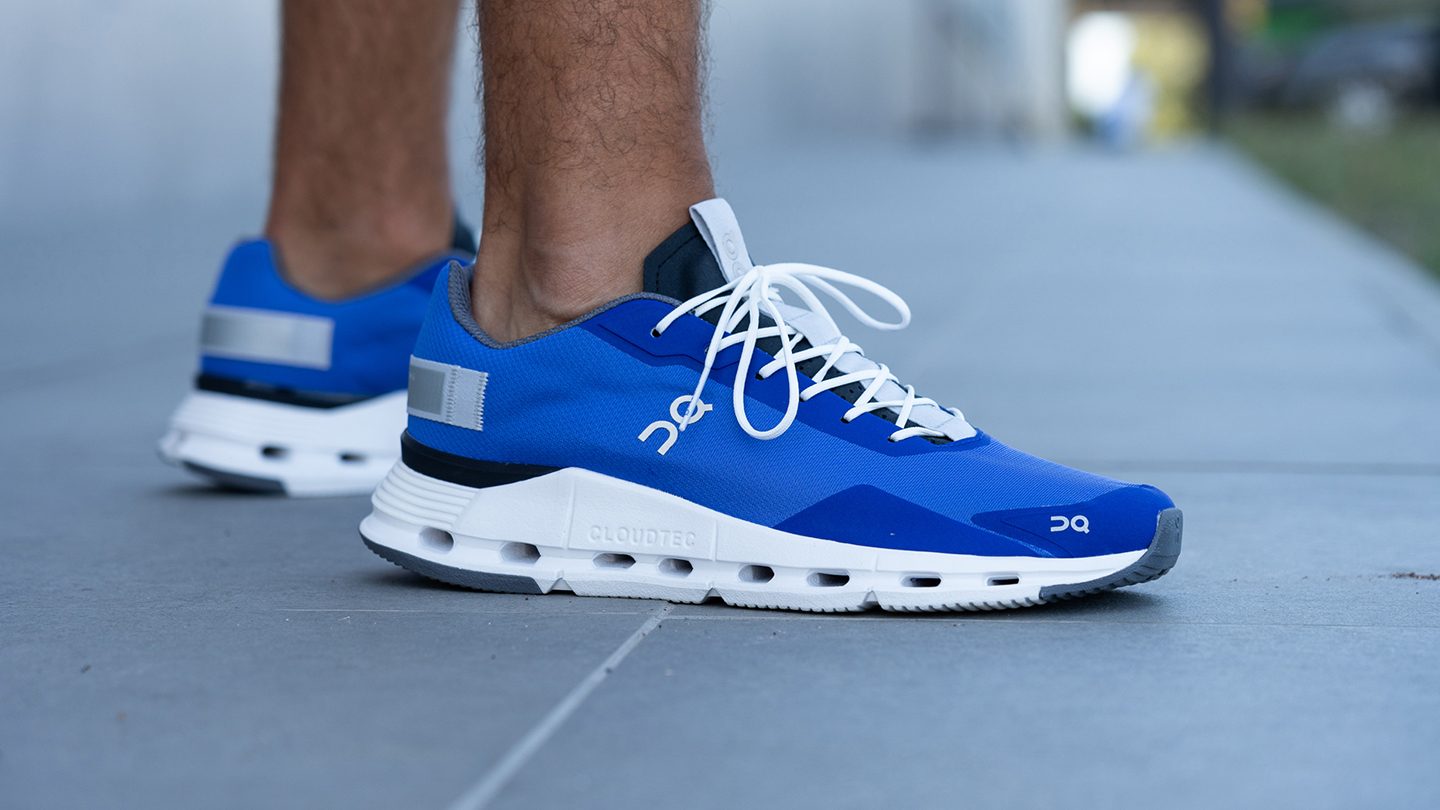
Gone are the days when comfortable shoes were synonymous with clunky, unattractive designs. Contemporary footwear brands have embraced the challenge of integrating technical features into sleek, versatile silhouettes. The rise of “athleisure” and functional fashion, as documented by trend analysts from WGSN, demonstrates a cultural shift where performance attributes are desired in everyday contexts. A stylish, comfortable shoe might feature a minimalist knit upper for breathability and flexibility, paired with a discreet, thick yet sculpted sole unit for cushioning. Brands like Cole Haan, Allbirds, and ECCO have built reputations on this very synergy. The aesthetic principle here is simplicity and intentionality. Clean lines, neutral color palettes (think blacks, greys, taupes, and whites), and the absence of overly technical, sporty detailing allow a high-performance walking shoe to transition seamlessly from a morning commute to an evening dinner. The style is in the subtlety—the hidden comfort technologies that don’t shout their presence but profoundly enhance your day.
Material Matters: Breathability and Durability
The materials covering your foot are as important as what lies beneath. For all-day wear, breathability is paramount to prevent moisture buildup, which can lead to discomfort and fungal infections. Natural materials like leather and high-quality suede offer durability and mold to the shape of your foot over time, while modern engineered meshes and knits provide exceptional airflow and a lightweight feel. Durability, however, must not be sacrificed. A durable outsole made from carbon rubber or a robust blown rubber compound will provide traction and longevity. As Tim Brown, co-founder of Allbirds, stated in an interview with Fast Company, “The future of sustainable, comfortable footwear lies in innovative natural materials.” This points to a growing sector where materials like merino wool, eucalyptus fiber, and sugarcane-based EVA are used to create shoes that are kind to your feet and the environment. When evaluating a shoe, feel the interior lining—it should be smooth to prevent blistering—and examine the stitching and bonding of the upper to the sole, as these are indicators of long-term wear.
Making the Smart Choice: A Personal Fitting Guide
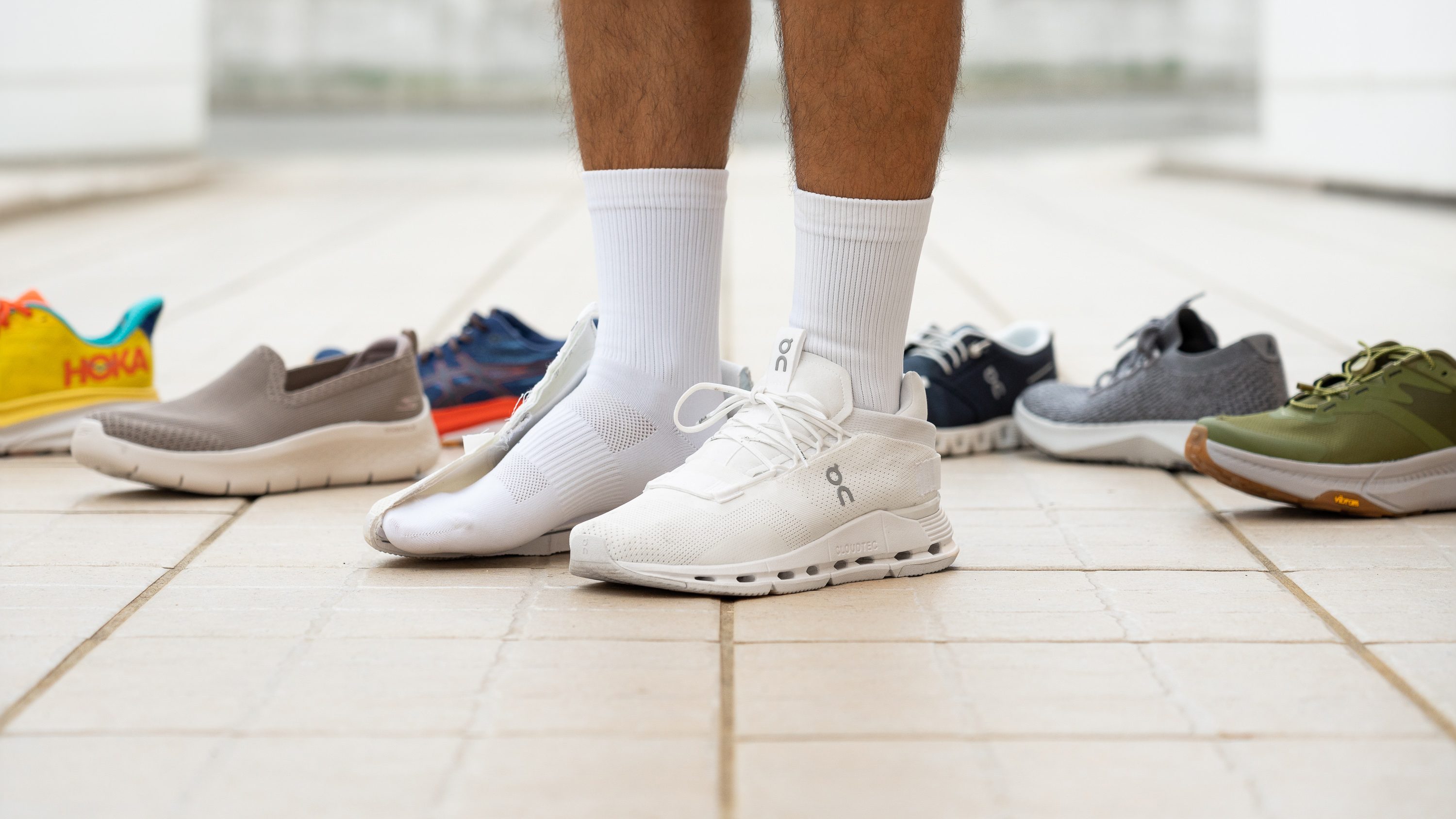
Knowledge of components and style is useless without a proper fit. The most common mistake is wearing shoes that are too small or narrow. Your feet swell throughout the day and expand under weight-bearing, so the ideal time to shop is in the afternoon or evening. There should be about a thumb’s width (roughly 3/8 to 1/2 inch) of space between your longest toe (which isn’t always the big toe) and the end of the shoe. Width is equally critical; your foot should not spill over the sides of the footbed. Don’t be enslaved by your usual size; brand sizing varies dramatically. Always try on both shoes and walk on a hard surface. Pay attention to any immediate pressure points or slippage at the heel. A well-fitted walking shoe should feel secure and supportive from the moment you put it on, with no “break-in” period required. Remember, as the American Podiatric Medical Association advises, comfort should be immediate, not prospective.
Investing in Value: Quality Over Quantity and Finding Deals
While premium materials and technology often come with a higher price tag, investing in a quality pair of everyday shoes is an investment in your physical comfort and can be more economical long-term. A single, well-constructed pair that lasts two years is better value than three cheap pairs that disintegrate and cause discomfort in six months. However, “investment” doesn’t mean paying full retail price is your only option. Savvy shopping strategies include looking for previous season’s models, which often have the same core technology at a significant discount. Sign up for brand newsletters for exclusive promo codes and early sale access. Outlet stores and reputable online retailers frequently offer last-season stock. Consider the cost-per-wear: a $150 pair worn 300 days a year costs 50 cents per day. This perspective shifts the purchase from an expense to a worthwhile allocation for daily well-being. The goal is to bring professional-grade support and style into your life at an accessible price point.
The Final Step: Integrating Footwear into Your Lifestyle
The ultimate test of your everyday footwear is how it disappears into the background of a great day. You shouldn’t be thinking about your feet. The right pair empowers you to walk further, stand longer, and move with confidence. They become a reliable foundation for your personal and professional life. From the scientific support in the sole to the thoughtful design of the upper, every element of a great walking shoe serves the singular purpose of effortless movement. As you build your wardrobe, prioritize this category. Let your shoes be the one thing you never have to worry about. Start with one perfect pair that matches your most common activities and neutral wardrobe tones. Experience the difference that truly integrated comfort and style makes. Your feet—and your future self—will thank you for the miles ahead.