

The Walking Shoe: Your Secret to Effortless Style and All-Day Comfort
Forget the notion that comfort and style exist in separate realms. The modern walking shoe has evolved into a sophisticated hybrid, a foundational piece that bridges the gap between biomechanical necessity and aesthetic desire. It is no longer merely a tool for exercise but a daily companion that supports your body and defines your stride through life. This article delves into the anatomy of this essential item, unpacking why the right pair is not an accessory but a critical investment in your well-being and personal presentation. We will move beyond marketing fluff, grounding our exploration in ergonomic science, material innovation, and the subtle art of versatile design.
The Foundation: Biomechanics and the Science of the Stride
To appreciate the walking shoe, one must first understand the complex mechanical process it supports: the human gait. Each step is a cascade of events—heel strike, foot flattening (pronation), mid-stance, and toe-off (propulsion). According to research from institutions like the University of Virginia’s Motion Analysis and Motor Performance Laboratory, improper footwear can disrupt this kinetic chain, leading to strain not just in the feet, but ascending to the knees, hips, and lower back. The primary role of a true walking shoe is to facilitate natural motion while providing structured intervention where needed. This involves a specific combination of a beveled or rounded heel to encourage a smooth heel-to-toe transition, ample flexibility at the forefoot to allow for easy propulsion, and a level of torsional stability to prevent excessive inward or outward rolling. Unlike running shoes, which are engineered for explosive, forward motion and higher impact, walking shoes prioritize stability and support for the more constant, grounded contact of walking. Ignoring this distinction, as many do by using old running sneakers for long walks, is a common misstep. As noted by Dr. Casey Kerrigan, a former professor of physical medicine and rehabilitation at Harvard, “Shoes that are too cushioned can actually de-train the foot’s natural musculature,” highlighting the need for intelligent, not maximal, cushioning. The right shoe acts as a partner to your anatomy, not a crutch that weakens it.
:max_bytes(150000):strip_icc()/vwt-asics-womens-gel-pulse-16-jinfeng-chen-21-712f0f140e834b84b3a8dcf0bf154771.jpeg)
Arch Support and Cushioning: Beyond Simple Comfort
The terms “arch support” and “cushioning” are ubiquitous in shoe marketing, yet their scientific implementation is what separates a quality product from a generic one. Arch support is not a one-size-fits-all mound in the midsole; it is a contoured structure designed to maintain the natural alignment of the foot’s three arches—medial longitudinal, lateral longitudinal, and transverse. Proper support prevents the plantar fascia ligament from overstretching, a primary cause of plantar fasciitis. Cushioning, meanwhile, is a matter of material science. Modern midsoles utilize compounds like polyurethane, EVA (ethylene-vinyl acetate), and proprietary gels (e.g., ASICS GEL) or foams (e.g., Adidas Boost, Nike React). These materials are engineered for both energy return and shock attenuation. A study published in the Journal of Foot and Ankle Research emphasizes that effective cushioning reduces the peak vertical force of impact, which is crucial for joint health over thousands of daily steps. However, the ideal balance is personal. A person with high arches may require more cushioning to compensate for rigidity, while someone with flat feet might prioritize motion control and firm support. The best walking shoe offers a harmonious blend, often with removable insoles to allow for custom orthotics. This technical foundation is invisible to the eye but profoundly felt by the body, transforming a simple walk into an experience of sustained, effortless movement.
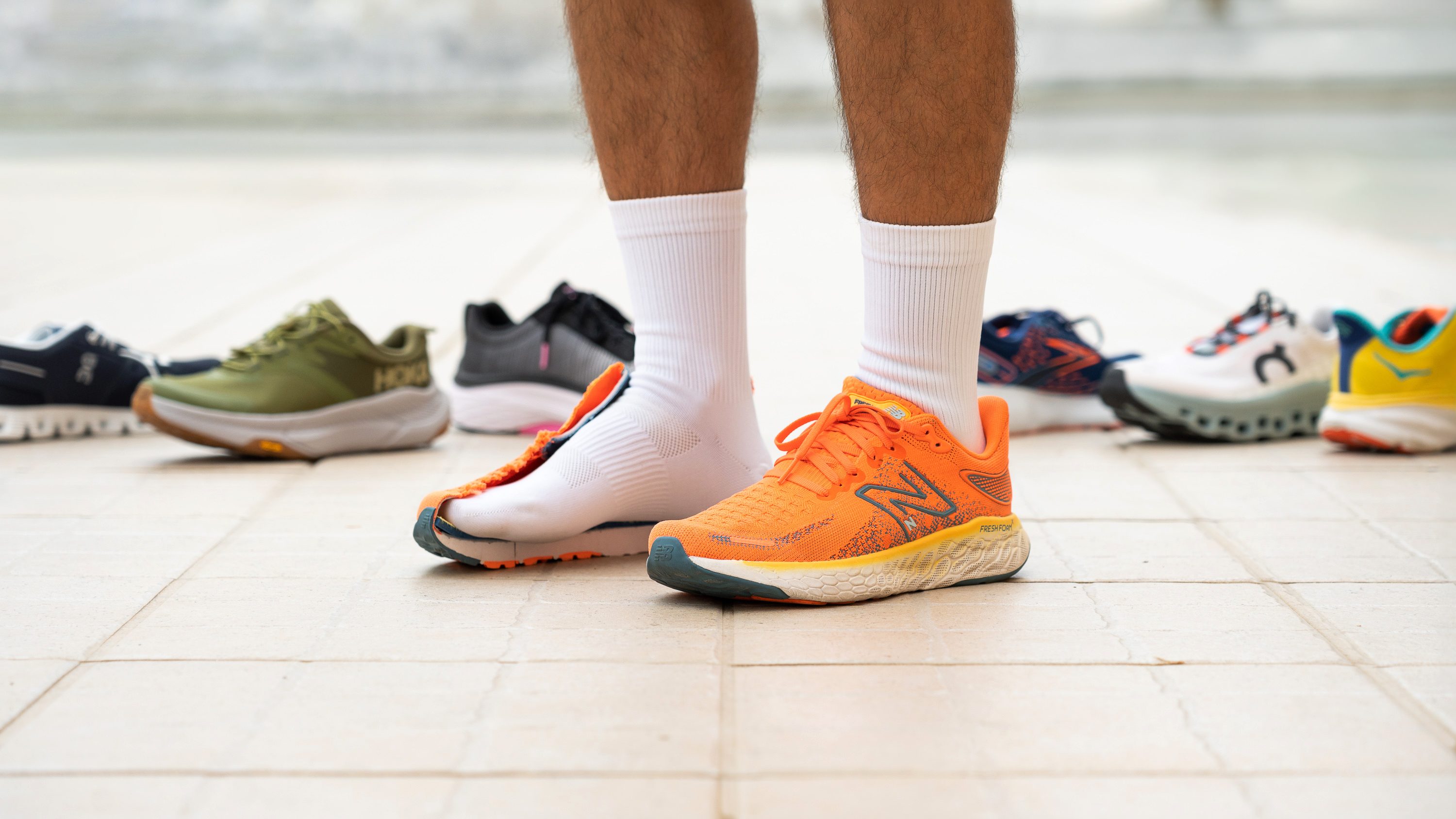
The Aesthetic Evolution: From Gym to Street
There was a time when a comfortable shoe signaled a sartorial surrender. That era is decisively over. The driving force behind the modern walking shoe‘s style revolution is a cultural shift documented by trend analysts from websites like The Business of Fashion and Highsnobiety: the rise of “healthcore” and the normalization of technical apparel in everyday contexts. Designers have responded by integrating performance features with minimalist silhouettes, premium materials like suede and knit uppers, and a refined color palette. Brands like Allbirds, with its merino wool construction, and Cole Haan’s Grand series, which fuses dress shoe aesthetics with athletic technology, exemplify this fusion. The result is a category of footwear that transitions seamlessly from a morning commute to a day at the office, from weekend errands to a casual dinner. This versatility is its own form of practicality. As fashion influencer and author Tan France has often stated on his social platforms, “Style should not come at the expense of comfort. Finding pieces that do both is the key to a functional wardrobe.” The walking shoe has become that cornerstone piece, eliminating the need for a debilitating shoe change at the end of the day and allowing personal style to be expressed without compromise.
Material Innovation: Breathability, Durability, and Sustainability
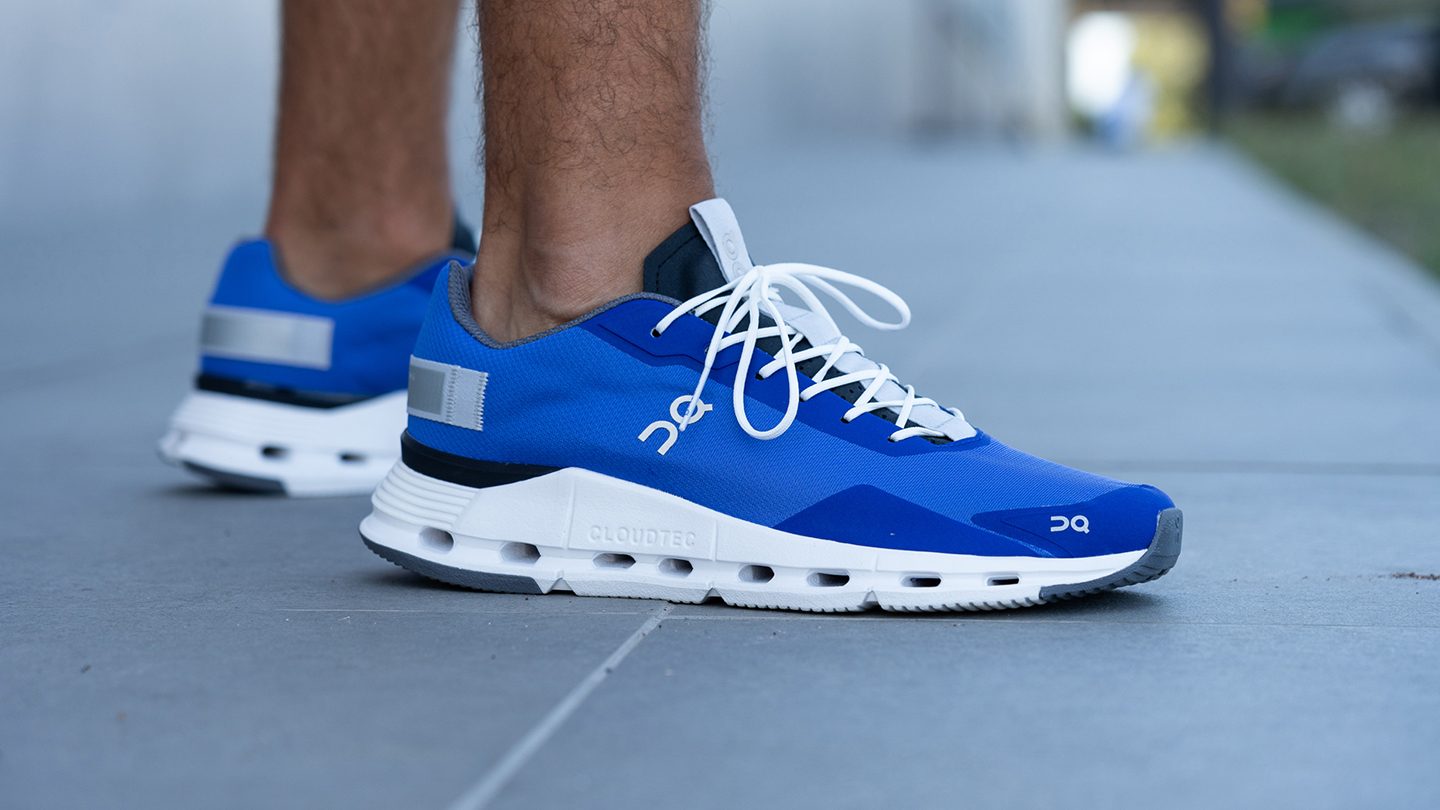
The upper of a shoe is its interface with the world, and here, material innovation plays a starring role. Traditional leather, while durable, can lack breathability. Modern mesh fabrics, often engineered with hexagonal or micro-ventilation patterns, promote constant airflow, keeping feet cool and reducing moisture—a key factor in preventing blisters and fungal infections. Furthermore, advancements in recycled materials are pushing the industry toward sustainability. Many leading brands now incorporate recycled polyester, ocean plastics, and even plant-based materials into their uppers and laces. This shift isn’t just ethical; it often results in lighter, more flexible constructions. A lightweight walking shoe reduces the metabolic cost of walking, a principle supported by research from the University of Colorado Boulder’s Locomotion Laboratory. Less energy expended on lifting your feet means less fatigue over distance. Durability is also enhanced through strategic reinforcement in high-wear areas like the toe box and heel collar, often with thermoplastic polyurethane (TPU) or synthetic overlays. This trifecta—breathability, sustainable sourcing, and lightweight durability—creates a shoe that feels virtually unnoticeable, allowing you to focus on your day, not on your feet.
The Investment: Cost-Per-Wear and Knowing When to Let Go
Viewing a quality walking shoe as an expense is a short-sighted perspective; it is an investment with a calculable return. The concept of “cost-per-wear,” popularized by fashion economists, is perfectly applicable here. A $150 pair of shoes worn nearly every day for a year has a cost-per-wear of about $0.41, a value that plummets over two or three years of use. Contrast this with a $50 pair that causes discomfort, lasts only six months, and potentially contributes to medical bills for foot or back pain. The superior return on investment is clear. However, even the best shoe has a finite lifespan. The American Podiatric Medical Association recommends replacing walking shoes every 300 to 500 miles. Signs of wear are not always obvious on the upper; the critical failure point is the midsole compression. The cushioning foam loses its resiliency long before the outsole is completely bald. A simple test: place your shoes on a flat table and view them from behind. If they tilt inward or outward significantly, their supportive structure is compromised. Continuing to use worn-out shoes is akin to driving a car with misaligned tires—it will get you there, but at a great and hidden cost to the entire system.
:max_bytes(150000):strip_icc()/when-should-i-replace-my-walking-shoes-3436325-0801-7a1840d83573471092e0380f9e230ecc.jpg)
Making the Right Choice: A Guide Beyond the Hype
With countless options, selecting your ideal pair can be daunting. The process should be methodical, not impulsive. First, know your foot type. The classic “wet test” (stepping on a paper bag to see your footprint) can indicate if you have low, neutral, or high arches. Second, shop in the afternoon when your feet are naturally slightly swollen. Always try on shoes with the socks you intend to wear with them. There should be about a thumb’s width of space between your longest toe and the end of the shoe. Walk on a hard surface in the store, not just carpet. Pay attention to any points of pinch or slip; a good shoe feels secure and accommodating from the first step. Don’t be enslaved by brand loyalty—technologies and fits vary widely even within a single brand’s lineup. Seek out retailers with knowledgeable staff or consult reviews from authoritative sources like Runner’s World (which also extensively tests walking shoes) or The Wirecutter. Remember, the most expensive model is not necessarily the best for you. The goal is to find the harmonious intersection of your unique biomechanics, your daily activities, and your personal style.
The pursuit of a walking shoe that delivers both effortless style and all-day comfort is not a trivial consumer quest. It is a recognition that what we put on our feet fundamentally influences our physical health, our mental stamina, and our confident presence in the world. By choosing a shoe built on scientific principles, crafted with innovative materials, and designed with aesthetic intelligence, you are not just buying footwear. You are equipping yourself for the daily marathon of modern life with grace, resilience, and quiet sophistication. The right pair awaits, ready to transform your stride and, by extension, your day.
