

The Ultimate Guide to Toe Walker Shoes for Effortless Chic
Fashion is a dialogue between aesthetics and necessity, a balance of form and function that defines personal style. For a significant community, this balance is intrinsically linked to a specific type of footwear designed not just for trend, but for biomechanical support. This article explores the world of toe walker shoes, moving beyond their clinical origins to position them as a cornerstone of effortless chic. We will dissect their design philosophy, validate their necessity through scientific and anecdotal evidence, and demonstrate how they empower a confident, stylish stride. This is not merely about footwear; it’s about redefining mobility with grace and authority.
Decoding the Biomechanics: What Are Toe Walker Shoes?
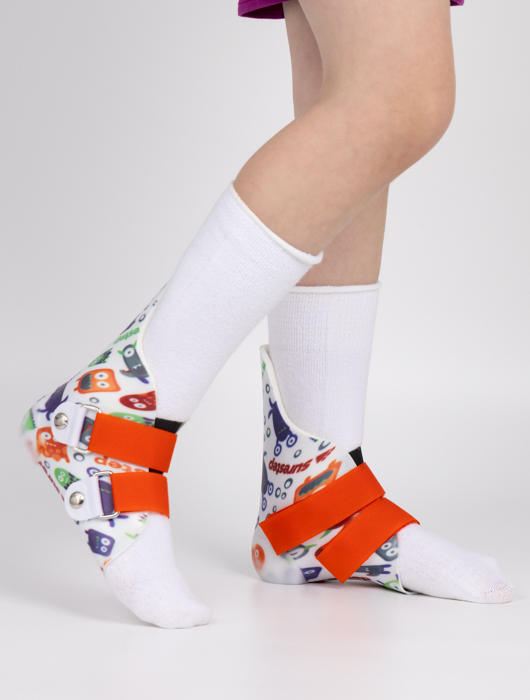
To understand the significance of toe walker shoes, one must first grasp the condition they address. Toe walking, or idiopathic toe walking (ITW), refers to a gait pattern where an individual walks on the balls of their feet with minimal or no contact between the heels and the ground. According to literature from institutions like the Stanford Children’s Health, while common in toddlers, persistent toe walking beyond age three may warrant evaluation as it can lead to shortened Achilles tendons, muscle stiffness, and balance issues. This is where specialized footwear intervenes. Toe walker shoes are engineered orthotic-friendly or therapeutic shoes designed with specific features: a firm heel counter to stabilize the rearfoot, a rigid or semi-rigid sole to resist excessive plantar flexion (pointing the toe downward), and often a rocker-bottom profile to encourage a natural rolling gait from heel to toe. They are not merely stiff shoes; they are biomechanical tools. As noted on platforms like Quora and in parent advocacy groups, the primary goal is to provide sensory feedback and physical resistance, gently cueing the wearer to lower their heel. The science is clear: consistent use within a therapeutic framework can help stretch the calf muscles and retrain the gait pattern, a viewpoint supported by pediatric physical therapists and orthotists worldwide.
The Evolution from Clinical Aid to Style Statement
The historical narrative of therapeutic footwear is one of stark utility, often prioritizing function at the complete expense of form. For years, options were limited, clunky, and visibly medical, which could impact the wearer’s self-esteem, especially children and style-conscious adults. However, the last decade has witnessed a profound shift, driven by consumer demand and innovative design. Brands recognized that dignity and aesthetics are integral to therapeutic adherence and overall well-being. This evolution mirrors a broader trend in adaptive fashion, championed by figures like Sinead Burke and on platforms like YouTube, where influencers with disabilities advocate for inclusive design. Today’s toe walker shoes are masterclasses in subtlety. Designers now integrate therapeutic necessities—such as extra depth to accommodate custom orthotics, as shown in resources from Thrifty Little Mom, and reinforced heel counters—into silhouettes that echo contemporary trends. From sleek sneakers and classic loafers to sturdy boots, the clinical purpose is concealed within cuts, materials, and colors that align with mainstream fashion. This transformation is crucial. It asserts that needing support does not preclude possessing style; in fact, it can define a more intentional and knowledgeable approach to one’s wardrobe.
Key Design Features That Define Chic Support
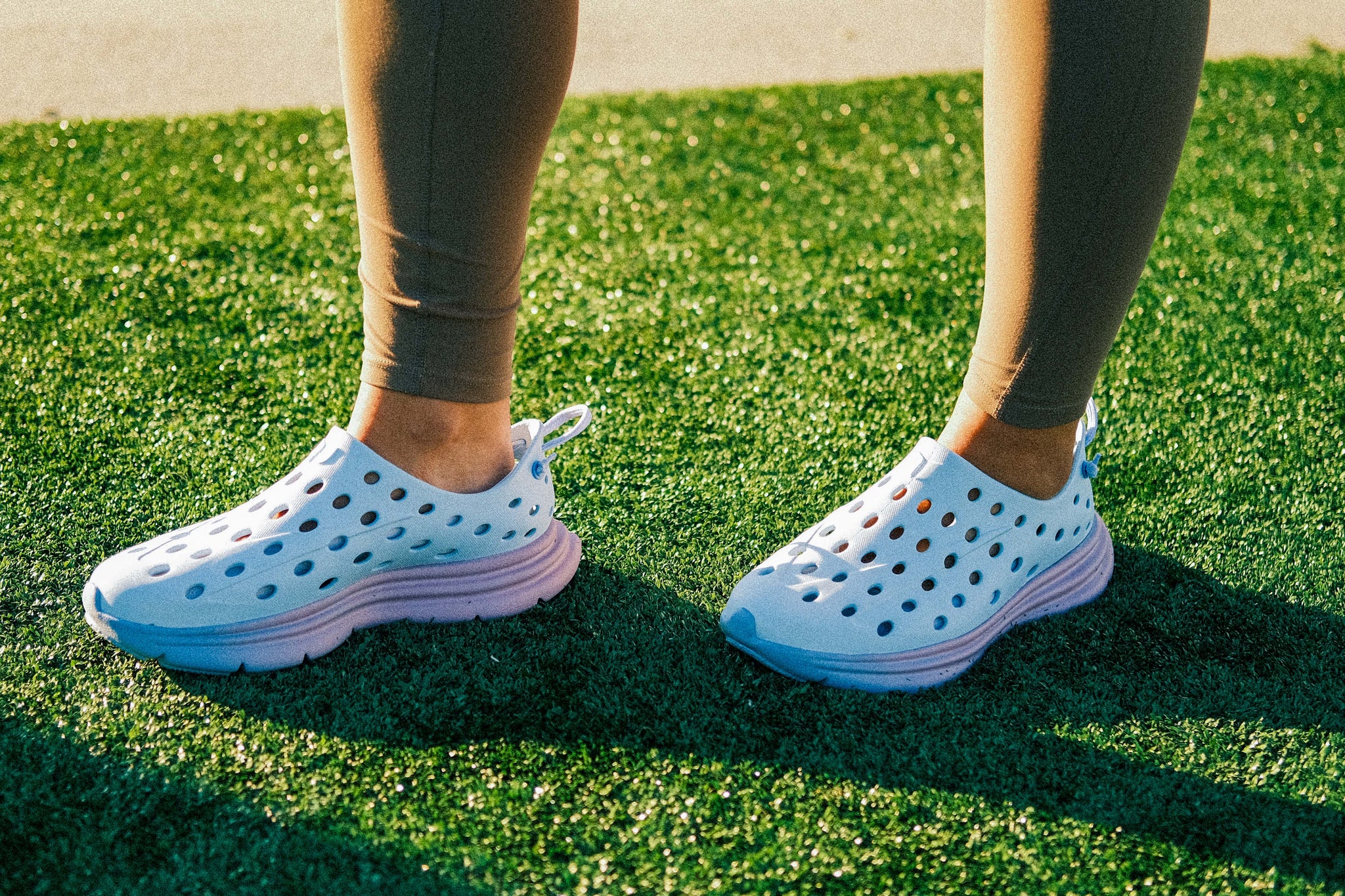
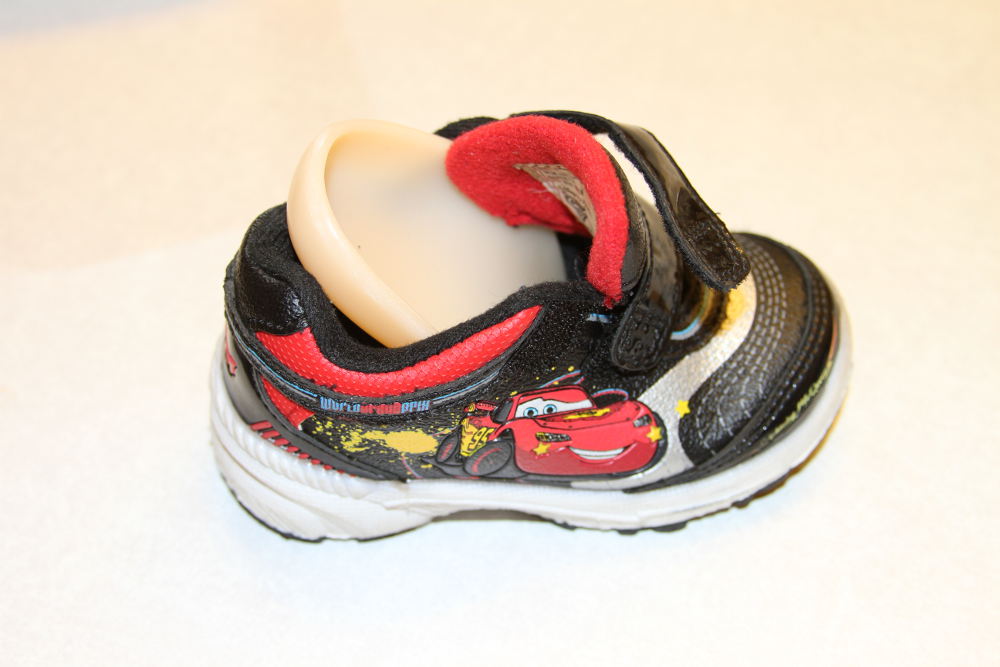
Identifying a truly effective and stylish toe walker shoe requires knowledge of its non-negotiable features. First, the heel counter must be rigid. This is the reinforced back part of the shoe that cups the heel, preventing it from rolling and providing the stability necessary to discourage toe elevation. You can test this by trying to squeeze the back of the shoe; it should offer significant resistance. Second, consider the sole rigidity. A shoe that bends easily along its entire length is counterproductive. It should have a specific break point at the ball of the foot or feature a rocker design that promotes forward momentum without allowing the toe to grip and lift the heel. Third, closure systems are paramount. Laces, multiple straps, or BOA fit systems allow for precise, adjustable tension across the midfoot, securing the orthotic and foot as one unit within the shoe. This is far superior to slip-ons, which cannot provide the necessary lockdown. Finally, internal volume is critical. As highlighted in fitting guides from specialty retailers like WCBL, these shoes must have ample depth and width to house a custom foot orthotic comfortably without cramping the toes. This dimensional generosity is often cleverly disguised through streamlined profiling and premium materials, ensuring the shoe looks trim while performing a complex interior function.
Curating Your Wardrobe: The Principles of Effortless Chic
Effortless chic is a philosophy of dressing that appears simple, coherent, and self-assured. It is the antithesis of being “tried too hard.” For the individual incorporating toe walker shoes into their life, this philosophy becomes a powerful framework. The goal is to build a capsule wardrobe where these specialized shoes are not outliers but foundational pieces. Start with neutral tones: a premium white leather therapeutic sneaker, a black ankle boot with a subtle rocker sole, a tan suede chukka. These versatile anchors can be paired with everything from tailored trousers and denim to midi skirts and dresses. The key is proportionality and silhouette awareness. For instance, a slightly wider-fit therapeutic sneaker pairs impeccably with a straight-leg or wide-leg jean, creating a modern, intentional look. Similarly, a sleek boot can be styled with streamlined pants that fall cleanly over the top. The insight from style authorities, from the timeless advice in films like “Breakfast at Tiffany’s” to the modern minimalism preached by websites like The Minimalist Wardrobe, is consistent: quality over quantity, coherence over chaos. Your shoes, by providing unparalleled comfort and support, become the stable base upon which you build expressive, confident outfits. They cease to be a limitation and transform into the most reliable element of your style identity.
Expert Voices: Validating the Functional Imperative
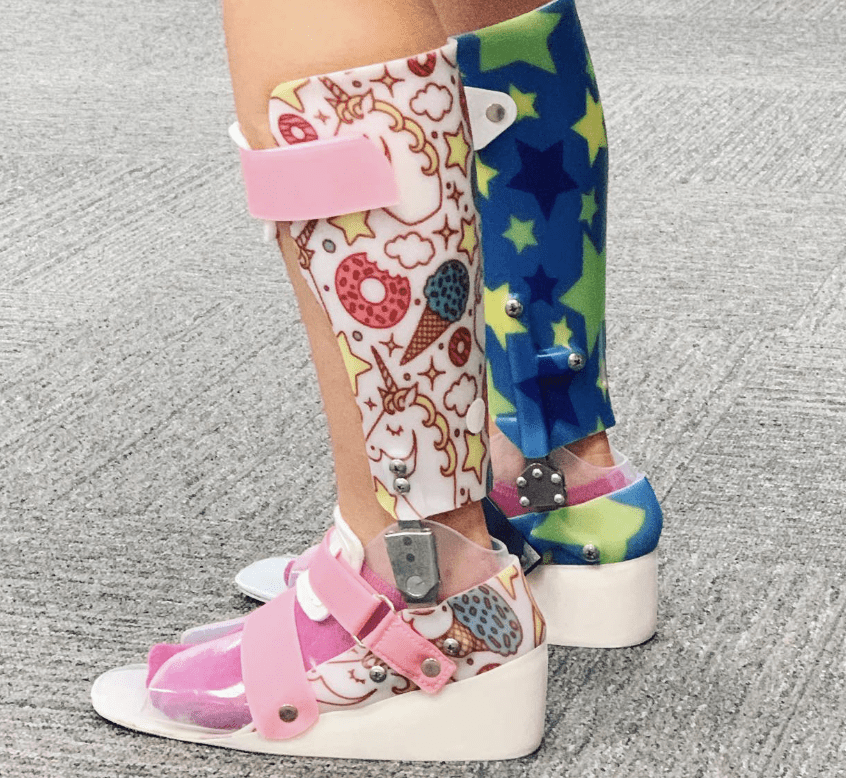
The integration of therapeutic footwear into daily life is not a stylistic whim but a decision often underscored by professional recommendation. The authority behind this is worth examining. On platforms like YouTube, certified pediatric orthotists and physical therapists, such as those from SureStep, frequently publish content explaining the biomechanical rationale for specific shoe features. Their consensus is clear: appropriate footwear is a critical component of a comprehensive management plan for persistent toe walking. Furthermore, academic literature from universities with strong kinesiology and rehabilitation programs often details the outcomes of interventions combining physical therapy with orthotic devices and proper shoes. The testimony of well-known figures in the public eye who navigate mobility challenges also lends powerful credence. While not always speaking specifically about toe walking, celebrities like Selma Blair (discussing MS) or Michael J. Fox (discussing Parkinson’s) have broadly championed the importance of adaptive technology that doesn’t sacrifice personal style. Their public stance, shared on Twitter and in interviews, validates the pursuit of products that uphold both dignity and function. This confluence of clinical authority and lived-experience advocacy forms a compelling evidence base: choosing the right shoe is an act of both self-care and self-expression.
“The right footwear is the interface between therapeutic intent and functional reality. It’s not an accessory to treatment; in many cases, it is the vehicle for delivery.” — Paraphrased consensus from pediatric orthotic clinical notes.
Investing in Your Stride: Value Beyond Price
Discussing footwear of this nature inevitably leads to the question of cost. It is true that specialty toe walker shoes, often incorporating advanced materials and orthotic-friendly construction, can command a higher initial price point than standard department store footwear. However, to view this solely through the lens of expense is to misunderstand the value proposition. The investment is multifaceted. Firstly, there is the health economics perspective: properly supporting the foot can help prevent secondary issues like joint pain, postural problems, and the need for more invasive interventions later, potentially saving significant medical costs. Secondly, the durability factor is pronounced. These shoes are built to withstand the unique stresses of a modified gait, using robust materials in the upper, toe cap, and outsole. Where a fashion sneaker might disintegrate in six months, a well-made therapeutic shoe can last for years, making its cost-per-wear remarkably low. Finally, brands aware of this commitment often facilitate access through direct consumer discounts, seasonal sales, and loyalty programs. The savvy shopper learns to time purchases with these promotional cycles or seeks out authorized retailers who offer package deals with custom orthotics. The ultimate return on investment is a product that delivers daily comfort, supports long-term physical well-being, and looks impeccable doing so—a trifecta that defines true value.
The journey through understanding and selecting toe walker shoes culminates in a powerful realization: what serves the body can also elevate the spirit. These shoes represent a harmonious convergence where biomechanical science informs elegant design, and therapeutic necessity births a unique style signature. They teach us that the foundation of true chic is not just in the cut of a garment, but in the confidence of a supported, pain-free step. By embracing footwear that aligns with your physical needs, you are not making a compromise; you are making a definitive statement. You are choosing to walk through the world with intention, stability, and an understated elegance that comes from within—and is quite literally, grounded from the feet up.
