

The Ultimate Guide to Tennis Shoes for Everyday Walking
You might have noticed a curious trend: people are increasingly choosing tennis shoes for walking as their go-to footwear for daily commutes, errands, and casual strolls. This isn’t merely a fashion statement; it’s a practical choice rooted in biomechanics and design evolution. Once confined to the clay and hard courts, the modern tennis shoe has transcended its sporting origins to become a formidable contender in the realm of everyday comfort. This guide will dissect why a dedicated tennis shoe can be a superior choice for your walking needs, moving beyond surface-level aesthetics to explore the engineering, science, and real-world performance that make them a compelling option. We’ll navigate the key features, debunk myths, and provide you with the knowledge to select a pair that supports your stride, not just your style.
The Anatomy of Support: Why Tennis Shoes Work for Walking
At first glance, a walking shoe and a tennis shoe might seem to serve the same purpose: cushioning your foot against the ground. However, the demands of their respective activities forge critical differences. A dedicated walking shoe is engineered primarily for forward motion—a heel-to-toe gait cycle along a single plane. Tennis, in contrast, is a game of explosive lateral movements, quick stops, starts, and pivots. Consequently, a tennis shoe for walking brings a unique structural advantage: exceptional lateral stability. This is achieved through a reinforced midfoot and a outrigger—a widened base of support on the lateral (outside) edge of the shoe. As Dr. Casey Kerrigan, a renowned biomechanist and former professor at Harvard Medical School, has often highlighted in her research on footwear, stability in footwear is paramount for preventing excessive foot roll and associated joint stress. When you’re walking, especially on uneven urban terrain or for extended periods, this built-in lateral support can prevent the ankle from rolling inward (overpronation) or outward (supination), offering a more secure and stable platform than many traditional walking shoes. Furthermore, the cushioning in tennis shoes is often designed to absorb high-impact forces from jumping and sudden direction changes, which translates to excellent shock absorption for the repetitive heel strikes of walking. The marriage of multi-directional stability and responsive cushioning creates a foundation that actively protects your joints from the cumulative stress of daily steps.
Material Science and Breathability: The Upper Story
Venturing beyond the sole, the upper of a tennis shoe tells another tale of adaptation. Traditional leather tennis shoes, like the iconic Adidas Stan Smith, offered durability but could be stifling. Modern iterations, however, leverage advanced textiles and synthetic meshes. Brands utilize materials like engineered knit, breathable microfiber, and proprietary fabrics (such as Nike’s Flyknit or Adidas’ Primeknit) that provide a sock-like fit, targeted ventilation, and lightweight flexibility. This focus on breathability is crucial for walking. As noted in podiatric literature from institutions like the University of Pittsburgh Medical Center, a cool, dry foot environment is essential for preventing blisters, fungal infections, and general discomfort during prolonged wear. The structured yet flexible upper of a good tennis shoe for walking also offers a more precise and secure fit around the midfoot compared to some softer, more unstructured casual sneakers. This prevents the foot from sliding within the shoe during your stride, enhancing efficiency and reducing friction. The durability of these materials, originally meant to withstand the abrasive drag of court surfaces, means your walking shoes will also resist scuffing and wear from pavement, offering better long-term value.
Debunking the Myth: Are They Too Heavy or Stiff?
A common critique leveled against using tennis shoes for pedestrian purposes is their perceived weight and stiffness. It’s true that a classic, hardcourt tennis shoe designed for maximum durability and ankle support can be heavier than a minimalist running shoe. However, this perspective is outdated. The footwear industry has undergone a weight-reduction revolution. Take, for example, the technological evolution documented by sites like Tennis Warehouse and Runner’s World. Modern “speed” or “lightweight” tennis models, such as those from Asics (Gel-Resolution series) or New Balance (Fresh Foam Lav), incorporate lightweight foams, carbon fiber plates in some premium models, and stripped-down uppers without sacrificing the essential stability features. The stiffness, often in the midfoot shank, is a deliberate design element for torsional stability—preventing the shoe from twisting excessively. For walking, a moderate amount of this torsional rigidity is beneficial. It helps maintain the shoe’s structural integrity and supports the foot’s arch throughout the entire gait cycle, reducing fatigue in the plantar fascia. The key is finding a model that balances this necessary support with sufficient flexibility at the forefoot to allow for a natural toe-off. The notion that all tennis shoes for walking are clunky relics is a myth dispelled by contemporary design, which expertly marries support with agility.

The Professional Endorsement: From Courts to Concrete
One need not look far for authoritative opinions that indirectly support this crossover use. While professional tennis players famously change shoes every match for optimal performance, the design principles are endorsed by experts in biomechanics. Celebrity fitness trainer Harley Pasternak, whose clientele includes Hollywood A-listers, frequently emphasizes the importance of supportive footwear for all daily activities, not just workouts. On platforms like YouTube and in his books, he advocates for shoes that provide a stable base, a principle at the core of tennis shoe design. Furthermore, the American Podiatric Medical Association (APMA) grants its Seal of Acceptance to select footwear that promotes good foot health. Several tennis shoe models from brands like K-Swiss and Brooks (which has tennis lines) have earned this seal, signifying that a panel of podiatrists has found them conducive to foot function and health. This external, medical validation is a powerful testament. It shifts the conversation from subjective comfort to objective podiatric benefit. When a shoe designed for the brutal lateral forces of a tennis match receives a seal for promoting general foot health, it strongly suggests its suitability for the less intense, but more sustained, demands of walking.
“The foundation of any movement begins with your feet. You wouldn’t build a house on a shaky foundation, so why would you carry your body all day in shoes that don’t provide a stable, supportive base? It’s about injury prevention and energy efficiency, whether you’re on a court or walking to the grocery store.” – Perspective echoed by fitness professionals in media.
Making the Right Choice: A Buyer’s Considerations
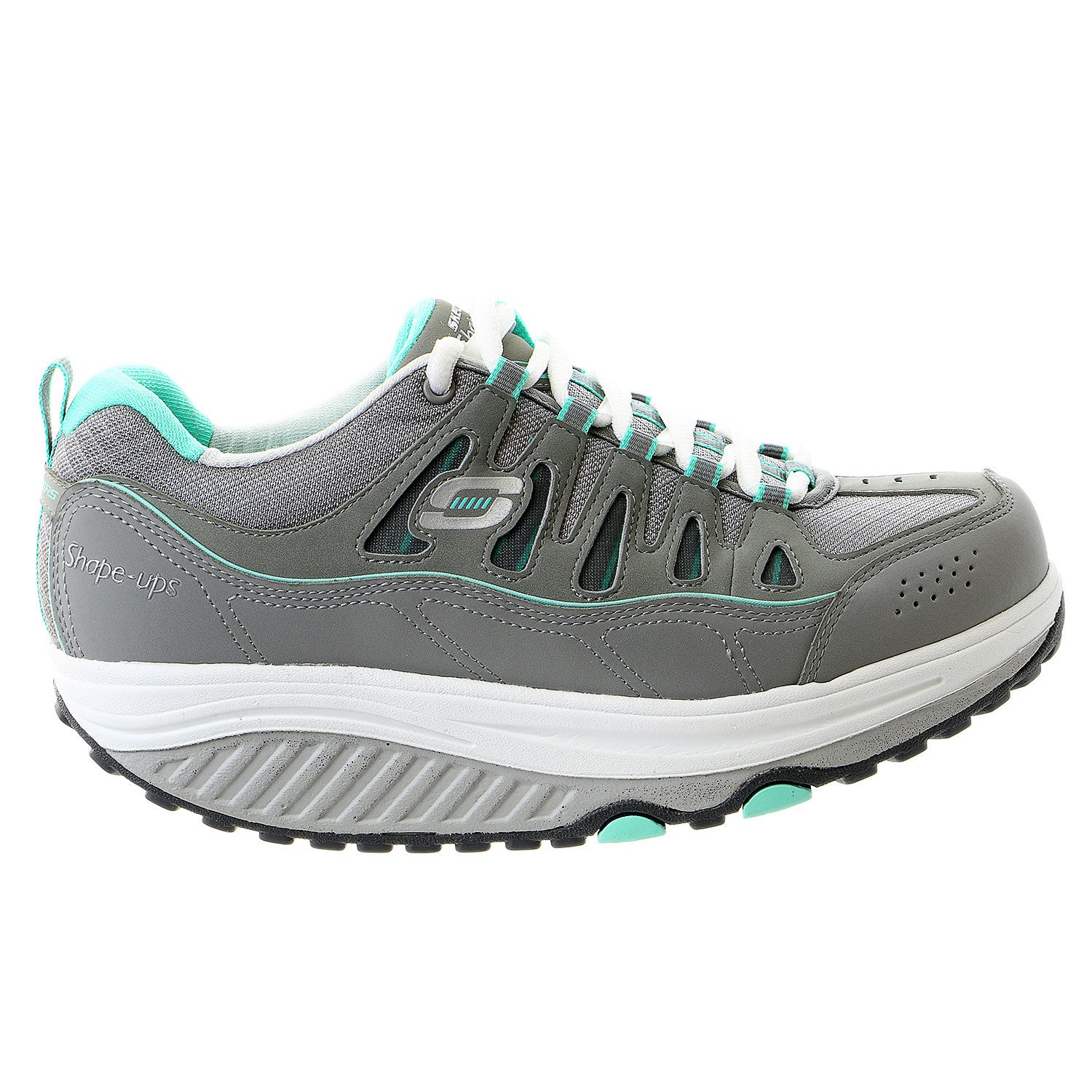
Selecting the ideal tennis shoes for walking requires a shift in priority from pure athletic performance to all-day comfort and durability. First, focus on fit. Your foot will swell during long walks, so try shoes on in the afternoon and ensure about a thumbnail’s space between your longest toe and the shoe’s end. Width is critical; many tennis shoes come in multiple widths to accommodate different foot volumes. Second, examine the outsole. A durable rubber compound with a modified herringbone or multi-directional tread pattern is excellent, as it provides grip on varied surfaces—from pavement to park paths—without being overly aggressive. Third, prioritize cushioning technology. Look for models featuring well-regarded foam systems like Nike’s React, Adidas’ Boost, Asics’ Gel, or New Balance’s Fresh Foam. These materials offer a blend of softness for comfort and resilience for energy return, making each step less taxing. Finally, consider the drop (the height difference between heel and forefoot). While traditional tennis shoes might have a moderate drop (8-12mm), some walkers prefer a lower drop (4-8mm) for a more natural foot strike. Trying on several models is non-negotiable. Remember, the best shoe is the one that disappears on your foot, allowing you to move freely and comfortably for miles.
:max_bytes(150000):strip_icc()/vwt-walking-shoes-test-ryka-devotion-x-sahara-borja-02-18807b688fbb49e4ba30a3ee438600cb.jpeg)
Value Beyond the Price Tag: Longevity and Versatility
Investing in a quality pair of tennis shoes for walking is an exercise in long-term value. Their construction, meant to withstand the abrasive wear of court surfaces, inherently features more robust materials in high-stress areas like the toe drag guard and the outsole. This translates directly to a longer lifespan when used primarily on asphalt and concrete. While the initial price point for a premium model (often ranging from $100 to $160) may seem higher than a basic sneaker, the cost-per-mile can be significantly lower. Furthermore, their versatility is a major asset. A sleek, white leather tennis shoe can seamlessly transition from a morning walk to a casual office setting or a weekend outing, eliminating the need for multiple specialized pairs. To maximize value, keep an eye on sales from major sporting goods retailers and brand outlets, especially during seasonal transitions. Last season’s colorways of top models often see discounts of 30-50%, bringing advanced technology within a more accessible price range. This combination of durability, all-day functionality, and stylish versatility means your purchase supports not just your walks, but your entire active lifestyle.
Your Stride, Reinvented
The journey through the world of tennis shoes for walking reveals a footwear category that has intelligently evolved. It is no longer about repurposing a sports specialist for an unintended task, but about recognizing a convergent design philosophy: the human foot, in motion, benefits from stability, cushioning, breathability, and durability, whether chasing a drop shot or navigating city streets. The evidence from biomechanical research, material innovation, and professional endorsement coalesces into a clear picture. By choosing a well-fitted tennis shoe designed with modern materials, you are not making a compromise; you are equipping your feet with a tool engineered for dynamic, real-world movement. So, the next time you lace up for a walk, consider the humble tennis shoe—it might just offer the perfect fusion of support, comfort, and resilience your daily adventure requires.

