The Perfect Statement Shoe for Every Outfit
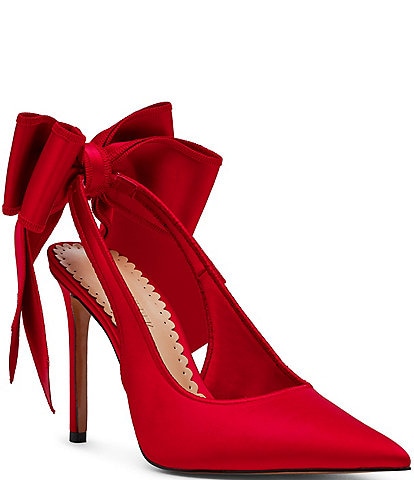
In the architecture of personal style, shoes are not merely an afterthought; they are the foundation, the final punctuation mark that can declare, question, or exclaim. The quest for the perfect shoe is often framed as a search for comfort or versatility, but a more compelling pursuit is the search for the statement. A statement shoe transcends utility. It is a deliberate sartorial choice that communicates identity, mood, and intention before a single word is spoken. It is the piece that can unify an ensemble, elevate the mundane, and inject personality into the uniform. This exploration is not about amassing a closet of fleeting trends, but about understanding the principles that allow a single, powerful pair—like the iconic bow red heels—to become a versatile cornerstone for a multitude of outfits, from the boardroom to the gallery opening.
The Psychology of the Statement Shoe: More Than Just Footwear
The power of a statement shoe is rooted in both cultural anthropology and cognitive psychology. Historically, footwear has been a potent social signifier, denoting status, occupation, and even moral character. From the pattens of medieval Europe to the lotus shoes of Imperial China, shoes have whispered secrets about the wearer. In the modern context, this symbolism has evolved but not diminished. A 2017 study published in the Journal of Consumer Psychology suggested that what we wear, including our shoes, can significantly influence our cognitive processes through “enclothed cognition,” affecting our confidence and approach to tasks. When you choose a shoe that makes a statement, you are not just accessorizing an outfit; you are programming a mindset. A sleek, polished pump can embody authority, while a bold, embellished sandal might channel creative freedom. The bow red heels sit at a fascinating intersection: the red conveys passion, energy, and daring—a color long associated with power and attraction in color theory—while the bow introduces an element of classic femininity, playfulness, and deliberate artifice. This combination creates a narrative of confident sophistication, a woman who is both assertive and graceful. As fashion psychologist Dr. Dawnn Karen notes in her analyses, “The shoes you choose are the grounding force of your outfit; they can either stabilize your look or become the focal point of your fashion story.”
Deconstructing Versatility: The Anatomy of a Wardrobe Workhorse
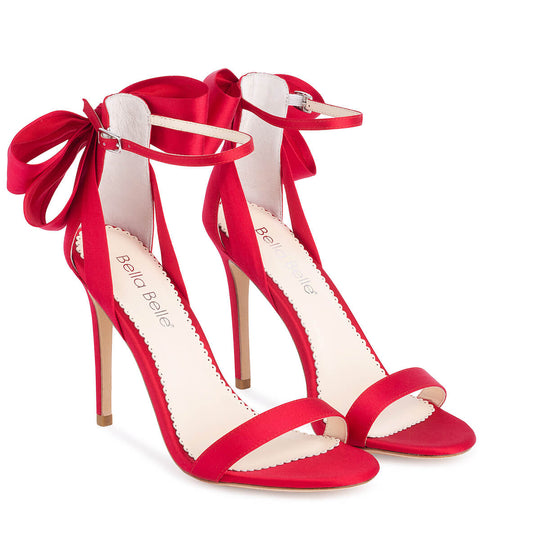
Versatility in footwear is often misconstrued as bland neutrality. True versatility for a statement piece, however, lies in its ability to converse with different elements of your wardrobe, adapting its message to the context. The key is in the shoe’s design DNA. Let’s consider the elements that make our exemplar, the bow red heels, remarkably adaptable. First, the silhouette: a classic pump shape is a timeless form. It has a clean, uninterrupted line that elongates the leg and provides a sleek base. This simplicity in form is its greatest strength, as it doesn’t compete with complex clothing cuts; it complements them. Second, the color: Red is not a neutral in the traditional sense, but it operates as a “power neutral.” It can pair with monochromatic black, white, or navy to create a striking, high-contrast look that is the epitome of polished drama. Conversely, it can engage in more daring dialogues with patterns like leopard print or even complementary colors like emerald green in a calculated clash. Third, the detail: The bow. This is the personable touch, the signature. It prevents the shoe from being merely a red pump and transforms it into an object with character. This detail allows it to bridge categories—it can feel appropriate with a tailored suit due to its classic shape, yet whimsical enough for a romantic dress because of the bow. This interplay of classic form and distinctive detail is what fashion historians like Valerie Steele, director of The Museum at FIT, might describe as a negotiation between convention and individuality, a recurring theme in the evolution of dress.
The Art of Pairing: From Corporate Sharp to Evening Spark
Now, let’s translate theory into practice. How does one pair a potent shoe like the bow red heels across the spectrum of daily life? The principle is one of balance and focal point management. For a corporate environment, where expression is often tempered by protocol, let the shoes be your secret weapon. Pair them with a impeccably tailored, head-to-toe black or charcoal gray pantsuit. The severity of the suit is instantly softened and electrified by the red at your feet. The bow adds a note of meticulous detail that speaks to careful consideration without undermining authority. This look aligns with the philosophy of powerful women like Christine Lagarde or Anna Wintour, who often use a single, vivid accessory to define an otherwise uniform-like ensemble. For a casual-chic daytime look, think of juxtaposition. Try your bow red heels with classic blue denim—a straight-leg or slightly flared jean—and a simple white button-down or a black turtleneck. The inherent casualness of denim grounds the formality of the heels, creating an effortlessly stylish tension. Add a leather blazer to tie the elements together. This approach echoes the style ethos popularized on platforms like Quora and fashion blogs, where “elevated basics” are a constant theme. Finally, for a formal evening, the shoes can either harmonize or command. A little black dress (LBD) is the classic canvas. Here, the bow red heels don’t just accessorize; they become the co-star of the outfit, transforming the LBD from safe to sensational. Alternatively, for a monochromatic red moment, pair them with a burgundy or crimson dress in a different texture—like silk or velvet—to create a sophisticated, tonal look where the bow provides textural interest.
Investment Dressing: The Cost-Per-Wear Calculus
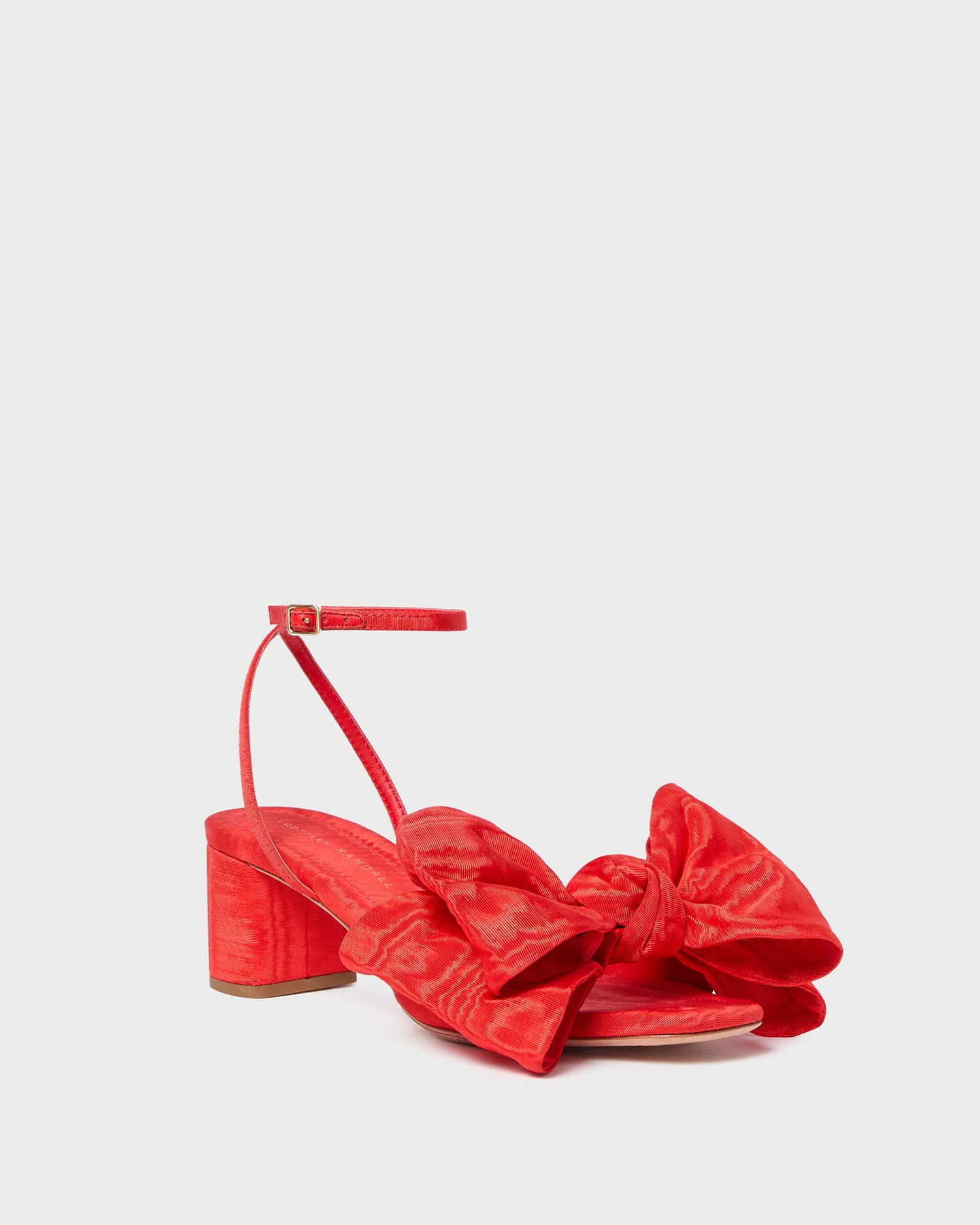
In an era of fast fashion, the concept of investment dressing is both a financial and a sustainable philosophy. A statement shoe of quality is a prime candidate for this approach. The initial outlay for a well-crafted pair of bow red heels—featuring real leather, sturdy construction, and careful detailing—may be higher than a trend-driven alternative. However, the cost-per-wear metric tells a different story. If this single pair can authentically serve a dozen or more distinct outfits across multiple seasons and occasions, its value becomes undeniable. This is a principle championed by style authorities from Vivienne Westwood (“Buy less, choose well, make it last”) to the minimalist aesthetics of Japanese wabi-sabi. Furthermore, quality shoes protect your physical foundation. Podiatric literature from institutions like the University of Pittsburgh Medical Center emphasizes the importance of proper arch support and fit in preventing long-term foot ailments. A cheap, poorly constructed shoe is a false economy, potentially costing more in discomfort and medical bills. Therefore, viewing a purchase like the bow red heels as a wardrobe investment is not merely an aesthetic choice but a holistic one concerning personal economics, sustainability, and well-being. Look for brands that offer craftsmanship, perhaps during seasonal sales or through reputable retailers offering discounts on last season’s colors (while classic red is perpetually in season), to marry quality with value.
Beyond the Bow: Curating Your Own Signature Shoe Collection
While the bow red heels serve as a perfect case study, the principles they embody can guide you in building a capsule collection of statement shoes. The goal is to have a handful of pairs that, together, can architect the style for any conceivable scenario. After securing your red pair, consider these categories: The Architectural Neutral: Perhaps a pair of avant-garde black boots or sculptural nude sandals. These should have a strong, unique silhouette but in a neutral tone, allowing them to pair with bold prints and colors in your clothing. The Textural Marvel: A shoe in a luxurious fabric like velvet, satin, or exotic embroidery. This is your piece for adding tactile depth to simple outfits. The Metallic Moment: A gold or silver shoe, not necessarily for evening only. A metallic loafer or sneaker can illuminate casual wear, a trick often seen on street style stars from Tokyo to Copenhagen. Each of these shoes should pass the “conversation test”: Can it change the narrative of at least three different outfits in your closet? By applying the same analytical framework—silhouette, color, detail, versatility—you move from being a passive consumer to a conscious curator of your image.

The Final Step: Confidence as the Ultimate Accessory
All the analysis, pairing strategies, and investment logic culminate in one indispensable element: the confidence to wear your choice. A statement shoe is an act of sartorial courage. It invites attention and, with it, potential scrutiny. The most critical piece of advice, echoed by style icons from Iris Apfel to Billy Porter, is to own your choice completely. If you step out in those magnificent bow red heels with any hint of apology or uncertainty, the statement crumbles. The shoe must feel like an extension of your self-assurance. Practice wearing them at home. Walk with a posture that honors their design. Remember the words of Coco Chanel: “A woman with good shoes is never ugly.” She wasn’t speaking merely of aesthetics, but of the posture, poise, and attitude that the right shoes inspire. Your footwear is the point of contact between you and the earth; let it be a connection that is both grounded and aspirational.
The perfect statement shoe is not a mythical unicorn. It is a deliberate creation of design that aligns with personal narrative. It is the pair you reach for when you need to feel powerful, playful, or profoundly you. It is the shoe that doesn’t just match your outfit but completes your thought. Whether it begins with a pair of bow red heels or another style that calls to you, the journey is about recognizing footwear as a fundamental tool of self-expression. So, look down. What story are your shoes telling today? Make it a good one.