

The Best Tennis Shoes for All-Day Walking
When the sun rises and the city stirs, or when a trail beckons with the promise of serene vistas, your feet become the foundation of every adventure. The quest for footwear that can transition from bustling urban sidewalks to lengthy museum tours, or even a full day of errands, often leads to a surprising candidate: the modern tennis shoe. No longer confined to the clay or grass courts, today’s tennis shoes for walking are engineered marvels, blending athletic heritage with all-day comfort technology. This isn’t about repurposing a sports-specific tool; it’s about recognizing a category that has evolved to meet the rigorous, multifaceted demands of sustained pedestrian activity. The right pair doesn’t just cushion your step; it aligns your posture, absorbs relentless impact, and becomes a silent partner in your daily journey.
The Unlikely Evolution: From Court to Concrete
The genealogy of the walking-friendly tennis shoe is a fascinating study in adaptive design. Traditional tennis footwear, as documented by sources like Wikipedia, was built for lateral stability, quick sprints, and abrupt stops—movements characteristic of the sport’s play. However, the fundamental principles of cushioning, arch support, and durable outsoles provided a robust blueprint. Over decades, sportswear giants began to integrate insights from podiatry and biomechanics. For instance, the renowned runner and author Christopher McDougall, in his explorations of natural movement, has indirectly highlighted how footwear design influences gait and injury prevention. This cross-pollination of ideas led to models that prioritize heel-to-toe transition—the rolling motion essential for walking—over side-to-side rigidity. Brands started incorporating technologies like gel cushioning systems, initially perfected for running, into tennis silhouettes, creating a hybrid that offers the support of a court shoe with the fluid motion of a walker. This evolution signifies a broader trend in athletic wear: the dissolution of strict category boundaries in pursuit of holistic comfort and performance for the everyday user.
Deconstructing Comfort: The Pillars of All-Day Support
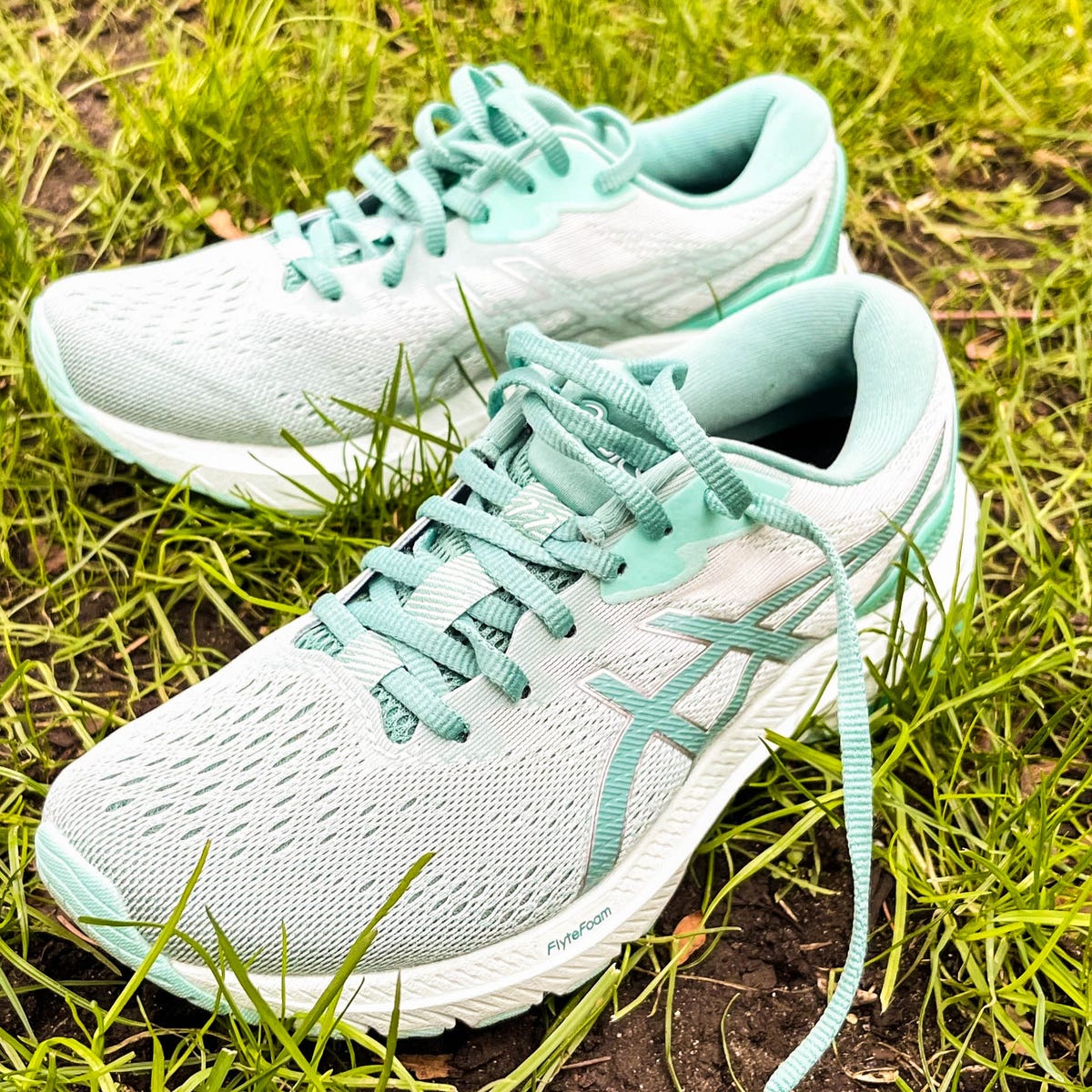
To understand why a specific tennis shoes for walking excels, we must dissect its anatomy through a scientific lens. The first pillar is midsole cushioning. Materials like EVA (ethylene-vinyl acetate) foam, polyurethane, and proprietary gels (such as ASICS’ GEL or Nike’s Air) are not merely soft; they are engineered for energy return and impact dissipation. Research from institutions like the University of Calgary’s Human Performance Laboratory often examines how midsole materials reduce vertical loading rates on joints, a critical factor in preventing fatigue during prolonged standing or walking. The second pillar is arch support and foot containment. Unlike minimalist shoes, a good walking-adapted tennis shoe often features a structured heel counter and a supportive insole or midfoot shank. This design philosophy echoes the principles found in orthopedic literature, which stress the importance of controlling overpronation or supination—excessive inward or outward rolling of the foot—to maintain alignment from the foot to the knee and hip. The third pillar is the outsole and flexibility. A durable rubber outsole with a modified tread pattern provides grip on varied surfaces, while strategic flex grooves allow the shoe to bend naturally at the metatarsal joints. This triumvirate of cushioning, support, and flexible durability transforms a simple shoe into a protective tool for your musculoskeletal system.
Beyond the Hype: Voices of Authority and Experience
Objective validation for using tennis-inspired shoes for walking comes from a chorus of expert voices. On platforms like Quora and specialized running/walking forums, seasoned podiatrists and physical therapists frequently note that for individuals with neutral gaits or mild stability needs, a well-cushioned tennis shoe can be a superior alternative to flimsy fashion sneakers. Celebrity fitness trainers on YouTube, such as Holly Perkins or Jeff Cavaliere, often emphasize shoe specificity but acknowledge that for general conditioning and daily wear, a cross-training shoe with ample support—a category many modern tennis shoes fall into—is a wise choice. Furthermore, authoritative consumer websites like Verywell Fit or Runner’s World regularly include tennis-style trainers in their roundups of best walking shoes, praising their durable construction and all-around performance. As one review from CNET might state, the versatility is key. This consensus isn’t about following a trend; it’s a pragmatic acknowledgment of design convergence where the needs of the everyday walker are being met by technology born on the court.
:max_bytes(150000):strip_icc()/vwt-walking-shoes-test-ryka-devotion-x-sahara-borja-02-18807b688fbb49e4ba30a3ee438600cb.jpeg)
Selecting Your Foundation: A Practical Guide
Navigating the market for the ideal pair requires a shift from passive shopping to active selection. Begin by analyzing your gait. Many specialty running stores offer free gait analysis, a service rooted in biomechanical assessment that can identify whether you need neutral, stability, or motion-control features—terms equally relevant when choosing supportive tennis shoes for walking. Next, prioritize fit over style. Your foot expands throughout the day and during activity; thus, a thumb’s width of space between your longest toe and the shoe’s end is a rule of thumb endorsed by footwear experts. Consider the “ring test”: if you can pinch a bit of material over the instep, the shoe likely has adequate volume. Don’t underestimate the importance of sock choice, either; a moisture-wicking athletic sock complements the shoe’s climate-control features. Finally, test them properly. Walk on a hard, store-provided surface, not just carpet. Pay attention to pressure points, heel slippage, and, most importantly, the sensation of being propelled forward comfortably. The right shoe should feel supportive from the moment you stand, requiring little to no “break-in” period—a myth that often leads to blisters and discomfort.
Investment in Wellness: The Price-Performance Equation
Viewing a premium pair of tennis shoes for walking as merely an accessory is a profound miscalculation; it is an investment in your long-term physical wellness. Consider the economics: a $120-$150 pair of shoes, engineered with advanced polymers and design research, distributing force across 26 bones, 33 joints, and over 100 muscles, tendons, and ligaments with each step. Compare this to the potential cost—financial and personal—of dealing with plantar fasciitis, shin splints, or knee pain exacerbated by inadequate footwear. The value proposition becomes clear. Fortunately, this investment is often accessible. End-of-season sales, online retailer discounts, and outlet stores frequently offer previous models, which contain the same core technologies as the latest releases, at 20-40% reductions. Brands like New Balance, ASICS, and Brooks are known for consistent performance across generations. By being a savvy shopper—monitoring deal websites, subscribing to brand newsletters, and even checking certified refurbished or “like-new” sections—you can acquire top-tier biomechanical tools without straining your budget. The goal is not extravagance, but intelligent allocation of resources toward something that fundamentally supports your daily mobility and health.

The Final Step: Integrating Footwear into Your Movement Philosophy
The journey culminates not with a purchase, but with a conscious integration of this tool into your life. Your chosen tennis shoes for walking are the bedrock of a movement-friendly lifestyle. Pair them with intentional habits: rotate between two pairs to allow the midsole foam to fully rebound, extending the shoe’s functional life. Keep them clean, as ground-in debris can degrade materials. Listen to your body and the shoes; when the cushioning feels compressed or the tread is visibly worn smooth (typically after 300-500 miles of use), it’s time for replacement, even if the upper still looks new. This proactive approach is championed by physical therapists and seasoned athletes alike, who understand that preventative care is the most effective strategy. The perfect shoe empowers you to walk further, stand longer, and explore more freely, turning daily commutes into opportunities for vitality and transforming planned excursions into effortless enjoyment. It is the quiet, reliable constant that allows you to focus on the world around you, not the ground beneath you.
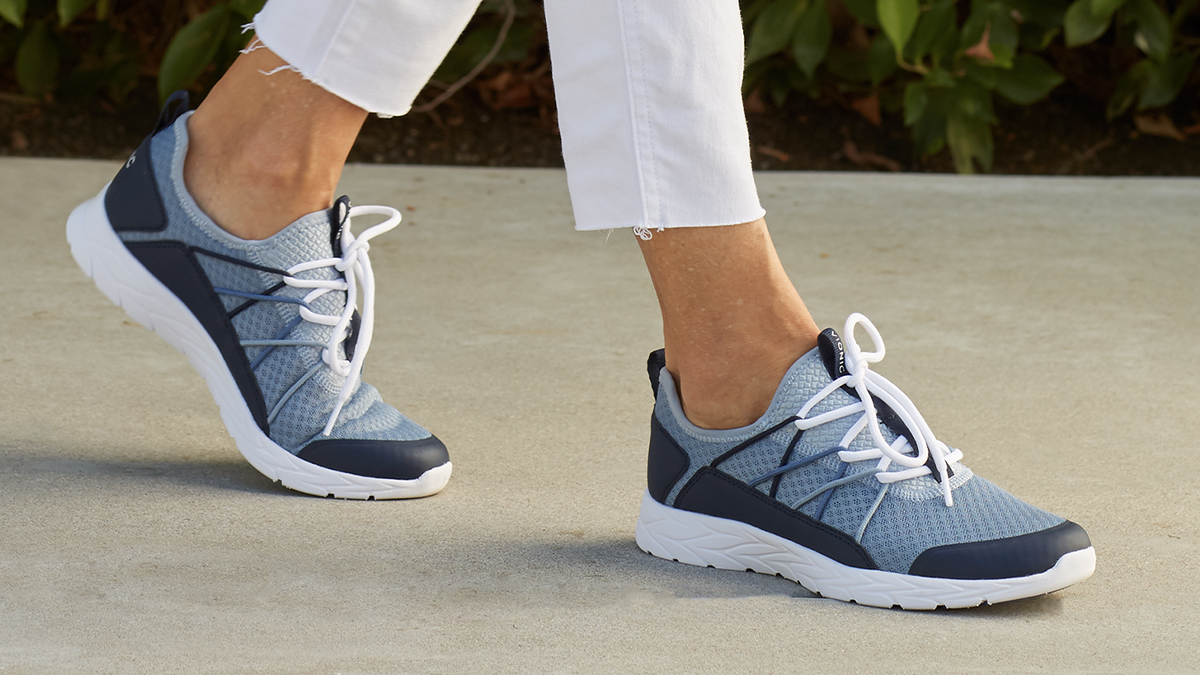
In the landscape of modern footwear, the distinction between a tennis shoe and a dedicated walking shoe has gracefully blurred. What remains paramount is not the label, but the outcome: a harmonious union of foot and foundation that withstands the test of time and terrain. By choosing based on the pillars of scientific design, validated by diverse expert perspectives, and acquired through smart consumer practices, you secure more than just footwear. You secure a partnership for the path ahead, ensuring that every step, from dawn to dusk, is taken with confidence, comfort, and unwavering support.
