

Elevate Your Look with Toe Walker Shoes
In the realm of footwear, a quiet revolution is underway, one that challenges conventional design and redefines both aesthetic appeal and functional support. This movement centers on a specific type of footwear known as toe walker shoes. Far from being a mere niche product, these shoes represent a convergence of biomechanical science, therapeutic innovation, and avant-garde fashion. They are not just for addressing specific gait patterns; they have emerged as a powerful tool for anyone seeking to elevate their posture, enhance their comfort, and make a distinct style statement. The journey into understanding toe walker shoes reveals a fascinating intersection where health-conscious design meets contemporary style, offering a compelling alternative to mainstream footwear that often prioritizes form over fundamental foot mechanics.
The Science of Gait and Footwear Evolution
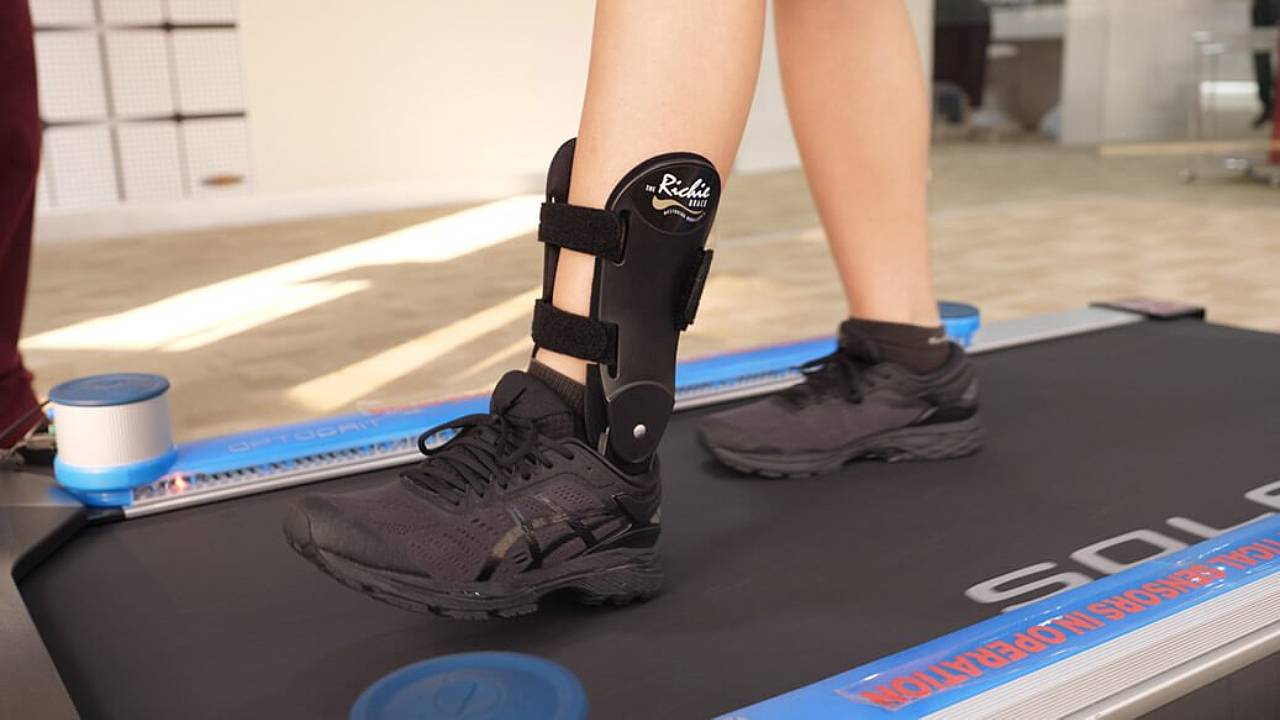
To appreciate the design philosophy behind toe walker shoes, one must first understand the biomechanics of human gait. The typical heel-to-toe walking pattern is a learned behavior, but a significant portion of the population, particularly young children, exhibits a preference for walking on their toes. According to resources like the Stanford Children’s Health literature, idiopathic toe walking (ITW) is a condition where a child walks on their toes without a known medical reason, and it can persist into adulthood. This gait pattern engages different muscle groups and alters the body’s alignment. Traditional shoes, with their elevated and cushioned heels, actively encourage a heel-strike. In contrast, the design of toe walker shoes often incorporates features like a slight toe spring, a flatter heel-to-toe drop, or specialized orthotic components that accommodate or gently correct a toe-walking posture. This isn’t about forcing a change but about providing support where it’s needed. The scientific rationale, echoed in podiatric journals and rehabilitation studies, suggests that proper footwear can influence proprioception (the body’s sense of its position in space) and muscle activation. By offering a shoe that aligns with or therapeutically addresses a toe-walker’s natural inclination, these products can reduce strain on the Achilles tendon and calf muscles, potentially improving overall gait efficiency and comfort. This foundational knowledge transforms the shoe from a simple accessory into a piece of wearable technology designed for harmony with the body’s mechanics.
Beyond Therapy: A Statement in Design and Posture
The narrative surrounding toe walker shoes has dramatically expanded from purely therapeutic applications to the forefront of fashion and wellness. Imagine a shoe that doesn’t fight your body’s posture but elevates it—literally and figuratively. The physical elevation comes from the design that often places the foot in a position that subtly engages the core and encourages a straighter spine. This principle finds resonance in the minimalist or “barefoot” shoe movement, popularized by brands and advocates online. While not identical, both philosophies challenge the heavily structured, high-heeled mainstream. The aesthetic appeal is undeniable. Many contemporary toe walker shoes are sleek, minimalist, and architecturally interesting. They borrow from the clean lines of modern design, offering a look that is both unconventional and sophisticated. Wearing them becomes a conversation starter, a declaration of intent. It says the wearer is informed, values biomechanical integrity, and possesses the confidence to step away from ubiquitous trends. This shift is visible on platforms like Instagram and YouTube, where lifestyle influencers and biohackers discuss footwear not just for style, but for its impact on long-term health. The shoe ceases to be a passive item; it becomes an active participant in cultivating a poised and elevated physical presence. The look achieved is one of intentionality—a conscious alignment of form, function, and personal expression.

Deconstructing the Design: Key Features That Matter
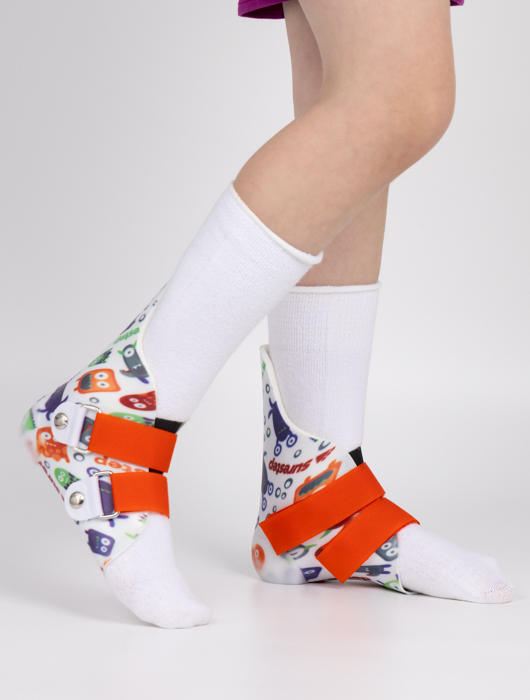
What exactly sets a toe walker shoe apart? It’s a symphony of specific design elements working in concert. First, consider the heel-to-toe drop. Conventional running shoes often have a 10-12mm drop, pitching the heel higher than the forefoot. Many toe walker shoes feature a zero-drop or minimal-drop platform, promoting a more natural foot position and reducing the leverage that encourages heel-striking. Second, the toe box is typically wider and more flexible, allowing the toes to splay naturally upon ground contact, which enhances stability and sensory feedback. Third, attention is paid to arch and ankle support. Some designs, like SureStep’s SMOs (Supramalleolar Orthotics) referenced in pediatric therapy sites, incorporate flexible, supportive elements that guide the foot without rigidly restricting it. Fourth, material flexibility is paramount. The shoe must bend easily at the metatarsal joints, facilitating the toe-off phase of the gait cycle that is so pronounced in toe walkers. Finally, overall weight and construction are optimized. These shoes are often lighter than their traditional counterparts, reducing the energy cost of walking. Each feature is not an arbitrary choice but a response to biomechanical data and therapeutic observation. When you slip on a well-designed pair of toe walker shoes, you are not just wearing footwear; you are engaging with a product built upon layers of research and a deep understanding of human kinetics.
Integrating Knowledge and Value: An Informed Choice
Choosing to adopt toe walker shoes is an exercise in informed consumerism. It requires moving beyond marketing slogans and understanding the “why” behind the product. This is where professional knowledge becomes a gift to the user. Reputable brands and retailers don’t just sell a shoe; they provide education. They explain the principles of gait, the role of proprioception, and the long-term benefits of proper alignment, which can range from reduced knee and back pain to improved balance. This knowledge empowers you to make a choice that aligns with your body’s needs and your style aspirations. Furthermore, this specialized market understands that investment in health should be accessible. While the technology and design involved can command a premium, the value proposition is clear: this is an investment in daily comfort and long-term musculoskeletal health. Many companies offer direct-to-consumer models, seasonal discounts, and informative content that adds immense value beyond the physical product. The act of purchasing transforms into a holistic experience—you gain a superior product, the knowledge to use it effectively, and the satisfaction of obtaining it at a fair, often discounted price that reflects a brand’s commitment to its community, not just its bottom line.

The New Paradigm of Footwear is Here
The emergence and evolution of toe walker shoes signal a broader shift in how we perceive our interaction with everyday objects. They challenge the outdated notion that shoes are merely decorative shells, proposing instead that they are foundational tools for physical well-being. This isn’t a passing trend but part of a growing consciousness around body-aware design. From the scientific explanations rooted in podiatry to the stylish iterations seen on urban streets, these shoes offer a compelling package. They provide the objective, biomechanical support necessary for specific gait patterns while simultaneously delivering a unique and elevated aesthetic that stands apart from conventional fashion. By merging professional insight with accessible value, the world of toe walker shoes invites you to step into a future where what you wear on your feet actively contributes to how you move, feel, and present yourself to the world. The elevation is not just in height, but in perspective, performance, and undeniable style.
