

Your Ultimate Style Statement
Style is not merely about wearing clothes; it is the visual language of our identity, a curated narrative told through fabric, color, and silhouette. In a world saturated with fleeting trends, your ultimate style statement is the antithesis of noise—it is a deliberate, personal manifesto. It transcends the simple act of getting dressed to become an articulation of confidence, history, and intent. This is not about following a rulebook prescribed by distant fashion capitals, but about constructing a visual vocabulary that is uniquely and authentically yours. It is the difference between being seen and being remembered, between wearing an outfit and embodying a perspective. The journey to this sartorial signature is one of self-discovery, where every choice, from the foundational capsule item to the boldest accent, contributes to a cohesive whole. It is where intellect meets aesthetics, and where personal history dialogues with contemporary design to create something entirely new and powerfully individual.
The Architecture of Identity: Beyond Trends
To build a lasting style statement, one must first deconstruct the pervasive myth of the “must-have” trend. As the iconic designer Vivienne Westwood famously advocated, “Buy less, choose well, make it last.” This philosophy, echoed by sustainability movements and slow fashion advocates, shifts the focus from quantity to qualitative, emotional connection. Your wardrobe becomes an archive of pieces that resonate with your personal narrative, not a graveyard of last season’s fads. Scientific research into embodied cognition suggests that the clothes we wear can significantly impact our psychological processes—a phenomenon known as “enclothed cognition.” A study published in the Journal of Experimental Social Psychology found that participants wearing formal lab coats exhibited increased attentiveness compared to those wearing casual wear, simply because of the symbolic meaning they associated with the garment. This underscores that our style choices are not superficial; they are interactive tools that shape our self-perception and performance. Therefore, the architecture of your style should be built on pieces that make you feel empowered, intelligent, and authentic. It is a curated collection where each item serves a purpose, whether functional, emotional, or aesthetic, forming a resilient foundation immune to the erosive cycle of fast fashion.
The Power of the Signature Accent
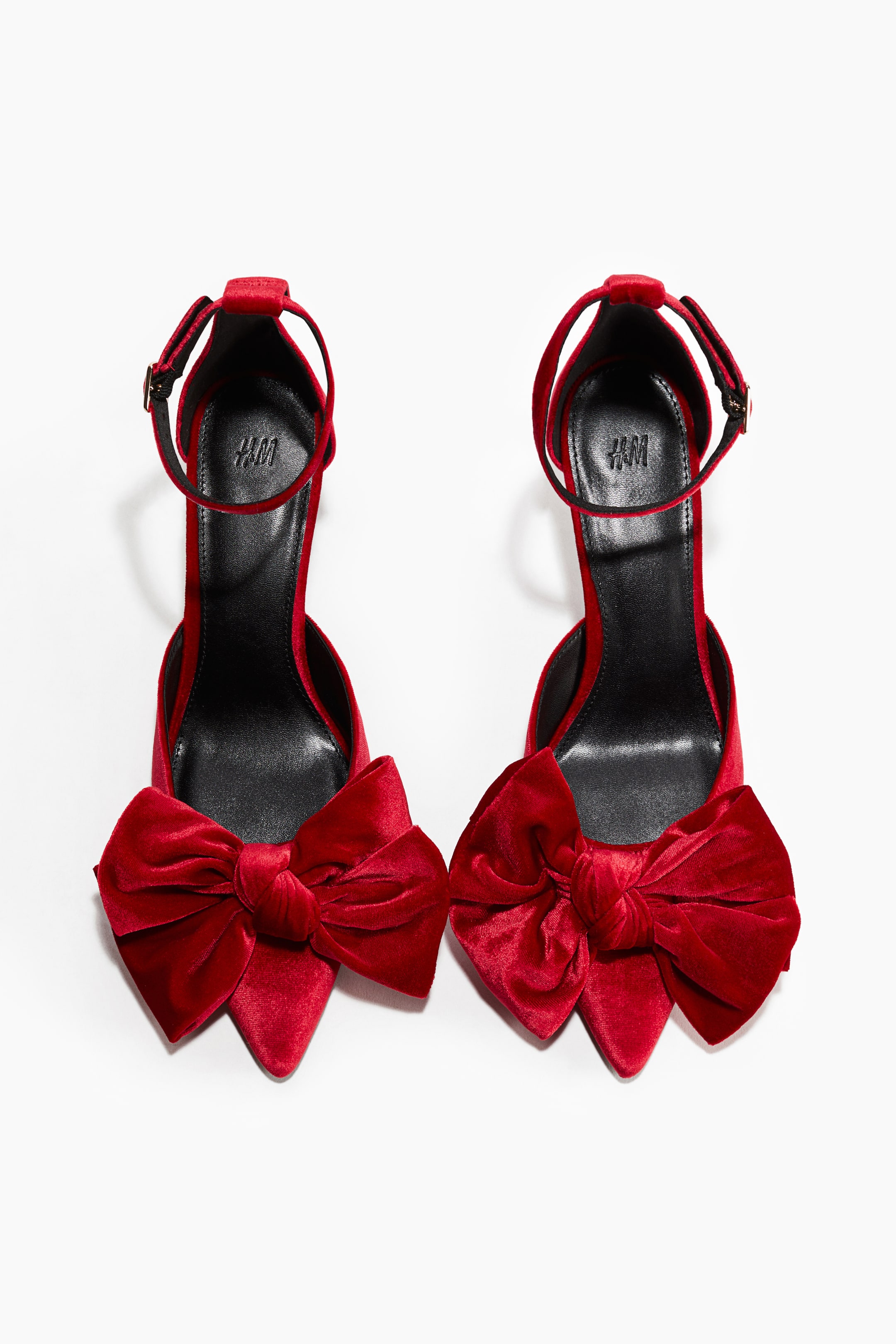
If a foundational wardrobe provides the grammatical structure of your style language, then the signature accent is its most potent punctuation—the exclamation point, the bold italic, the defining metaphor. This is where a single, deliberate piece can transform an ensemble from “well-dressed” to “unforgettable.” Consider the cinematic elegance of Audrey Hepburn’s little black dress in Breakfast at Tiffany’s, or the rebellious uniformity of Steve Jobs’ black turtleneck. These were not just clothes; they were calculated style statements that communicated consistency, focus, and character. In the realm of accessories, few items carry the transformative charge of a pair of bow red heels. This specific choice is far from arbitrary. The color red, as explored in color psychology and historical semiotics, has long been associated with power, passion, danger, and allure. From the red-soled shoes of Christian Louboutin, legally trademarked for their distinctive allure, to the symbolic use of red in art and heraldry, the color commands attention and asserts confidence. The bow, meanwhile, introduces a narrative of delicacy, tradition, and playful femininity—a contrast that creates immediate visual tension and sophistication. A pair of bow red heels is not merely footwear; it is a declaration. It says the wearer understands the language of contrast, values craftsmanship in detail, and is unafraid to occupy space visually and metaphorically. When you integrate such a piece, you are not adding an accessory; you are installing a keystone in the arch of your style identity.
Curating Your Narrative: A First-Person Journey
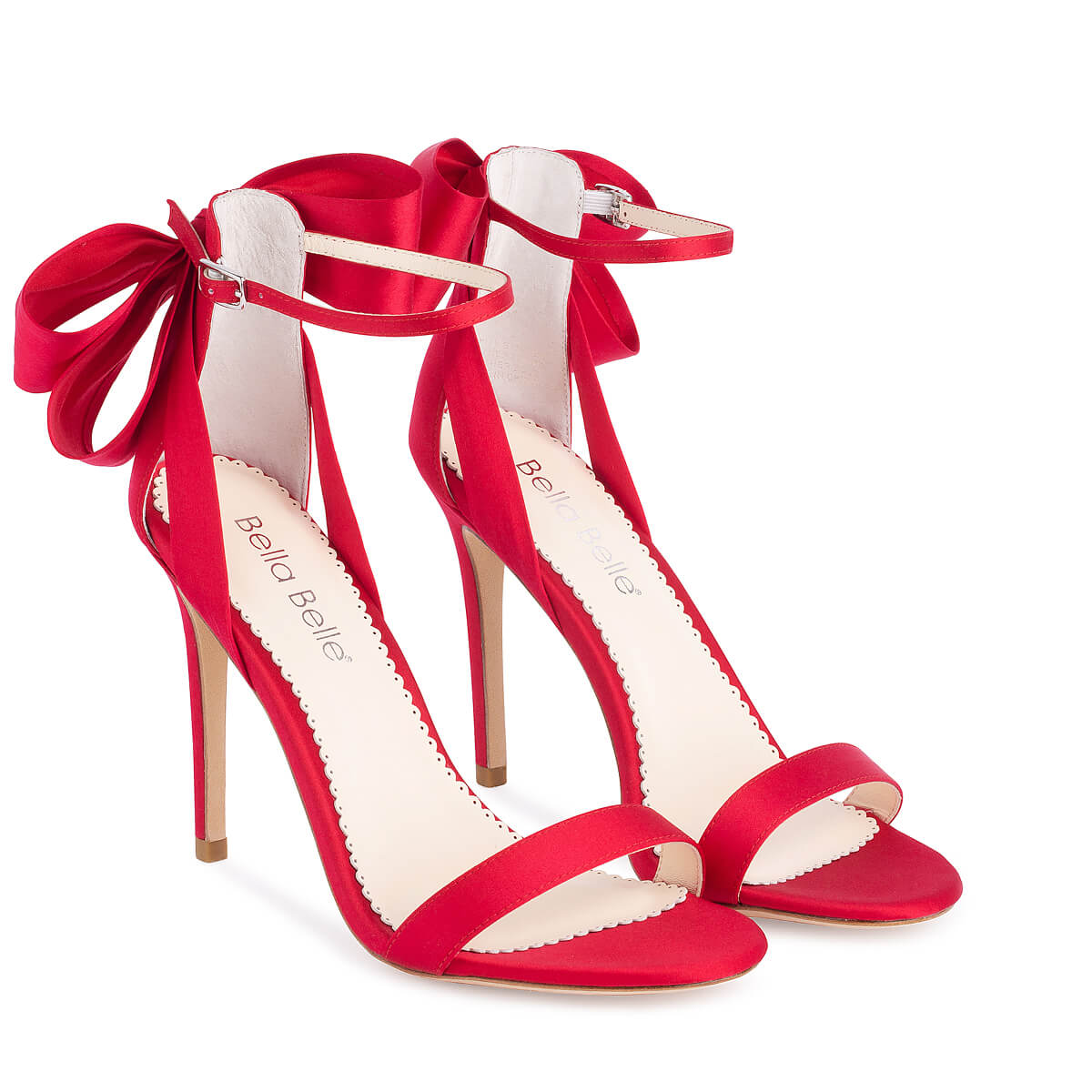
Let me guide you through the practical curation of this statement. Begin in your own closet. Analyze not what you own, but what you love to wear. Which garments make you stand taller? Which fabrics feel like a second skin? This is your core palette. Next, identify the gaps—not the trendy, impulse-driven gaps, but the strategic ones. Perhaps you lack a tailored piece that bridges professional and personal settings, or a textural element like luxurious knitwear. Invest here first. Now, for the accent. This is where your personality shines. For me, the journey led to a specific search for the perfect pair of bow red heels. I researched brands renowned for comfort and craftsmanship, understanding that a true statement piece must be wearable, not just photographable. I read reviews, studied leather quality, and considered the heel height as a balance between poise and practicality. The discovery was more than a purchase; it was an acquisition of a tool for self-expression. Now, whether paired with the stark minimalism of a cream suit or the romantic flow of a black dress, these bow red heels complete the story I wish to tell each day. They are my sartorial signature, a consistent thread in an evolving wardrobe. Your version might be a sculptural necklace, a vintage watch, or a uniquely tailored coat. The key is intentionality—choose an accent that feels like an extension of your self, not a decoration of it.
Objective Foundations: The Science and Symbolism of Our Choices
To dismiss fashion as frivolous is to ignore its deep roots in human psychology, sociology, and even biology. Our style statements are built on objective pillars. Firstly, color psychology is a well-studied field. As noted on platforms like Wikipedia and in academic texts, red is consistently linked to increased heart rate, heightened attention, and perceptions of dominance and attractiveness. Secondly, the concept of uniform dressing, adopted by figures from Einstein to Zuckerberg, is supported by the psychological principle of “decision fatigue.” Reducing trivial choices (like what to wear) conserves mental energy for more critical tasks, a viewpoint frequently cited on productivity forums like Quora and in literature from institutions like Harvard Business Review. Thirdly, quality and sustainability are no longer just ethical choices but intelligent economic ones. The “cost-per-wear” model, advocated by style experts and financial advisors alike, demonstrates that a higher initial investment in a well-made garment often results in lower long-term cost and environmental impact compared to disposable fashion. As environmental scientist Dr. Kate Fletcher articulates in her writings on sustainable fashion, “Quality is a design strategy.” These are not subjective opinions but frameworks that give heft and rationale to our personal style constructions, allowing us to move beyond “I like this” to “I choose this because.”
The Synthesis of Knowledge and Access
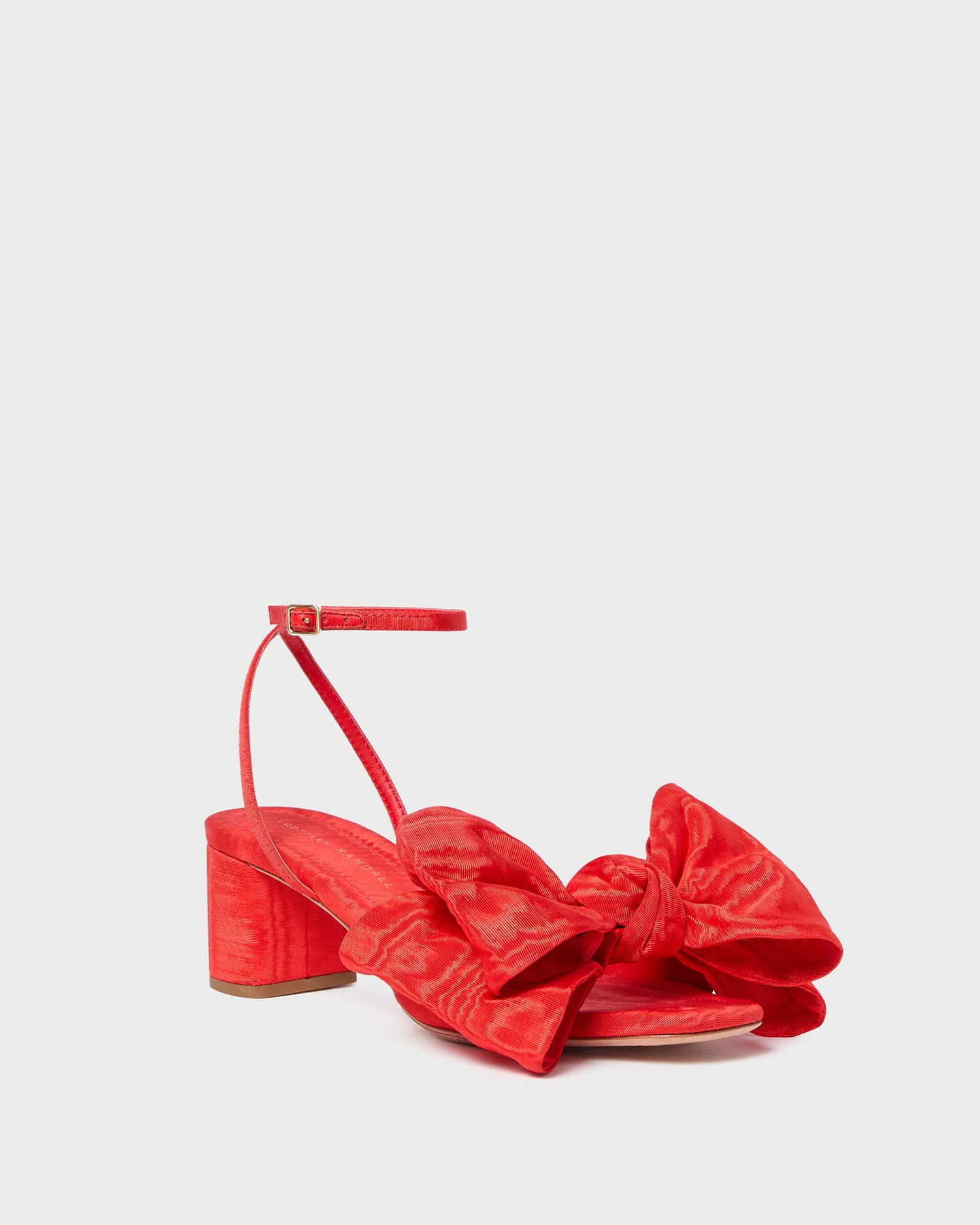
Crafting your ultimate style statement requires both knowledge and access. It is about becoming an informed curator of your own image. This means educating yourself on fabric origins, construction techniques, and brand ethics—knowledge that empowers you to discern true quality. It also means knowing where to find value without compromising on the essence of your statement. The modern landscape offers unprecedented access through curated e-commerce, direct-to-consumer brands that prioritize craftsmanship over marketing markup, and vintage platforms that offer unique historical pieces. For instance, seeking out a timeless piece like a pair of bow red heels might lead you to discover emerging designers on curated marketplaces, end-of-season sales from established luxury houses, or even specialty boutiques offering exclusive collaborations. The goal is to marry the professional knowledge of what makes a piece enduring with the savvy to acquire it intelligently. Your style statement gains authenticity when it is built on discernment, not just disposable income. It becomes a testament to your ability to navigate the world of aesthetics with both passion and prudence, creating a personal gallery of wearables that are as smart an acquisition as they are a beautiful one.
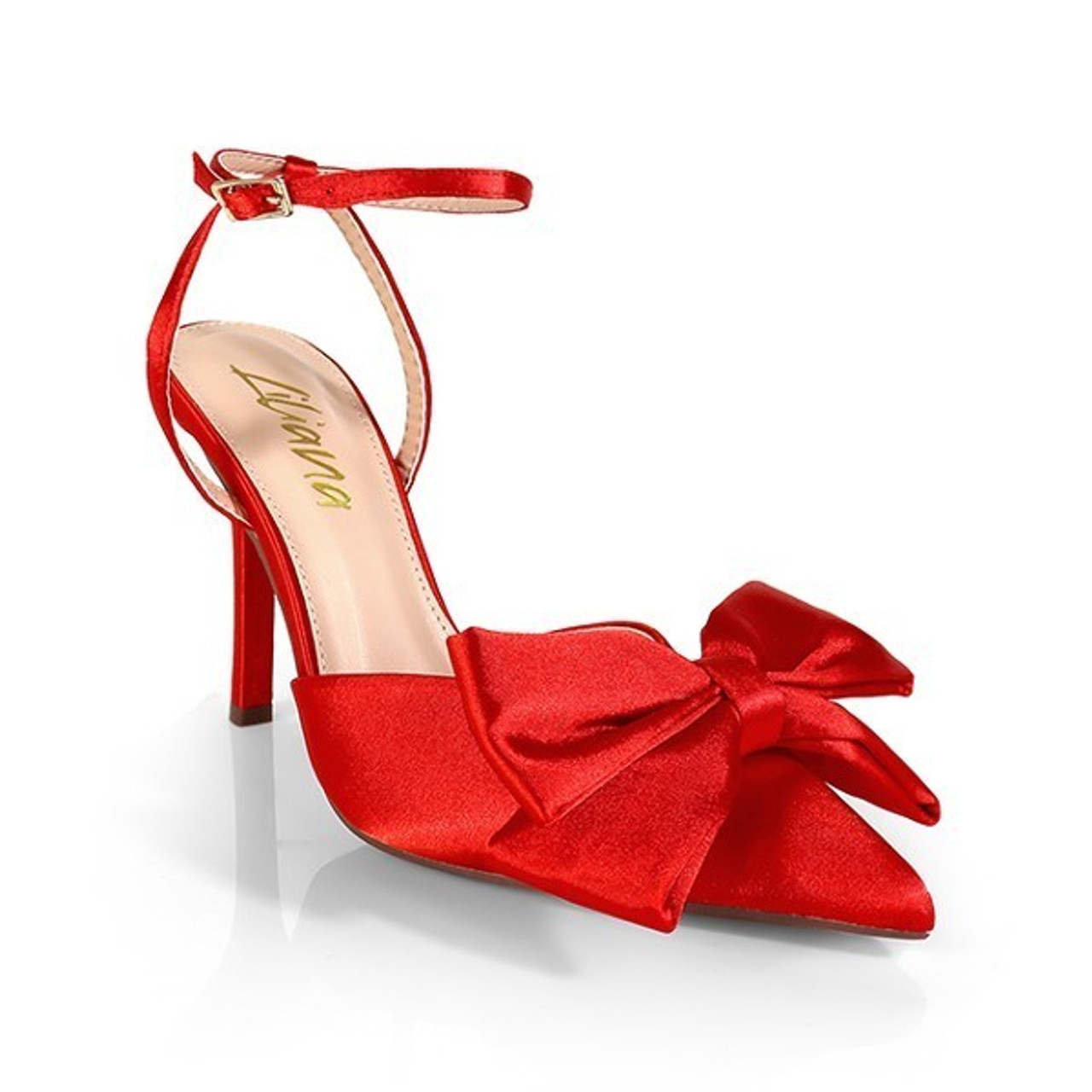
Your ultimate style statement awaits, not at the end of a trend report, but at the intersection of self-knowledge and conscious creation. It is a living project, refined with each choice that aligns closer to your core. It is the confidence of a uniform that works, punctuated by the daring of a signature accent like a pair of bow red heels. It is an intelligent embrace of color and symbol, backed by an understanding of quality and value. This is not fashion as consumption, but style as constitution—a deliberate, evolving, and powerfully personal declaration of who you are and how you choose to move through the world. Begin the curation. The first sentence of your statement is waiting to be written.
