

Your Ultimate Guide to Comfortable and Stylish Footwear
For too long, the worlds of comfort and style in footwear have been presented as mutually exclusive. We are told to choose between aching arches and sleek silhouettes, between supportive soles and fashionable designs. This is a false dichotomy. The modern footwear landscape is rich with options that refuse to compromise, offering engineered comfort without sacrificing an ounce of personal style. This guide dismantles that outdated notion, providing you with the knowledge to select shoes that serve your body and express your identity. We will delve into the science of support, the architecture of style, and the specific features that transform a simple shoe into a foundation for daily vitality.
The Non-Negotiable Foundation: Biomechanics and Foot Health
Before aesthetics can even be considered, we must address the fundamental role footwear plays in our physical well-being. The human foot is a complex marvel of engineering, comprising 26 bones, 33 joints, and over 100 muscles, tendons, and ligaments. According to research from institutions like the American Podiatric Medical Association (APMA), improper footwear can lead to a cascade of issues far beyond foot pain, including knee strain, hip misalignment, and even chronic back problems. The primary function of any shoe, therefore, is to support this intricate structure in its dynamic function. A proper walking shoe acts as an external supplement to the foot’s natural shock-absorption system. It provides a stable platform to prevent overpronation (excessive inward roll) or supination (outward roll), both of which can destabilize your entire gait cycle. The cushioning in a quality walking shoe isn’t just about softness; it’s about energy return and impact dispersion. Materials like ethylene-vinyl acetate (EVA) foam or proprietary compounds like Adidas’s Boost or Brooks’s DNA LOFT are designed to compress under pressure and then spring back, reducing the fatigue on your joints with every step. Ignoring these biomechanical principles in pursuit of fashion is a short-sighted trade-off that your body will inevitably invoice you for, often at a high cost.
Decoding the Anatomy of a Superior Walking Shoe
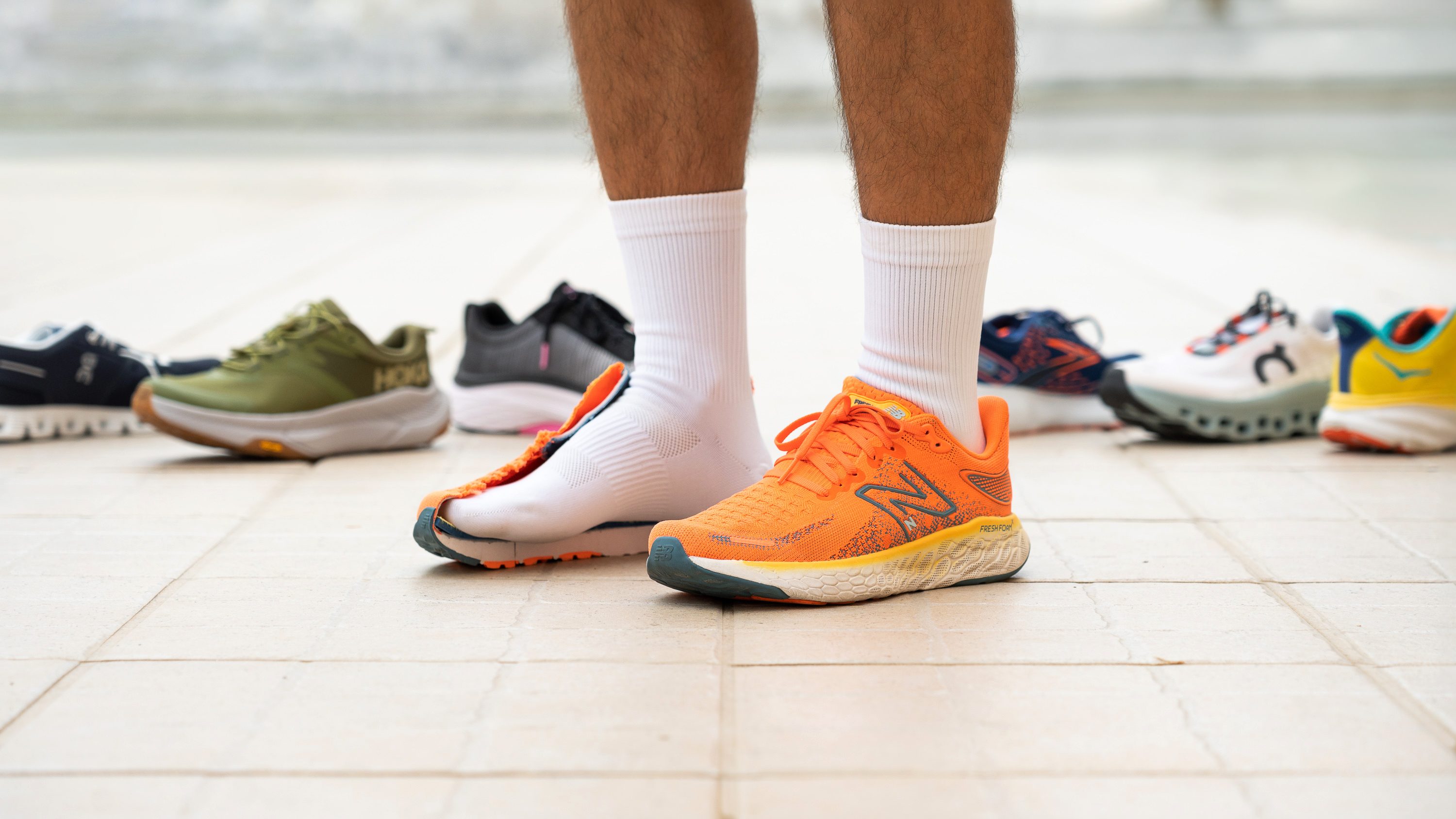
To make an informed choice, you must become fluent in the language of shoe construction. Let’s dissect the key components. The upper is the part that encases your foot. For a versatile walking shoe, look for breathable, flexible materials like engineered mesh or knit fabrics. These allow for airflow, reducing moisture and heat buildup, while providing a adaptive, sock-like fit. The midsole is the heart of the shoe’s comfort technology. This is where advanced cushioning systems reside. For instance, Asics incorporates GEL technology in the forefoot and rearfoot of many models, a silicone-based material that absorbs shock, a concept validated by its use in other industries for vibration damping. The outsole is your connection to the ground. A durable rubber compound with a flexible groove pattern is essential for traction and facilitating the foot’s natural roll-through motion. Finally, the heel counter—the firm cup at the back of the shoe—is critical for stability. A well-built heel counter locks your heel in place, preventing slippage that can lead to blisters and inefficient movement. When these elements work in harmony, the shoe ceases to be a mere accessory and becomes a tool for enhanced mobility.
The Style Synthesis: Where Form Meets Function
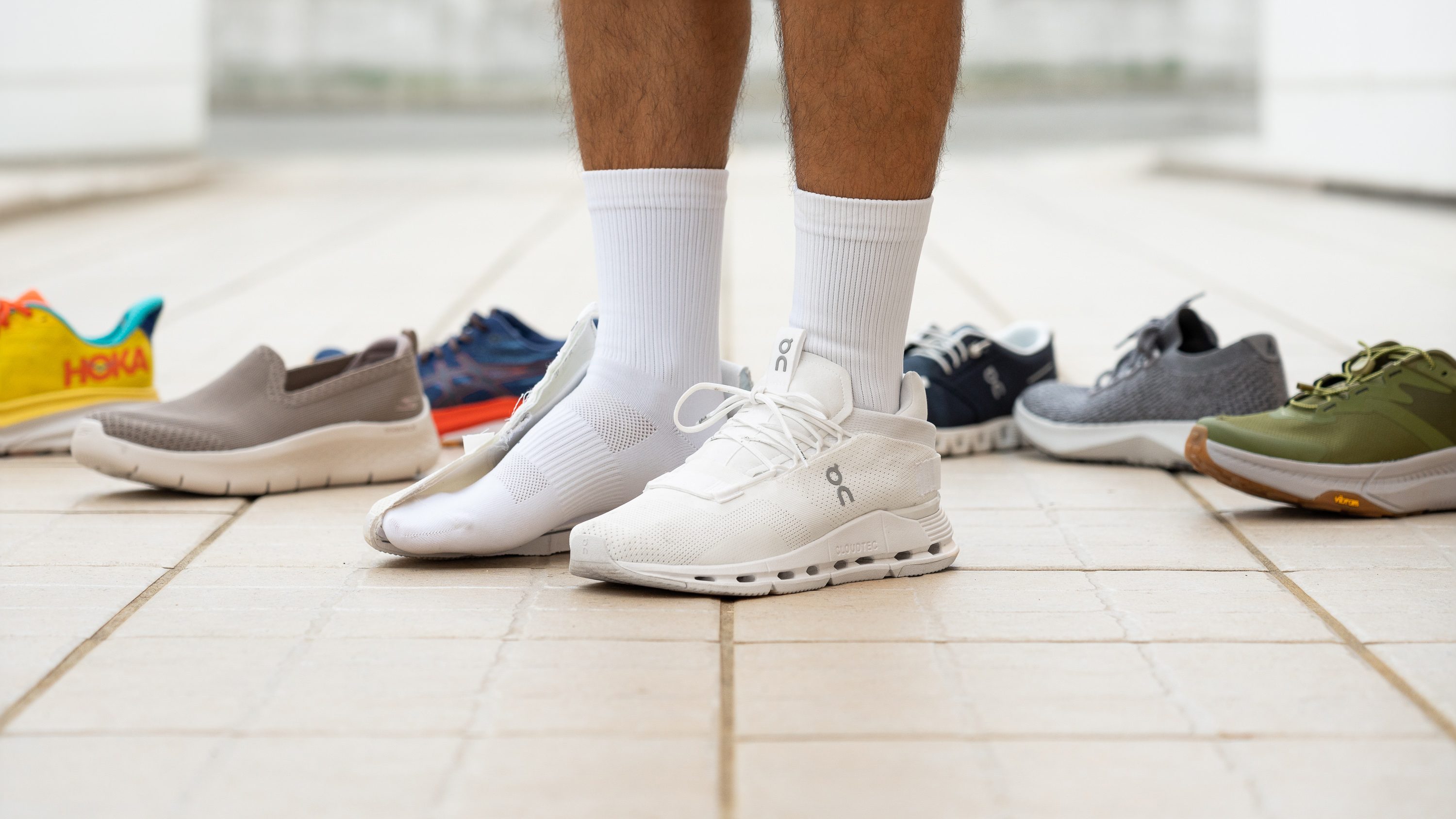
The triumph of modern footwear design lies in its successful synthesis of technical performance with aesthetic appeal. The era of clunky, purely utilitarian shoes is over. Today’s leading brands invest heavily in design teams that understand both biomechanics and contemporary fashion trends. A sleek running-inspired walking shoe can pair effortlessly with tailored trousers or athleisure wear. Brands like Cole Haan have built entire lines around this fusion, offering oxfords and loafers with Grand.ØS technology, featuring lightweight outsoles and cushioning typically found in sneakers. This philosophy echoes the sentiment of renowned designer Tinker Hatfield, the mind behind many iconic Air Jordans, who famously stated, “Design has to work. Art does not.” The best walking shoes are both: they work impeccably for your body and serve as a form of wearable art. Color blocking, textured materials, and minimalist silhouettes allow these shoes to transition from a morning walk to a casual office setting or a weekend outing without missing a beat. The key is to identify designs where the technical features are integrated seamlessly, not advertised garishly, allowing the shoe’s form to communicate its function elegantly.
:max_bytes(150000):strip_icc()/vwt-asics-womens-gel-pulse-16-jinfeng-chen-21-712f0f140e834b84b3a8dcf0bf154771.jpeg)
Personalization and Fit: The Final Frontier
Even the most technologically advanced shoe is worthless if it doesn’t fit your unique foot. Personalization is paramount. This starts with understanding your foot type: neutral arch, low arch (flat feet), or high arch. Many specialty running stores offer gait analysis, which can provide invaluable insight. For low arches, look for shoes with structured support and motion control. For high arches, prioritize ample cushioning and flexibility. Furthermore, your feet swell throughout the day, so it’s advisable to shop for shoes in the afternoon or evening. There should be about a thumb’s width of space between your longest toe and the end of the shoe. Don’t be seduced by a size number; fit is king. As noted by Dr. Jacqueline Sutera, a New York City-based podiatrist, in various health publications, “A shoe that is too tight can cause as many problems as one that is too loose,” including neuromas, bunions, and hammertoes. The right fit feels secure at the heel, with room for your toes to splay naturally, a feature increasingly prioritized in designs with wider toe boxes that mimic the foot’s natural shape.
An Investment in Longevity: Cost Versus Value
It is tempting to view expensive footwear as a luxury, but in the context of health and daily wear, it is more accurately framed as an investment. A high-quality walking shoe, typically ranging from $120 to $160 for premium models, is built with superior materials and construction techniques that extend its lifespan and consistent performance. The cost-per-wear calculation becomes exceedingly favorable. Compare this to a cheaply made $50 shoe that may lose its cushioning after a few months, leading to discomfort and potential injury, necessitating a replacement far sooner. The real value proposition lies in the preventative health benefits and sustained comfort. To access this value smartly, consider shopping during seasonal sales, checking outlet stores for previous models (where the core technology is often identical to the new version), or subscribing to brand newsletters for exclusive discounts. The goal is to bring professional-grade footwear technology to your wardrobe at an accessible price point, recognizing that spending more upfront on the right tool often saves money, and pain, in the long run.
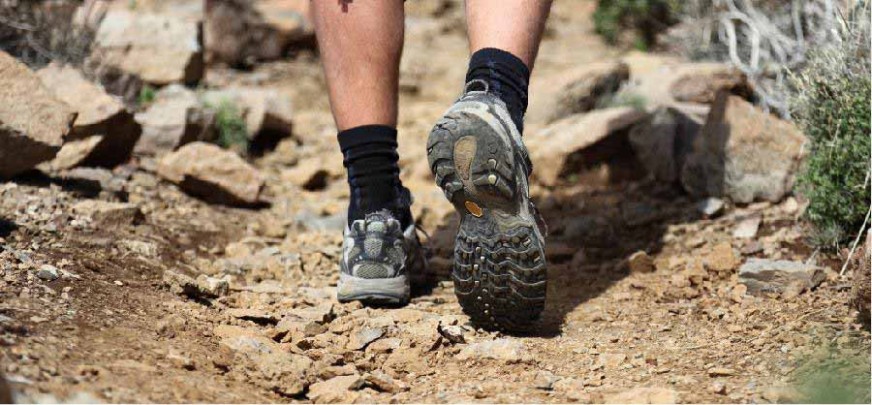
The journey to finding the perfect pair of shoes is a journey of self-knowledge. It requires listening to the needs of your body and aligning them with the expressions of your personal style. By prioritizing biomechanical support, understanding shoe anatomy, embracing the modern style-tech synthesis, and insisting on a perfect fit, you empower yourself to move through the world with confidence, comfort, and undeniable flair. Let your footwear be a testament to the fact that you no longer accept compromise, choosing instead to walk firmly on a foundation that supports every aspect of your journey.
