

Your Ultimate Guide to Chic and Feminine Outfits
Feminine style is not a monolith dictated by fleeting trends; it is a nuanced language of self-expression, weaving together silhouette, texture, color, and detail to project an aura of elegance, grace, and intentional polish. It transcends the mere act of dressing and enters the realm of personal narrative. This guide is crafted to demystify the principles that underpin a consistently chic and feminine wardrobe, moving beyond subjective preference to incorporate insights from design theory, historical context, and the articulated philosophies of style icons. We will explore how to build a foundation that feels both timeless and personally resonant, where every choice, from a foundational piece to a statement accessory like a pair of bow red heels, contributes to a coherent and confident image.
The Architectural Foundation: Silhouette and Proportion
The cornerstone of any impactful outfit lies in its architecture—the interplay between silhouette and proportion. Historically, feminine fashion has often played with the contrast and balance between the shoulders, waist, and hips. Christian Dior’s post-war “New Look” of 1947 famously emphasized a cinched waist and a full skirt, creating an hourglass silhouette that became synonymous with renewed femininity. This principle remains relevant, not through strict adherence to a single shape, but through understanding what balances your unique frame. A well-defined waist, whether achieved through tailoring, strategic color blocking, or a belt, often serves as an anchor for femininity. It provides structure and intention. As fashion historian Valerie Steele notes in her work for The Museum at the Fashion Institute of Technology, “Silhouette is the first and most important element in fashion. It is the outline that defines the relationship between the body and the garment.” This relationship is key. For instance, a flowing, wide-leg pant (a voluminous element) can be grounded with a fitted, tucked-in top (a contained element), creating a modern, elegant balance. The goal is not to restrict but to create a visual harmony that feels both polished and natural, a canvas upon which details are placed.
The Language of Texture and Fabric Drape
If silhouette is the architecture, then texture and drape are the interior finishes—they determine the feel and movement of an outfit. Feminine aesthetics frequently leverage fabrics that interact softly with light and the body’s movement. Think of the whisper of silk, the fluid cascade of chiffon, the delicate knit of fine-gauge cashmere, or the structured elegance of a high-quality wool crepe. These materials possess a inherent grace. The concept of “drape” is a scientific one in textile engineering, referring to a fabric’s ability to hang in graceful folds. Fabrics with excellent drape, like jersey or satin, conform to and flow away from the body in a manner that is inherently flattering and soft. In contrast, stiff fabrics like taffeta or heavy denim create more angular, structured forms. The choice here is a dialogue between structure and softness. A tailored blazer (structured) in a soft bouclé wool (textured softness) perfectly encapsulates this fusion. As designer Diane von Fürstenberg, creator of the iconic wrap dress, famously stated, “I didn’t really know what I wanted to do, but I knew the woman I wanted to be.” Her dresses, relying on the drape of jersey to create a universally flattering silhouette, empower through comfort and ease, proving that femininity can be powerful and effortless. Incorporating varied textures—a lace camisole under a suede jacket, a satin skirt with a chunky knit—adds depth and tactile interest, making an outfit compelling up close.
The Strategic Accent: Color Psychology and Statement Pieces
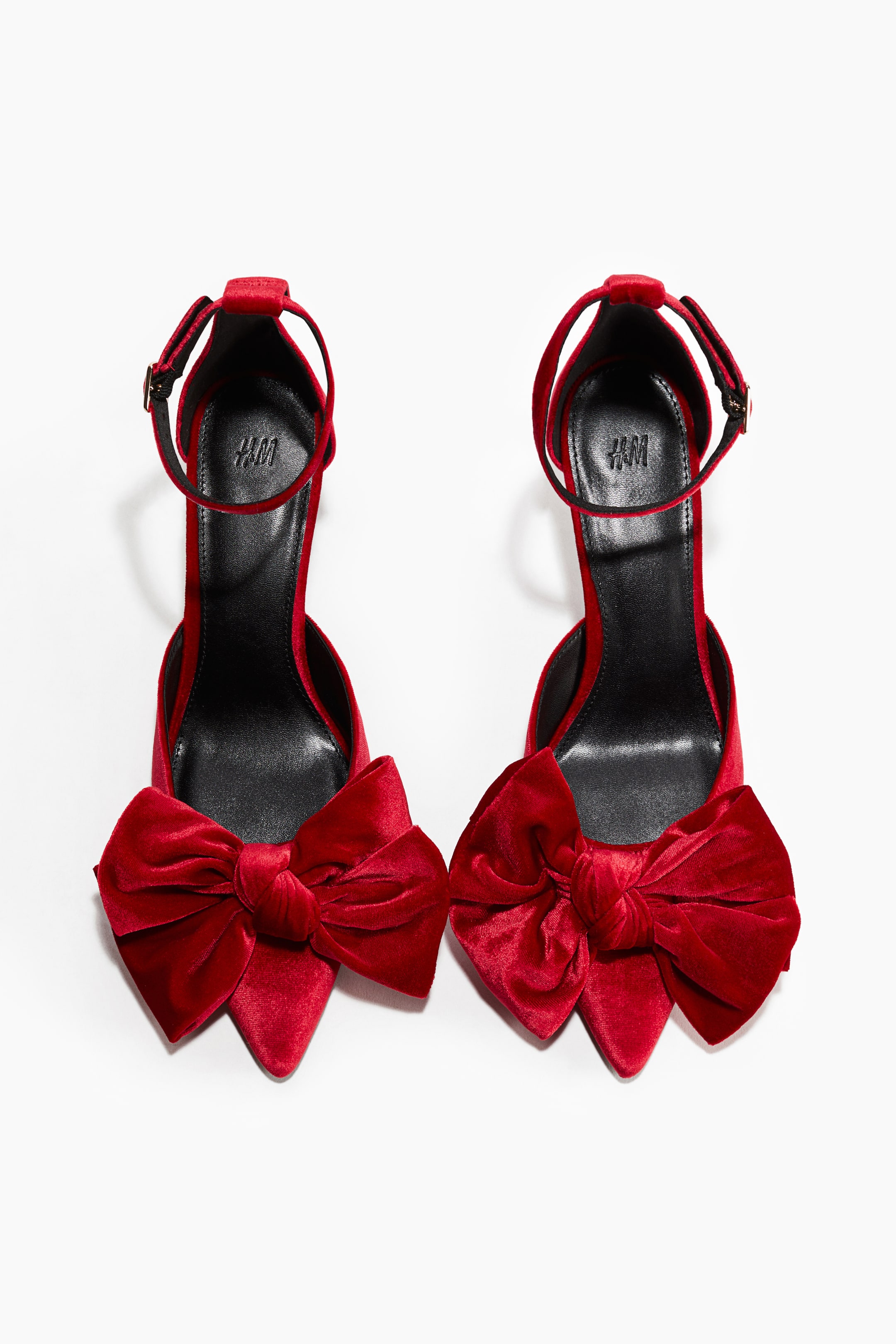
Color operates on both a cultural and psychological level, and its use is pivotal in crafting a feminine narrative. While pastels like blush pink, lavender, and powder blue are traditionally associated with soft femininity, a chic wardrobe understands the power of the entire spectrum. Red, for instance, is a color of immense potency and confidence. Dr. Andrew J. Elliot, a leading researcher in color psychology, has published work in journals like the Journal of Experimental Psychology: General indicating that red is often linked to attraction, status, and attention. It commands a room. Integrating color can be done through a base of neutrals—black, navy, cream, camel—accented with intentional color. This is where the concept of the statement piece shines. A statement piece is a focal point that carries the emotional weight of an outfit. It could be a piece of heirloom jewelry, a beautifully structured handbag, or, most definitively, a pair of exquisite shoes. Imagine an outfit of a simple, impeccably tailored black sheath dress. Its elegance is undeniable but quiet. Now, add a pair of stunning bow red heels. The transformation is immediate. The outfit is no longer just elegant; it is bold, memorable, and tells a story of deliberate choice. The bow red heels are not merely footwear; they are an exclamation point, a symbol of playful confidence and refined detail. This principle is echoed in the cinematic world. In the film The Devil Wears Prada, the transformation of Andy Sachs is punctuated by her changing footwear, culminating in sophisticated, statement-making choices that signal her integration into the fashion world. The right accent piece doesn’t just complement an outfit; it defines its character.
Detailing: The Signature of Personal Style
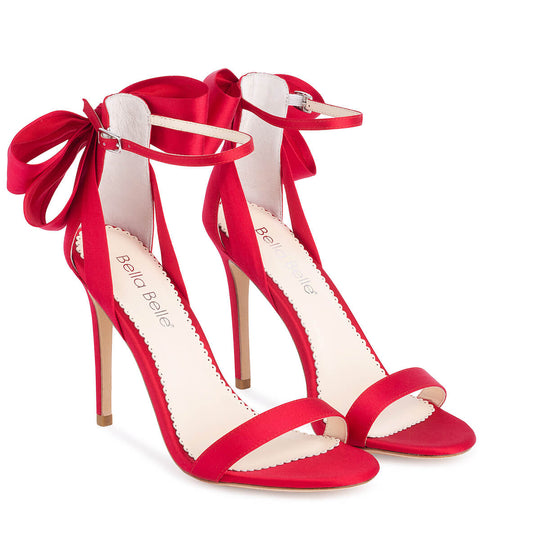
Details are the handwritten notes in the margin of your style manuscript. They are what differentiate a generic outfit from one that is distinctly yours. Feminine detailing often leans towards elements that suggest craftsmanship, delicacy, and a touch of romance. This includes lace insets, ruffles or flounces (when used sparingly), pearl embellishments, intricate embroidery, and, of course, bows. A bow, in particular, is a powerful motif. Historically, bows have been used in dress for centuries, from the elaborate ribbons of the Rococo period to the chic neck ties of the 20th century. They symbolize a gift, a finishing touch, a celebration. A delicate bow on a blouse collar, a grosgrain ribbon belt, or the elegant adornment on a pair of bow red heels introduces an element of considered charm. It’s a detail that says the outfit was completed with thought. However, the key with detailing, as with all elements, is balance. The “maximalism” advocated by brands like Gucci under Alessandro Michele works because it is a conscious, all-encompassing aesthetic. For everyday chic, the “one detail” rule often applies: let one type of detail—whether it’s ruffles, metallics, or animal print—take center stage to avoid visual noise. As Tim Gunn, former co-host of Project Runway, often emphasized, “Edit, edit, edit.” The most sophisticated looks are often those where every detail has a purpose and contributes to a harmonious whole, where even the most vibrant bow red heels feel like an integral part of the composition, not an afterthought.
Curation Over Consumption: Building a Conscious Wardrobe
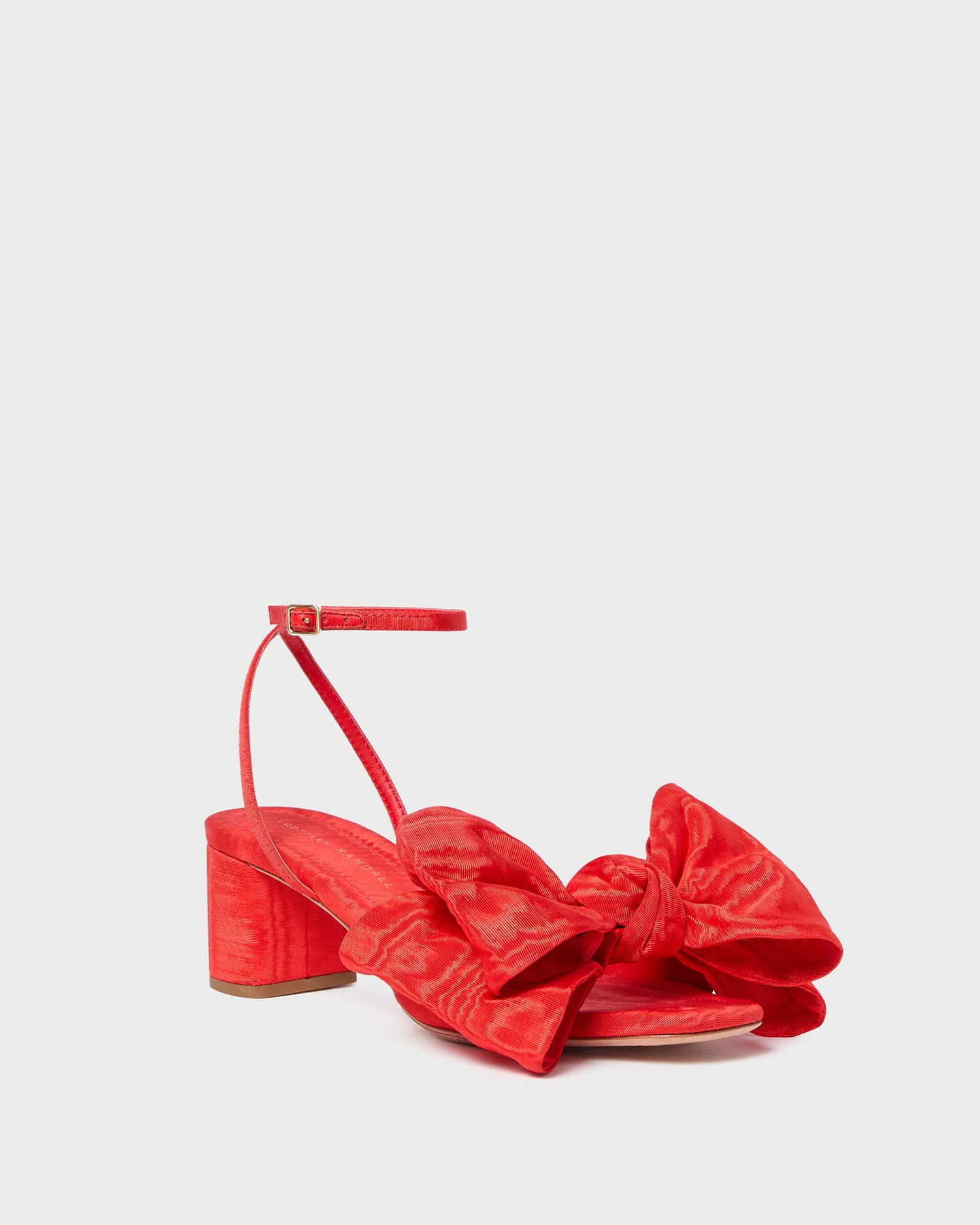
True style sustainability and coherence come from curation, not constant consumption. The modern approach to a feminine wardrobe is deeply intertwined with the principles of mindful acquisition. This means investing in fewer, higher-quality pieces that offer versatility, exceptional fit, and fabric integrity. It’s about shifting the question from “What is new?” to “What works seamlessly with what I already own and love?” This philosophy is championed by platforms like The Wardrobe Consultant and numerous style experts on YouTube, such as Alyssa Beltempo, who focuses on “slow fashion” and shopping one’s own closet. Building a capsule wardrobe around a neutral color palette with strategic pops of color and texture allows for exponential outfit combinations. For example, a classic trench coat, a pair of tailored trousers, a silk blouse, a fine-gauge sweater, and a versatile midi skirt form a core. From this core, you can build looks for nearly any occasion. The statement pieces, like our referenced pair of bow red heels, then serve to elevate these core combinations for special events or days when you want to project extra confidence. This approach is not only economically savvy but also environmentally considerate. It aligns with the growing data from institutions like the Ellen MacArthur Foundation, which highlights the environmental cost of fast fashion. By choosing well-made pieces, you participate in a cycle of quality and longevity. Look for natural fibers, check seam construction, and prioritize brands that offer transparency. When you do purchase, wait for seasonal sales or outlet offerings; many luxury and contemporary brands offer significant discounts on previous season’s colors or styles, allowing you to acquire a coveted item like a designer handbag or those perfect leather boots at a more accessible price point, making investment in your wardrobe’s architecture a smarter, more sustainable endeavor.

The Final Synthesis: Confidence as the Ultimate Accessory
All the principles of silhouette, texture, color, and detail converge on a single, indispensable element: your own confidence. Garments are inert until animated by the person wearing them. The most chic and feminine outfit achieves its full potential only when paired with posture, poise, and self-assurance. This is not a cliché but an observable phenomenon. Social psychology research, such as that explored by Amy Cuddy in her seminal work on “power posing,” suggests that our clothing and posture can influence our own neuroendocrine levels and subsequent feelings of confidence. When you wear an outfit that is harmoniously constructed, that fits you beautifully, and includes a personal signature—be it a favorite fragrance, a piece of jewelry with sentimental value, or those bold bow red heels—you are not just dressed. You are armed with a non-verbal communication tool that signals self-respect and intention. This confidence allows you to wear trends, not be worn by them. It allows a simple outfit to look deliberate and a complex one to look effortless. As the legendary Coco Chanel is often paraphrased, “Fashion fades, only style remains the same.” True style is this enduring imprint of your personality on your presentation. It is the knowledge that femininity is not a single look but a spectrum—from the powerful elegance of a pantsuit to the romantic flow of a dress—and you have the tools to navigate it with authority. Your wardrobe becomes a curated collection of possibilities, each piece a word in your visual vocabulary, ready to be composed into sentences that tell your story, day after day.
