The Walking Shoe: Your Ultimate Guide to Comfort and Style
Forget the notion that comfort and style are mutually exclusive. The modern walking shoe stands as a testament to human ingenuity, merging biomechanical science with aesthetic design to create footwear that supports not just our steps, but our entire lifestyle. This isn’t about settling for bulky, purely functional sneakers or sacrificing support for a sleek silhouette. It’s about understanding that the right shoe can transform walking from a mundane necessity into a daily pleasure, a form of self-care, and even a style statement. We are in an era where footwear technology has advanced to a point where every curve, material, and cushioning system serves a purpose, informed by decades of podiatric research and athletic development. The journey to finding your perfect pair is an exploration of personal needs, environmental demands, and, yes, personal taste. Let’s delve into what makes a great walking shoe, cutting through marketing jargon to focus on the objective science of comfort and the evolving philosophy of style.
The Foundation: Unpacking the Science of Comfort
Comfort in a walking shoe is not a vague feeling; it’s a measurable outcome of specific engineering principles. At its core, it revolves around three pillars: cushioning, stability, and fit. Cushioning, often provided by materials like EVA foam, polyurethane, or proprietary gels (like ASICS’ GEL technology), is designed to absorb the shock of heel strike—a force that can be up to three times your body weight with each step. According to research from the Spaulding National Running Center, affiliated with Harvard Medical School, proper cushioning reduces the loading rate on joints, potentially mitigating long-term wear and tear. Stability, on the other hand, addresses pronation—the natural inward roll of the foot after heel strike. While some pronation is normal, excessive motion can lead to inefficiency and injury. Stability features, such as medial posts or dual-density midsoles, guide the foot into a more neutral path. Finally, fit is paramount. The American Podiatric Medical Association emphasizes that a shoe should have about a thumb’s width of space between your longest toe and the shoe’s end, with a secure but not restrictive hold around the midfoot and heel. A 2018 study published in the Journal of Foot and Ankle Research found that improperly fitted footwear was a significant contributor to foot pain and deformities in adults. Therefore, a true walking shoe is a holistic system, where advanced materials and structural design work in concert to protect and propel the body.
:max_bytes(150000):strip_icc()/when-should-i-replace-my-walking-shoes-3436325-0801-7a1840d83573471092e0380f9e230ecc.jpg)
From Trail to Pavement: Contextualizing Your Shoe’s Purpose
The environment dictates design. A shoe built for ambling on city sidewalks faces different challenges than one meant for a rugged forest path. For urban walking, where surfaces are consistent but hard, the priority is high-impact cushioning and flexibility to facilitate the heel-to-toe rolling motion. The outsole rubber is often designed for durability on asphalt and concrete. In contrast, a trail walking shoe must prioritize grip, protection, and stability. The outsole will feature aggressive, multi-directional lugs (like those on Vibram soles) to dig into loose dirt and prevent slips on wet rocks. There’s often a rock plate—a thin, rigid layer in the midsole—to shield your foot from sharp protrusions. Furthermore, the upper might use reinforced, water-resistant materials. As noted by outdoor equipment experts on platforms like REI’s blog, using a road shoe on a technical trail increases the risk of ankle rolls and foot fatigue, while a bulky trail shoe on pavement feels unnecessarily stiff and clumsy. This specialization echoes a principle from evolutionary biology: form follows function. Your choice should be a conscious match to your most frequent terrain, ensuring the shoe’s engineered features are actually being utilized for their intended purpose, thereby maximizing both safety and comfort.
The Style Evolution: When Performance Meets Aesthetics
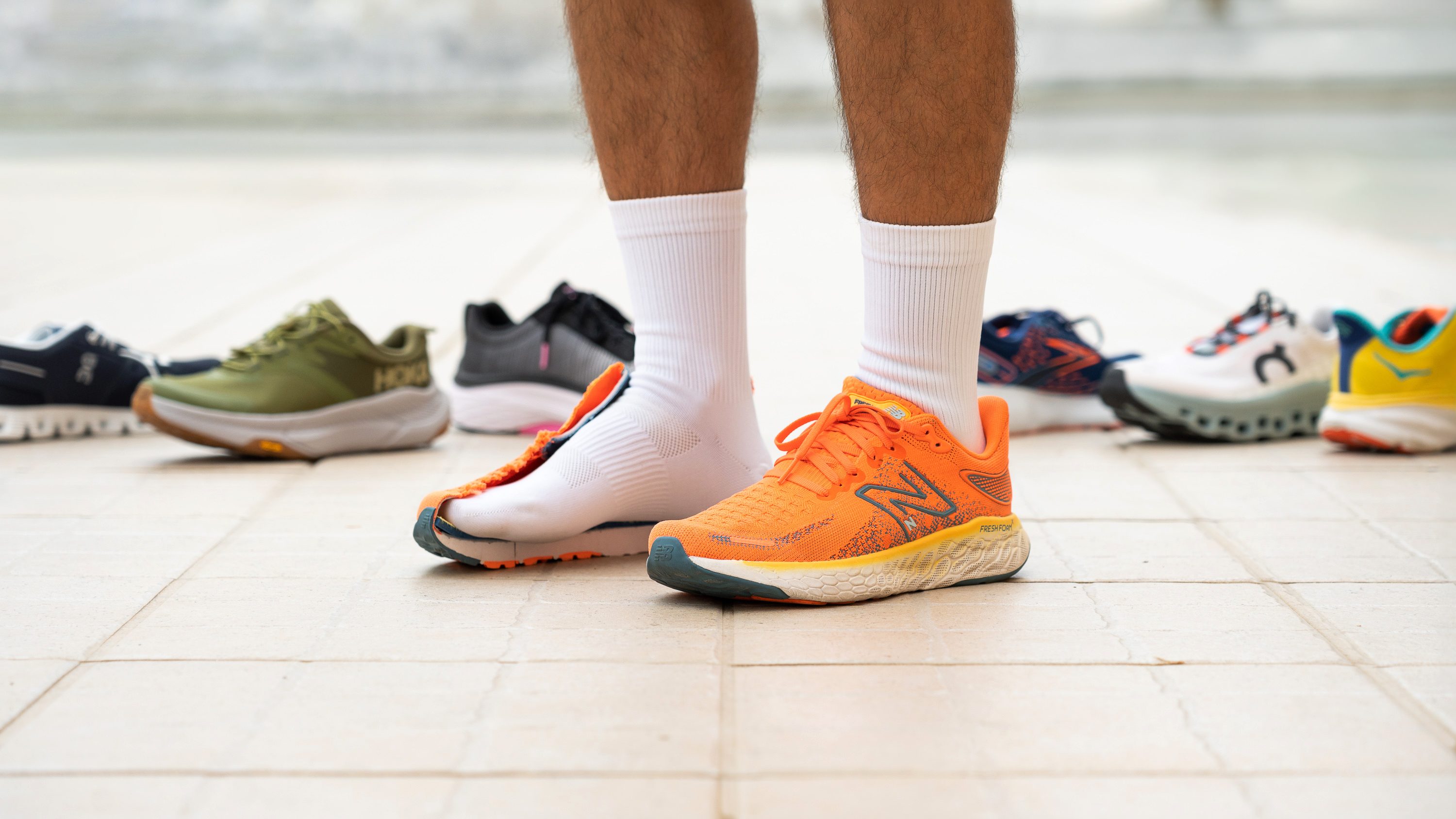
Gone are the days when technical footwear was an aesthetic afterthought. The rise of “athleisure” and the normalization of performance wear in daily life have pushed designers to integrate style seamlessly with substance. This isn’t merely about adding a splash of color. It’s about silhouette, material texture, and design language. Brands like HOKA ONE ONE and On Running have built their identities on distinctive, chunky midsoles that are as much a visual signature as they are a cushioning technology. The popularity of these designs, featured in publications from GQ to Vogue, demonstrates that consumers no longer see high-performance features as something to hide. Instead, they are worn as badges of a health-conscious, active lifestyle. As sneaker culture historian and author Elizabeth Semmelhack of the Bata Shoe Museum has pointed out, sneakers have become a primary canvas for expressing identity. The modern walking shoe participates in this culture. You can find models with minimalist, knit uppers that resemble fashion sneakers but contain hidden arch support, or leather versions that pass in business-casual settings while offering all-day comfort. The key is that style no longer compromises the shoe’s primary function; it complements it, allowing you to move from a morning walk to a casual meeting without a second thought.
The Voices of Experience: Insights from Experts and Enthusiasts
Objective data is crucial, but lived experience provides invaluable context. Across platforms like YouTube and specialist forums, certified pedorthists and long-distance walkers offer a wealth of practical knowledge. For instance, Bob (from the YouTube channel “The Walking Guy”), who has documented walking across countries, consistently stresses the importance of a roomy toe box to allow for natural foot swelling and splay during long distances—a detail sometimes overlooked in lab-based fit guidelines. On Quora, in threads about all-day comfort for professionals like nurses and teachers, the consensus often highlights specific models known for their combination of support and understated style, such as certain lines from Clarks or Ecco, which incorporate anatomical footbeds and shock-absorbing technologies. Furthermore, statements from well-known figures in wellness circles add weight. As fitness author and podcaster Ben Greenfield has remarked,
“Your shoes are the interface between your body and the earth. Optimizing that interface is one of the highest-return investments you can make in your daily health and performance.”
This sentiment captures the shift in perspective: the walking shoe is not just an accessory, but a vital piece of personal equipment. These collective experiences underscore that while specifications matter, the ultimate test is how the shoe feels and performs over miles and months in the real world.
:max_bytes(150000):strip_icc()/vwt-asics-womens-gel-pulse-16-jinfeng-chen-21-712f0f140e834b84b3a8dcf0bf154771.jpeg)
Making the Smart Choice: A Synthesis of Knowledge and Value
Armed with an understanding of the science, style, and real-world performance, making a choice becomes a more informed process. Start by honestly assessing your primary use case, foot type (consider a wet foot test to see your arch imprint), and any specific needs like overpronation. Try on shoes in the afternoon when feet are naturally more swollen. But knowledge must also meet pragmatism. Investing in quality is key—premium materials and construction directly impact durability and performance. However, “investment” doesn’t necessarily mean paying full retail. Savvy shoppers leverage end-of-season sales, manufacturer refurbishment programs (like those offered by Nike), and reputable online retailers that often have previous-generation models at significant discounts. The technology in a model from one or two years ago is still vastly superior to a non-technical fashion shoe, and the price can be 30-50% lower. Remember, the most expensive shoe is not always the best for you; the goal is to find the shoe that matches your biomechanics and lifestyle. This approach brings professional-grade footwear knowledge within reach, ensuring you get a tool that enhances your daily life without straining your budget. The perfect walking shoe is out there, waiting to be discovered—a fusion of engineered comfort and intentional style that makes every step a better one.