

The Ultimate Guide to Walking Shoes for Every Style
Choosing the right footwear is not merely a matter of fashion; it is a foundational decision for your health and daily comfort. The perfect walking shoe acts as a personal suspension system, mitigating the impact of each step and transforming a simple stroll into a sustainable, joyful practice. This guide moves beyond superficial trends to explore how biomechanics, material science, and personal lifestyle converge in the shoes we wear every day. We will dissect the essential components, match shoe types to diverse activities, and provide the knowledge to make an informed investment in your mobility.
The Anatomy of Comfort: Deconstructing the Walking Shoe
To appreciate what makes a great walking shoe, one must understand its architecture. Each component serves a distinct physiological purpose. The upper, traditionally made from leather or synthetic mesh, must balance durability with breathability. Modern materials like engineered mesh provide targeted ventilation, a feature highlighted in performance reviews on sites like Runner’s World. The midsole is the heart of the shoe, where cushioning and stability technologies reside. EVA (ethylene-vinyl acetate) foam is ubiquitous for its lightweight shock absorption, but advancements like Adidas’s Boost or Brooks’s DNA LOFT offer enhanced energy return and longevity. The outsole’s rubber compound and tread pattern dictate traction; a deeper, multi-directional lug is essential for varied terrain, while a smoother, more flexible pattern suits urban pavement. Crucially, the heel counter—the firm cup at the back—must be rigid enough to prevent excessive heel roll, a common contributor to plantar fasciitis. As Dr. James Ioli, Chief of Podiatry at Brigham and Women’s Hospital, has stated, “The right shoe stabilizes the foot from heel strike to toe-off, preventing a cascade of alignment issues.” This intricate design makes the modern walking shoe a marvel of ergonomic engineering.
Matching Your Gait: The Foundation of Fit
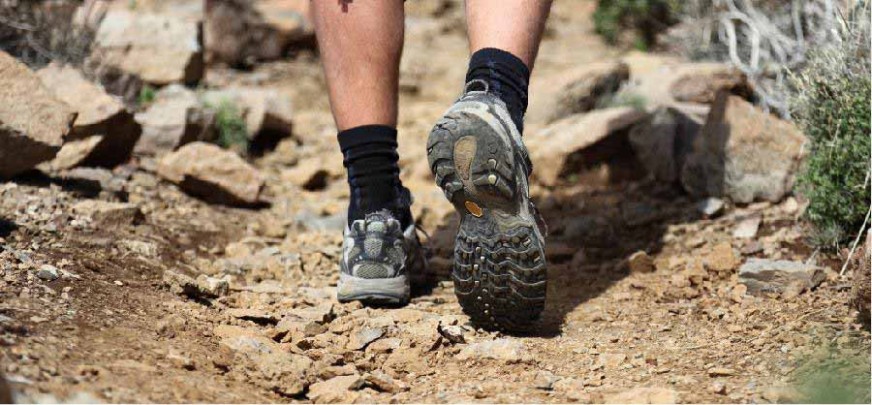
Your foot’s natural movement, or gait cycle, is as unique as your fingerprint. Ignoring it when selecting a shoe is the primary cause of discomfort and injury. The three primary gait types—neutral pronation, overpronation, and supination (underpronation)—require different support features. Overpronation, where the foot rolls inward excessively, is the most common and benefits from shoes with structured support or “motion control” features, often visible as a denser medial post in the midsole. Brands like ASICS with their Dynamic DuoMax Support system have built their reputation on this technology. Supination, the opposite motion, demands highly cushioned and flexible shoes to aid in shock absorption. Determining your gait is not guesswork; many specialty running stores offer free gait analysis. Furthermore, academic literature from institutions like the University of Calgary’s Human Performance Laboratory emphasizes that proper shoe-gait alignment reduces peak pressure on joints by up to 30%. A walking shoe that matches your gait doesn’t just feel better—it actively protects your ankles, knees, and hips from long-term stress.
Style Meets Substance: Categories for Every Journey
The concept of a walking shoe has evolved into specialized categories, each engineered for a specific environment and pace. Understanding these categories ensures your footwear is a tool, not a hindrance.
1. The Urban Commuter
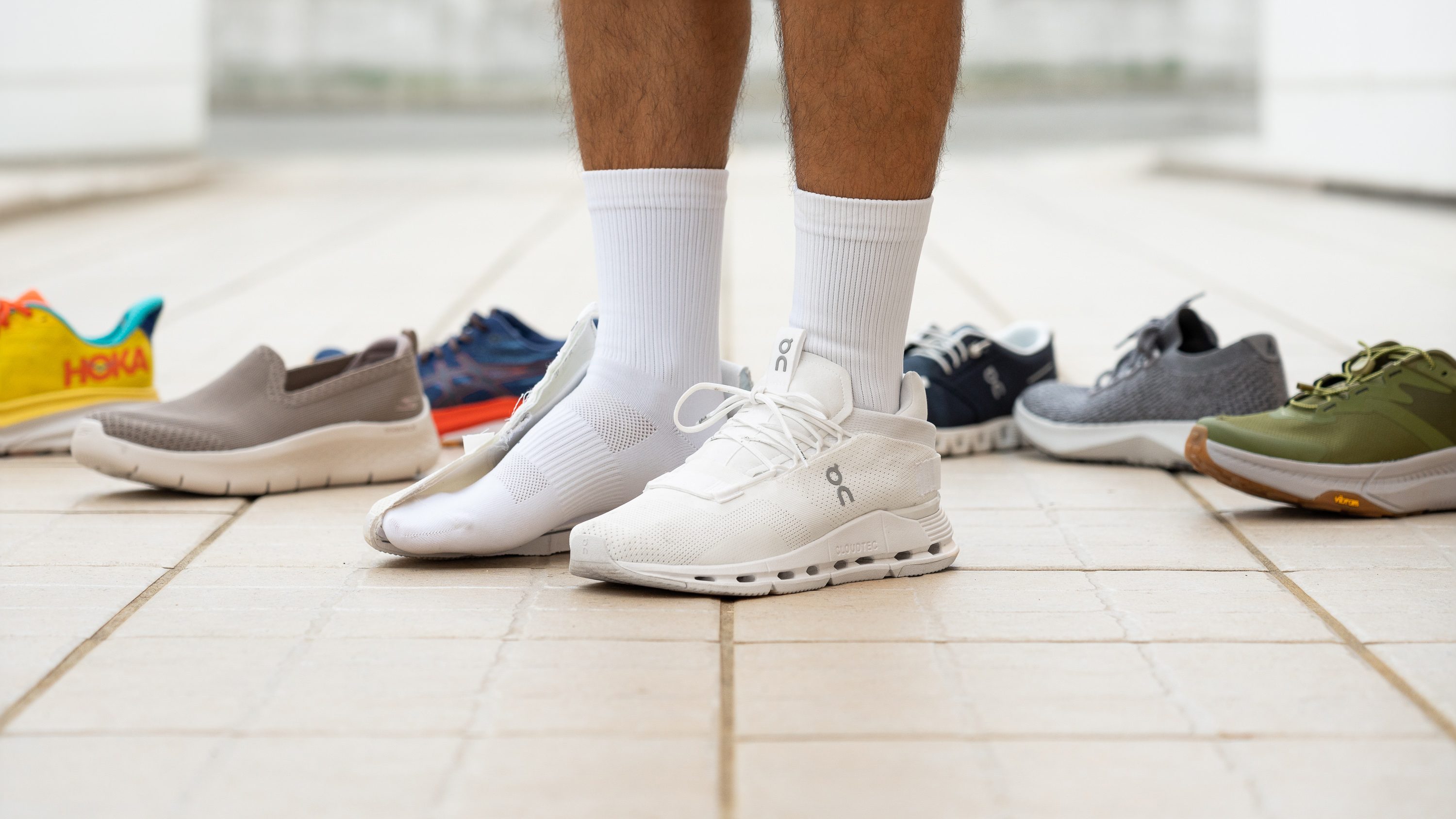
For the city dweller navigating concrete jungles, the priority is all-day comfort blended with aesthetic versatility. Shoes in this category, such as certain models from Cole Haan or Allbirds, often feature minimalist outsoles for smooth transitions and premium materials like wool knits or full-grain leather. The cushioning is sufficient for miles of pavement but not overly bulky. As designer and urban planner Jan Gehl famously advocates in his book “Life Between Buildings,” walkable cities thrive on human-scale design, and comfortable shoes are the individual’s part of that contract. The best urban walking shoes disappear on your feet, providing silent support from morning commute to evening social engagement.
2. The Fitness Walker
This is the performance category for those who walk with purpose, speed, and distance. Shoes like the Brooks Addiction Walker or New Balance 847 are built with athletic-grade technologies: aggressive heel counters, advanced midsole foams like ABZORB or Gel, and robust stability features. They are designed to handle the biomechanical demands of a brisk, arm-pumping pace. Fitness magazines and YouTube channels like “The Run Experience” consistently stress that a dedicated fitness walker shoe provides a firmer platform than a casual sneaker, promoting better propulsion and efficiency. The investment here directly correlates to improved performance and reduced fatigue, allowing you to push your limits safely.
3. The Trail Adventurer
When your path leaves the pavement, your shoes must adapt. Trail walking shoes, such as the Merrell Moab or Salomon X Ultra, feature aggressive, lugged outsoles for grip on loose dirt and rock, protective toe caps, and often waterproof membranes like Gore-Tex. They are lower to the ground than hiking boots for better stability but offer more protection than road shoes. The philosophy aligns with the “Leave No Trace” principles embraced by outdoor communities—equipment should enable exploration while minimizing impact. A proper trail walking shoe grants you confidence and connection on unpredictable terrain, turning a simple hike into a secure adventure.
The Professional Knowledge: When to Retire Your Shoes
Even the best-engineered shoes have a finite lifespan. The cushioning materials in the midsole compress and lose their resiliency long before the upper shows significant wear. The general consensus among podiatrists and fitness experts, echoed on platforms like Quora and health blogs, is to replace walking shoes every 300 to 500 miles. A simple test is the “twist test”: if you can easily twist the shoe along its longitudinal axis, the midsole is likely dead. Continuing to use worn-out shoes is a false economy, often leading to niggling pains in the shins, knees, or back. Think of your shoes as a consumable part of your health regimen, much like a toothbrush. Proactive replacement is a small price for ongoing protection.
Investing in Your Stride: Value Beyond the Price Tag
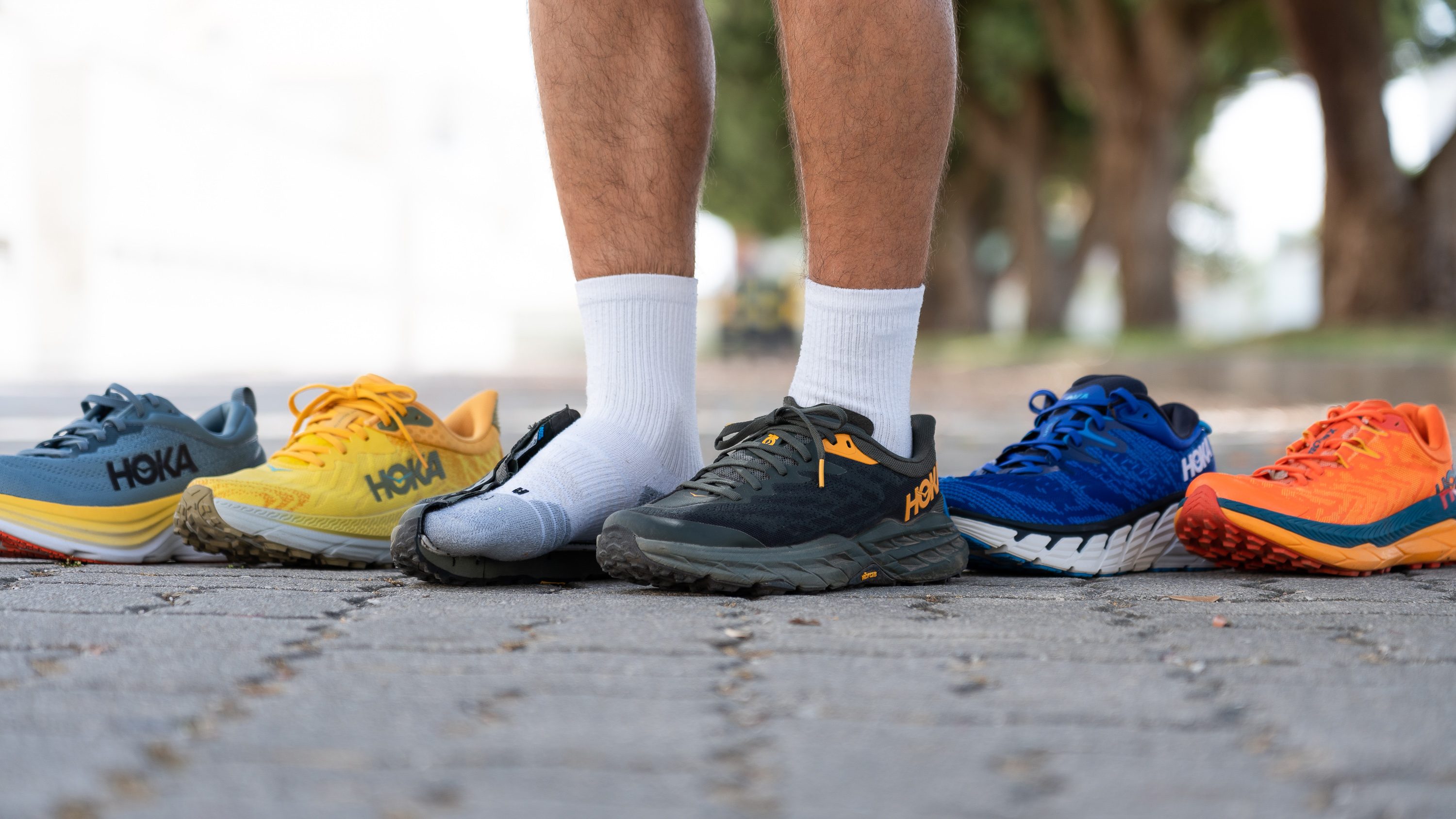
While premium walking shoes from brands like HOKA, ASICS, or Saucony may carry a higher initial cost—often ranging from $120 to $160—their value is measured in durability, advanced technology, and injury prevention. However, savvy shopping can bridge the gap. Consider previous season’s models, which offer nearly identical technology at a 20-30% discount as retailers clear inventory. Outlet stores and reputable online retailers frequently run sales, especially during holiday weekends or seasonal changes. The key is to know your exact size and model, then hunt for the deal. As financial advisor and author David Bach discusses in “The Automatic Millionaire,” mindful spending on items that directly affect your quality of life—like health-supporting footwear—is a high-value investment. A well-chosen, discounted pair of high-performance walking shoes delivers exceptional return on investment, step after step.
Your journey begins from the ground up. The right shoe is not a passive accessory but an active participant in your movement, shaping your comfort, health, and experience of the world. By applying this knowledge of anatomy, gait, and style-specific design, you empower yourself to choose footwear that doesn’t just fit your feet, but fits your life. Let your next step be your most informed one.
