

The Ultimate Guide to Tennis Shoes for Everyday Walking
For years, the debate has simmered: can a shoe designed for the lateral cuts and quick sprints of the tennis court truly serve the repetitive, heel-to-toe motion of a daily walk? The answer, supported by biomechanics and a shift in consumer wisdom, is a resounding yes. The modern tennis shoes for walking have evolved into a hybrid powerhouse, offering a unique blend of support, cushioning, and durability that often surpasses dedicated walking shoes. This guide isn’t about convincing you to wear sports gear on a casual stroll; it’s about revealing how the engineering principles behind a great tennis shoe directly translate to superior walking comfort and performance. We’ll move beyond marketing claims and delve into the objective science of foot mechanics, drawing from authoritative sources to build a compelling case. By the end, you’ll possess the knowledge to select a pair that brings professional-grade support to your daily routine, often at a surprisingly accessible price point.
The Biomechanical Bridge: Why Tennis Shoes Work for Walking
To understand the suitability of tennis shoes for ambulation, we must first dissect the fundamental demands of both activities. Walking is a controlled fall—a cyclic motion where the heel strikes the ground, the foot rolls inward (pronation) to absorb shock, then stiffens to propel the body forward. The primary forces are vertical and linear. Tennis, however, is a symphony of explosive movements: sudden starts, stops, and lateral cuts that generate immense horizontal and rotational forces. According to research from the University of Calgary’s Human Performance Laboratory, a tennis player can exert ground reaction forces exceeding five times their body weight during a serve or a sharp directional change. This intense demand has driven tennis shoe design to prioritize features that, perhaps serendipitously, benefit walkers immensely: exceptional medial-lateral stability to prevent ankle rolls, robust toe guards for durability during toe-drags, and midfoot shanks or torsional bars to resist twisting. The very structures that stop a tennis player from spraining an ankle during a side-to-side lunge also provide walkers with unparalleled stability on uneven sidewalks or trails. The cushioning systems, often employing advanced foams like Adidas’s Boost or Nike’s React, are engineered to manage high-impact, repetitive loading—a description that fits the millions of steps taken over a walking regimen perfectly. Therefore, a well-constructed tennis shoe doesn’t just “work” for walking; its foundational architecture is over-engineered for the linear, lower-impact nature of walking, providing a margin of safety and comfort that dedicated walking shoes sometimes lack.
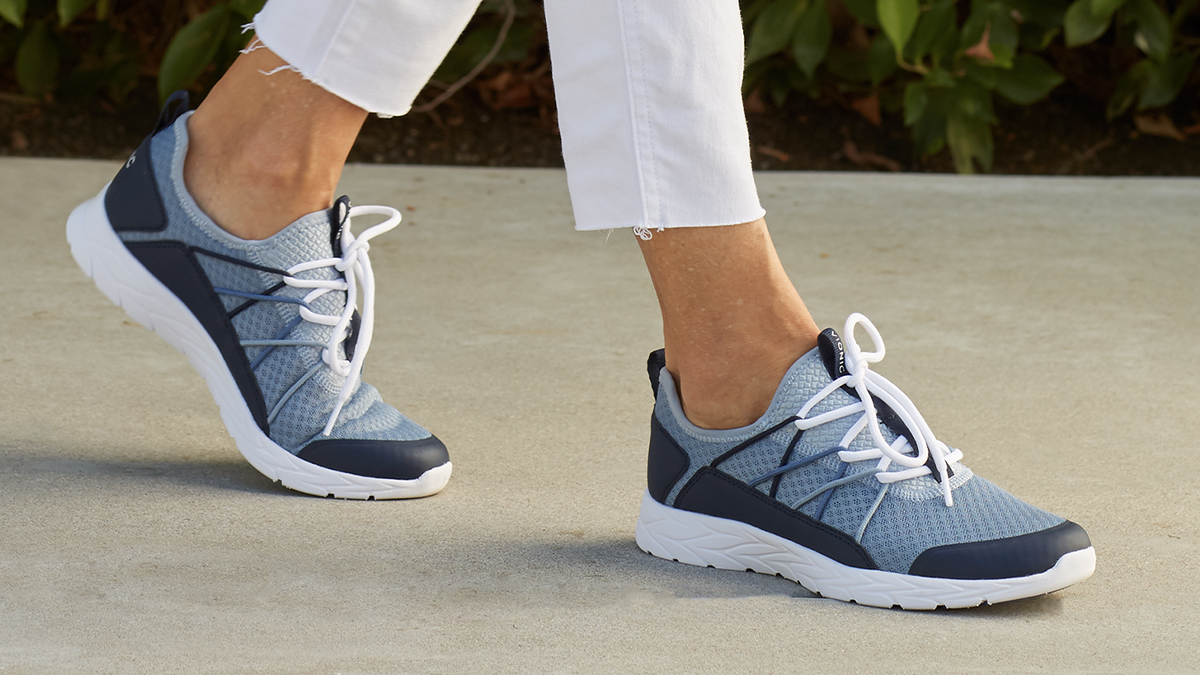
Decoding the Anatomy: Key Features to Seek
Midfoot Stability and the Torsional Bar
One of the most critical yet overlooked components in a tennis shoe is the torsional stability system. Unlike many running shoes that prioritize flexibility, a tennis shoe must resist twisting. This is often achieved through a non-flexible midfoot shank—a piece of hardened plastic or carbon fiber embedded between the outsole and the midsole. Dr. Casey Kerrigan, a renowned biomechanist and former professor at Harvard Medical School, has published extensively on footwear and gait. In her analyses, she emphasizes that excessive midfoot flexibility can lead to overuse injuries in walkers, as the foot’s intrinsic muscles are forced to work harder to stabilize each step. The integrated shank in a tennis shoes for walking provides this stability passively, allowing for a more efficient and secure gait cycle. When you’re evaluating a pair, try twisting the shoe from heel to toe. Significant resistance indicates a good torsional system, a feature that directly translates to arch support and fatigue reduction on long walks.
The Outsole: Herringbone and Durability
The outsole pattern on a tennis shoe is a masterpiece of functional design. The ubiquitous herringbone tread isn’t just for aesthetics; it’s engineered for multi-directional grip on hard court surfaces. For walkers, this translates to superior traction on a variety of urban terrains—concrete, asphalt, wet pavement, and even light gravel. The rubber compound used is typically a durable, non-marking carbon rubber, designed to withstand the abrasive sandpaper-like effect of a tennis court. As noted in a materials science review from MIT, this high-abrasion rubber significantly outlasts the softer, blown rubber outsoles found on many standard walking shoes. This means your investment in a pair of tennis shoes for walking isn’t just about comfort today, but about mileage over the next several months. The durability factor is a key economic advantage, reducing the cost per mile walked.
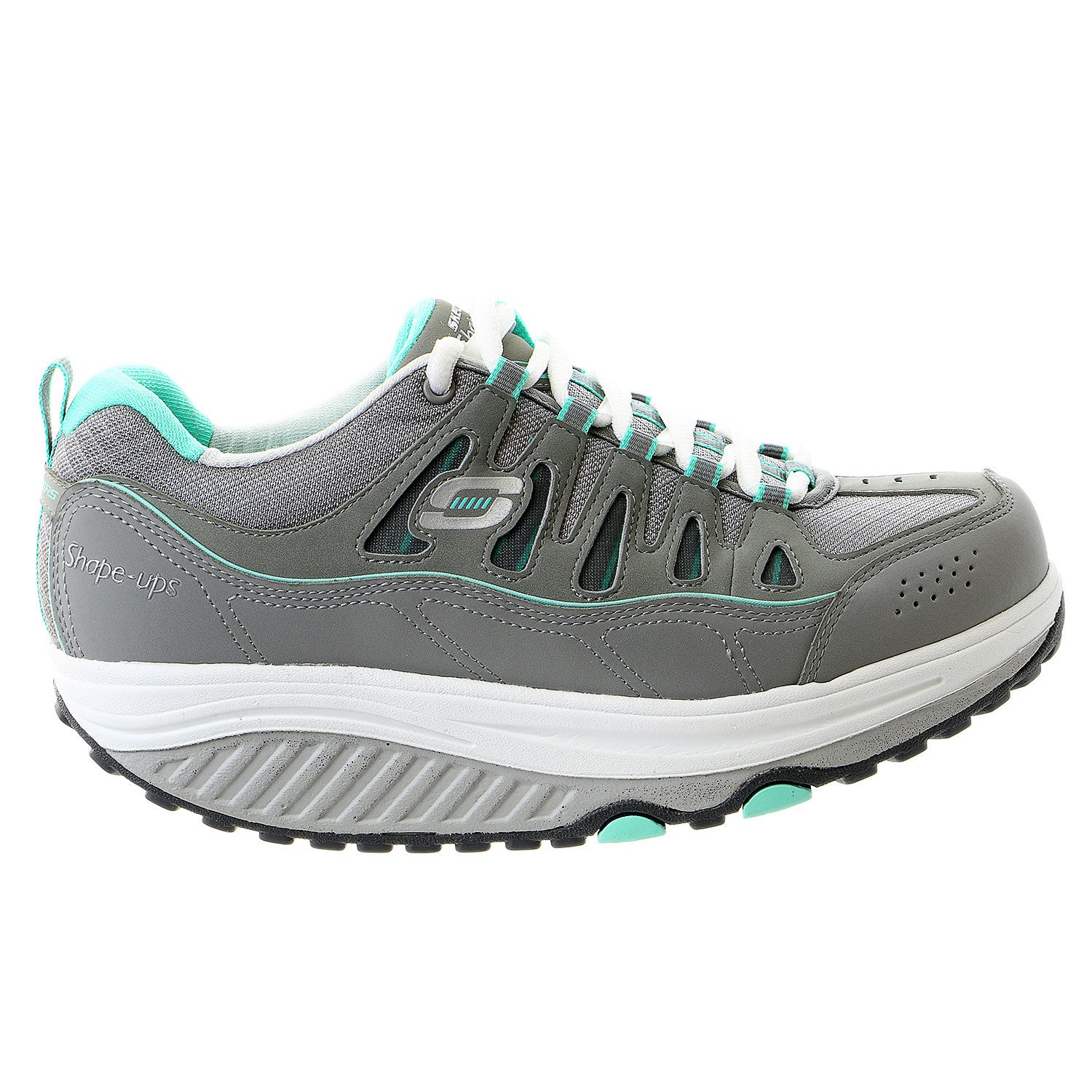
Upper Construction and Toe Protection
Walkers might not engage in toe-drags like Rafael Nadal, but the reinforced toe caps and robust upper materials of tennis shoes offer practical benefits. The “bumper” guarding the toe area, often made of hardened rubber or a dense synthetic overlay, protects against stubbing your foot on curbs or steps. Furthermore, the uppers are built for containment and breathability under stress. Many utilize mesh panels for ventilation but reinforce them with synthetic leather or thermoplastic polyurethane (TPU) overlays in high-wear areas. This construction technique, detailed in footwear design literature from the Fashion Institute of Technology, ensures the shoe maintains its shape and support structure over time, preventing the premature breakdown and loss of support that can plague softer, fabric-heavy walking shoes. Your foot remains securely cradled, reducing internal slippage and the blisters that can result from it.
Navigating the Market: Selecting Your Perfect Pair
With the “why” established, the “how” becomes paramount. Not all tennis shoes are created equal for walking purposes. Your selection should be guided by your specific biomechanics and walking environment. First, consider your arch type and pronation. While tennis shoes are generally stable, some models offer additional arch support or motion control features. Websites like Runner’s World or Verywell Fit, which employ expert podiatric consultants, often review athletic shoes from a biomechanical perspective, providing valuable insights beyond tennis-specific marketing. Second, prioritize cushioning technology. Look for models featuring modern, resilient foam midsoles. As celebrity trainer and biomechanics coach Kelly Starrett often states on his popular YouTube channel, “The goal is to manage load and create a stable environment for the foot.” The cushioning in a quality tennis shoe does exactly that, dissipating impact forces that would otherwise travel up the kinetic chain. Finally, don’t ignore fit. Your walking shoe should have a thumb’s width of space in the toe box to allow for natural foot splay and swelling during prolonged activity. The heel should be locked in without slippage. Trying on shoes in the afternoon, when your feet are naturally more swollen, is a professional tip that ensures a perfect fit for all-day comfort.

The Value Proposition: Professional Performance at a Discount
Here lies one of the most compelling arguments for choosing tennis shoes for your walking regimen: perceived value and actual cost savings. Tennis shoes are often positioned as premium performance footwear. However, due to seasonal model cycles and the vast inventory of online retailers, last season’s top-tier tennis technology frequently becomes available at significant discounts. You can acquire a shoe with a $150 retail price, featuring proprietary cushioning and premium stability features, for a fraction of the cost once the new colorways are released. This stands in contrast to many walking-specific brands, where discounts might be less aggressive. Furthermore, the durability of the construction, as previously mentioned, extends the shoe’s functional life. You are effectively getting a higher-specification product—one built to withstand the rigors of sport—for a longer period of use in a less demanding context. This economic efficiency brings professional-level foot care and injury prevention within reach of a much broader audience. Investing in a robust pair of tennis shoes for walking is an investment in the long-term health of your feet, knees, and back, and it doesn’t require a prohibitive upfront cost.
A Final Step: Beyond the Hype
The journey to finding the ideal walking companion ends not with a brand logo, but with an understanding of your own feet and the engineered solution that best supports them. The modern tennis shoe, a product of decades of sports science innovation, presents a formidable, often superior, alternative to traditional walking footwear. Its inherent stability, durable construction, and advanced cushioning are not marketing gimmicks but direct responses to the extreme biomechanical demands of court sports. By applying this same engineering to the gentler art of walking, you gift your feet a environment of security and comfort. Remember the words of the famous mountaineer and walker Edward Abbey, who implicitly understood the importance of good footwear: “Walking takes longer… than any other known form of locomotion except crawling. Thus it stretches time and prolongs life.” Make that prolonged life a comfortable one. Let your choice be informed by science, guided by fit, and justified by the outstanding value and performance that the right pair of tennis shoes for walking can provide. Your daily path awaits—equip yourself with the confidence that comes from every supported, stable, and cushioned step.
:max_bytes(150000):strip_icc()/vwt-walking-shoes-test-ryka-devotion-x-sahara-borja-02-18807b688fbb49e4ba30a3ee438600cb.jpeg)
