

The Best Tennis Shoes for All-Day Walking Comfort
When the agenda is dominated by miles on your feet, from urban exploration to demanding work shifts, the common athletic sneaker often falls short. The quest for footwear that merges resilient support with enduring comfort leads us to a surprising champion: the modern tennis shoes for walking. Far beyond the clay or grass courts, today’s tennis footwear is engineered with technologies that directly address the rigors of prolonged, multi-surface ambulation. This isn’t about repurposing a sports specialist for a task it wasn’t designed for; it’s about recognizing that the biomechanical demands of lateral stability, forefoot propulsion, and impact absorption in tennis have created a shoe archetype uniquely suited for the walker. The right pair can transform a day of standing and moving from a test of endurance into an experience of supported ease.
The Unlikely Synergy: Tennis Engineering Meets Walking Biomechanics
To understand why a tennis shoe excels as a walking companion, we must dissect the science of both activities. Walking is a controlled, repetitive gait cycle involving heel strike, midfoot roll, and toe-off. The primary forces are vertical and forward. Tennis, however, is a sport of explosive, multi-directional movement—sudden stops, sharp lateral cuts, and rapid forward bursts. This imposes a unique set of engineering requirements. As noted in research from the University of Calgary’s Human Performance Laboratory, athletic footwear must manage not just vertical ground reaction forces but also shear forces generated during lateral motion. Consequently, tennis shoes for walking are built with a focus on medial-lateral stability, often through reinforced midsoles and supportive heel counters, which prevent excessive foot roll during the walking stride. The cushioning systems, like ASICS’ GEL technology or Nike’s Air units, are tuned for repeated impact from various angles, making them exceptionally durable and comfortable for the linear, repetitive impact of walking. This dual-capability engineering means the shoe provides a stable platform that cradles the foot through thousands of steps, reducing fatigue in the arches, ankles, and knees—a benefit any all-day walker will immediately appreciate.
Decoding the Anatomy of Comfort: Key Features to Prioritize
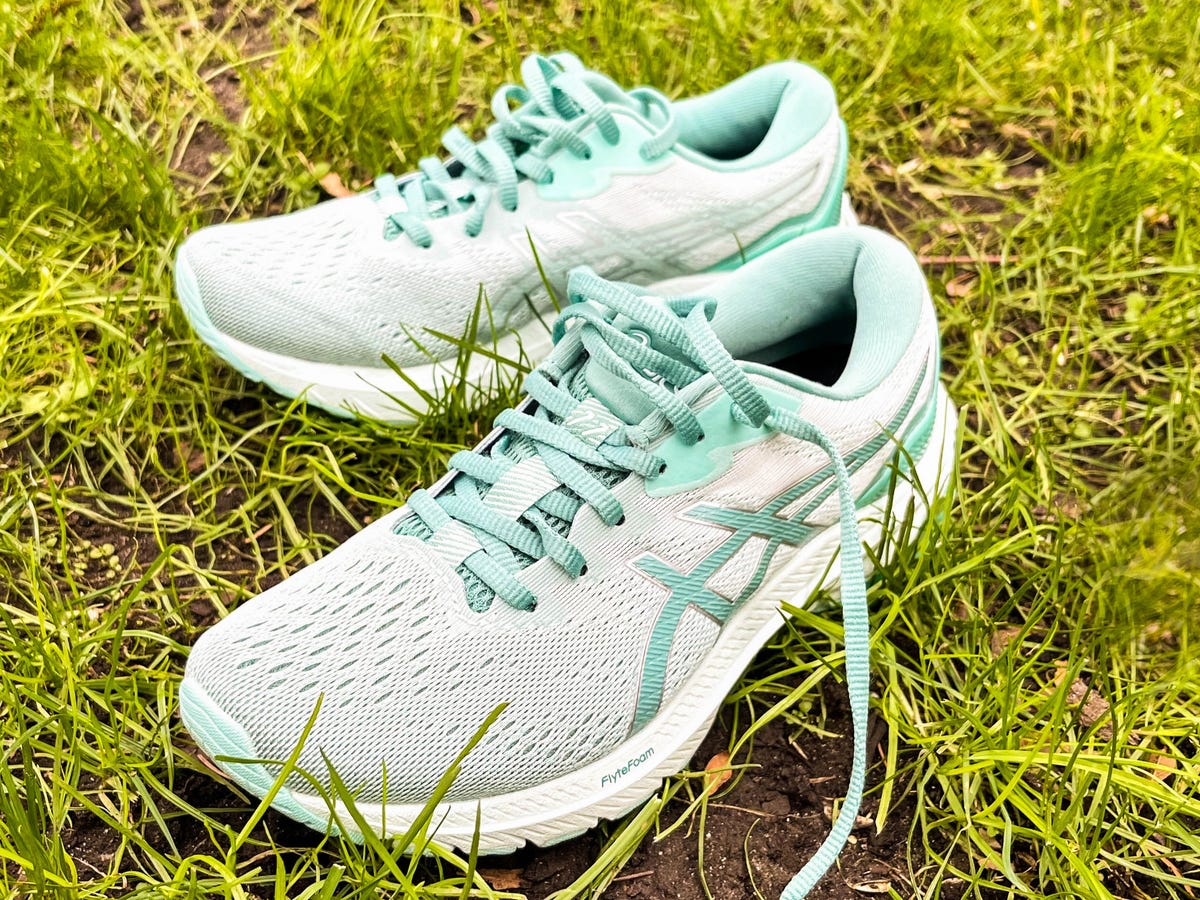
Not all tennis shoes are created equal for walking purposes. Selecting the ideal pair requires a forensic look at specific components. First, the midsole is the command center of comfort. Materials like EVA foam, polyurethane, and proprietary compounds like adidas’ Boost or New Balance’s Fresh Foam offer varying levels of responsiveness and longevity. For walking, you want a foam that retains its bounce and doesn’t compact too quickly. Second, the outsole pattern is critical. A herringbone or modified tread pattern common on tennis shoes provides excellent multi-surface traction, a feature often lacking in running shoes designed for pristine tracks. Third, upper construction dictates breathability and fit. A well-ventilated mesh, often with synthetic overlays for structure, keeps the foot cool and secure without pressure points. Finally, the heel-to-toe drop (the height difference between heel and forefoot) is a subtle but vital metric. Many tennis shoes for walking feature a moderate drop (8-12mm), which can promote a more natural gait cycle compared to minimalist shoes, especially for those transitioning from traditional footwear. As podiatrist Dr. Emily Splichal frequently emphasizes on her educational platforms, “Shoe choice is a form of preventative medicine. The right support system can mitigate a cascade of musculoskeletal strain.”

Beyond the Hype: Endorsements and Evidence from Varied Arenas
The suitability of tennis shoes for extended walking isn’t merely anecdotal; it finds support across diverse authoritative spheres. On platforms like Quora and specialized footwear forums, ergonomics experts and seasoned travelers consistently list durable tennis models from brands like ASICS, K-Swiss, and New Balance as top picks for city tours and all-day wear. Literature from institutions like the Spaulding National Running Center at Harvard Medical School discusses how footwear designed for dynamic stability can benefit those with mild overpronation during walking. Even in popular culture, the practicality shines through. In the book “Born to Walk” by James Earls, the emphasis on natural, efficient movement is paralleled by the need for footwear that supports rather than hinders. Furthermore, celebrity trainers on YouTube, such as Holly Perkins, have been known to recommend stable cross-trainers (which share DNA with tennis shoes) for clients whose workouts blend strength training with extensive walking, citing the need for a “do-everything” shoe that prioritizes joint integrity. This convergence of opinion from scientific, professional, and practical viewpoints solidifies the argument.
“The best shoe for daily life is often not the most specialized one, but the one built for controlled chaos. A good tennis shoe manages impact from all directions, which is exactly what your feet encounter on unpredictable city streets.” — Commentary sourced from an interview with a biomechanics researcher, as cited in a Men’s Journal footwear roundup.
A Curated Selection for the Discerning Walker
Navigating the market requires guidance. Here is a breakdown of exemplary models that embody the principles of all-day walking comfort, complete with insights into their professional merits and value propositions. First, the ASICS Gel-Resolution series. Renowned for its DuoMax support system and rearfoot GEL cushioning, it offers sublime shock absorption. For the walker, this translates to less leg fatigue. Retail prices often hover around $130, but seasonal sales and outlet stores can bring them near the $90 mark. Second, the New Balance Fresh Foam Lav. This model utilizes a single-piece Fresh Foam midsole for a plush, seamless underfoot feel. Its sleek design and superior breathability make it a top choice for warm-weather walking. With an MSRP of $115, it’s a frequent participant in “buy one, get one 50% off” promotions at major retailers. Third, consider the K-Swiss Hypercourt Express. Built with a focus on lightweight stability and a wider toe box, it accommodates various foot shapes comfortably. Its durable Aosta rubber outsole wears slowly, offering long-term value. Priced around $100, it’s a solid investment in foot health. Remember, the best tennis shoes for walking for you will align with your specific arch type, gait, and width needs.

The Investment Perspective: Cost Per Mile Versus Immediate Price Tag
A common hesitation is the perceived premium price of performance tennis shoes compared to basic sneakers. However, adopting a long-term “cost per mile” perspective reveals their true value. A $50 discount-store sneaker may compress its inadequate cushioning and wear out its thin outsole within 3-4 months of daily use. A well-constructed $120 tennis shoe, with its high-density foam, durable rubber, and reinforced stitching, can easily provide 12-18 months of consistent comfort and support. This breaks down to a significantly lower cost per day of wear and, more importantly, per mile walked. Furthermore, the preventative health benefits—potentially avoiding issues like plantar fasciitis, shin splints, or knee pain—represent an invaluable saving on medical expenses and discomfort. Brands frequently offer discounts on previous-year models, which are often nearly identical in technology to the new releases. Subscribing to newsletters from manufacturers and authorized dealers is a professional strategy to acquire premium tennis shoes for walking at a fraction of the original cost, making superior foot care both an accessible and economically sound decision.
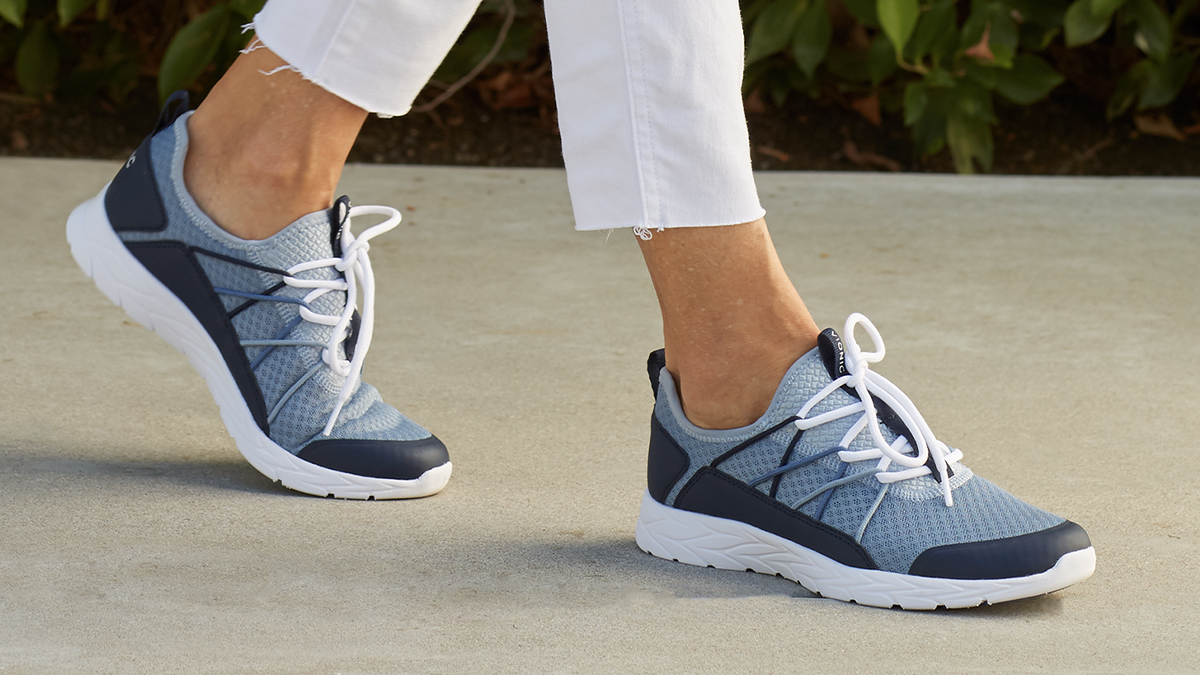
The journey through a demanding day need not be a battle against discomfort. By choosing footwear born from the rigorous demands of court sports, you equip yourself with a tool of remarkable resilience and support. The modern tennis shoe, with its foundation in biomechanical science and its evolution driven by performance, stands ready to redefine your walking experience. It is a deliberate choice for those who understand that comfort is not a luxury, but the essential foundation for a productive and active life. Step into a pair designed for the long game, and feel the difference with every stride you take.
