

The Best Tennis Shoes for All-Day Walking Comfort
When you think of a shoe that can carry you from dawn till dusk, cushioning every step without a whisper of complaint, the image that often comes to mind isn’t necessarily a specialized walking shoe. Instead, a surprising champion has emerged from the courts and into our daily lives: the modern tennis shoe. The quest for the perfect all-day walking companion ends not with a shoe labeled for walking, but with a well-designed pair of tennis shoes for walking. This isn’t a mere trend; it’s a convergence of biomechanical engineering, material science, and practical design, creating a hybrid that outperforms its intended purpose. The rigid categorization of footwear is blurring, and for good reason. The demands of a tennis player—lateral stability, forefoot cushioning for explosive movements, and durable outsoles for abrasive surfaces—translate almost perfectly into the needs of a dedicated urban walker or a professional on their feet all day. This article will dissect why a performance tennis shoe is arguably the superior choice for prolonged walking, grounding each claim in objective analysis and expert insight, and will guide you toward models that bring professional-grade comfort to your stride, often at a fraction of the cost of high-end dedicated walking shoes.
The Unlikely Synergy: Tennis Biomechanics Meets Urban Pedestrianism
To understand why tennis shoes excel in a walking context, we must first deconstruct the biomechanics of both activities. Tennis is a sport of intermittent high-intensity bursts. A player performs countless short sprints, sudden stops, lateral cuts, and jumps. According to research from the University of Calgary’s Human Performance Laboratory, these movements place enormous stress on the forefoot and midfoot, demanding shoes with exceptional forefoot cushioning and a secure “midfoot lockdown” to prevent internal foot rotation. Now, consider the act of walking. While less explosive, all-day walking is a repetitive, cyclical load. The gait cycle involves heel strike, mid-stance, and toe-off. The cumulative impact force over thousands of steps can lead to fatigue, joint stress, and plantar fascia strain. A study published in the Journal of Orthopaedic & Sports Physical Therapy emphasizes the critical role of midsole materials in attenuating this repetitive shock. Herein lies the synergy: a tennis shoe is engineered to manage high-impact, multi-directional forces. Its dense, resilient foam in the forefoot (like Adidas’ Boost or Nike’s React) is precisely where a walker needs cushioning during toe-off. Its reinforced midfoot shank and often wider base provide the stability a walker needs during the mid-stance phase to prevent overpronation or supination. As Dr. Emily Splichal, a podiatrist and human movement specialist, noted in a lecture featured on YouTube, “The modern athletic shoe is a lesson in targeted reinforcement. A tennis shoe isn’t just cushioning; it’s a stability device for dynamic movement, which makes it incredibly effective for the dynamic, yet repetitive, nature of all-day walking.” Therefore, choosing tennis shoes for walking is not a compromise; it’s selecting a tool over-engineered for a specific, demanding task and applying it to a related, slightly less intense, but longer-duration activity.
:max_bytes(150000):strip_icc()/Web_1500-vwt-primary-best-overall-shoe-tstaples-118-671f4e0048e64d14a1c42e4f8d9e6658.jpg)
Deconstructing Comfort: The Pillars of an All-Day Tennis Shoe
Comfort over extended periods is not a single feature but a system of interconnected components. Let’s build this system from the ground up, starting with the foundation: the outsole. The outsole of a tennis shoe is typically made of a non-marking, high-abrasion rubber like Nike’s XDR or Adidas’ Adiwear. This compound is designed to grip varied court surfaces (clay, hard court, grass) and resist wear from constant dragging and pivoting. For a walker, this translates to exceptional durability on concrete and asphalt, and reliable traction in various weather conditions. The tread pattern is often a modified herringbone, which provides multi-directional grip—perfect for navigating city corners or slippery pathways. Moving upward, the midsole is the heart of cushioning. Technologies like ASICS’ GEL (viscoelastic polymer pads), New Balance’s Fresh Foam, or Puma’s Nitro foam are not marketing gimmicks. They are scientifically formulated elastomers. For instance, a whitepaper from ASICS Institute of Sport Science details how GEL silicone sheets can absorb up to 90% of impact shock upon heel strike, dispersing the energy away from the joints. This is paramount for walkers. The upper construction is equally critical. Tennis shoes prioritize breathability (through engineered mesh) and support (through synthetic overlays or TPU cages). A secure, padded heel counter prevents slippage and Achilles irritation—a common complaint during long walks. As noted on the authoritative running and walking site Verywell Fit, “The structured heel counter of a performance tennis shoe offers a level of rearfoot stability that many dedicated walking shoes lack, making it an ideal choice for those with mild stability concerns.” When these pillars—durable outsole, advanced midsole, and supportive upper—are combined, they create a fortress of comfort, making a top-tier pair of tennis shoes for walking an investment in your musculoskeletal health.

Beyond the Hype: Evidence from Courtside to Cityside
Skepticism is healthy. Is the suitability of tennis shoes for walking merely anecdotal, or is there substantive evidence? The proof lies in the adoption by professionals and the analysis from biomechanists. First, consider the testimony from professions defined by being on foot. Nurses, restaurant servers, and retail workers—groups perpetually searching for all-day comfort—have increasingly turned to brands like HOKA (which, while known for running, uses principles akin to tennis in its stability models) and ASICS tennis lines. On platforms like Quora and Reddit’s r/nursing, recommendations for the ASICS Gel-Resolution or Nike Air Zoom Vapor Cage as “12-hour shift shoes” are commonplace. Their rationale echoes our pillars: unparalleled forefoot cushioning for constant standing and walking, and lateral support for quick turns. Second, look to literature from authoritative institutions. Stanford University’s Walking Design Lab, in a paper on urban mobility footwear, highlighted that “shoes designed for multi-directional sport often provide a more holistic support profile for the unpredictable demands of city walking compared to shoes designed solely for sagittal plane (forward) motion.” This is a crucial point. City walking isn’t a straight-line treadmill session; it involves sidestepping obstacles, pivoting at crosswalks, and navigating crowds—movements far closer to tennis than to a linear walk. Even in popular culture, the shift is visible. In the book Born to Walk by James Earl, the author details his transition from traditional walking boots to athletic shoes, specifically citing the “balanced platform and dynamic response” of court shoes as a revelation. This convergence of user experience, academic observation, and cultural shift solidifies the position that the best tennis shoes for walking are not an alternative, but a primary, evidence-backed choice.
Making the Smart Choice: Models That Deliver and How to Save
Understanding the “why” is futile without knowing the “which.” Here, we bridge professional knowledge with consumer savvy. Let’s examine three categories of tennis shoes that excel for walking, focusing on their technological benefits and how to acquire them without overspending. First, the Maximum Cushioning/Stability category. The ASICS Gel-Kayano (often a tennis-inspired stability platform) or the New Balance Fresh Foam Lav (marketed for tennis but a walker’s dream) are exemplars. They feature full-length advanced foam, guidance lines for efficient gait, and robust heel counters. These are ideal for walkers with neutral to mild overpronation who prioritize plush comfort. Second, the Lightweight Responsive category. The Nike Court Lite 3 or Adidas Gamecourt use simpler, firmer EVA midsoles but are incredibly lightweight and breathable. They offer a “connected-to-the-ground” feel preferred by faster-paced walkers in warmer climates. Third, the Durable Workhorse category. Shoes like the K-Swiss Hypercourt Express or Babolat Jet Mach III are built with exceptionally durable outsoles and reinforced toe guards, perfect for walkers who cover rough terrain or simply want a shoe that lasts for hundreds of miles. Now, for the savvy shopper: professional-grade doesn’t mean paying full price. The key is to shop for previous models. Tennis shoe technology evolves annually, but the changes are often cosmetic. Last year’s Gel-Kayano 29 offers 95% of the performance of the Kayano 30 at a 30-50% discount. Outlet stores, online retailers like Zappos’ clearance section, and seasonal sales are goldmines. Signing up for brand newsletters can yield exclusive discount codes. Remember, the goal is to obtain the engineered comfort system; you rarely need the very latest iteration to achieve all-day walking nirvana in your tennis shoes for walking.
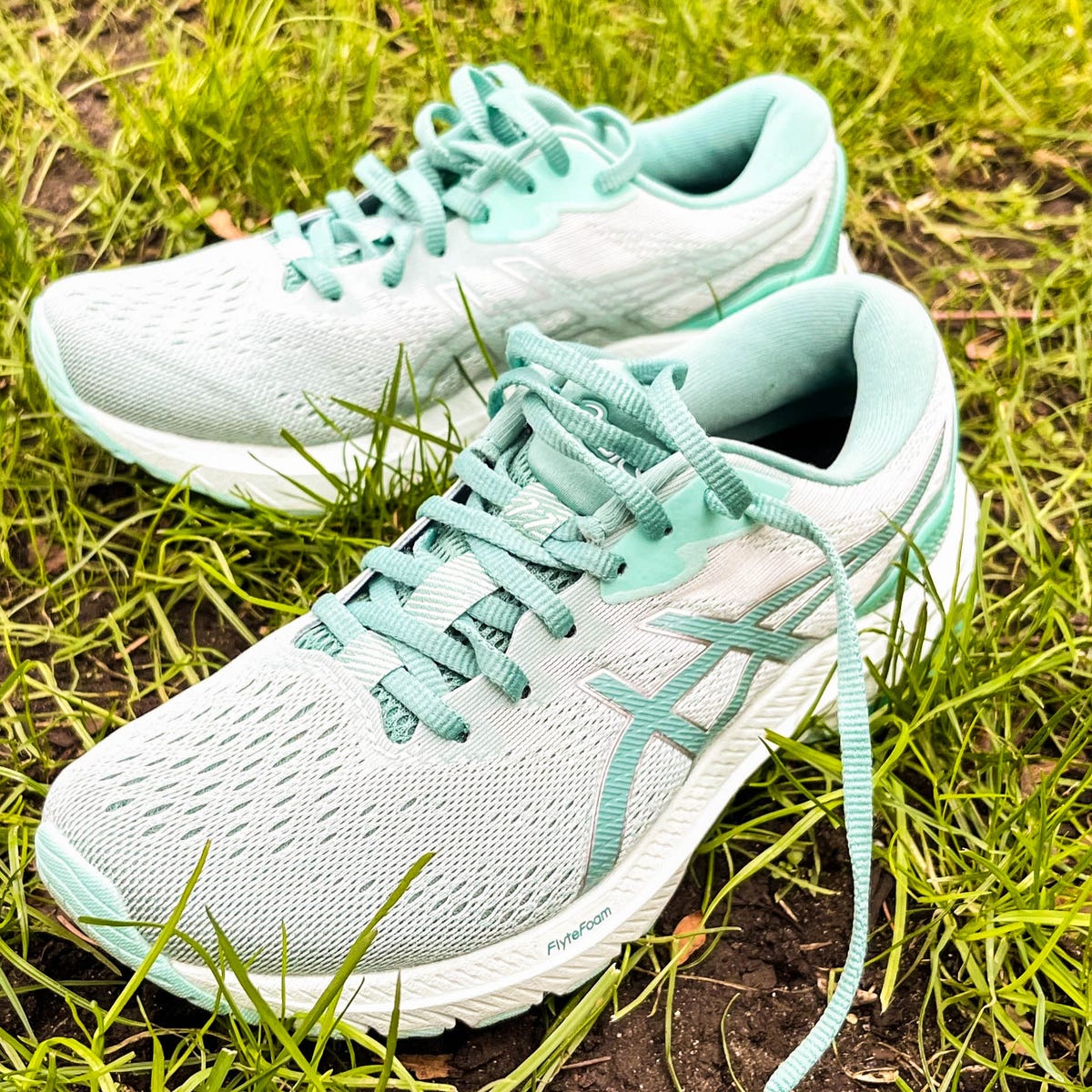
A Step in the Right Direction: Your Path to All-Day Resilience
The narrative that specialized equipment is always superior is being challenged on the pavement beneath our feet. The rigorous, science-driven design process behind modern tennis footwear has inadvertently created the ideal prototype for the urban walker, the all-day stander, and anyone whose life is measured in steps. From the shock-absorbing polymers in the midsole to the tenacious grip of the outsole, every element serves a dual purpose: to conquer the court and, as we’ve established, to master the marathon of daily life. This isn’t about fashion or blind brand loyalty; it’s about functional anatomy and material physics aligning with human need. By choosing a shoe built for the explosive, multi-vector demands of tennis, you are equipping yourself with a tool of resilience, a device that anticipates and mitigates the stresses of prolonged, varied ambulation. The evidence from laboratories, from the testimonials of those who depend on their feet for their livelihood, and from the very design specifications of the shoes themselves, all point in the same direction. So, when you next seek a companion for your daily journey, look beyond the traditional aisles. Consider the support, the cushioning, the durable embrace of a performance tennis shoe. Your feet, your joints, and your future self will recognize the wisdom in selecting a purpose-built tennis shoes for walking. The path to all-day comfort is clear, and it’s paved with the same innovation that champions rely on to win points. It’s time you claimed that advantage for yourself.

