

Style Meets Comfort for Every Step
For years, I viewed shoes as mere accessories, a final touch to an outfit. My priority was aesthetics, often at the expense of my feet. That changed during a trip where miles of cobblestone streets transformed a stylish pair of flats into instruments of torture. The blisters, the aching arches, the sheer fatigue—it was a revelation. I realized that what we put on our feet isn’t just about fashion; it’s the foundation of our daily mobility, our posture, and our overall well-being. This journey led me to the cornerstone of practical footwear: the walking shoe. A true walking shoe is not an afterthought; it is a meticulously engineered piece of equipment designed to harmonize biomechanical support with enduring comfort, proving that one never has to choose between looking good and feeling good.
The Anatomy of a True Walking Shoe: Beyond the Surface
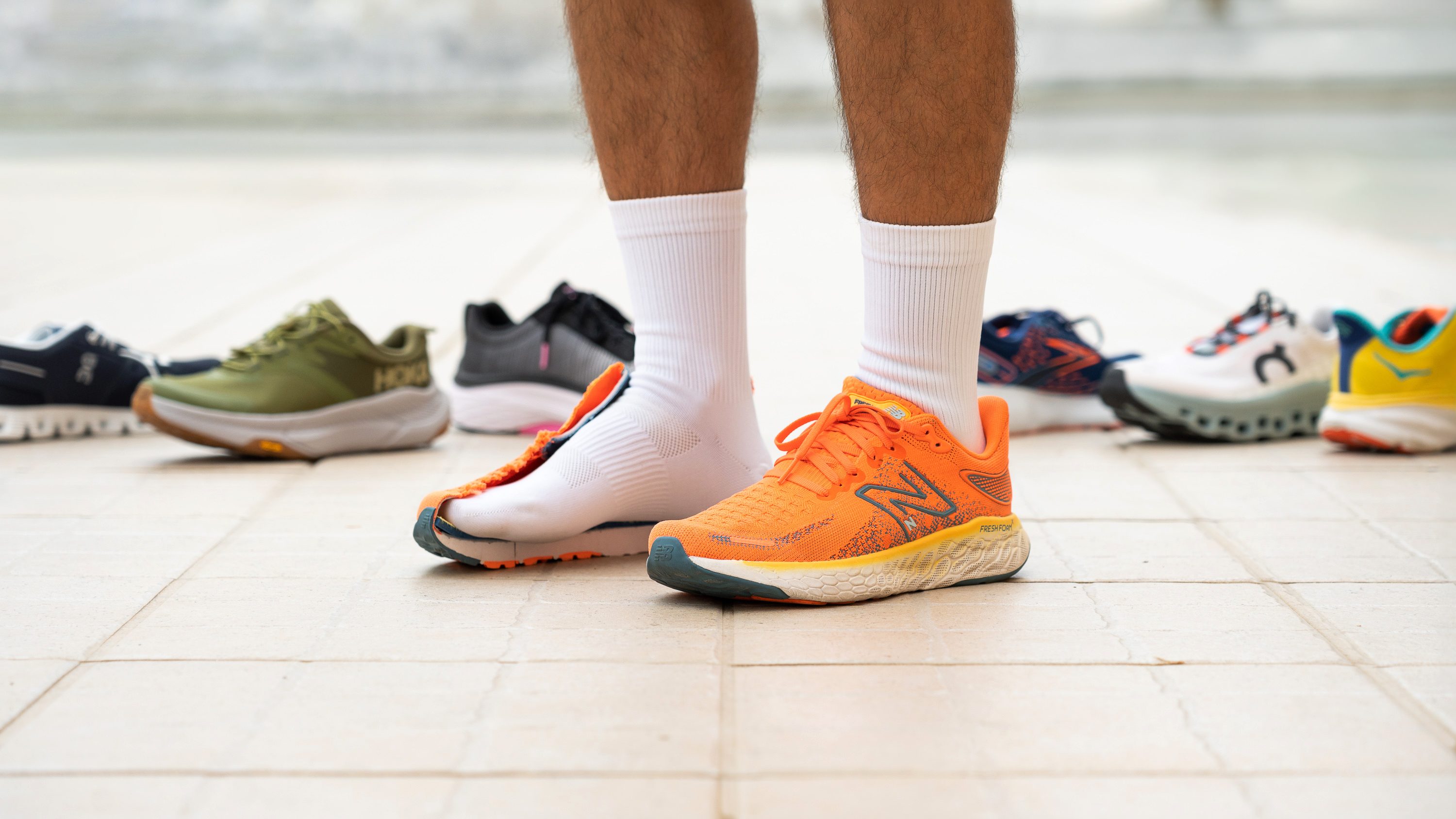
To understand the value of a dedicated walking shoe, we must dissect its construction. Unlike running shoes, which are built for forward momentum and impact absorption from a heel-strike, walking shoes are engineered for the unique gait cycle of walking. This involves a heel-to-toe rolling motion with more constant ground contact. According to biomechanics literature from institutions like the University of Calgary’s Human Performance Lab, the walking gait generates distinct pressure patterns. A proper walking shoe addresses these with specific features. The midsole, often composed of advanced materials like polyurethane or compression-molded EVA, provides cushioning that is resilient yet responsive, not overly soft. The heel counter—the firm cup at the back—is crucial for stability, preventing excessive pronation or supination (the inward or outward roll of the foot). Furthermore, the flex point of the shoe must align with the natural flex point of your foot, allowing for a smooth toe-off. As Dr. Casey Kerrigan, a former Harvard Medical School professor and founder of a biomechanics-focused footwear company, once stated in an interview, “Shoes should work with your feet, not against them. The goal is to minimize the energy your body expends with each step, reducing fatigue and strain.” This scientific approach to design is what separates a genuine walking shoe from casual sneakers or fashion footwear.
Cushioning vs. Support: The Critical Balance
A common misconception is that more cushioning equates to more comfort. This is a dangerous oversimplification. Imagine walking on a mattress all day; your feet and leg muscles would work overtime to stabilize you, leading to fatigue. The same principle applies to shoes. Excessive, overly soft cushioning can destabilize the foot. The key is a balanced system where cushioning absorbs shock while the shoe’s structure provides guided support. Brands like Brooks and ASICS invest heavily in research, developing technologies like GuideRails or Dynamic DuoMax Support that focus not just on cushioning but on controlling excess movement. This is particularly vital for walkers who cover significant distances. A review of popular queries on platforms like Quora and Runner’s World forums reveals that persistent knee or hip pain after walking is often traced back to shoes that are too soft and lack adequate arch and heel support. Therefore, when you seek out a walking shoe, you must look for engineered support systems integrated into the midsole and chassis, not just a thick, plush layer. It’s the difference between passive comfort and active, biomechanically sound comfort that protects your joints over the long term.

The Style Evolution: No Longer a Sacrifice
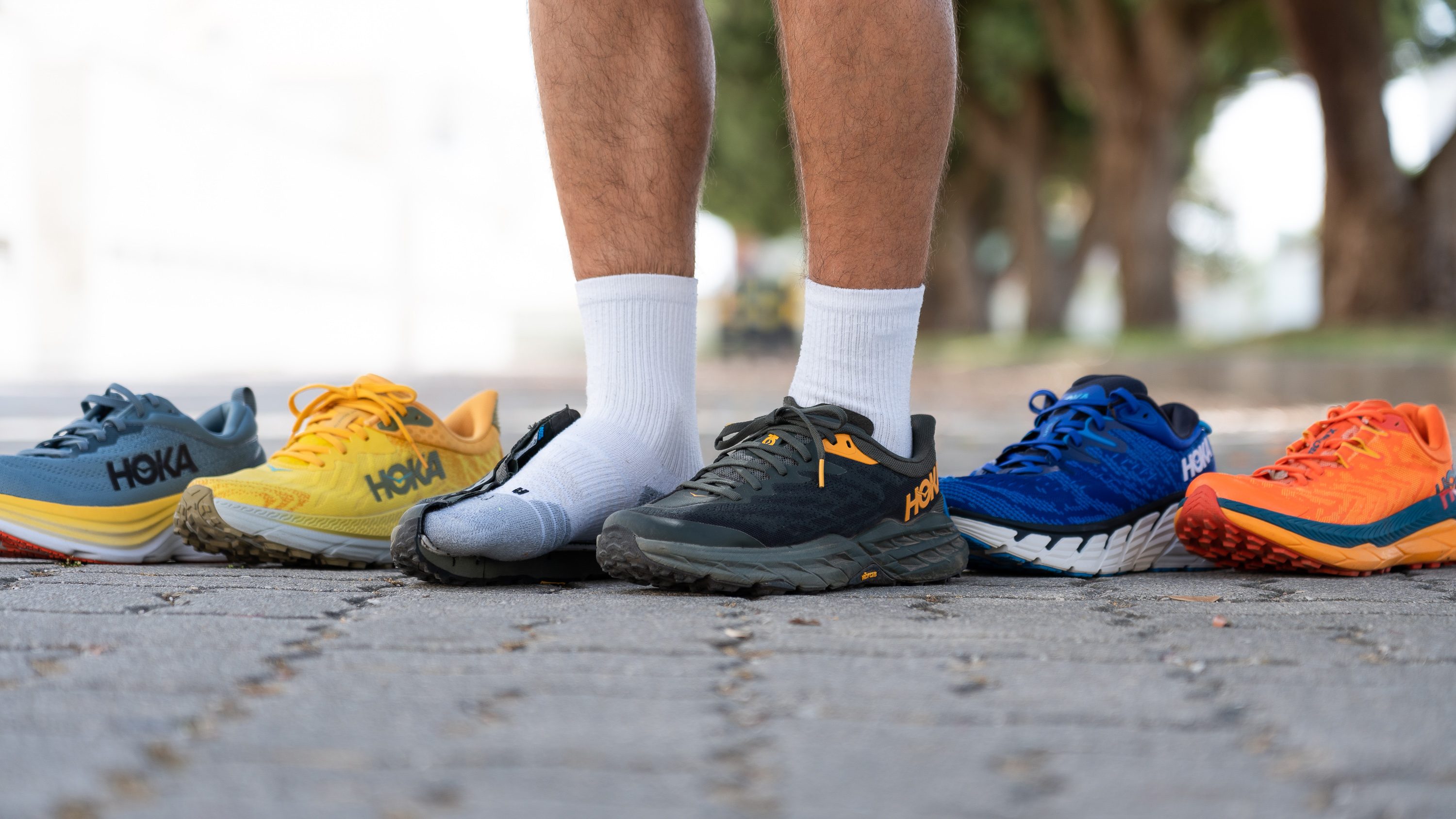
Gone are the days when functional shoes were clunky eyesores. The modern footwear industry has witnessed a seismic shift, driven by consumer demand for versatility. Today’s leading walking shoe models seamlessly integrate technical performance with contemporary design. Brands like HOKA, known for their maximalist cushioning, now offer sleek, low-profile models in versatile colorways that pair as easily with jeans as with athletic wear. Allbirds popularized the use of natural materials like merino wool and eucalyptus tree fiber, creating a minimalist, eco-conscious aesthetic that appeals to the urban professional. This fusion is not accidental; it’s a market response documented by trend analysts from sites like Business of Fashion, who note the “athleisure” trend’s maturation into a demand for “performance lifestyle” products. You can now find shoes with the torsional stability and rocker soles recommended by podiatrists, disguised in designs featured on fashion blogs. This means you can transition from a morning walk to a day of errands or even a casual workplace without compromising on support or style. The very definition of a walking shoe has expanded to encompass this duality, proving that aesthetic appeal and orthopedic integrity are not mutually exclusive.
Investment in Longevity: The True Cost Per Mile
Viewing a quality walking shoe as an expense is a short-sighted perspective. It is, in fact, an investment in your physical health and financial prudence. The engineering that goes into a reputable shoe from brands like New Balance, Saucony, or Mizuno involves durable rubber compounds for the outsole, resilient foam that resists compaction, and robust upper materials. These components are designed to withstand the 500-700 mile lifespan often cited by experts like those at the American Podiatric Medical Association. Contrast this with a cheap, poorly constructed pair whose cushioning collapses and support falters within a few months. The hidden cost of the latter is far greater: it can lead to overuse injuries such as plantar fasciitis, shin splints, or IT band syndrome, resulting in medical bills, physical therapy, and pain. Furthermore, the knowledge of when to replace your shoes is part of this investment. As the wear pattern on the outsole becomes pronounced or the midsole no longer springs back, the shoe loses its protective function. Regularly rotating between two pairs can also extend the life of each. Thus, the initial higher price of a premium walking shoe distributes over a longer, safer period of use, offering a vastly superior “cost per mile” and safeguarding your most valuable asset—your ability to move without pain.
:max_bytes(150000):strip_icc()/when-should-i-replace-my-walking-shoes-3436325-0801-7a1840d83573471092e0380f9e230ecc.jpg)
Making the Informed Choice: Your Path to the Perfect Pair
Armed with this knowledge, your purchasing journey should be deliberate. Start by understanding your foot type: a simple wet foot test can reveal if you have a neutral arch, low arches (potentially overpronating), or high arches (potentially underpronating or supinating). Many specialty running and walking stores offer gait analysis. Next, prioritize fit above all else. Your feet swell during the day, so shop in the afternoon. Ensure there’s a thumb’s width of space between your longest toe and the end of the shoe, and that the heel is snug without slipping. Don’t be enslaved by your usual size; brand sizing varies. The rise of direct-to-consumer brands and online marketplaces has increased competition, leading to frequent sales on last season’s colorways or models. Websites often offer significant discounts, making top-tier technology from brands like Brooks Glycerin or HOKA Bondi accessible. Remember, the most expensive shoe is not necessarily the best for you; the right shoe is the one that addresses your individual biomechanics and fit preferences. This informed approach, combining professional knowledge with savvy shopping, empowers you to find a shoe that feels like an extension of your body.
The pursuit of the perfect walking shoe is a journey toward self-care. It is an acknowledgment that every step you take—whether on a city sidewalk, a forest trail, or the polished floor of a grocery store—deserves a foundation of support and comfort. By choosing footwear that marries scientific insight with modern design, you are not just buying a product; you are investing in the quality of your movement and the joy of your daily journeys. Let your steps be confident, comfortable, and unequivocally stylish.
