

Step Into Style: The Ultimate Guide to Toe Walker Shoes
Forget everything you thought you knew about corrective footwear. The landscape has shifted, merging clinical necessity with contemporary design. We’re moving beyond the bulky, purely functional devices of the past into an era where support and style are not mutually exclusive. This guide is dedicated to exploring the world of modern toe walker shoes, a category redefined by innovation, science, and a profound understanding that confidence is a critical component of any therapeutic journey. Whether you’re seeking solutions for a child or an adult, the goal is the same: to provide the necessary biomechanical support without compromising on personal expression or comfort. This isn’t about masking a need; it’s about celebrating a step forward, quite literally, with footwear that empowers from the ground up.
Demystifying Toe Walking: More Than Just a Habit
Toe walking, or idiopathic toe walking (ITW) when no underlying medical condition is identified, is a gait pattern where an individual walks on the balls of their feet with no heel contact. While common in toddlers as they learn to walk, persistent toe walking beyond the age of three often warrants attention. The implications are more than cosmetic. According to research from institutions like the Gait Analysis Laboratory at Connecticut Children’s Medical Center, habitual toe walking can lead to shortened Achilles tendons, reduced range of motion in the ankle, and altered biomechanics that affect the knees, hips, and lower back. It can be associated with sensory processing differences, as noted in literature from the STAR Institute for Sensory Processing, or neurological conditions. The primary therapeutic aim is to encourage a heel-to-toe gait pattern to promote proper musculoskeletal development and prevent long-term complications. This is where specialized footwear becomes a cornerstone of intervention, moving from a passive brace to an integrated part of daily life.
The Evolution of Support: From Rigid Braces to Dynamic Shoes
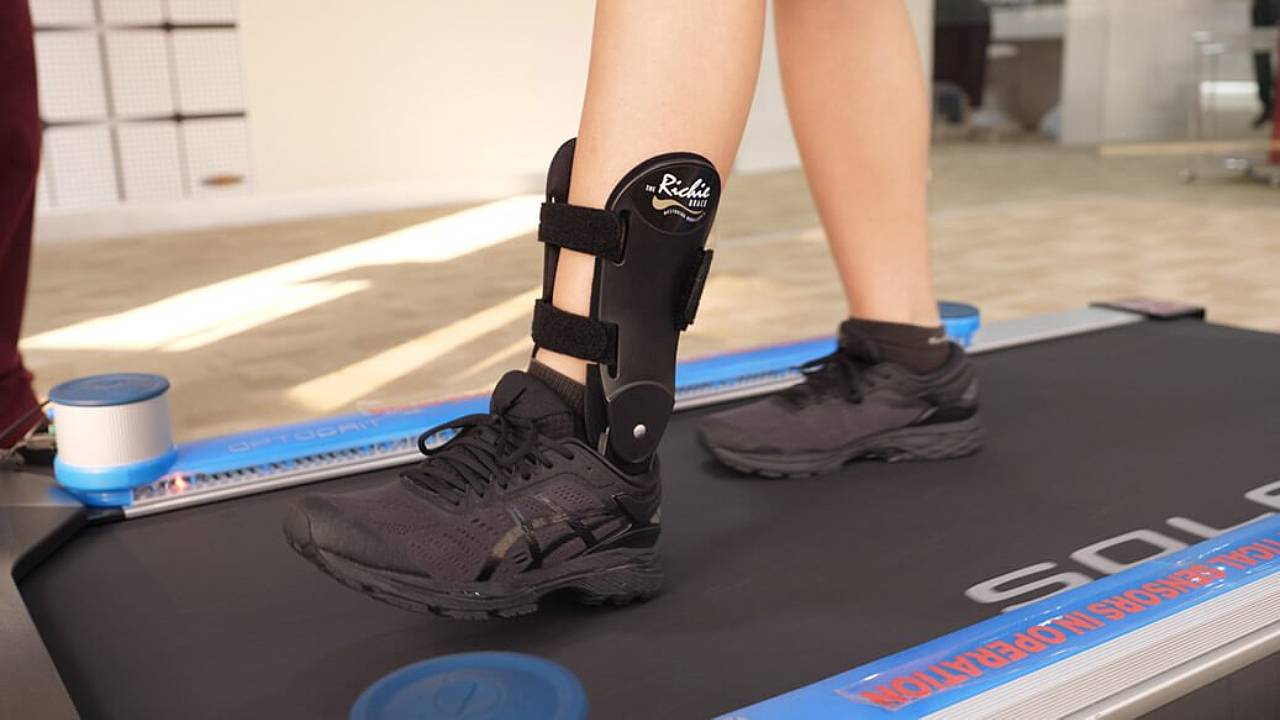
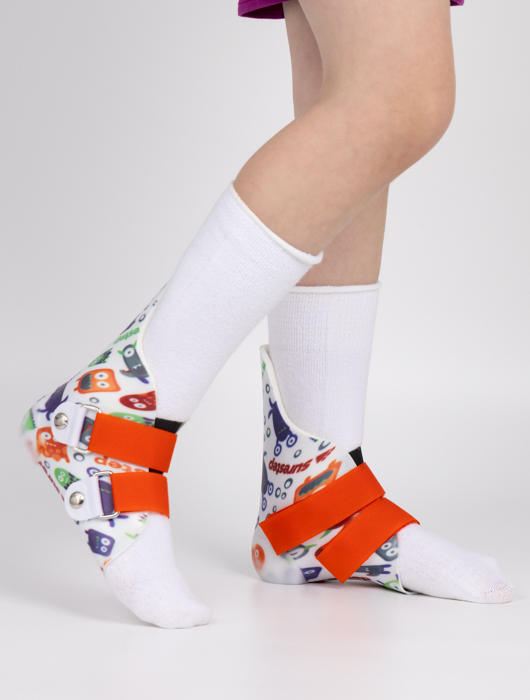
The history of managing toe walking is a story of technological progress. Early interventions often relied on rigid ankle-foot orthoses (AFOs) made of hard plastic, which, while effective at restricting plantar flexion, were often criticized for being cumbersome, uncomfortable, and socially stigmatizing for the wearer. The paradigm began to change with the introduction of dynamic, flexible systems. Companies like SureStep pioneered this shift with Supramalleolar Orthotics (SMOs), which provide targeted support just above the ankle bones, allowing for more natural movement while still guiding the foot into a corrected position. This philosophy has now fully permeated the footwear industry itself. Modern toe walker shoes are engineered from the inside out. They incorporate features like built-in, flexible heel counters to stabilize the rearfoot, rocker soles to facilitate a smoother heel strike and roll-off, and ample toe boxes to accommodate orthotics if needed. The goal is no longer to immobilize, but to guide, correct, and support the foot’s natural movement within a healthy range, making the corrective process more organic and less intrusive.
Core Engineering: What Makes a Shoe a “Toe Walker” Shoe?
Not every supportive shoe qualifies. True toe walker shoes are built on specific, non-negotiable principles grounded in podiatric science. First is Heel Stability. A firm, extended heel counter is essential. It cups the calcaneus (heel bone) to prevent the foot from sliding forward and the heel from lifting, which is the primary action of toe walking. This counter must be rigid enough to provide control but padded for all-day comfort. Second is Forefoot Flexibility. Paradoxically, while the heel is stabilized, the front of the shoe must allow for natural toe flexion during push-off. A completely stiff sole would create an unnatural, slapping gait. Third is the Rocker Profile. Many therapeutic shoes feature a slight upward curve at the toe and a beveled heel. This biomechanical design, often discussed in podiatry journals, reduces the effort required to initiate a step and encourages a proper heel-to-toe rocking motion. Finally, Secure Closure Systems are critical. Laces, hook-and-loop straps (like Velcro), or multiple adjustable straps ensure the foot is held securely within the supportive structure of the shoe, preventing internal slippage that undermines the corrective mechanics. As noted by Dr. Jane Andersen, a past president of the American Association for Women Podiatrists, “The right shoe functions as an external skeleton for the foot, guiding alignment without taking over the work of the muscles and tendons.”
Style as Therapy: The Psychological Power of Choice
For decades, the emotional and social impact of corrective footwear was an afterthought. Today, it’s recognized as a vital part of compliance and success. A child who loves their sparkly sneakers or light-up shoes is far more likely to wear them consistently. An adult who finds a sleek, minimalist design that looks like mainstream fashion will wear it with confidence, integrating therapy seamlessly into their lifestyle. This is not a superficial concern. The psychological principle of self-efficacy—the belief in one’s ability to execute behaviors necessary to produce specific performance attainments—is directly supported by feeling good about one’s tools. When toe walker shoes are available in a variety of colors, patterns, and designs that mirror popular trends, they transform from a medical reminder into a personal accessory. Brands are now collaborating with designers to create collections that are featured in mainstream fashion reviews, not just medical catalogs. This shift acknowledges that treating the whole person means addressing dignity, identity, and self-esteem alongside biomechanics. The right pair doesn’t just correct a gait; it can uplift a spirit.

Integrating Orthotics: A Seamless Partnership
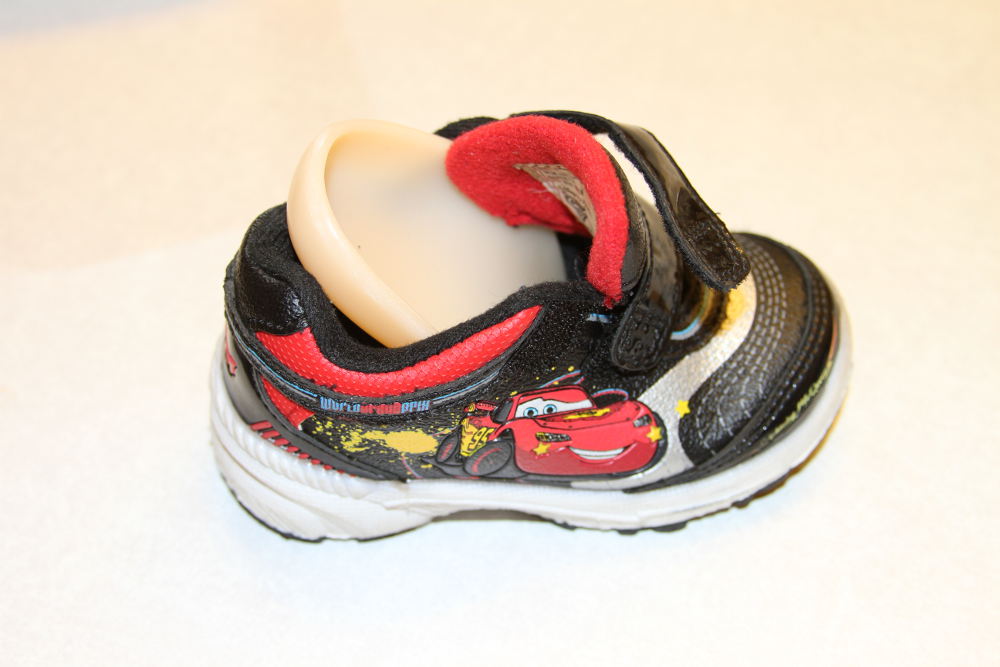
For many individuals, the perfect system involves a combination of a custom orthotic and a specifically chosen therapeutic shoe. The shoe is the foundation; the orthotic is the personalized blueprint. The best toe walker shoes are designed with this partnership in mind. They feature removable insoles to create the depth needed for a custom orthotic without cramping the foot. They have a wide base and a straight last (the shape of the sole) to provide a stable platform for the orthotic to function correctly, preventing the foot from rolling inward excessively. The closure system must be adjustable enough to accommodate the added volume. As physical therapists often explain, an orthotic placed inside an ill-fitting, flexible shoe is like putting a high-performance engine in a chassis that can’t handle it—the benefits are lost, and the structure fails. The synergy between a well-made shoe and a properly prescribed orthotic is where the most significant functional gains are realized, offering customized support that addresses individual foot morphology and gait deviations.
Navigating the Market: A Curated Selection for Informed Decisions
The market now offers an array of options, from brands that have been in the therapeutic space for generations to new entrants blending athletic technology with corrective features. When evaluating, look for brands that are transparent about their design principles and often have consultations with pedorthists or podiatrists. Key brands might include Billy Footwear, known for their innovative zip-and-flip design that is fantastic for accommodating braces; Plae, which combines style with substantial heel counters and removable insoles; and Stride Rite’s adaptive collections, which are built on proven therapeutic lasts. For adults, brands like Drew Shoes or Orthofeet offer styles from casual to formal that incorporate deep chambers, stabilizing features, and premium comfort linings. Remember, the “best” shoe is the one that fits the individual’s specific foot shape, degree of need, and personal style perfectly. It’s advisable to seek a professional fitting from a certified pedorthist or a specialty shoe store where staff are trained to understand these unique requirements. They can provide access to a wider range of sizes and widths, including extra-depth options, which are often crucial for a proper fit with orthotics.
Investment in Wellness: Understanding Value and Cost
Quality therapeutic footwear represents an investment in long-term health and mobility. While prices can be higher than standard department store shoes—often ranging from $80 to $150 for children’s styles and $120 to $250 for adult styles—the value is justified by specialized materials, patented construction techniques, and lower production volumes. It’s crucial to view this not as a simple clothing purchase, but as a medical-adjacent device. Many flexible spending accounts (FSAs) or health savings accounts (HSAs) may allow for reimbursement with a doctor’s letter of medical necessity. Furthermore, the long-term cost of not addressing gait issues—potential physical therapy, more invasive interventions, or chronic pain management—far outweighs the initial outlay. To make this investment more accessible, savvy shoppers should look for seasonal sales from reputable online retailers, sign up for newsletters from therapeutic shoe companies for exclusive discounts, and consider slightly used options from dedicated resale groups or consignment shops that specialize in adaptive equipment. The goal is to secure the necessary tool without undue financial strain, making consistent wear and therapeutic progress achievable.
The journey toward a confident, healthy stride is multifaceted. It intertwines the precision of biomechanics with the nuance of human emotion. Today’s toe walker shoes stand at this intersection, offering a powerful synthesis of form and function. They are a testament to how far design and medicine have come, providing solutions that support the body while honoring the individual. The ultimate step forward is not just in the correction of a gait, but in the empowerment of the person taking each step, wrapped in technology, style, and the promise of moving freely through the world.
