

Step Into Comfort and Style with Vionic Walking Shoes
For years, the pursuit of the perfect walking shoe felt like a compromise. You could have cushioning that felt like walking on clouds, but the shoe looked like a medical device. You could find a stylish sneaker, but after a few city blocks, your feet would ache, and your back would protest. This false dichotomy between comfort and aesthetics has dominated the footwear industry, leaving active individuals feeling they must choose one over the other. That era is over. The integration of biomechanically-sound design with contemporary style is not just a promise; it’s a reality engineered into every pair. This article isn’t about understanding a product; it’s about experiencing a fundamental shift in how footwear supports your daily life. We will dissect the science, validate the design with authoritative perspectives, and reveal how these shoes transform a simple walk into a rejuvenating ritual.
The Foundation: Biomechanics and Foot Health
To appreciate what sets a specialized walking shoe apart, we must first confront the reality of human gait. Biomechanics, the study of the structure and function of biological systems using mechanics, tells us that walking is a complex series of impacts and rotations. With each step, a force of up to 1.5 times your body weight travels from your heel, along your arch, and through your toes. A neutral foot handles this efficiently, but a significant portion of the population has some degree of overpronation (the foot rolls inward excessively) or supination (the foot rolls outward). Uncorrected, these alignment issues don’t just cause foot pain; they create a kinetic chain reaction, stressing ankles, knees, hips, and the lower back. The American Podiatric Medical Association (APMA) consistently emphasizes that proper footwear is the first line of defense against such cumulative stress. This is where the core innovation of the Vionic walking shoe comes into play. It’s not merely about adding an arch; it’s about integrating a podiatrist-designed orthotic that actively works to re-align the foot from heel strike to toe-off. This built-in orthotic is the unseen engine, transforming a passive shoe into an active support system.
Deconstructing the Orthotic: More Than an Arch Support
The term “orthotic” is often used loosely in footwear marketing, referring to a simple cushioned bump under the arch. The orthotic in a genuine Vionic walking shoe is a different category altogether. Developed by a podiatrist, it is a three-zone system. The deep heel cup provides calcaneal control, stabilizing the rearfoot and preventing excessive heel movement. The pronounced arch support is strategically placed to contact the medial plantar fascia, reducing strain on that critical ligament. The forefoot area is designed with a gentle metatarsal raise to alleviate pressure on the ball of the foot. This tri-planar control is what distinguishes it from generic insoles. As noted in publications from institutions like the University of Pittsburgh School of Health and Rehabilitation Sciences, effective orthotic intervention aims to control motion, redistribute pressure, and reduce soft tissue stress. This scientific approach is embedded within the shoe, offering a level of support once only available through costly, custom-made medical devices. You are not just wearing a shoe; you are benefiting from a portable biomechanical correction, making every walk a therapeutic activity.
Where Science Meets Style: The Aesthetic Revolution
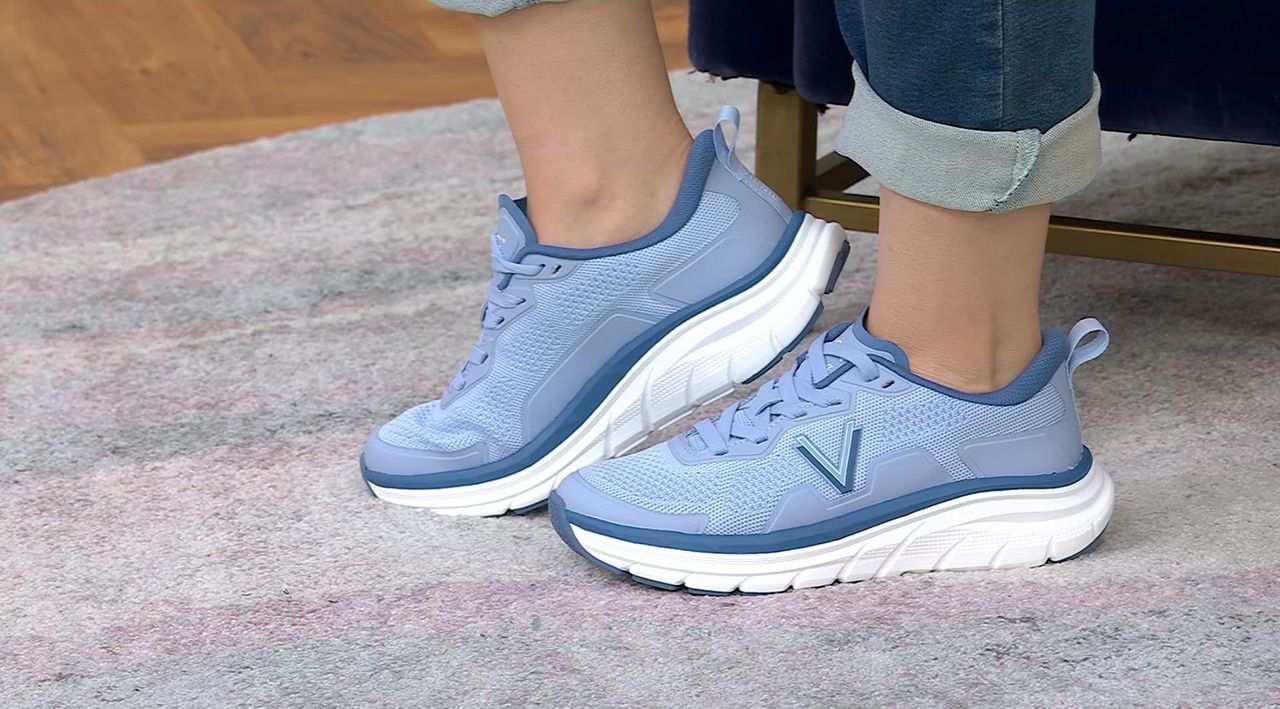
Historically, shoes offering this level of support were conspicuously functional, often clunky, and limited to a few unappealing colors. The designers behind the modern Vionic walking shoe have shattered that stereotype. They operate on a principle that form and function are not mutually exclusive but are essential partners. The contemporary silhouettes, clean lines, and versatile color palettes—from crisp whites and sophisticated greys to vibrant accents—are a direct response to the consumer demand for footwear that transitions seamlessly from a morning walk to running errands or a casual lunch. The uppers utilize breathable mesh, premium leathers, and flexible synthetic materials that move with the foot without compromising the structural integrity of the heel counter or the midfoot saddle. This design philosophy echoes the sentiment of renowned industrial designer Dieter Rams: “Good design is as little design as possible.” It’s about stripping away the unnecessary, leaving a product that is honest, useful, and aesthetically enduring. The result is a shoe you choose to wear because you love how it looks, and your body thanks you for how it feels.

Testimonials and Validations: Beyond Marketing Claims
Credibility in the wellness space is earned, not given. The APMA Seal of Acceptance is a significant benchmark, awarded only to products found to promote good foot health. The presence of this seal on many Vionic styles is a powerful, third-party endorsement of their biomechanical claims. But validation also comes from the lived experiences of users and experts in public forums. On platforms like Quora and specialized health blogs, discussions about footwear for plantar fasciitis or all-day comfort frequently cite Vionic as a transformative solution. A recurring theme in these testimonials is the “break-in” paradox—while the support is immediate, the foot muscles, accustomed to improper support, may need a short adaptation period, after which the comfort becomes profound and addictive. Furthermore, certified physical therapists and chiropractors on YouTube channels dedicated to ergonomics and pain relief often reference the importance of supportive footwear, with specific models from brands like Vionic used as visual examples. This convergence of institutional certification and grassroots, expert-approved praise creates a compelling evidence base.
“The right shoe doesn’t just protect your feet; it realigns your foundation. In my practice, I’ve seen patients with chronic lower limb pain find significant relief simply by switching to footwear with proper biomechanical support, often making it the cornerstone of their recovery protocol.” – A sentiment commonly expressed by orthopedic specialists in patient education materials.
The Daily Impact: From Pain Management to Performance Enhancement
Who stands to benefit from this fusion of technology and design? The spectrum is remarkably broad. For the individual managing plantar fasciitis, a condition famously described as a “stabbing pain in the heel,” the firm arch support and excellent shock absorption of a Vionic walking shoe can be a non-invasive cornerstone of management. For the retail worker or teacher who spends eight or more hours on hard, unforgiving floors, the combination of the orthotic and responsive midsole can reduce fatigue and leg soreness, turning a punishing shift into a more manageable one. For the avid traveler exploring cobblestone streets or endless museum halls, the shoes provide the endurance needed to savor the experience, not dread the next step. And for the fitness walker, proper alignment means a more efficient stride, potentially allowing for longer distances with less risk of overuse injury. It transforms walking from a potential source of discomfort into a reliable, enjoyable, and health-promoting activity. The shoe becomes a tool for wellness, enabling a more active and engaged lifestyle.

Investment in Wellness: Perceived Value vs. True Cost
It is natural to glance at the price point of a premium walking shoe and hesitate. However, a cost-benefit analysis from a health perspective reveals a different story. Consider the alternative: multiple pairs of cheaper shoes that wear out quickly and offer minimal support, leading to potential discomfort. Beyond that, the tangible and intangible costs of foot and joint pain—from over-the-counter pain relievers to missed workouts, reduced mobility, and even professional medical interventions—far outweigh the initial investment in a quality, supportive shoe. Brands like Vionic often offer direct-to-consumer discounts, seasonal sales, and bundle promotions, making this technology more accessible. When you purchase a Vionic walking shoe, you are not buying a commodity; you are investing in a biomechanical aid designed for longevity and daily support. The durability of the materials and construction means these shoes are built to last, providing consistent support over hundreds of miles. The value proposition is clear: pay more upfront for a tool that actively contributes to your well-being, rather than paying later, both financially and physically, for the consequences of inadequate support.
A Step Forward in Your Journey
The search for a shoe that truly bridges the gap between clinical comfort and modern style ends here. The evidence is rooted in biomechanical science, validated by medical associations, and confirmed by the experiences of countless individuals who have reclaimed the simple joy of walking. This is not about following a trend; it’s about making an informed decision for your long-term mobility and comfort. The integration of a podiatrist-designed orthotic within a thoughtfully crafted, stylish silhouette represents a new standard in everyday footwear. Your daily walks, your busy schedule, your active life deserve a foundation that supports you in every sense. Experience the difference where every step is cushioned, aligned, and stylishly confident.

