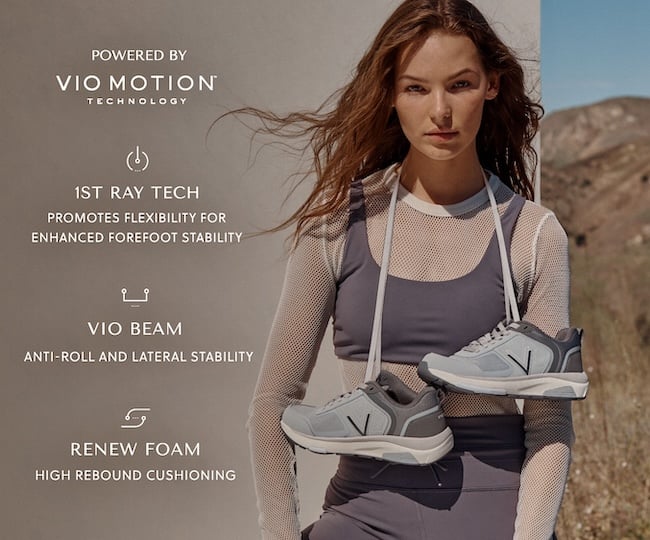
Discover Comfort and Style with Vionic Walking Shoes
For years, the quest for the perfect walking shoe felt like a compromise. You could have cushioning that felt like walking on clouds, but the style was often clinical, designed for function with little regard for form. Conversely, a sleek, fashionable sneaker might leave your feet aching after a few city blocks. This dichotomy between comfort and aesthetics has been a persistent frustration for anyone who values both well-being and personal expression. The arrival of biomechanically informed footwear has shifted this paradigm, and at the forefront stands a category defined by its unique approach: the vionic walking shoe. This isn’t merely about adding an insole; it’s about a foundational philosophy that re-engineers the relationship between your foot and the ground, offering a solution where robust support and contemporary design are not mutually exclusive but intrinsically linked.

The Foundation: Biomechanics and the Science of Support
To understand the value proposition of a specialized walking shoe, one must first appreciate the complex mechanics of the human foot. Podiatry and biomechanics, fields extensively documented in resources from institutions like the American Podiatric Medical Association and academic literature from universities such as the University of Bristol’s School of Physiology, Pharmacology and Neuroscience, describe the foot as a marvel of engineering. It contains 26 bones, 33 joints, and over 100 muscles, tendons, and ligaments. During the gait cycle—the sequence from heel strike to toe-off—this structure pronates (rolls inward) and supinates (rolls outward) to absorb shock and adapt to terrain. However, modern lifestyles, characterized by hard, flat surfaces and often unsuitable footwear, can disrupt this natural motion. Over-pronation, for instance, is a common issue where the arch collapses excessively, leading to a chain reaction of misalignment that can affect ankles, knees, hips, and even the lower back. The core innovation in a vionic walking shoe is its built-in orthotic footbed. Unlike a generic flat insole, this footbed is contoured with a deep heel cup, a pronounced arch support, and a forefoot cradle. This design is not arbitrary; it is based on the principles of proprioception and postural alignment. By providing structured support at these key points, the shoe guides the foot through a more natural, stable gait cycle. It reduces the strain on the plantar fascia—the ligament running along the bottom of the foot—which is often the source of heel pain and conditions like plantar fasciitis. This scientific foundation transforms the shoe from a simple covering into a therapeutic tool, actively participating in your musculoskeletal health with every step you take.
Where Engineering Meets Aesthetics: The Design Philosophy
The historical stigma of “orthopedic shoes” being clunky and unattractive has been thoroughly dismantled by brands that prioritize design integration. The challenge for designers is to encapsulate sophisticated biomechanical components within a silhouette that resonates with contemporary fashion trends. This requires a meticulous approach to material selection, color theory, and silhouette profiling. As noted by design thinkers like Don Norman in his seminal book “The Design of Everyday Things,” good design marries usability with desirability. A vionic walking shoe exemplifies this principle. The orthotic footbed is seamlessly integrated into the midsole, ensuring its supportive benefits are delivered without adding visual bulk. Upper materials range from premium leathers and suedes to advanced, breathable knit fabrics, chosen not only for durability and comfort but also for their textural appeal. Color palettes are carefully curated, moving beyond basic neutrals to include sophisticated hues and accent details that align with current apparel trends. The shape of the shoe is streamlined, often featuring clean lines and modern profiles that wouldn’t look out of place in a casual urban setting or a smart-casual work environment. This deliberate fusion ensures that the wearer does not have to choose between feeling good and looking good. The shoe becomes a versatile component of a personal style, suitable for a long day of travel, a busy schedule of errands, or a leisurely weekend outing, proving that supportive footwear can be a statement of savvy, health-conscious style rather than a medical necessity to be hidden.
The Long-Term Investment: Beyond Immediate Comfort
Purchasing a high-quality walking shoe is an investment in long-term wellness, a concept supported by both healthcare economics and personal fitness philosophy. Consider the analogy from renowned author and speaker Simon Sinek, who often discusses the importance of playing the “infinite game”—focusing on long-term resilience over short-term wins. Applying this to foot health, opting for footwear that prevents injury is a strategic, long-term play. Persistent foot discomfort can lead to compensatory behaviors—altering your stride, avoiding activity—which can have cascading negative effects on your overall physical health and mobility. A well-designed vionic walking shoe acts as a preventive measure. By promoting proper alignment, it helps distribute weight evenly, reducing pressure points and the wear-and-tear on joints. This can be particularly impactful for individuals who spend significant time on their feet, from healthcare professionals and teachers to retail workers and avid walkers. The durability of construction also plays a key role. High-grade rubber outsoles with strategic flex grooves offer lasting traction and flexibility, while quality uppers maintain their structure and appearance over time. When viewed through this lens, the price point transforms from a mere cost into a value calculation. It’s the value of pain-free mobility, sustained activity levels, and the avoidance of potential future expenses related to physical therapy or other interventions. This perspective elevates the shoe from a consumer product to an essential tool for maintaining an active, engaged lifestyle.
Integrating Expertise and Value: A Practical Guide
Embracing this category of footwear is most effective when paired with knowledge and smart acquisition. First, understanding your own foot type is crucial. While a podiatrist can provide the most precise analysis, a simple “wet test” (observing the footprint on a dry surface) can indicate whether you have high, neutral, or low arches. This knowledge helps you appreciate why the arch support in a biomechanical shoe is non-negotiable. Second, consider the activity. A shoe designed for the repetitive, heel-to-toe motion of walking has different requirements than a running shoe built for higher impact and forward propulsion. The rocker sole design found in many premium walking shoes, including some vionic walking shoe models, facilitates a smooth transition through the gait cycle, reducing strain on the Achilles and calf muscles. Now, regarding value: investing in quality does not preclude finding excellent deals. Reputable retailers often have seasonal sales, clearance events on previous colorways, or special promotions. Signing up for brand newsletters can provide access to exclusive discounts. The key is to recognize that even at a discounted price, the core technology—the orthotic footbed, the quality midsole, the durable construction—remains intact, delivering the same biomechanical benefits. This is where true value lies: acquiring professional-grade support and enduring comfort at a more accessible price point, making the investment in your health both wise and economical.

The journey to finding footwear that truly supports your life doesn’t end at the point of purchase. It begins a new chapter of daily experience. Imagine lacing up a pair of shoes that disappear underfoot in the best way possible—not because they lack presence, but because they function so harmoniously with your body that discomfort ceases to be a distraction. The arch support feels firm yet natural, the cushioning responds to your stride, and the fit secures your heel without constriction. This is the realized promise of biomechanically designed footwear. It allows you to engage fully with your environment, whether you’re navigating a bustling airport terminal, exploring a new city on foot, or simply managing the demands of a hectic daily routine. The style, a thoughtful blend of form and function, ensures you step out with confidence. The narrative of the uncomfortable shoe is not an inevitability; it is a solvable problem. By choosing a shoe built on the principles of support, durability, and design, like a vionic walking shoe, you are not just selecting an accessory. You are making a definitive choice for sustained comfort, enduring style, and the profound freedom of movement that comes from a foundation of genuine support.