

Comfort, Style, and Versatility for Every Step
We often speak of journeys, of paths taken and destinations reached, yet we seldom pause to consider the very foundation upon which every physical journey is built: the step. A single step is a marvel of biomechanical engineering, a complex transfer of weight and force that, when repeated thousands of times a day, demands thoughtful support. The quest for the perfect companion for this most fundamental action is not merely about footwear; it is a pursuit of harmony between the body’s needs and the demands of daily life. This harmony is found at the intersection of three non-negotiable pillars: profound comfort, authentic personal style, and true versatility. To achieve this is to unlock a form of daily liberation, where your shoes are not an afterthought but a seamless extension of your intent, empowering you from the first step of the morning to the last step of the night. The right walking shoe is the unsung hero of a well-lived day.
The Uncompromising Foundation: Decoding Comfort in a Walking Shoe
Comfort is often mistaken for mere softness, a plush feeling underfoot. In reality, scientific comfort in a walking shoe is a dynamic, multi-faceted system designed to manage the intricate gait cycle. According to biomechanics literature from institutions like the University of Calgary’s Human Performance Lab, the walking gait involves a heel strike, mid-stance, and toe-off. A shoe that caters to this cycle must provide cushioning, stability, and flexibility in precise measures. Cushioning, often provided by advanced polymer foams like Adidas’s Boost or Nike’s React, absorbs the shock of heel strike—a force that can be 1.5 times your body weight. However, as Dr. Casey Kerrigan, a former Harvard Medical School professor and founder of a biomechanics-focused footwear company, has stated in interviews, “The goal isn’t to create the softest shoe, but the most mechanically efficient. Excessive, mushy cushioning can actually destabilize the foot and lead to muscle fatigue.” True comfort lies in responsive cushioning that returns energy.
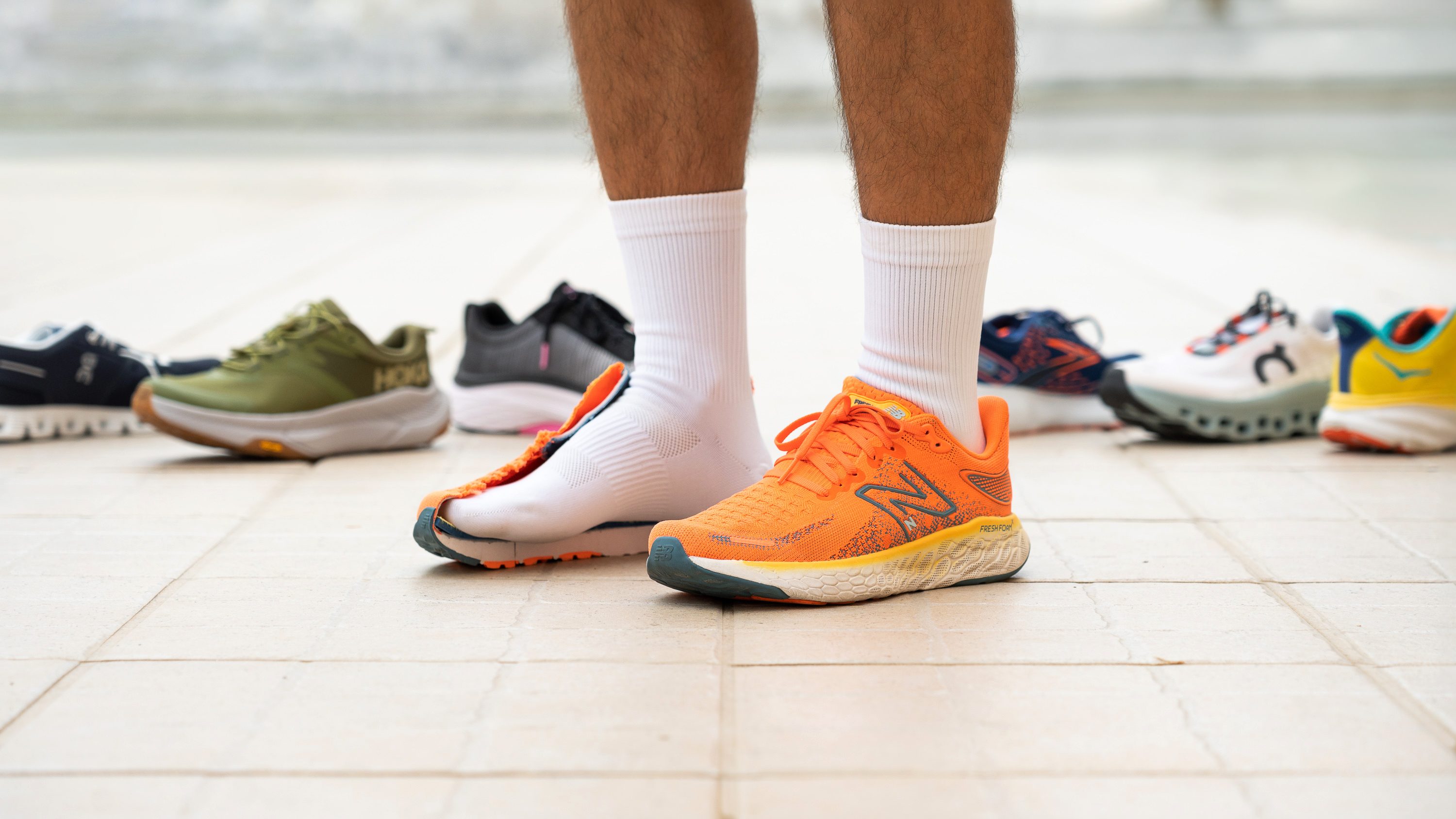
Arch Support and Stability: The Invisible Architecture
Beneath the cushioning lies the critical architecture of support. The arch of the foot acts as a natural shock absorber, and its support is paramount. This is not a one-size-fits-all proposition. Podiatrists categorize feet as neutral, overpronating (rolling inward), or supinating (rolling outward). A quality walking shoe will often feature a medial post—a firmer density of foam on the inner side—to gently correct overpronation. This concept is backed by research from the American Podiatric Medical Association, which emphasizes that proper motion control can prevent a cascade of issues from plantar fasciitis to knee pain. The heel counter, the firm cup at the back of the shoe, is another cornerstone of stability. It should be rigid enough to hold the heel firmly in place, preventing slippage and ensuring that the foot’s alignment is maintained with every step. When you try on a shoe, this is what you’re testing: does your foot feel cradled and guided, or is it swimming and fighting for position? The difference is the difference between comfort and compromise.
The Expression of Self: Style as Functional Aesthetic
To relegate style to a superficial concern is to misunderstand its profound psychological and social function. As fashion psychologist Dr. Dawnn Karen explores in her work on “mood dressings,” what we wear directly influences how we feel and how we are perceived. A walking shoe that you find genuinely stylish does not just cover your foot; it bolsters your confidence and aligns with your personal narrative. The evolution of athletic and walking shoe design over the past decade, chronicled by sites like Hypebeast and Complex, shows a definitive blurring of lines between performance wear and high fashion. Collaborations between brands like Hoka and fashion labels, or the ubiquitous adoption of classic styles like the New Balance 990 series by style icons, prove that performance and aesthetic are no longer mutually exclusive. You are not choosing between a “comfort shoe” and a “fashion shoe.” The modern market demands both.
:max_bytes(150000):strip_icc()/vwt-asics-womens-gel-pulse-16-jinfeng-chen-21-712f0f140e834b84b3a8dcf0bf154771.jpeg)
Color, Silhouette, and Context: Curating Your Mobility
Style in this context is about intentional curation. It involves considering color palettes that complement your wardrobe—neutral tones like grey, black, or olive offer immense versatility, while a strategic pop of color can define an outfit. The silhouette of the shoe is equally important. The chunky, maximalist soles popularized by brands like Hoka One One offer a distinct, modern look that communicates a certain athletic pragmatism. In contrast, the sleek, minimalist profile of an On Running sneaker or a leather walking shoe from Ecco presents a more tailored, urban-ready aesthetic. Your choice here speaks volumes before you utter a word. Furthermore, style must be contextual. The same shoe that looks perfect with technical trousers for a day of travel might not suit a casual Friday at the office with chinos. Therefore, building a small rotation of two key styles—perhaps a performance-focused pair and a smarter, leather-based option—becomes a strategy for versatile style. This is the essence of modern dressing: every piece, especially your shoes, should work hard for you, transitioning effortlessly across the varied stages of your life.
The Ultimate Test: Versatility Across the Spectrum of Your Day
Versatility is the practical synthesis of comfort and style. It answers the question: “Can this single pair of shoes handle the unpredictable, multi-surface, multi-activity reality of my day?” A truly versatile walking shoe is a workhorse. It is the shoe you can wear for a 30-minute brisk walk on asphalt park paths in the morning, stand comfortably in for hours while running errands or visiting a museum, and still feel presentable in for an impromptu lunch meeting. This requires a careful balance. The outsole needs a durable rubber compound with a tread pattern that provides grip on both wet pavement and polished supermarket floors, but isn’t so aggressively lugged that it feels out of place indoors. The upper material must be breathable for active periods, yet robust enough for incidental weather and scuffs.
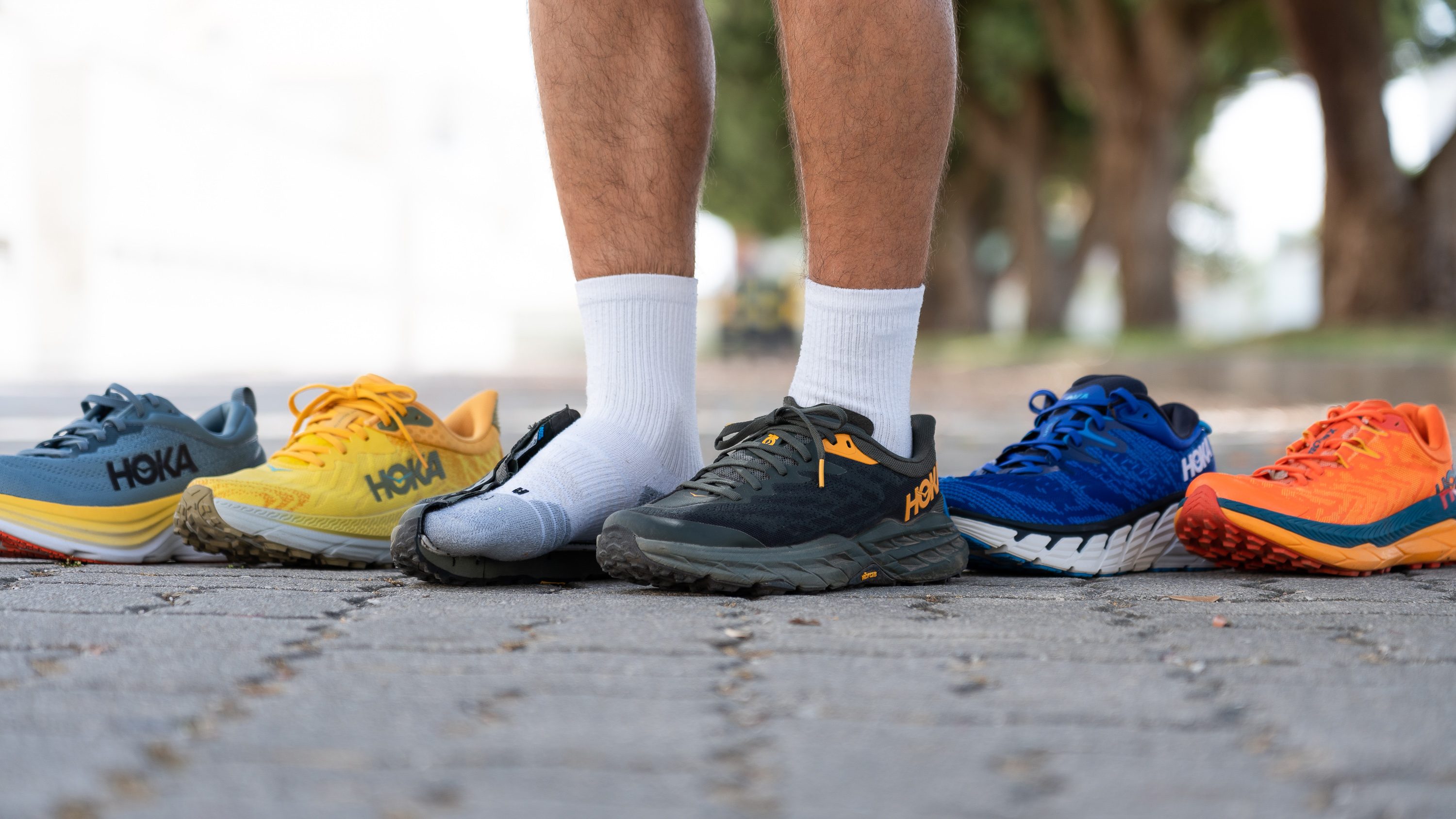
The Weight of Activity: Lightness as a Feature
A critical, often overlooked component of versatility is weight. As noted in runner’s forums on Quora and analyses by sites like Runner’s World, every extra ounce on your foot equates to significantly more energy expended over thousands of steps—a concept sometimes called the “weight penalty.” A heavy shoe will fatigue you faster, directly limiting its versatile utility. Modern manufacturing techniques, such as seamless knitted uppers and engineered mesh, allow brands to create supremely supportive shoes that are astonishingly light. This lightness translates directly to all-day endurance. When evaluating a shoe’s versatility, perform a simple “daily simulation” test in the store: mimic walking, standing, and a slight stair climb. Does the shoe feel like a partner, or a burden? The right tool should feel like an extension of yourself, forgotten until consciously considered, enabling you to move through the world with unthinking ease. This is the hallmark of a great walking shoe.
Investment and Intelligence: The Long-Term View on Footwear
Acquiring a shoe that excels in comfort, style, and versatility is an investment in your physical well-being and daily satisfaction. It is also a financially intelligent decision when viewed through the lens of cost-per-wear. A cheaper, single-purpose shoe that causes discomfort and sits in the closet offers poor value. In contrast, a slightly higher initial investment in a superior, multi-role pair that you wear constantly delivers immense value. It is the embodiment of the philosophy often attributed to the cobbler John Lobb, or echoed by style icons like Warren Buffett in his advocacy for quality: “Price is what you pay. Value is what you get.”
:max_bytes(150000):strip_icc()/when-should-i-replace-my-walking-shoes-3436325-0801-7a1840d83573471092e0380f9e230ecc.jpg)
Knowing When to Let Go: The Science of Shoe Longevity
This investment must be protected with knowledge. The cushioning midsole of a shoe, its primary shock absorber, compresses and loses resiliency over time, long before the outsole wears out. Most podiatrists and shoe manufacturers, referencing studies on material fatigue, recommend replacing dedicated walking shoes every 300 to 500 miles. For the average person, this translates to roughly every six to nine months of regular use. Ignoring this is a false economy, as worn-out shoes can lead to alignment issues and injury, costs that far outweigh a new pair. Therefore, part of your intelligent strategy is to monitor the mileage and feel of your shoes, and to plan for their replacement as part of your wellness budget. Many reputable retailers offer seasonal discounts, membership programs, and outlet sales, making top-tier technology accessible. Bringing this professional knowledge of longevity and seeking out these value opportunities is how you sustain peak performance without straining your finances.
The journey of ten thousand miles, as the adage goes, begins with a single step. Make that step, and every one that follows, an act of supported, confident, and adaptable movement. Choose a shoe that offers not just a place for your foot, but a platform for your life. In the synthesis of engineered comfort, authentic style, and rugged versatility, you find more than a piece of footwear. You find a daily ally, ready for every path, visible or unforeseen. That is the promise fulfilled by the right walking shoe.
