

Your Ultimate Guide to Stylish and Comfortable Everyday Footwear
Let’s be honest: for years, the world of everyday shoes presented a false choice. On one side, there were impeccably stylish options that left our feet pleading for mercy after a few hours. On the other, there were supremely comfortable shoes that, while functional, often sacrificed any claim to contemporary aesthetics. This divide is no longer necessary. Today, the most exciting development in personal style is the seamless fusion of biomechanical support and design intelligence. The right pair of shoes doesn’t just complete an outfit; it empowers your day, supports your body, and reflects a conscious choice to prioritize well-being without compromise. This guide is dedicated to dismantling the old paradigms and providing you with the knowledge to select footwear that truly serves you, blending cutting-edge materials, ergonomic science, and timeless design into every step you take.
The Foundation: Why Your Choice of Walking Shoe Matters More Than You Think
Consider your feet as the foundational pillars of your entire musculoskeletal structure. According to research from the American Podiatric Medical Association, the average person takes between 4,000 and 6,000 steps per day. Over a lifetime, that accumulates to millions of impacts that travel from your heel, through your arches, and up into your ankles, knees, hips, and spine. A poorly designed walking shoe does more than cause blisters; it can misalign your natural gait, leading to a cascade of issues from plantar fasciitis to chronic back pain. The science of gait analysis, often utilized in sports medicine and biomechanics labs at institutions like Stanford University, reveals that footwear acts as an interface between your body and the ground, influencing pressure distribution and kinetic energy. Therefore, selecting a shoe isn’t a mere fashion whim—it’s a critical decision for long-term physical health. The modern walking shoe is engineered to be a tool for prevention, offering cushioning that absorbs shock, arch support that maintains the foot’s natural posture, and flexible soles that facilitate the foot’s natural rolling motion from heel strike to toe-off.

Decoding Comfort: The Anatomy of a Superior Walking Shoe
To understand what makes a great walking shoe, we must dissect its components. The upper, traditionally made of leather, is now often constructed from engineered meshes and knit fabrics. These materials, as highlighted in material science reviews, provide breathability, adaptive stretch, and significant weight reduction. The midsole is the heart of comfort. Technologies like EVA (ethylene-vinyl acetate) foam, polyurethane, and proprietary compounds like Adidas’s Boost or Hoka’s Profly+ are designed for responsive cushioning. As Dr. Casey Kerrigan, a former Harvard Medical School professor and founder of a biomechanics-focused footwear company, once stated in an interview, “The goal is not to create the softest shoe, but the most mechanically efficient one. It’s about managing the forces of walking to reduce joint loading.” The outsole requires a balance of durability and flexibility. Carbon rubber is tough for high-wear areas, while blown rubber is lighter and offers better grip. Finally, the insole or sockliner is your shoe’s internal ecosystem, often featuring antimicrobial treatments and contoured arch support. A well-designed walking shoe integrates these elements harmoniously, ensuring that each part works in concert to protect and propel you.
Style is Not an Add-On: The Evolution of Aesthetic in Functional Footwear
The notion that “comfortable shoes can’t be stylish” is a relic of the past. The driving force behind this shift is a consumer demand for authenticity and versatility. We no longer live in segmented worlds of “work clothes” and “leisure clothes”; our footwear must transition seamlessly. Designers are now collaborating with podiatrists and biomechanists. The result is footwear that boasts clean lines, minimalist profiles, and a color palette ranging from understated neutrals to bold statements, all built upon a platform of advanced engineering. Brands like Allbirds, with their focus on sustainable merino wool and sugarcane-based foam, or Cole Haan’s integration of Grand.ØS technology into dressier silhouettes, exemplify this trend. This evolution mirrors a broader cultural movement, one that values holistic well-being. As fashion critic Vanessa Friedman noted in The New York Times, “The rise of the luxury sneaker and the elegant flat isn’t just a trend; it’s a redefinition of what constitutes appropriate and intelligent dressing for modern life.” Your walking shoe can now be the centerpiece of an outfit, signaling that you value both form and function.
Navigating the Market: Key Categories for Every Walk of Life
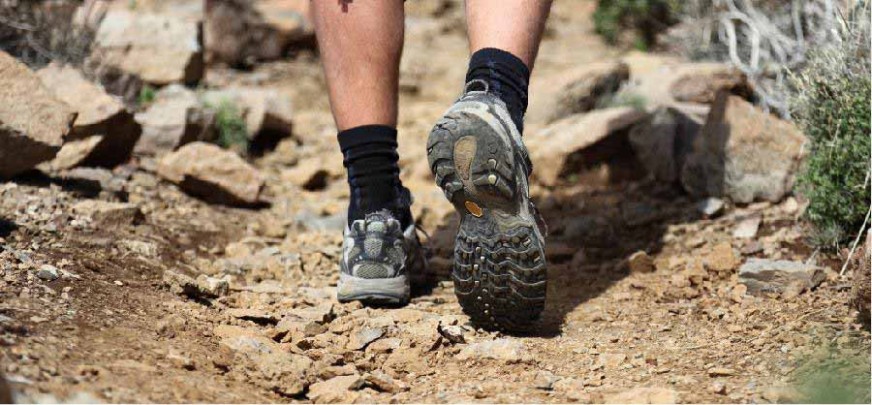
The ideal walking shoe is context-dependent. Your needs for a multi-mile urban hike differ from those for a day spent mostly standing or walking on varied terrain. Let’s break down the primary categories. First, the Maximalist Cushion Shoe. Pioneered by brands like Hoka One One, these shoes feature exceptionally thick, soft midsoles designed for ultimate shock absorption. They are ideal for those with joint concerns or who walk primarily on hard surfaces like concrete. As ultramarathon runner and YouTube reviewer Seth James DeMoor often emphasizes, “The rocker geometry in many maximalist shoes promotes a smooth gait cycle, reducing strain on the calf and Achilles tendon.” Second, the Lightweight Trainer. Models from brands like Nike (Free series) or Brooks (Launch) prioritize flexibility and a “barefoot-like” feel while still offering protection. They suit those with a more neutral gait who want a shoe that disappears on the foot. Third, the Stability Walking Shoe. These incorporate features like medial posts or dual-density foam to correct for overpronation (inward rolling of the foot). Brands like Asics (Gel-Kayano series) and Saucony (Guide series) excel here. Finally, the All-Day Comfort Casual. This category includes stylish sneakers, leather walking shoes, and even supportive sandals from brands like Ecco or Vionic, which are designed with orthotic principles for all-day wear without sacrificing appearance.
The Fitting Principle: More Than Just a Size Number
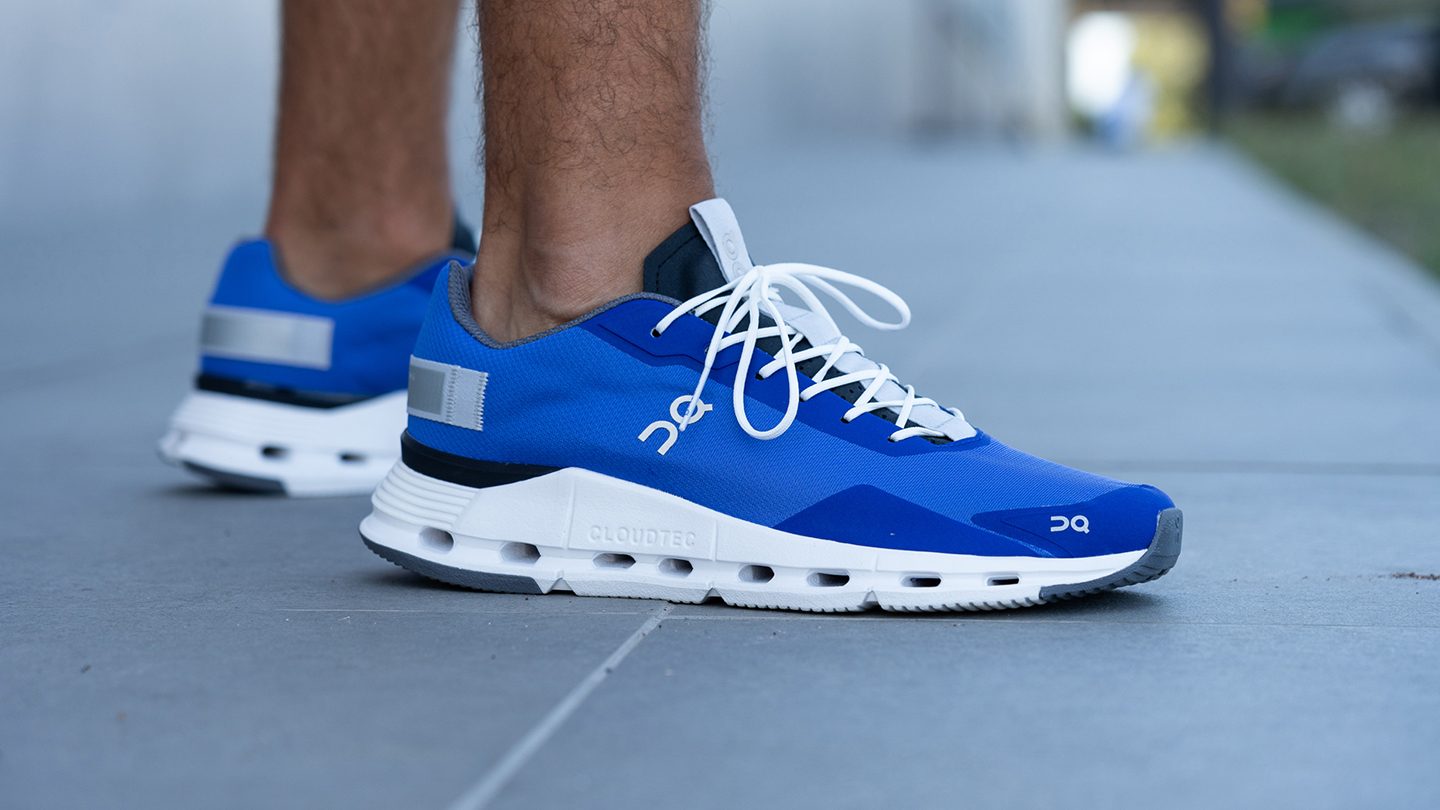
Perhaps the most critical step in your journey is the fitting process. A shoe can have perfect reviews and groundbreaking technology, but if it doesn’t fit your unique foot, it will fail. Professional fitting advice, consistent across sources from Runner’s World to expert podiatrists on Quora, highlights several non-negotiable rules. First, always get fitted in the afternoon or evening, as feet naturally swell throughout the day. Second, wear the socks you intend to use with the shoes. Third, width is as crucial as length. There should be about a thumb’s width (roughly 3/8 to 1/2 inch) of space between your longest toe and the end of the shoe. The heel should fit snugly without slipping. The shoe should bend at the same point your foot bends—the ball of your foot. Don’t assume your size is static; brand variations and model updates mean you must try on every pair. Remember, the breaking-in period for a modern, well-fitted walking shoe should be minimal. Discomfort in the store will only magnify on the sidewalk.
Investment and Value: Balancing Cost with Long-Term Benefit
High-quality footwear is an investment in your health, but that doesn’t mean you must pay full retail price. Understanding the product lifecycle is key. New models are typically released on a yearly or seasonal cycle. When a new version arrives, retailers discount the previous model, often offering savings of 30-50% on shoes that are still technologically advanced and perfectly functional. Signing up for brand newsletters or following reputable online retailers can alert you to these sales. Furthermore, consider the cost-per-wear metric. A $150 pair of shoes worn nearly every day for two years breaks down to about twenty cents per day. Compare this to a cheap, poorly made pair that causes discomfort and needs replacing in six months; the long-term value of the quality item is clear. Look for direct-to-consumer brands that bypass traditional retail markups, offering premium materials and construction at more accessible price points. Your pursuit of the perfect walking shoe should be informed, strategic, and ultimately rewarding to both your feet and your finances.
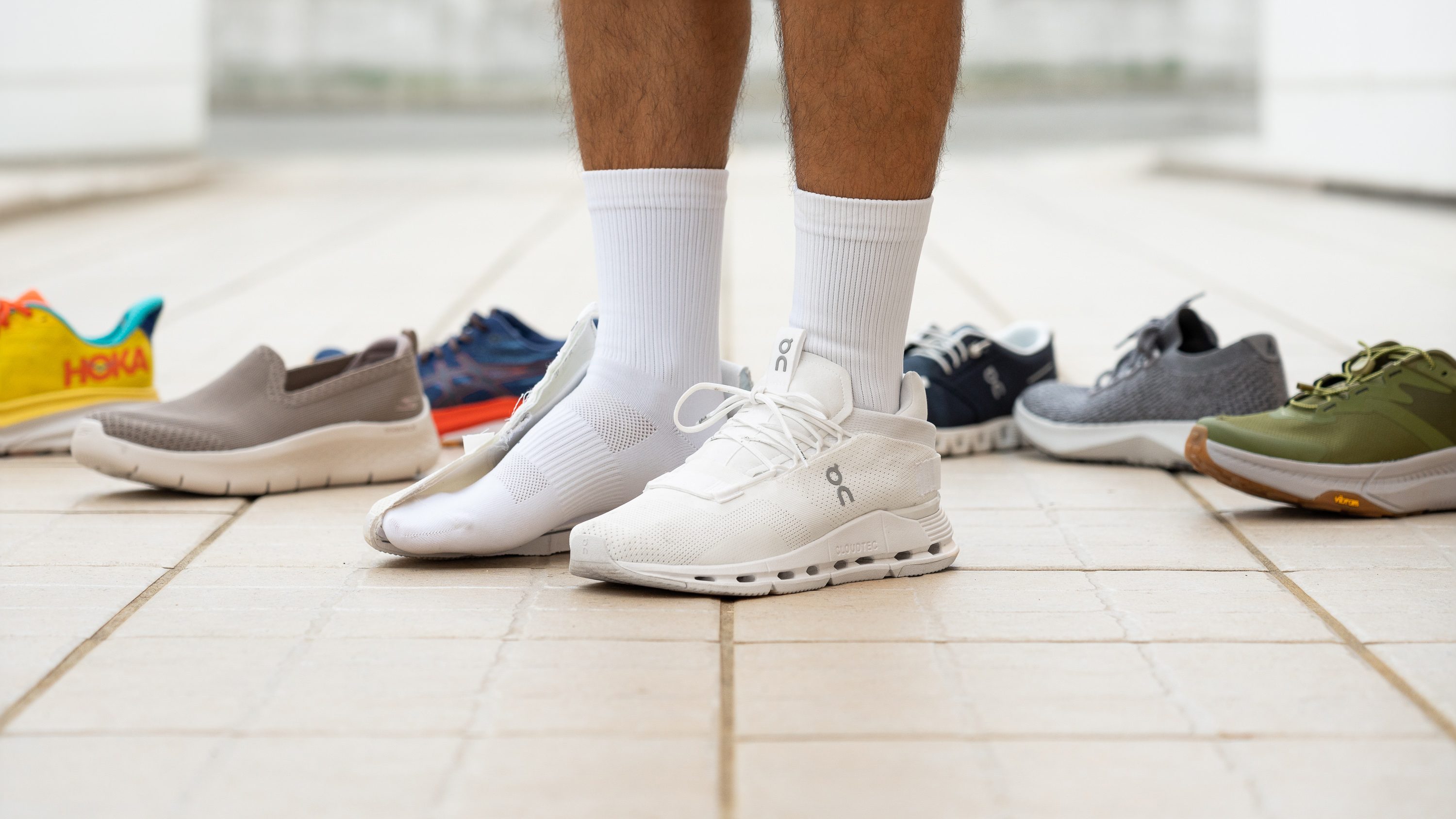
The journey to finding your ideal everyday footwear is an exercise in self-knowledge. It requires listening to your body, understanding the science of movement, and refusing to accept the outdated compromise between comfort and style. The perfect pair is out there—a synergy of engineered support, thoughtful design, and personal fit. It’s the shoe you forget you’re wearing because it moves with you, supports you, and effortlessly complements your life. Start by assessing your daily terrain, understand your gait, and invest in a proper fitting. From the maximalist cushioning of a Hoka to the sleek versatility of a modern leather sneaker, the market is rich with options designed for the way we live now. Make your choice a conscious one, and let every step be a testament to the beautiful synergy of well-being and style.
