

Your Ultimate Guide to Comfortable and Stylish Footwear for Every Outfit
For years, I chased style at the expense of my feet, believing discomfort was the inevitable price of looking good. That changed when I discovered that the right pair of shoes doesn’t force a choice between aesthetics and well-being; it unites them. This guide is born from that revelation—a comprehensive look at how to select footwear that supports your body, complements your wardrobe, and endures your lifestyle. We’ll move beyond fleeting trends to foundational principles, examining the science of comfort, the architecture of style, and the art of pairing. Forget the notion that supportive shoes can’t be chic. Here, we build a versatile arsenal where every pair, from a sleek loafer to a robust walking shoe, earns its place by being both a joy to wear and a pillar of support.
The Foundation: Understanding Foot Biomechanics and Shoe Science
Before we explore styles, we must understand the foundation: your feet. Each foot is a complex structure of 26 bones, 33 joints, and over 100 muscles, tendons, and ligaments, engineered for balance, propulsion, and shock absorption. According to biomechanics literature from institutions like Stanford University’s Human Performance Lab, improper footwear can disrupt this natural engineering, leading to a cascade of issues from plantar fasciitis to knee and back pain. The core function of any shoe, especially a dedicated walking shoe, is to complement, not constrain, this biomechanical marvel. Key scientific concepts include the gait cycle (the sequence from heel strike to toe-off), arch support, and midsole compression. A study cited in the Journal of Foot and Ankle Research emphasizes that adequate cushioning reduces peak pressure on the heel by up to 30%, a critical factor for daily comfort. Therefore, viewing shoes as mere accessories is a misstep; they are essential biomechanical tools. When you slip on a well-designed pair, you’re not just getting dressed—you’re equipping a critical part of your musculoskeletal system for the day’s demands, ensuring each step is efficient and protected.
Decoding Comfort: More Than Just a Soft Insole
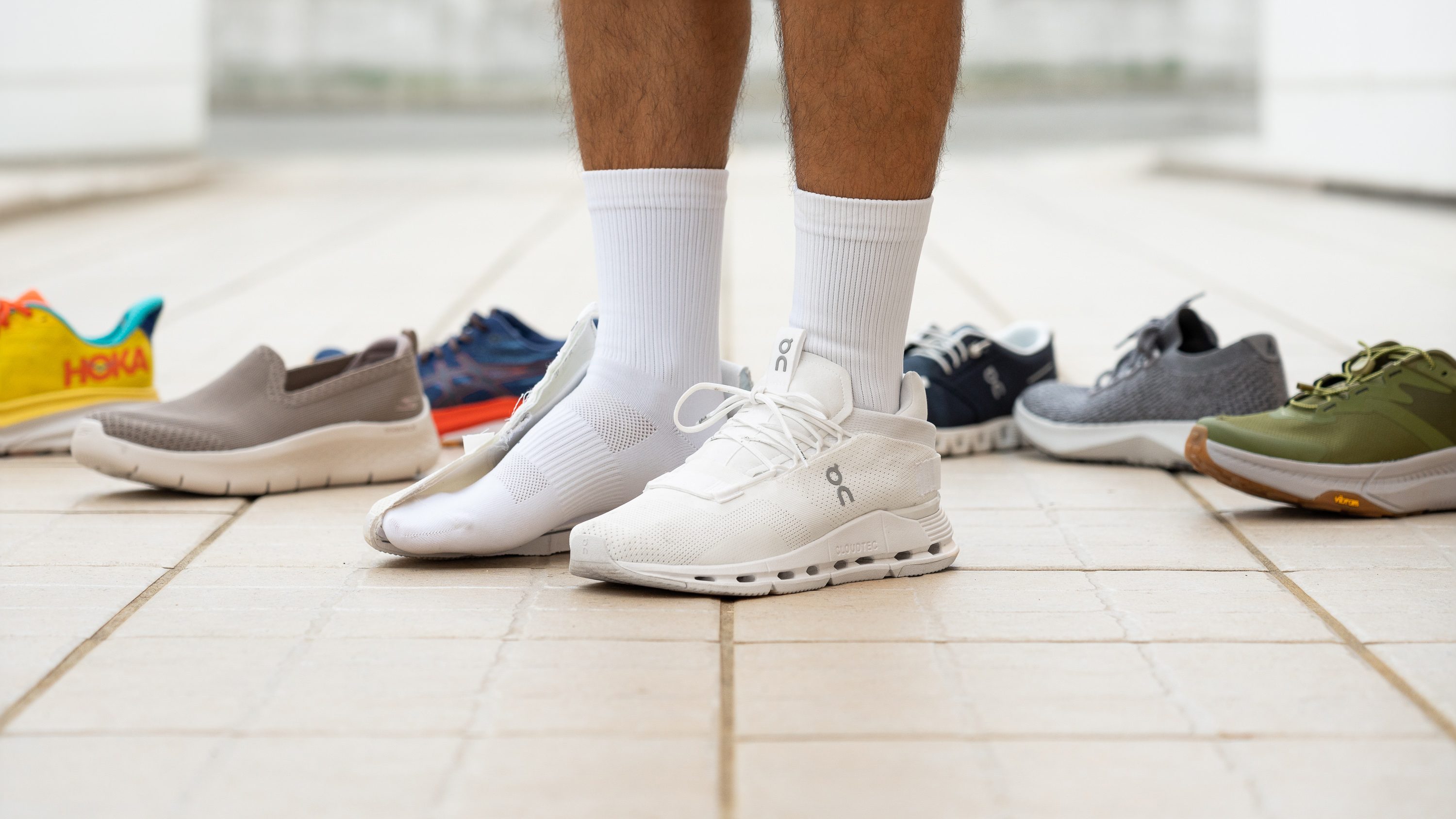
Comfort is a subjective feeling, but its components are objectively measurable. It’s a synergy of fit, support, cushioning, breathability, and flexibility. A common misconception, often perpetuated by marketing, is that a plush, memory foam insole equals a comfortable shoe. True comfort is structural. Let’s break it down: Fit means adequate length (a thumb’s width space from your longest toe to the shoe’s end) and width (no pinching at the sides). Support, particularly arch support, prevents overpronation or supination, aligning your ankle and knee. As noted on Quora by a certified pedorthist, “An unsupported arch is like a bridge without a keystone; it will eventually strain and collapse.” Cushioning involves the midsole material—often EVA (ethylene-vinyl acetate) or polyurethane—which absorbs impact. A dedicated walking shoe excels here, with engineered cushioning zones for heel strike and forefoot flexibility. Breathability comes from meshes or leathers that allow heat and moisture to escape, preventing blisters and fungal growth. Finally, flexibility at the ball of the foot allows for a natural toe-off. When these elements harmonize, the shoe disappears on your foot, and you’re left with pure, effortless movement.
The Style Synergy: Building a Capsule Footwear Wardrobe
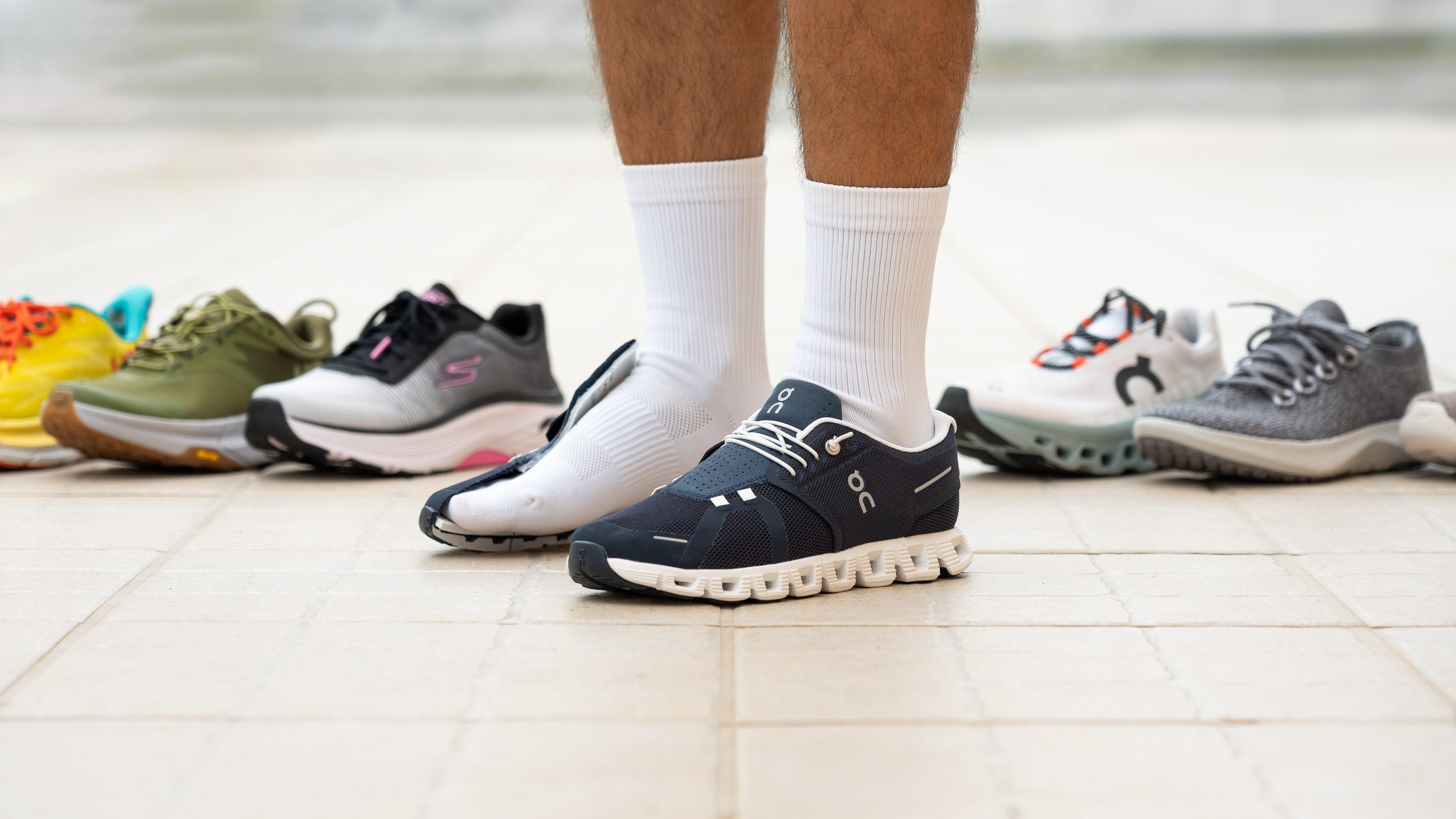
Style is personal expression, but strategic style is power. The goal is a curated capsule wardrobe of shoes that interlock with your clothing, creating maximum outfits with minimum items. This isn’t about owning 50 pairs; it’s about owning 5-7 impeccable pairs that cover every scenario. The philosophy mirrors the “capsule wardrobe” concept popularized by stylists like Susie Faux, focusing on versatility, quality, and timelessness. Your core collection should include: a classic white leather sneaker (the modern neutral), a sleek black ankle boot or loafer, a neutral flat or low block heel for dressier occasions, a weather-resistant boot or sneaker, and, unequivocally, a high-quality walking shoe for days demanding extended time on your feet. Each piece should be chosen in a neutral palette—black, white, tan, navy, or grey—to ensure mix-and-match potential. The stylish walking shoe has evolved dramatically; brands now offer designs with clean lines, monochromatic colorways, and premium materials that transition seamlessly from a morning errand to a casual lunch. By investing in this capsule, you ensure you are never forced to choose between looking polished and feeling phenomenal.
The Professional’s Edge: Footwear for the Workplace
Navigating workplace dress codes while prioritizing comfort is a common challenge. The old model of suffering in stiff leather or towering heels is obsolete. Today’s professional footwear blends sophistication with ergonomics. For men, leather derbies or oxfords with cushioned footbeds and rubber soles (instead of traditional hard leather) provide all-day support. For women, the shift is toward lower, chunkier heels, ballet flats with arch support, and stylish loafers. As fashion influencer and author Brittany Bathgate often notes on her platform, “A pointed-toe flat can be as powerful as a stiletto, without the agony.” The key is material and construction. Look for shoes with genuine leather uppers (which mold to your foot), a padded collar, and a non-slip, supportive sole. Even within formal settings, a premium, leather-clad walking shoe from brands like Cole Haan or ECCO can be perfectly appropriate in business-casual environments. They offer the polished silhouette expected in professional settings while incorporating the shock absorption and footbed contouring of athletic design. This fusion means you can command a room or navigate a conference floor without a single thought to foot pain, projecting confidence that comes from genuine ease.
Investment and Care: Maximizing Value and Longevity
Quality footwear is an investment in your health and style, and like any good investment, it requires care to yield long-term returns. The initial price of a well-constructed shoe from reputable brands often reflects superior materials, ethical manufacturing, and podiatrist-informed design. However, savvy shopping can bridge the gap between quality and budget. Sign up for newsletters from trusted retailers, shop end-of-season sales for classic styles, and consider slightly older models from top brands—the core technology is often identical to the latest release. Once you own them, care is crucial. Rotate your shoes daily; allowing at least 24 hours for the midsole to fully rebound extends its life significantly. Use shoe trees for leather styles to maintain shape, and clean them regularly with appropriate products. Most importantly, know when to retire them. The American Podiatric Medical Association suggests replacing shoes every 300-500 miles. For a daily walking shoe, that’s roughly every 6-9 months. Worn-out cushioning loses over 50% of its shock-absorbing capacity, transferring stress directly to your joints. By mindfully investing and maintaining your footwear, you ensure each pair provides optimal comfort and style for its entire lifespan, making the cost-per-wear remarkably low.
:max_bytes(150000):strip_icc()/when-should-i-replace-my-walking-shoes-3436325-0801-7a1840d83573471092e0380f9e230ecc.jpg)
The Expert Consensus: Voices on Value and Well-being
Don’t just take my word for it. The convergence of comfort and style is championed by experts across fields. Celebrity trainer Harley Pasternak frequently tells his clients, including Hollywood A-listers, “Your day is only as good as the shoes you start it in. A supportive base improves posture, energy, and even calorie burn.” On YouTube, podiatrist Dr. Brad Schaeffer emphasizes, “The most expensive shoe is the one that causes a problem requiring medical treatment. Investing in proper footwear is preventative healthcare.” From the world of design, iconic figures have long understood this. The late fashion editor Diana Vreeland famously declared, “Give a girl the correct footwear and she can conquer the world,” hinting at the transformative power of the right pair. These perspectives underscore a universal truth: footwear that honors both form and function is not a luxury; it’s a fundamental component of a mindful, active, and stylish life. It’s the tool that lets you walk your path, literally and figuratively, with greater strength and grace.
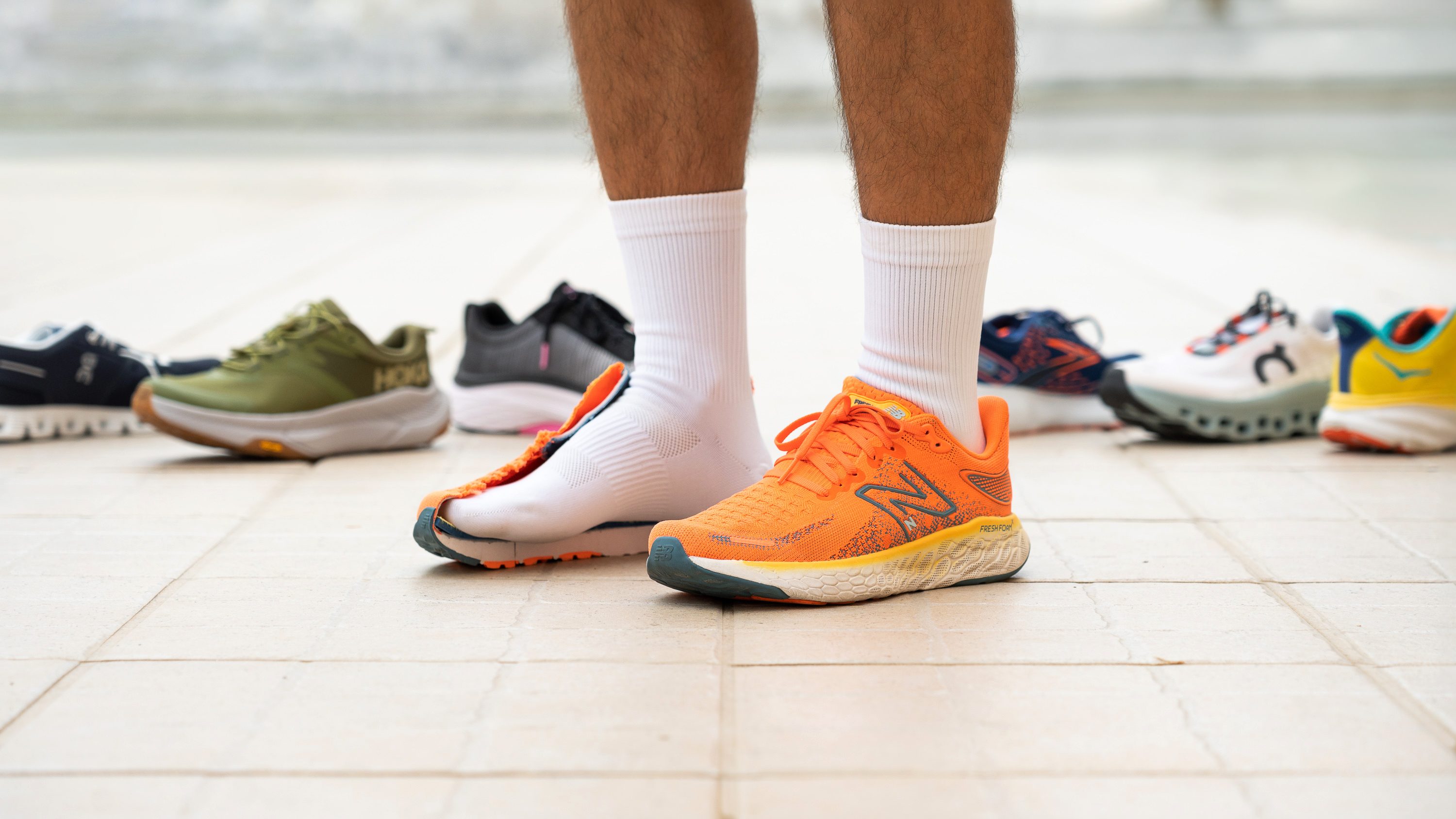
The journey to comfortable and stylish footwear is an exercise in intentionality. It asks you to listen to your body’s biomechanics, to define your personal aesthetic, and to invest in pieces that serve both masters. It dispels the myth that you must suffer for style or sacrifice elegance for comfort. The modern market is rich with options that do both—where a walking shoe can be a design object and a daily workhorse, where a loafer can support your arch as deftly as it completes your outfit. Start by assessing your current rotation, identifying the gaps in your capsule wardrobe, and trying on shoes with the informed criteria of fit, support, and versatility. Your feet are your foundation. When you build that foundation with care, every step forward is taken with confidence, ease, and undeniable style.
