

Your Ultimate Guide to Comfort and Style in Every Outfit
We navigate a world that demands both performance and presentation. Our clothing is no longer just fabric; it’s an interface with our environment, a statement of intent, and a critical component of our daily well-being. The pursuit of an outfit that seamlessly blends comfort with style is not a superficial whim but a fundamental aspect of modern living. It impacts our posture, our energy, our confidence, and how we interact with the spaces we occupy. This guide moves beyond fleeting trends to establish a foundational philosophy for dressing—a methodology where every choice, from the foundational layer to the final accessory, is intentional, informed, and geared towards harmonizing how you feel with how you look. We will dissect the principles that bind comfort and style, providing you with the knowledge to curate a wardrobe that doesn’t force you to choose between the two.
The Foundational Layer: Where Engineering Meets Anatomy
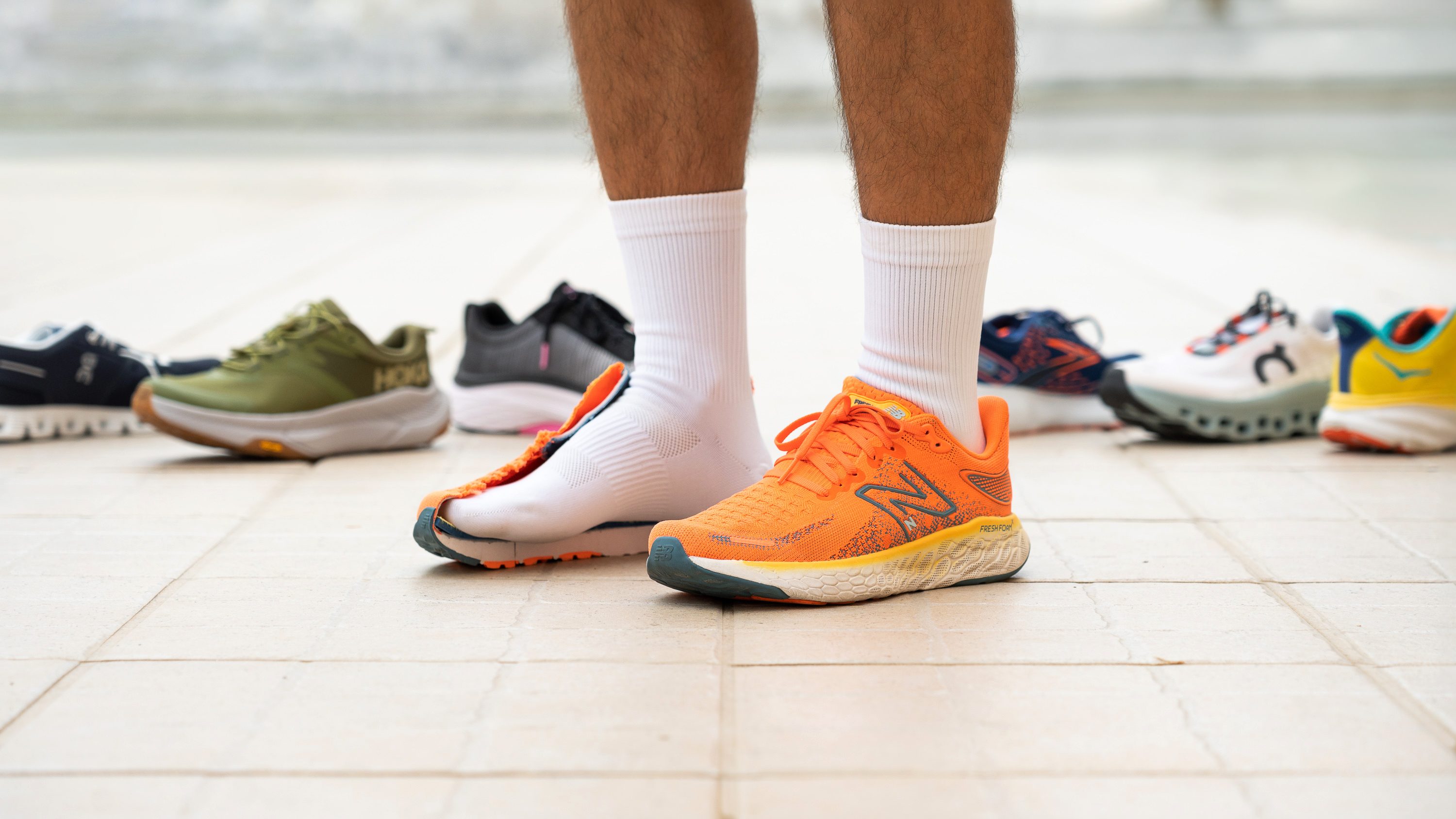
Any discussion of holistic outfit comfort must begin at the base—the feet. They are the foundation of our physical structure, bearing the full weight of the body with every step. The choice of footwear is arguably the most critical sartorial decision we make daily, influencing gait, spinal alignment, and overall fatigue. A walking shoe is not merely a casual category; it is a product of biomechanical research. According to literature from the American Podiatric Medical Association, proper footwear should provide adequate arch support, cushioning to absorb shock, and a heel counter that stabilizes the rearfoot. A poorly designed shoe can lead to a chain reaction of discomfort, from plantar fasciitis to knee and back pain. The science is clear: the foundation must be solid. This is why investing in a technically proficient walking shoe is non-negotiable. Brands like ASICS, with their GEL cushioning technology derived from material science, or Brooks, utilizing DNA LOFT adaptive cushioning, engineer their products based on pressure mapping and gait analysis studies. The goal is to create a symbiotic relationship between foot and shoe, where the footwear actively works to reduce the impact forces traveling up the kinetic chain. When your foundation is secure and supported, the comfort radiates upward, allowing the rest of your outfit to function as intended, not as a distraction from pain.
Fabric as a Second Skin: The Physiology of Textiles
Once the foundation is set, the next layer of interaction is the fabric against your skin. This is where style often mistakenly divorces itself from comfort, favoring rigid, non-breathable materials for the sake of a silhouette. True sartorial intelligence lies in selecting textiles that support the body’s natural functions. Merino wool, for instance, championed by performance brands and now a staple in premium casual wear, possesses natural temperature regulation and odor-resistant properties due to the structure of its fibers, as documented in textile science journals. Similarly, technological blends incorporating Tencel Lyocell, made from sustainably sourced wood pulp, offer exceptional moisture-wicking and a silken hand-feel. The viewpoint here is physiological: your clothing should facilitate, not hinder, your body’s homeostasis. As designer and entrepreneur Tom Ford once noted, “Dressing well is a form of good manners.” Extending that philosophy, dressing comfortably is a form of self-respect. It is about understanding that a garment that chafes, overheats, or restricts movement is fundamentally at odds with the wearer’s well-being. The modern market is replete with options that do not force a compromise—tailored trousers with mechanical stretch, blazers constructed with lightweight, breathable canvassing, and dresses woven from fabrics that move with you. The objective is to seek out these hybrids where textile innovation meets design integrity.
The Architecture of Fit: Beyond Size Numbers
Fit is the single greatest determinant of both comfort and style. An ill-fitting garment, regardless of its cost or fabric quality, will fail on both fronts. Fit is not about adhering to a standardized size chart; it is about the relationship between the garment’s construction and the individual’s unique topography—shoulder slope, chest volume, waistline, hip curvature, and arm length. The “authentic self” theory in fashion psychology suggests that clothing that fits well enhances self-perception and authenticity. This requires a shift from passive shopping to active curation. It means understanding that a jacket’s shoulder seam should sit precisely at the acromion bone, that a shirt’s collar should allow for two fingers to slide comfortably underneath, and that a jean’s rise should correspond to your torso length. The rise of made-to-measure and alteration services, even for mid-range clothing, is a testament to this growing awareness. As style authority Tim Gunn famously advocated, “Make it work!” This often begins with a skilled tailor. The investment in alterations is frequently more valuable than the investment in a new garment. A walking shoe exemplifies this principle perfectly: it must accommodate the length, width, and volume of your foot, with room for natural swelling throughout the day. The same meticulous attention should be applied to every item in your wardrobe. A well-fitted outfit moves as a unified, comfortable shell, projecting confidence because it eliminates the constant subconscious adjustments required by poor fit.
The Psychology of Color and Silhouette: Crafting Perception
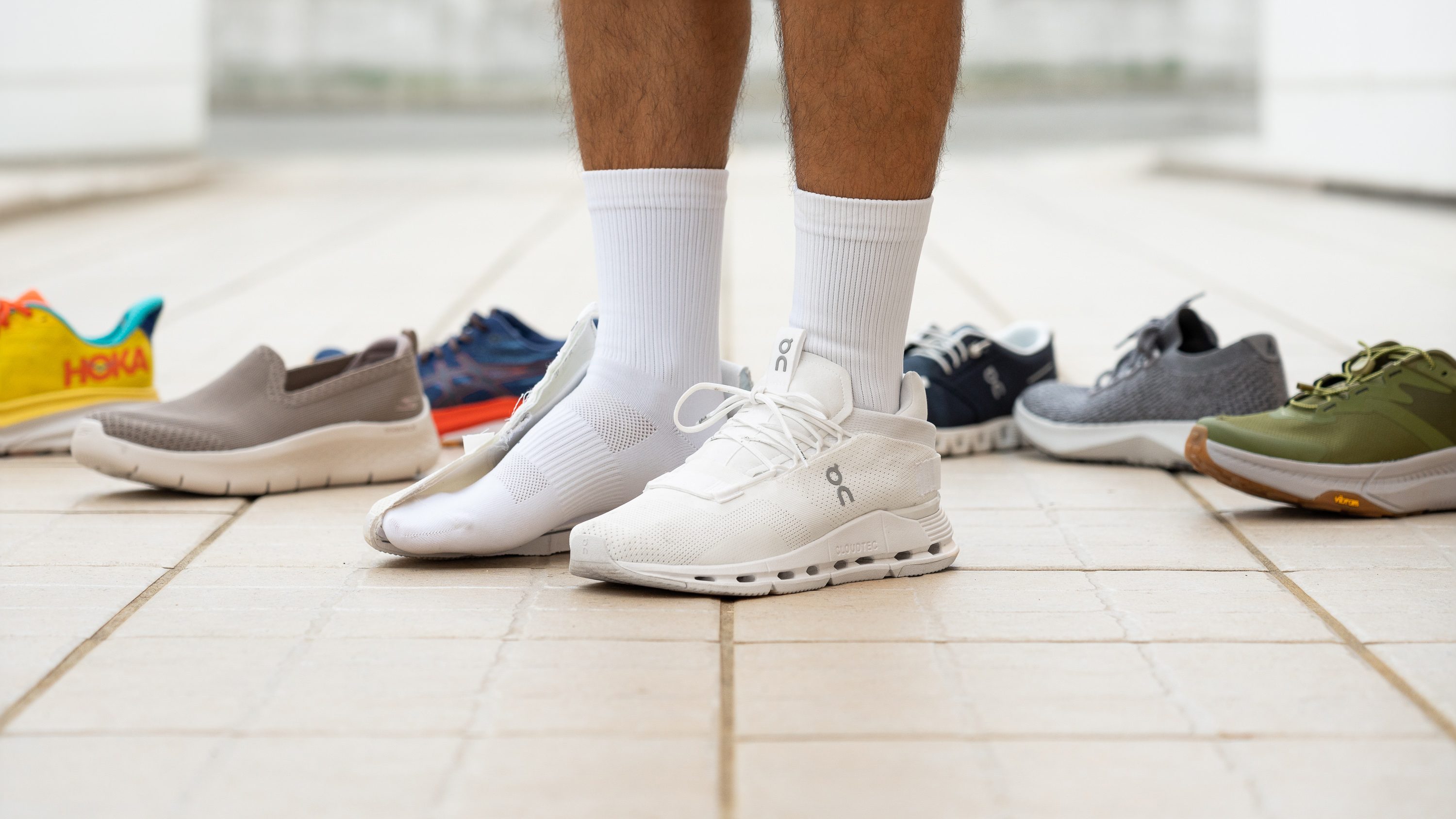
Comfort is not solely tactile; it is profoundly psychological. The colors and shapes we envelop ourselves in directly influence our mood and how we are perceived. Color psychology, a well-studied field, indicates that blue can evoke calm and trust, while red can signal energy and passion. Similarly, silhouette communicates intention. The structured lines of a blazer convey authority, while the fluid drape of a knit dress suggests ease and approachability. The key is intentionality. Are you dressing for a day of back-to-back meetings, a creative brainstorming session, or a long-haul flight? Each scenario calls for a different dialogue between color, shape, and function. For example, pairing a sleek, monochromatic ensemble with a technically superior, neutral-toned walking shoe creates a look that is both polished and prepared for urban exploration. This approach aligns with the concept of “enclothed cognition” studied by researchers like Hajo Adam and Adam D. Galinsky, which demonstrates that the symbolic meaning of clothing and the physical experience of wearing it can systematically influence the wearer’s psychological processes. Therefore, choosing a comfortable, powerful silhouette in a color that makes you feel assured is not vanity; it is a tool for shaping your own experience and narrative throughout the day.
The Synergy of Performance and Aesthetics: The Modern Hybrid
We are witnessing the most exciting convergence in fashion history: the erasure of the boundary between performance wear and everyday style. This is not about wearing gym clothes to the office, but about integrating the engineering of athletic apparel into all facets of our wardrobe. This movement is driven by a demand for versatility and uncompromising comfort. Consider the innovations: wool blend suits with four-way stretch, dress shoes with hidden athletic sock-like liners and flexible outsoles, and raincoats with nanocoatings that are both waterproof and breathable. The walking shoe has been at the forefront of this revolution, with models from brands like Cole Haan and Allbirds now featuring memory foam insoles, merino wool uppers, and lightweight traction soles, making them appropriate for settings far beyond the trail. This hybridization answers a fundamental modern need: our lives are not segmented into discrete “active” and “inactive” boxes. We walk to meetings, dash for trains, and need to transition seamlessly from a work environment to a social one without a complete costume change. By selecting items that embody this hybrid DNA, you build a wardrobe that is inherently adaptable, durable, and comfortable, without sacrificing a coherent aesthetic. It is the practical application of the “form follows function” design principle to everyday life.
:max_bytes(150000):strip_icc()/vwt-asics-womens-gel-pulse-16-jinfeng-chen-21-712f0f140e834b84b3a8dcf0bf154771.jpeg)
Curating Your Toolkit: Knowledge as the Ultimate Resource
Arming yourself with knowledge is the first step toward sustainable comfort and style. This means understanding materials, recognizing quality construction (like French seams or full garment lining), and knowing which brands align with your values and needs. It also means being a savvy consumer. Professional knowledge directly translates to value. For instance, knowing that a Goodyear-welted boot can be resoled multiple times justifies a higher initial cost over a cemented alternative. Similarly, understanding that a walking shoe with an EVA midsole will compress over time informs your replacement schedule. This expertise allows you to identify true quality and, importantly, to recognize genuine value. Many premium brands and retailers offer significant discounts during seasonal sales, outlet events, or through loyalty programs. The informed individual waits for these opportunities to invest in cornerstone pieces—the perfect blazer, the engineered trousers, the premium walking shoe—at a fraction of the retail price. This strategic approach is far more effective and economical than frequent, impulsive purchases of lower-quality items that fail to deliver on either comfort or style, ultimately cluttering your closet and your life.
The journey to a wardrobe that embodies both comfort and style is iterative and personal. It begins with a commitment to valuing your physical well-being as the non-negotiable core of your sartorial choices. From the biomechanically sound foundation of your shoes to the breathable fabrics on your skin, the architecture of fit, and the psychological resonance of your color palette, each element is a deliberate thread in the fabric of your day. By embracing the hybrid innovations that define modern apparel and coupling that with informed, intentional acquisition, you build not just a collection of clothes, but a reliable toolkit for living. Your outfit becomes an asset—a seamless integration of support, expression, and readiness for whatever path you choose to walk.

