

Unleash Your Wild Side with These Bold Fashion Pairings
Fashion is not merely about covering the body; it is a primal language, a form of self-assertion that communicates our innermost identities to the world. To play it safe is to mute this powerful dialogue. True style emerges from the courage to juxtapose, to contrast, and to harmonize the seemingly discordant. It’s about reclaiming the untamed spirit that conformity often seeks to suppress. This exploration is not a reckless abandon of rules but a sophisticated understanding of them, allowing for their strategic disruption. We move beyond the basic capsule wardrobe into a territory where personal expression is paramount, where a single, audacious piece can transform an entire ensemble from mundane to magnificent. The goal is to cultivate a wardrobe that feels authentically and unapologetically you, one bold pairing at a time.
The Psychology of Pattern Clash: From Chaos to Cohesion
The notion that patterns must never meet is one of fashion’s most enduring—and limiting—myths. Scientifically, our visual cortex is wired to seek both novelty and order. A successful pattern clash satisfies this dual need by creating a dynamic visual tension that is ultimately resolved through thoughtful styling. The key lies in finding a unifying element. This could be a consistent color palette; for instance, pairing a navy and white striped top with a floral skirt that features hints of the same navy. It could be scale, balancing a large, dramatic print with a smaller, more delicate one. Or, it can be texture, allowing the tactile quality of the fabrics to create harmony where patterns differ. As fashion psychologist Dr. Dawnn Karen, founder of the Fashion Psychology Institute, often notes, what we wear directly impacts our cognitive processes and emotional states—known as “enclothed cognition.” Choosing to master pattern mixing is an exercise in cognitive flexibility and creative confidence. It signals a mind comfortable with complexity and nuance, translating an internal state of assured creativity into an external sartorial statement. The result is an outfit that is intellectually stimulating and visually captivating, moving beyond safe coordination into the realm of curated artistry.
Animal Instincts: The Enduring Power of the Print
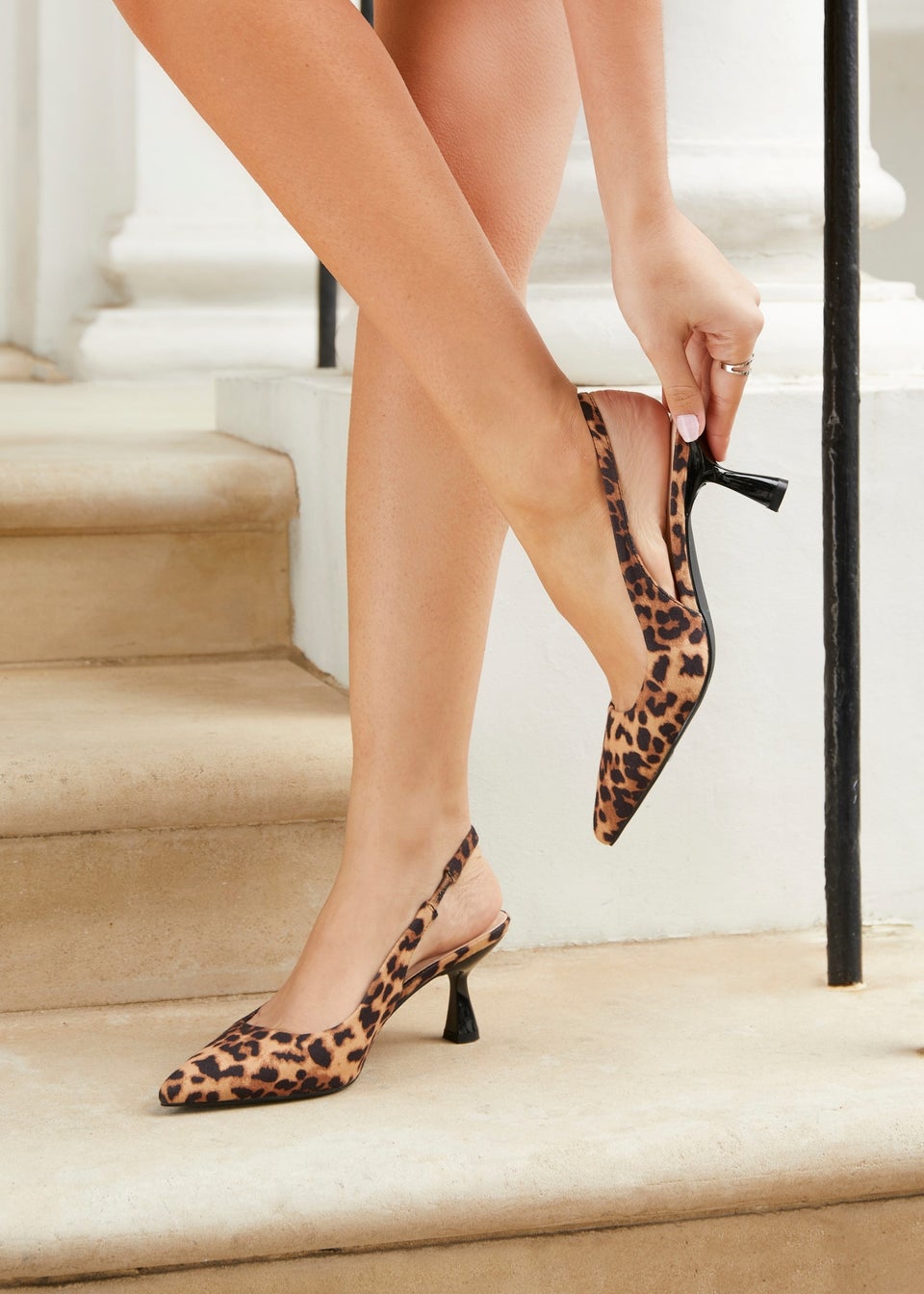
No discussion of bold fashion is complete without acknowledging the primordial pull of animal prints. Far from a passing trend, these patterns are embedded in cultural history, symbolizing everything from royalty and divinity to rebellion and raw power. In ancient Egypt, leopard skins were associated with the priesthood and the divine. In the medieval period, heraldry used lion motifs to denote courage and nobility. In the 20th century, figures like Christian Dior and Yves Saint Laurent democratized these prints, transforming them into symbols of sophisticated daring. The cheetah print, in particular, with its distinctive, solid spots, offers a more graphic and modern alternative to the classic leopard. It speaks of speed, agility, and focused intensity. When integrated into contemporary styling, an animal print acts as a neutral with attitude. A pair of cheetah print heels, for example, is not just a shoe; it is a foundational statement piece that can anchor a minimalist outfit or amplify a maximalist one. Its power lies in its versatility and its inherent narrative of untamed elegance.
Footwear as Foundation: The Statement Shoe
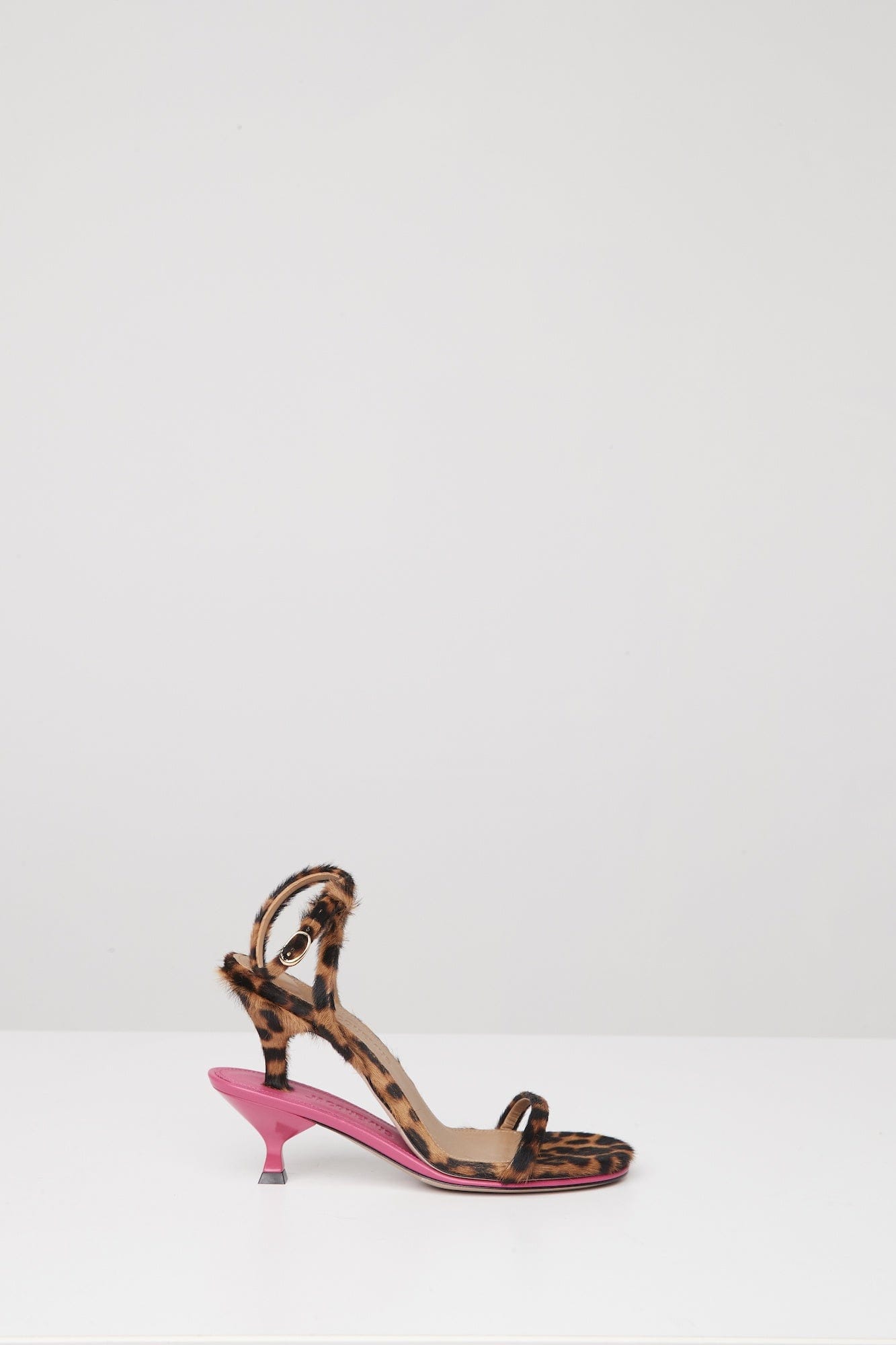
In the architecture of an outfit, footwear is the cornerstone. It can ground a look or elevate it into the extraordinary. The choice to wear a bold shoe is a commitment to the entire stylistic premise of your ensemble. Consider the cheetah print heels: they demand attention but do so with a specific, refined ferocity. The scientific principle of “bottom-up processing” in perception suggests that striking visual elements, like vibrant or patterned shoes, capture attention first, setting the tone for how the entire look is interpreted. Styling them requires a balance of restraint and confidence. Pair them with crisp, tailored black trousers and a simple white shirt for a powerful work-to-evening look, allowing the shoes to be the undisputed protagonist. Alternatively, embrace the clash by wearing them with a flowing, floral midi dress; the juxtaposition of romantic femininity and wild print creates a compelling, modern bohemian vibe. The iconic designer Manolo Blahnik once said of shoes, “They are the finishing touch, the exclamation point of an outfit.” A statement shoe like a cheetah print heel is precisely that—a punctuation mark of personality that completes the sentence of your style.
Texture as a Unifying Language
When colors and patterns reach a visual crescendo, texture becomes the silent, sophisticated mediator. It adds depth, interest, and a tactile dimension that flat patterns alone cannot achieve. The theory of sensory fashion emphasizes engaging multiple senses, and texture is paramount to touch. Imagine pairing a sleek, glossy vinyl skirt with a chunky, cable-knit sweater. The contrast between the hard, reflective surface and the soft, dimensional knit creates an outfit rich in contradiction and harmony. Or, consider a fluid silk slip dress worn under a rough, structured leather jacket. This interplay speaks to a duality of character—delicate yet resilient, soft yet strong. From a materials science perspective, the way light interacts with different textures (specular reflection on satin vs. diffuse scattering on tweed) creates a layered visual experience that is inherently captivating. Incorporating varied textures—lace, suede, sequins, corduroy, wool—ensures that even a monochromatic outfit never feels boring. It is a more nuanced, adult approach to creating interest, proving that boldness isn’t always about color saturation but can be found in the rich tapestry of materials we choose to wear against our skin.

The Art of the “Third Piece” and Strategic Accessorizing
The “third piece” rule is a foundational styling principle that posits an outfit is truly complete with a key additional element beyond the basic top and bottom. This could be a blazer, a distinctive piece of jewelry, a hat, or a bag. It is the element that transforms an outfit from generic to personal. In the context of bold pairings, the third piece acts as a crucial pivot point. It can either bridge two contrasting items or intentionally amplify the contrast. For example, if you’ve paired a masculine, structured blazer with a feminine, ruffled dress, a sleek leather belt at the waist can marry the two aesthetics seamlessly. Conversely, adding a vintage, ornate necklace can heighten the eclectic feel. The psychology behind this is linked to the “peak-end rule,” a cognitive bias where people judge an experience largely based on its most intense point and its end. In fashion, the “third piece” often creates that memorable peak. A pair of cheetah print heels can serve as this pivotal third piece, providing a focal point that ties the color story together or introduces an exciting jolt of pattern. The bag you choose—perhaps a minimalist shape in a bold color—can either calm or excite the overall composition. Accessorizing, therefore, is less about decoration and more about strategic visual editing.
Confidence: The Ultimate Non-Negotiable Accessory
All the theory, all the pairing strategies, converge on one irreducible element: confidence. It is the invisible garment that completes every look. From a sociological standpoint, fashion is a performative act, a way of presenting oneself to the social world. Confidence is the fuel that makes that performance compelling and authentic. Wearing bold combinations requires an ownership of your choices. It’s about standing straight, moving with purpose, and embracing the possibility of a second glance. This isn’t about arrogance, but about self-assuredness. As the legendary Diana Vreeland famously declared, “You gotta have style. It helps you get down the stairs. It helps you get up in the morning. It’s a way of life. Without it, you’re nobody.” Style, in her view, was inextricably linked to a point of view and the courage to express it. When you step out in an outfit that feels authentically daring—perhaps anchored by those cheetah print heels—you are not just wearing clothes; you are embodying an attitude. This psychological shift is palpable. Confidence communicates that your fashion choices are intentional, turning what might be perceived as a “risk” into a definitive statement of personal identity.
Cultivating Your Wild: A Practical Manifesto
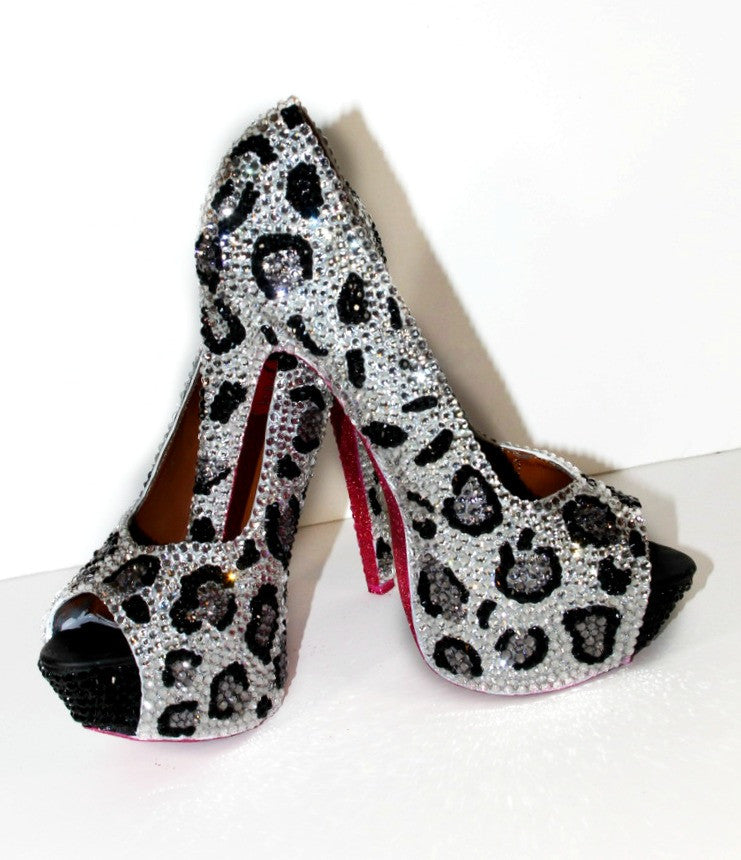
Embracing this sartorial philosophy need not be daunting or prohibitively expensive. The modern fashion landscape offers unprecedented access to both high-end inspiration and accessible pieces. Begin by auditing your existing wardrobe with a new lens. Identify one bold item—a patterned skirt, a colorful jacket, or those statement cheetah print heels. Build two outfits around it: one where it is the sole focal point against neutrals, and another where you intentionally pair it with another pattern or texture. Utilize online resources like fashion blogs, museum costume institute archives, and even film costume design for inspiration. Look to platforms where certified stylists and industry insiders share knowledge, often highlighting how to integrate trends with timelessness. Remember, investing in key, versatile statement pieces often provides a higher cost-per-wear value than numerous transient, fast-fashion items. The goal is a curated closet where every piece, from the quietest basic to the loudest print, serves your narrative of expressive individuality.
The journey to unleashing your wild side is a continuous experiment in self-expression. It is a rejection of the uniform and an embrace of the unique alchemy that happens when textures converse, patterns debate, and colors sing in chorus. It’s about understanding the rules of color theory, proportion, and history not as constraints, but as a springboard for innovation. Start with a single bold pairing. Let a striped shirt meet a polka-dot scarf, or let a leather pant soften under a gossamer blouse. Anchor it all with a confident stride in your chosen statement footwear. This is how personal legends are built—not through safe imitation, but through the courageous, creative, and utterly captivating language of bold fashion.
