

The Walking Shoe: Your Ultimate Guide to Comfort and Style for Every Outfit
Forget the notion that practicality and style are mutually exclusive. The modern quest for footwear is no longer about choosing between looking good and feeling good; it’s about finding the singular piece that masters both. That piece is the walking shoe. This isn’t just about a category of footwear; it’s about a foundational element of daily life that impacts your posture, your energy, and your confidence from the ground up. We’re moving beyond the basic sneaker into a realm where biomechanical engineering meets contemporary design, creating shoes that carry you through city streets, office corridors, and weekend adventures without a second thought to discomfort or a misstep in style.
The Anatomy of Comfort: Why Your Feet Deserve Scientific Attention
To understand the revolution of the walking shoe, we must first dissect the science of comfort. The human foot is a complex structure of 26 bones, 33 joints, and over 100 muscles, tendons, and ligaments. According to research from the American Podiatric Medical Association, the average person takes between 5,000 and 7,000 steps per day, with each step exerting a force of up to 1.5 times your body weight. A shoe that fails to support this intricate biomechanical marvel isn’t just uncomfortable; it’s a precursor to issues like plantar fasciitis, shin splints, and knee pain. The core innovation in modern walking shoes lies in the midsole. Materials like ethylene-vinyl acetate (EVA) and polyurethane (PU) are engineered not just for cushioning, but for energy return—propelling you forward rather than simply absorbing impact. Furthermore, the concept of the “heel-to-toe drop” or “offset,” which refers to the height difference between the heel and forefoot, is critical. A lower drop, often between 0-8mm, can promote a more natural gait, as noted in studies from the University of Virginia’s Running Medicine Clinic. This isn’t mere marketing; it’s applied podiatric science designed to make every step feel effortless.
From Gym to Gallery: The Style Evolution of Performance Footwear
The aesthetic journey of the performance shoe is a fascinating study in cultural crossover. Once confined to tracks and gymnasiums, the technical sneaker has been embraced and elevated by high fashion. This shift isn’t arbitrary. As fashion critic Vanessa Friedman of The New York Times has observed, “The rise of the sneaker in fashion mirrors a broader cultural shift towards informality, wellness, and a blurring of the lines between different spheres of life.” Designers have deconstructed the classic athletic silhouette, experimenting with materials like knit uppers, recycled polymers, and even luxury leathers, all while retaining the core functional principles. The result is a walking shoe that pairs as seamlessly with tailored trousers as it does with athletic wear. Brands like Allbirds, with their focus on sustainable merino wool, and Cole Haan, with their Grand series that fuses dress shoe aesthetics with sneaker technology, exemplify this fusion. The message is clear: style is no longer sacrificed at the altar of comfort. Your footwear can be a statement of both your aesthetic sensibility and your commitment to personal well-being.
The Perfect Pair: A Five-Point Framework for Selection
Choosing your ideal walking companion requires more than picking a pleasing color. It demands a strategic approach. Here is a five-point framework to guide your decision, ensuring you invest in a shoe that serves every facet of your life.
1. Arch Type and Gait Analysis: The Foundation
Your foot’s arch—whether neutral, flat (pronated), or high (supinated)—dictates the type of support you need. This isn’t guesswork. Many specialty running stores offer free gait analysis, using pressure plates or video to observe your stride. As Dr. Casey Kerrigan, a former Harvard Medical School professor and founder of a biomechanics-focused footwear company, stated in a Forbes interview, “Shoes should complement your natural motion, not fight against it.” For overpronators, shoes with structured support or motion control are crucial to stabilize the ankle and prevent inward rolling. For supinators, maximum cushioning is key to offset the foot’s outward roll and distribute impact. Ignoring this is like building a house on an unstable foundation; eventually, the structure—your body—will show signs of stress.
2. The Terrain of Your Life: Context is Key
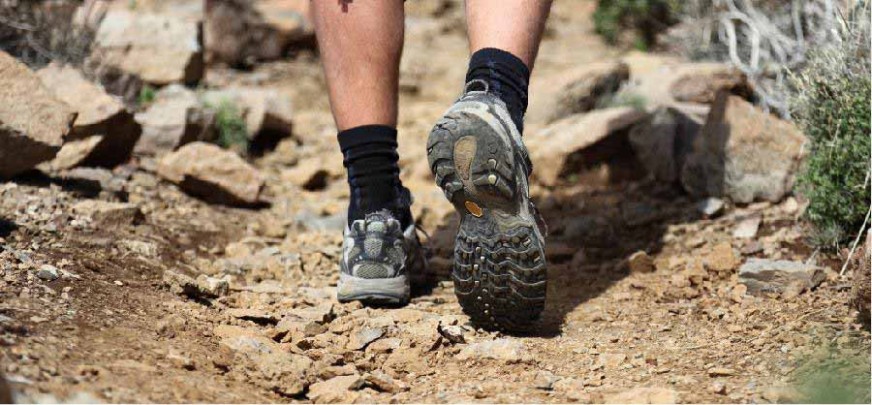
Where will these shoes live? The polished concrete of an office, the uneven cobblestones of a historic district, or the packed earth of a park trail? The outsole rubber compound and tread pattern are your interface with the world. A shoe designed for road walking will have a harder, more durable carbon rubber in high-wear areas, while a hybrid shoe meant for light trails will feature a more aggressive, multi-directional lug pattern for grip. The uppers also differ; breathable mesh is ideal for urban environments, while reinforced synthetic overlays offer protection for more adventurous settings. Your daily environment should be the primary dictator of your shoe’s technical specifications.
:max_bytes(150000):strip_icc()/when-should-i-replace-my-walking-shoes-3436325-0801-7a1840d83573471092e0380f9e230ecc.jpg)
3. Material Matters: Breathability, Durability, and Ethics
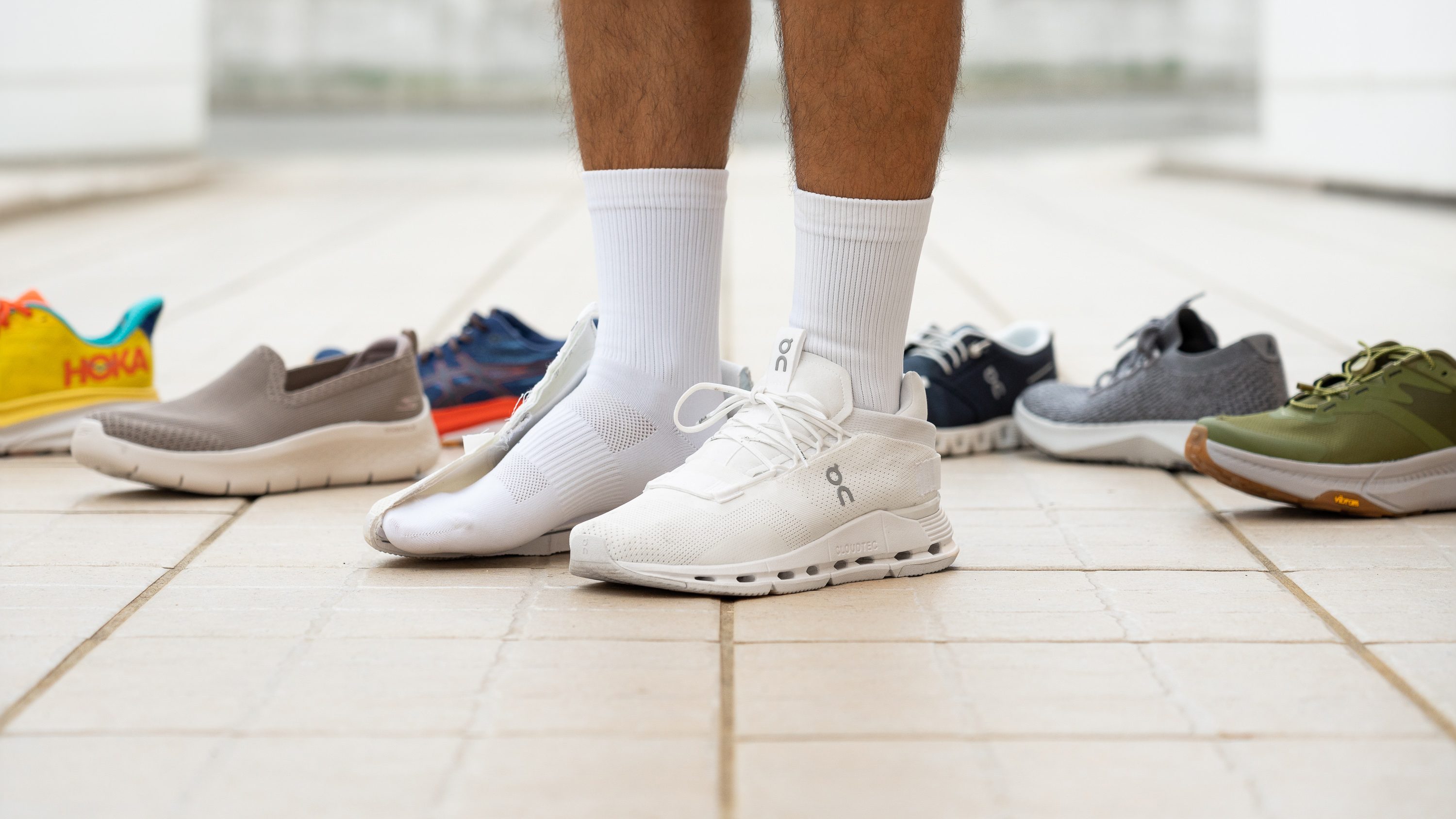
The composition of your shoe speaks volumes about its performance and its footprint. Traditional leather offers durability and structure but lacks breathability. Modern engineered knits, like Adidas’s Primeknit or Nike’s Flyknit, provide a dynamic, sock-like fit that adapts to your foot’s movement while offering exceptional airflow. Furthermore, the industry is undergoing a sustainability revolution. Brands are increasingly using recycled polyester from plastic bottles, bio-based foams, and responsibly sourced natural materials. When you choose a walking shoe made with recycled content, you’re not just investing in your comfort; you’re casting a vote for a more responsible manufacturing cycle. This alignment of personal benefit with planetary good adds an invaluable layer of satisfaction to your purchase.
4. The Fit Formula: Beyond Shoe Size
The perfect fit is non-negotiable. Always try on shoes in the afternoon or evening, as feet naturally swell throughout the day. There should be a thumb’s width (about 1/2 inch) of space between your longest toe and the end of the shoe. The widest part of your foot should align with the widest part of the shoe. Don’t rely on the “break-in” myth; high-quality walking shoes should feel comfortable from the first step. As legendary shoe designer Stuart Weitzman once told Footwear News, “A shoe that hurts is a shoe that’s wrong.” Pay attention to the heel counter—it should hold your heel firmly without slippage or pinch—and the flexibility of the forefoot, which should bend easily at the ball of your foot.
5. The Aesthetic Alignment: Completing Your Visual Vocabulary
Finally, the shoe must resonate with your personal style. Does a minimalist, monochromatic design suit your wardrobe? Or does a bold, technical look with reflective details better express your personality? The color, silhouette, and design details should integrate with your most-worn outfits. The goal is for your walking shoe to feel like a natural, intentional extension of your attire, whether you’re wearing jeans, a dress, or chinos. This is where function and fashion achieve true synergy, making getting dressed a simpler, more cohesive, and more confident process.
Investment and Care: Maximizing the Lifespan of Your Partnership
A premium walking shoe is an investment in your daily quality of life, and like any good investment, it requires proper stewardship. The cushioning materials in the midsole compress over time, losing their resiliency long before the outsole wears out. Most experts, including those at the American Academy of Podiatric Sports Medicine, recommend replacing walking shoes every 300 to 500 miles. For a daily walker, this translates to roughly every six to nine months. Rotating between two pairs allows the foam to fully decompress between wears, significantly extending the life of both. For care, avoid machine washing, which can break down adhesive bonds. Instead, use a soft brush, mild soap, and water to spot clean uppers, and stuff shoes with newspaper to dry naturally, away from direct heat. This mindful maintenance ensures your shoes remain a reliable partner for their full intended lifespan.
The Final Step: Where to Begin Your Journey
The market is rich with exceptional options that cater to every need and aesthetic. For unparalleled cloud-like comfort and sustainable ethos, brands like Allbirds and Hoka One One are industry darlings. For those seeking a seamless blend of classic tailoring and modern comfort, the offerings from Cole Haan, Clarks, or Ecco are transformative. For pure technical performance with street-ready style, the latest models from New Balance, Asics, and On Running are consistently groundbreaking. Remember, the best walking shoe is profoundly personal—it’s the one that disappears on your foot, making you forget about it entirely, while simultaneously making you feel put-together and ready to engage with the world. It’s the silent, supportive engine of a well-lived, well-dressed day. Start by understanding your feet, consider the contours of your daily life, and choose a design that speaks to you. Your journey toward effortless comfort and undeniable style begins with a single, perfectly supported step.
