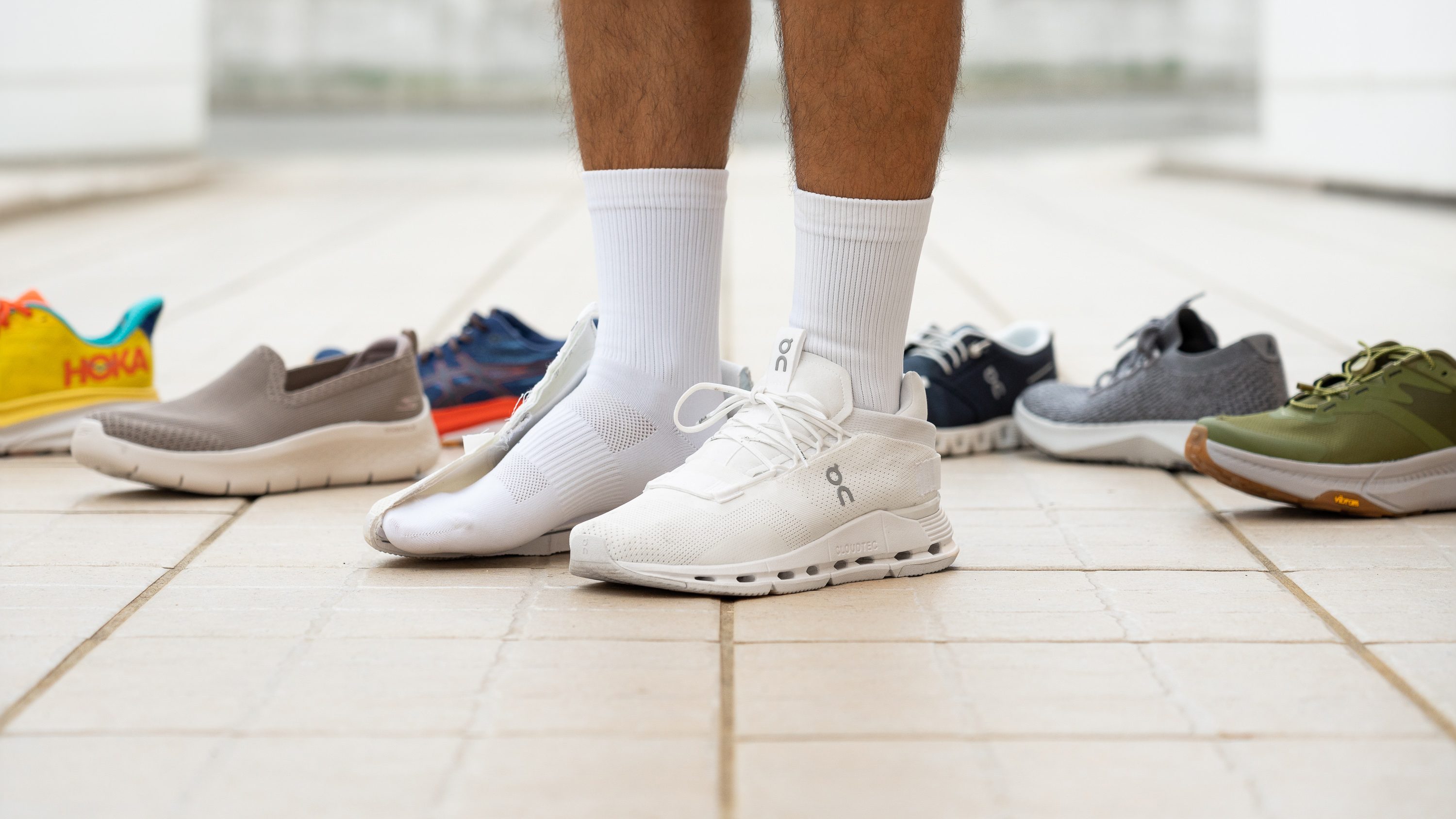
The Walking Shoe: Your Ultimate Guide to Comfort and Style
Forget the notion that comfort and style are mutually exclusive. The modern walking shoe stands as a testament to human ingenuity, merging biomechanical science with aesthetic design to create footwear that supports not just your steps, but your lifestyle. This isn’t about settling for clunky sneakers; it’s about embracing a category of shoe engineered for the dynamic, varied terrain of daily life. Whether you’re navigating city streets, trekking through airports, or enjoying a weekend park stroll, the right pair transforms an ordinary activity into a pleasure. We’re moving beyond mere footwear; we’re discussing a tool for enhanced living, where every journey begins with a foundation of confidence and ease.
The Anatomy of Comfort: Deconstructing the Modern Walking Shoe
To understand why a dedicated walking shoe is essential, we must dissect its components. Unlike running shoes designed for forward momentum and impact absorption from the heel, or fashion sneasers prioritizing looks over support, walking shoes are built for the unique gait cycle of walking. This involves a heel strike, a smooth roll across the midfoot, and a final push-off from the toes. The key lies in the midsole, often crafted from advanced materials like EVA (ethylene-vinyl acetate) foam or polyurethane. As noted in biomechanics literature from institutions like the University of Calgary’s Human Performance Laboratory, the midsole’s primary job is to provide cushioning that attenuates shock while maintaining stability for the longer, flatter contact period of a walking stride. The outsole, typically made of carbon rubber or blown rubber, offers durability and flexibility, with a tread pattern designed for grip on varied surfaces. The upper must balance breathability—using meshes like engineered knit or synthetic leather—with structural support through overlays that secure the foot without restriction. It’s this precise orchestration of parts that defines a true walking shoe.
Why Your Current Sneakers Might Be Failing You
Many assume any athletic shoe is suitable for walking, but this misconception can lead to discomfort and even injury. A running shoe, for instance, often has a pronounced heel-to-toe drop (the height difference between heel and forefoot) to facilitate a runner’s gait, which can alter a walker’s natural posture and strain the Achilles tendon. Fashion-centric “athleisure” shoes frequently lack adequate arch support or torsional rigidity, leading to overpronation or supination over extended distances. Dr. Casey Kerrigan, a former Harvard Medical School professor and founder of a biomechanics-focused footwear company, has extensively published on the harmful effects of conventional, overly cushioned shoes on joint health. She advocates for shoes that promote natural foot motion. The dedicated walking shoe addresses these pitfalls by offering a more moderate drop, strategic cushioning that doesn’t deaden proprioception (your foot’s sense of its position), and a last (the shoe’s form) that matches the foot’s shape during the walking phase. Ignoring these design principles is like using a screwdriver to hammer a nail—possible, but far from optimal or safe.
The Style Revolution: No More Sacrificing Aesthetics
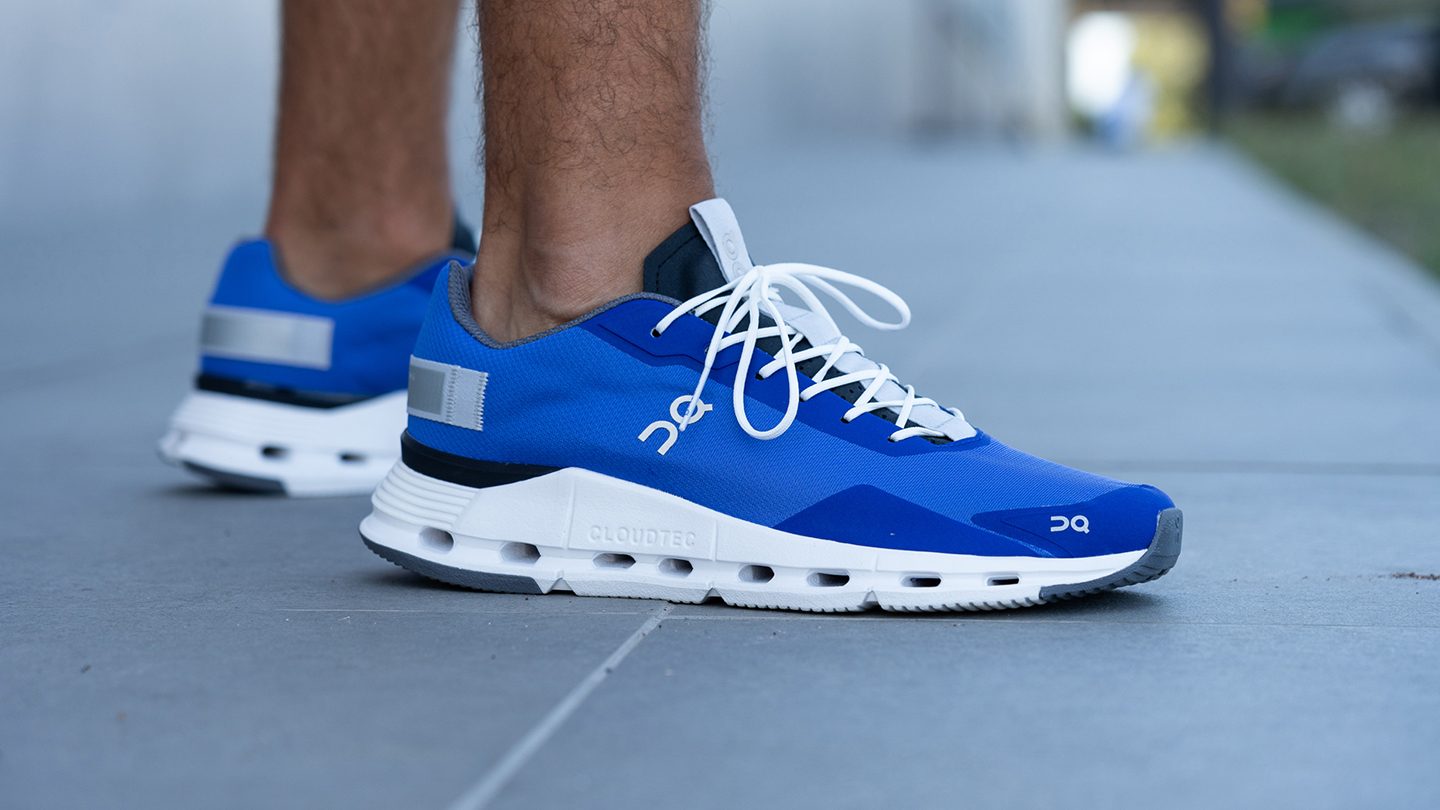
The historical complaint against performance footwear was its visual bulk. Today, that’s an outdated view. Designers and engineers are collaborating to create walking shoes that are as visually compelling as they are functional. Brands are drawing inspiration from minimalist design, retro athletic wear, and high-fashion silhouettes. The result is a spectrum of choices: sleek, monochromatic trainers that pair effortlessly with tailored trousers; bold, color-blocked models that become the statement piece of a casual outfit; and versatile, low-profile options that blend into any setting. This shift is echoed in popular culture. In films like “The Intern,” Robert De Niro’s character embodies a polished, active retirement, his footwear smart yet practical. Fashion websites from GQ to Vogue now regularly feature “best walking shoes” guides, acknowledging their place in the contemporary wardrobe. The message is clear: looking good and feeling good are now a unified pursuit, and the modern walking shoe is at the intersection.
Investment Versus Cost: The Long-Term Value Proposition
Viewing a quality walking shoe as an expense is a short-sighted approach; it is, in fact, an investment in your long-term well-being. The science is straightforward. According to the American Podiatric Medical Association, improper footwear can contribute to a host of issues including plantar fasciitis, metatarsalgia, and knee or back pain. A well-constructed shoe acts as preventive medicine, distributing pressure evenly and supporting the foot’s natural alignment. Consider the cost-per-wear metric. A $150 pair of shoes worn nearly daily for 500 miles (the typical replacement point recommended by experts like those at Verywell Fit) breaks down to a minimal daily investment for unparalleled comfort and health protection. Contrast this with cheaper, poorly made alternatives that may degrade quickly, lack support, and lead to medical bills—the true cost becomes apparent. Furthermore, many premium brands now offer robust warranties and recycling programs, adding ethical and economic value. This investment pays dividends in every pain-free step you take.
:max_bytes(150000):strip_icc()/when-should-i-replace-my-walking-shoes-3436325-0801-7a1840d83573471092e0380f9e230ecc.jpg)
Navigating the Market: A Curated Selection for Your Needs
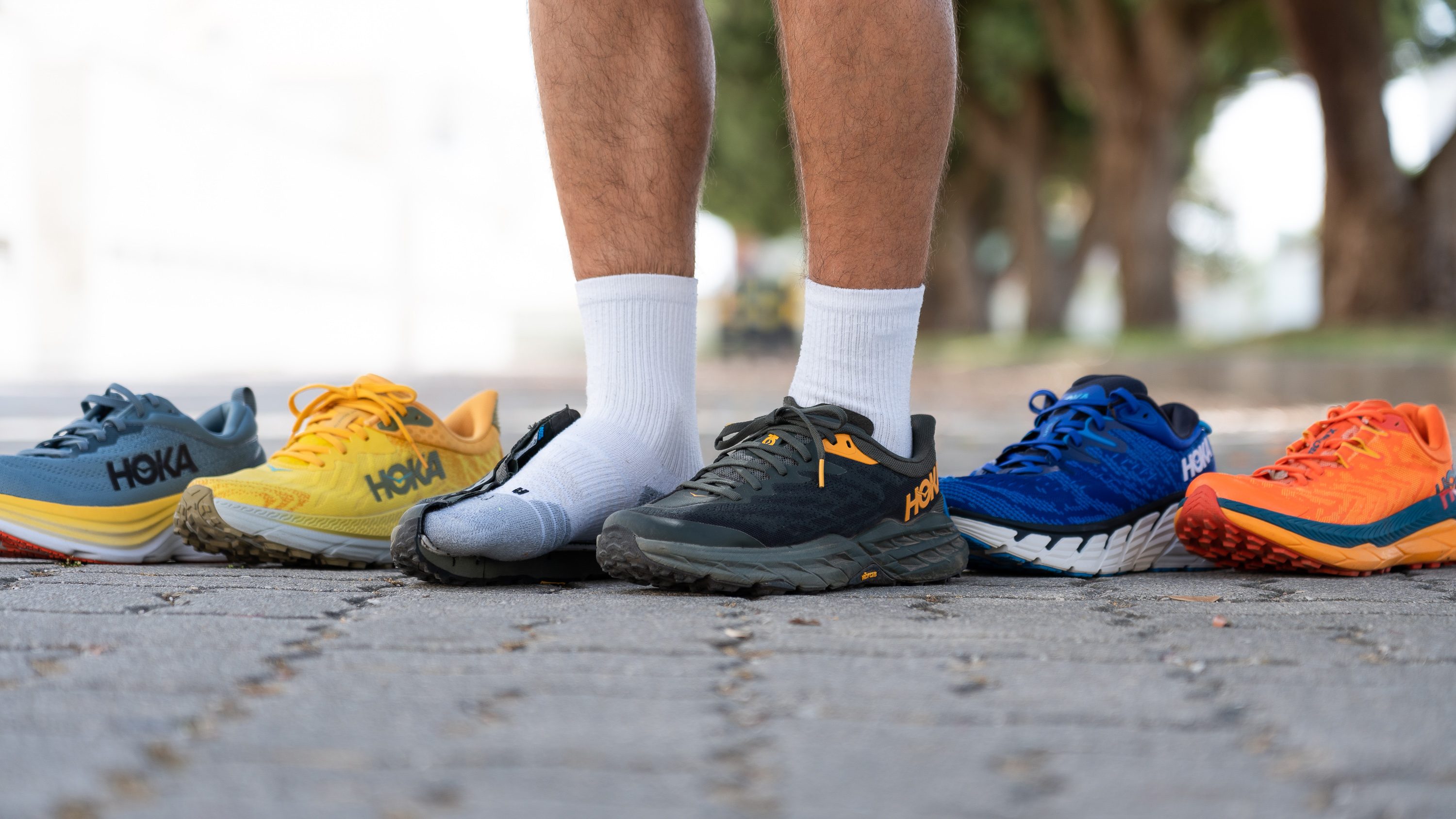
The market is vast, but your perfect fit is out there. Your choice should be guided by your primary use case. For the urban commuter or all-day wearer, prioritize lightweight construction and slip-resistant soles. Brands like Cole Haan and Allbirds have mastered this niche, blending office-appropriate styles with sneaker comfort. For the fitness walker covering significant mileage, look for models with enhanced energy return and superior breathability. HOKA ONE ONE, a brand born from ultra-running, has gained a cult following among walkers for its maximal yet responsive cushioning, as seen in models like the Bondi or Clifton series. For those with specific biomechanical needs, such as overpronation, brands like Brooks and ASICS offer walking-specific models with integrated guide rails and structured support systems. Don’t just take our word for it. On platforms like YouTube, certified pedorthists and physical therapists, such as Dr. Ray McClanahan, provide deep-dive reviews on shoe mechanics, offering unbiased evaluations that cut through marketing hype. Your mission is to match the shoe’s technology to your personal terrain.
Professional Insight: Fitting Wisdom from the Experts
Purchasing the ideal walking shoe is a ritual that demands more than just knowing your size. The most critical step is a professional fitting, preferably later in the day when your feet have naturally expanded. Width is as vital as length; a shoe that’s too narrow can cause bunions and neuromas. There should be about a thumb’s width of space between your longest toe and the end of the shoe. Always try shoes on with the socks you intend to wear them with. Walk around the store on hard surfaces, not just carpet. Pay attention to any immediate pressure points—shoes should feel good from the first step, not require a “break-in” period, a myth that often leads to blisters and discomfort. As renowned author and walker Geoff Nicholson writes in his book “The Lost Art of Walking,” the right shoe makes you forget it’s there, becoming an extension of your body that liberates rather than constrains. This seamless integration is the hallmark of a perfect fit.
Your Next Step: A Foundation for a More Active Life
The journey toward unparalleled daily comfort and confident style begins from the ground up. The right walking shoe is more than an accessory; it’s the enabler of exploration, the guardian of your musculoskeletal health, and a silent partner in your daily narrative. It empowers you to walk farther, stand longer, and move through the world with greater intention and less fatigue. By choosing footwear grounded in science and elevated by design, you’re not just buying a product—you’re adopting a philosophy that values sustainable well-being. So, assess your current footwear, heed the expert advice, and make an informed choice. Your feet, your body, and your future self will thank you with every effortless, stylish step you take.