

The Walking Shoe: Your Secret to Effortless Style and All-Day Comfort
Imagine a single pair of shoes that seamlessly transitions from a morning power walk to a day of errands, a casual work meeting, and an evening stroll, all while cradling your feet in sublime comfort and maintaining a look of understated elegance. This isn’t a fantasy; it’s the reality offered by the modern walking shoe. For too long, the concept of a comfortable shoe was synonymous with clunky, utilitarian designs that sacrificed aesthetics at the altar of function. Conversely, stylish footwear often demanded a painful compromise, leaving feet aching and weary. Today, the paradigm has shifted. The pinnacle of footwear innovation is no longer found solely on the runway or the specialist running track, but in the sophisticated engineering of the dedicated walking shoe. This article posits that the conscious choice of a proper walking shoe is the most impactful yet overlooked style and wellness decision one can make. It is the foundational piece that unlocks a life of sustained vitality and confident presentation, proving that true style is inseparable from profound comfort.
The Anatomy of All-Day Comfort: Deconstructing the Modern Walking Shoe
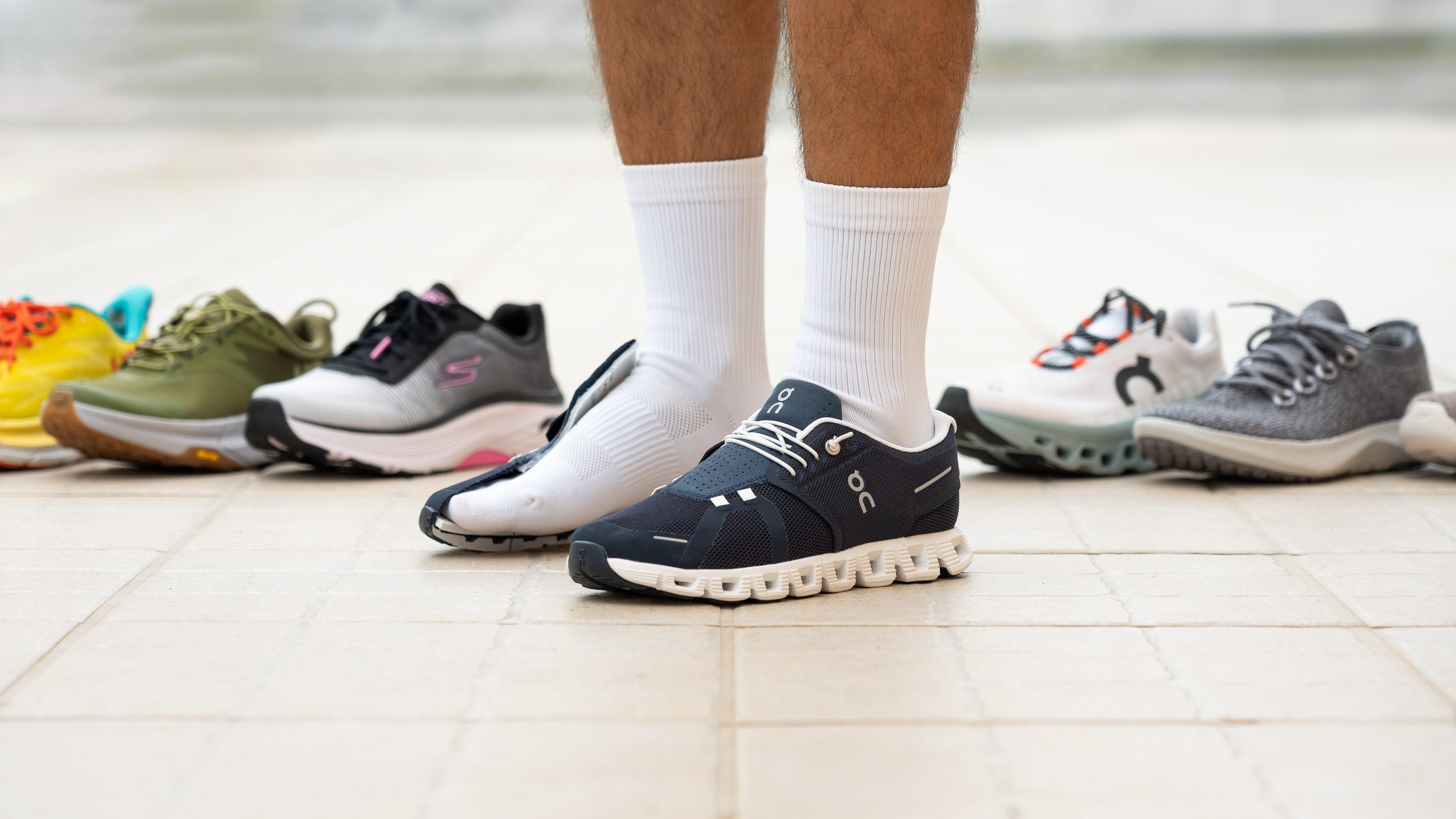
To understand why a dedicated walking shoe outperforms generic sneakers or fashion flats, we must delve into its biomechanical engineering. Walking is a distinct gait cycle involving heel strike, midfoot roll, and toe-off. The American Podiatric Medical Association emphasizes that shoes designed for this specific motion provide critical support that prevents a cascade of musculoskeletal issues. The core components are scientifically tailored. First, the heel counter: a firm cup that stabilizes the rearfoot, preventing excessive pronation (inward roll) or supination (outward roll). This is crucial for aligning the ankle, knee, and hip joints with each step. Second, the midsole: this is the heart of cushioning, often utilizing advanced polymer foams like Adidas’s Boost, Nike’s React, or ASICS’s GEL technology. As Dr. Casey Kerrigan, a former Harvard Medical School professor and founder of a biomechanics research company, stated in an interview, “The material science in midsoles has evolved to provide energy return. It’s not just about cushioning impact; it’s about recycling that energy to make propulsion easier, reducing muscular fatigue.” Third, the rocker sole: many modern walking shoes feature a slightly curved sole that promotes a natural rolling motion from heel to toe, reducing strain on the calf and Achilles tendon. Finally, the upper is engineered with breathable, often seamless, materials that accommodate the foot’s natural swelling throughout the day without causing friction or blisters. This confluence of features transforms walking from a potentially jarring activity into a smooth, efficient, and joint-friendly endeavor.
From Pavement to Presentation: The Unlikely Style Revolution
The most significant barrier to widespread adoption of the walking shoe has been aesthetic. The perception lingered that “comfortable” meant “unfashionable.” This dichotomy has been utterly dismantled. Leading footwear designers and athletic brands have invested heavily in marrying performance technology with contemporary design. The result is a category of shoes that possess a sleek, minimalist profile, neutral color palettes, and sophisticated textures that complement, rather than clash with, everyday attire. Consider the rise of “athleisure” as documented by fashion authorities like Vogue and GQ. This trend isn’t merely about wearing gym clothes in public; it’s about integrating high-performance, well-designed pieces into a cohesive, smart-casual wardrobe. A premium walking shoe in a monochromatic grey or black, with clean lines, can effortlessly pair with tailored trousers, chinos, or even a casual dress. The style statement it makes is one of intelligent pragmatism and modern sensibility. It whispers that the wearer values both their physical well-being and their appearance, refusing to sacrifice one for the other. This evolution mirrors a broader cultural shift, noted by thought leaders on platforms like Quora and Medium, towards holistic wellness where self-care (including foot care) is considered an integral component of personal style and confidence.
:max_bytes(150000):strip_icc()/vwt-asics-womens-gel-pulse-16-jinfeng-chen-21-712f0f140e834b84b3a8dcf0bf154771.jpeg)
Beyond the First Mile: The Long-Term Health Dividend
Investing in a proper walking shoe is an investment in long-term musculoskeletal health, with benefits that extend far beyond avoiding immediate soreness. The human foot is a complex structure of 26 bones, 33 joints, and over 100 muscles, tendons, and ligaments. Inadequate support can lead to plantar fasciitis, Achilles tendinitis, shin splints, and even contribute to knee and lower back pain. A study published in the Journal of Foot and Ankle Research from the University of Sydney concluded that footwear with appropriate arch support and cushioning significantly reduced the incidence of foot pain in a cohort of regular walkers. Furthermore, when walking is comfortable, people are inherently more likely to do more of it. This positive feedback loop is powerful. The U.S. Centers for Disease Control and Prevention (CDC) recommends at least 150 minutes of moderate-intensity aerobic activity, like brisk walking, per week for adults. A comfortable, supportive walking shoe removes a primary barrier to achieving this goal. It transforms a chore into a pleasure, encouraging you to take the stairs, extend your lunchtime walk, or explore your neighborhood on foot. The cumulative effect is profound: improved cardiovascular health, better weight management, enhanced mood through endorphin release, and stronger bones and muscles. The shoe becomes a silent partner in a preventative health strategy.
The Expert Consensus: Why Specialization Matters
One might ask, “Can’t I just use my running shoes for walking?” While better than dress shoes, the answer from biomechanists is a nuanced no. Running shoes are engineered for a different kinetic pattern—higher impact forces and a more pronounced midfoot or forefoot strike. They often have greater cushioning in the forefoot and a higher heel-to-toe drop to accommodate the running gait. Using them exclusively for walking can sometimes lead to instability, as the design may encourage an unnatural stride. Celebrity fitness trainers on platforms like YouTube, such as Harley Pasternak, frequently address this in their gear guides, emphasizing the importance of activity-specific footwear. Similarly, podiatrists consistently advocate for shoes designed for your primary activity. The walking shoe is precisely calibrated for the mechanics and lower-impact nature of walking, offering stability features that a running shoe might compromise for lightweight speed. This specialization is key. As the ancient philosopher Aristotle noted in his Nicomachean Ethics, excellence is achieved when everything is arranged according to its proper function. The foot’s proper function is locomotion, and the walking shoe is the tool optimized to facilitate that function in its most common, daily form.
Making the Informed Choice: A Guide to Your Perfect Pair
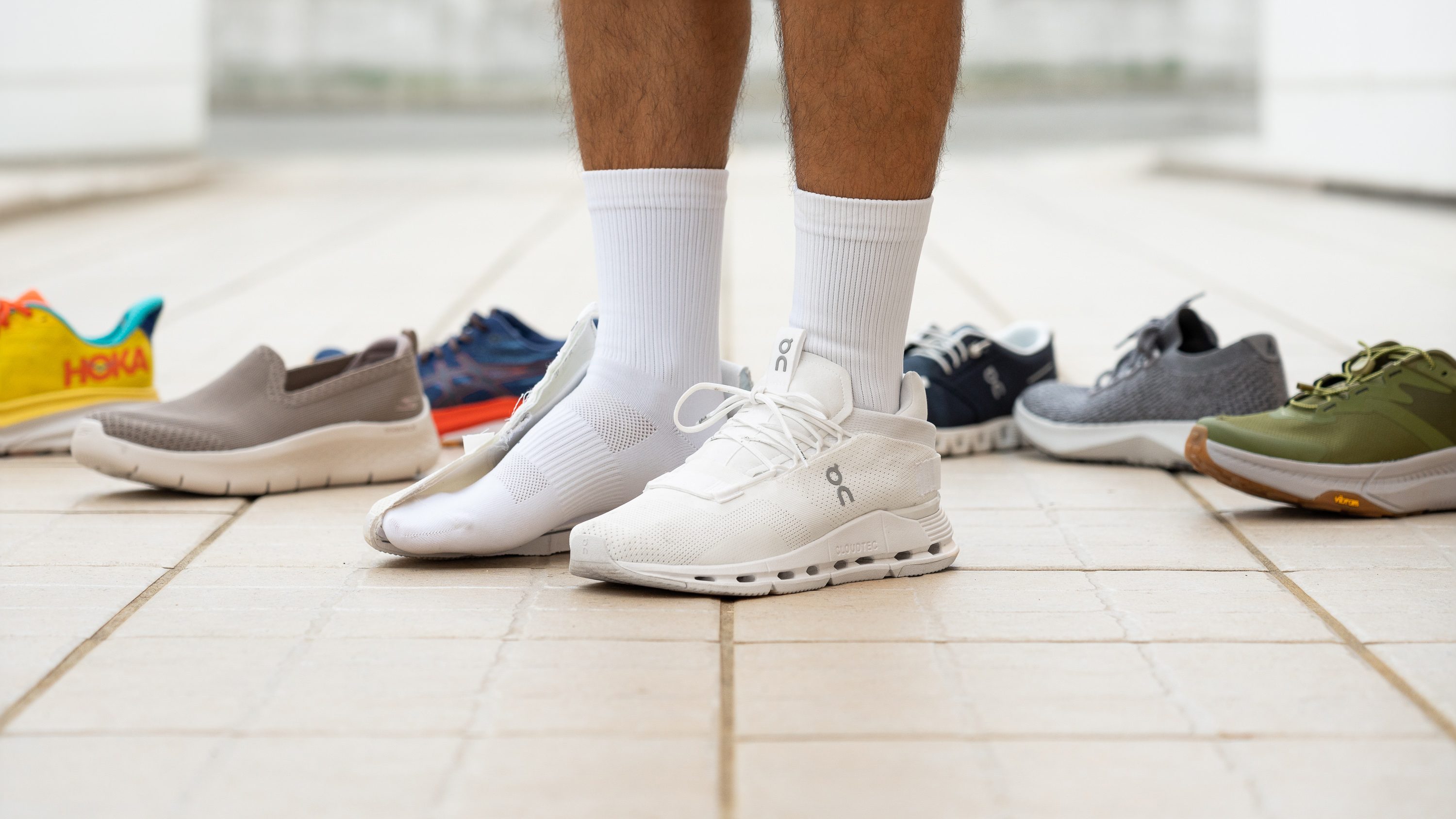
Understanding the “why” leads naturally to the “how.” Selecting your ideal walking shoe is a personal journey, but guided by expert principles. First, prioritize fit over brand name. Your feet are largest at the end of the day, so shop in the afternoon. There should be a thumb’s width of space between your longest toe and the end of the shoe. The width should be snug but not constricting, with no pinching at the sides. Second, understand your arch type. A simple wet foot test on brown paper can reveal if you have a high, neutral, or low arch (flat foot). Those with low arches typically benefit from motion control or stability shoes with firm medial (inner) support. Neutral arches are versatile, while high arches often require shoes with ample cushioning and flexibility. Third, consider the primary walking surface. Shoes for paved trails will have different outsole rubber compounds and lug patterns than those designed for indoor or treadmill use. Reputable review sites like RunRepeat and Verywell Fit provide exhaustive, lab-tested comparisons on durability, cushioning, and stability across hundreds of models. Remember, the most expensive shoe is not necessarily the best for you. The goal is to find the shoe that disappears on your foot, becoming an effortless extension of your body.
An Investment That Pays For Itself: Value Beyond Price
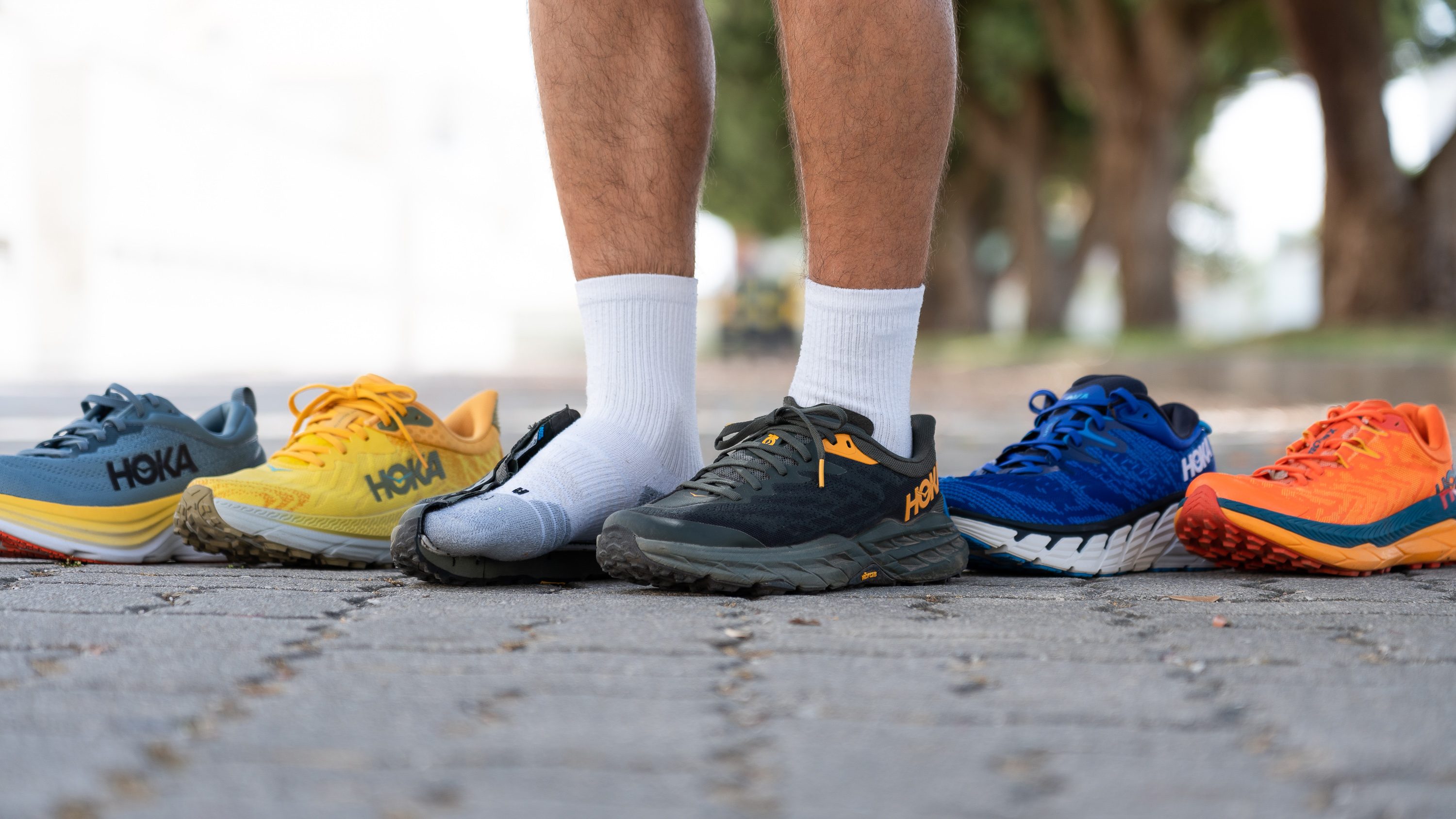
It’s true that a high-quality walking shoe from reputable brands like Brooks, New Balance, ASICS, HOKA, or Saucony often carries a higher initial price tag than a discount-store sneaker. However, this is a classic case of cost versus value. A well-constructed walking shoe, with its durable outsoles and resilient midsole materials, will maintain its supportive properties for 300-500 miles before the cushioning breaks down. A cheaper shoe may lose its structural integrity far sooner, leading you to replace it more frequently and, more importantly, potentially causing injury during its period of decline. The value proposition is clear: pay slightly more upfront for months of reliable comfort and protection, saving money in the long run and, more critically, safeguarding your health. Many specialty running and walking stores offer gait analysis and fitting services, ensuring your investment is perfectly targeted. Furthermore, these brands frequently offer previous-season models or colorways at significant discounts online, making top-tier technology accessible. The real economy lies not in the price per shoe, but in the cost per comfortable, healthy mile.
The journey toward effortless style and enduring comfort begins from the ground up. The modern walking shoe stands as a testament to human ingenuity, elegantly solving the ancient dilemma between form and function. It is a tool for health, a component of style, and a catalyst for a more active, engaged life. By choosing a shoe designed with scientific precision for the most fundamental human movement, you are not just buying footwear; you are investing in your mobility, your posture, your energy, and your daily confidence. Let your first step be an informed one. Embrace the shoe that supports every journey, paving the way for a future where every step is taken in comfort and style.
