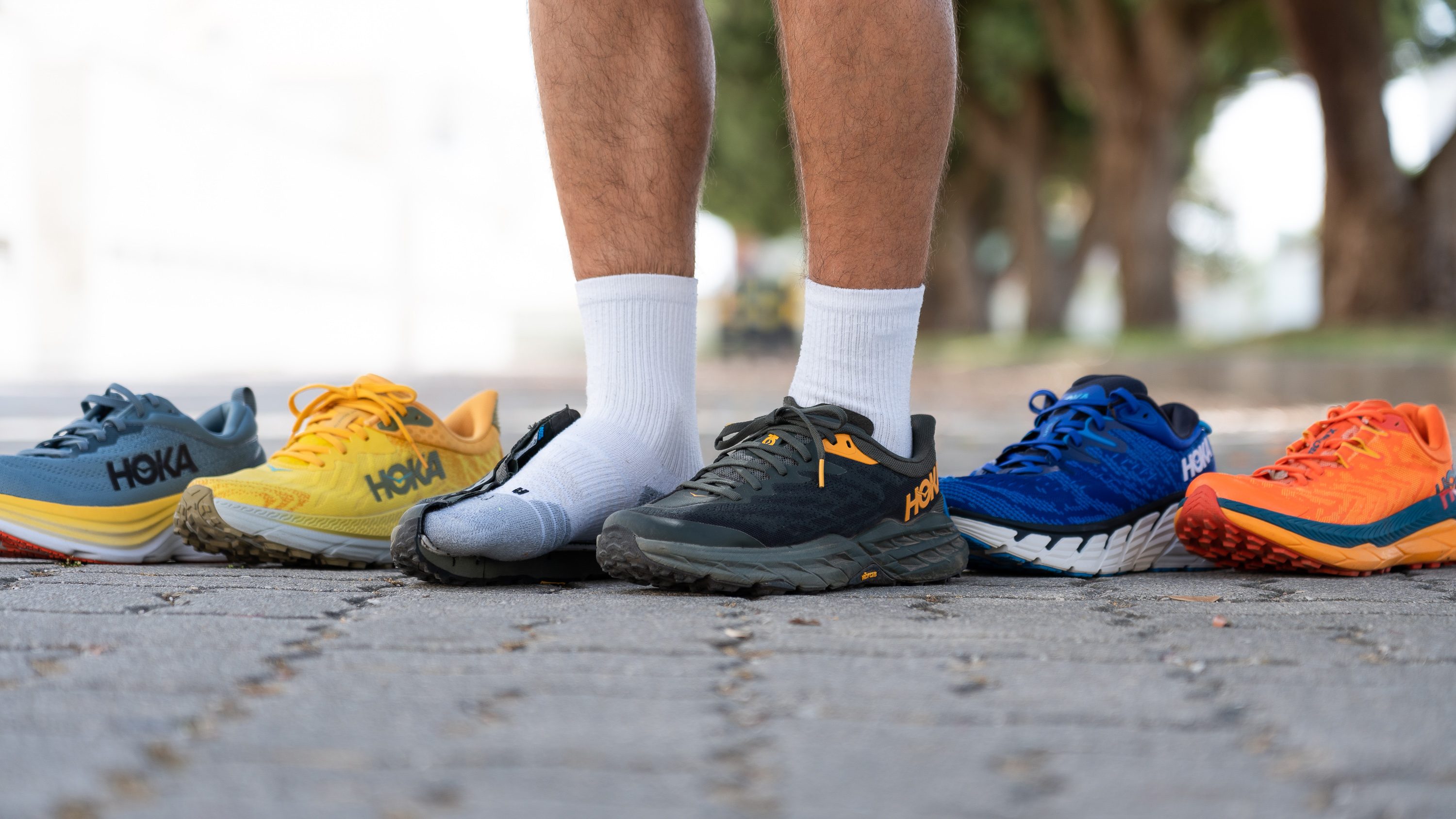
The Walking Shoe: Your Secret to Effortless Style and All-Day Comfort
Imagine a shoe that disappears on your foot—not in a literal sense, but one that so perfectly marries form and function that you forget it’s there. This isn’t a fantasy; it’s the reality offered by the modern walking shoe. For too long, we’ve accepted a false dichotomy: shoes are either stylish or comfortable, but rarely both. We endure pinched toes for the sake of a sleek silhouette or sacrifice aesthetics for orthopedic relief. That compromise ends now. The evolution of footwear technology and design philosophy has birthed a category that defies this old rule. The right pair of walking shoes is the unsung hero of a confident, productive, and pain-free day, seamlessly transitioning from a morning commute to a day of meetings, an evening stroll, and everything in between. It is the foundational piece of a capsule wardrobe that prioritizes your well-being without demanding you abandon your personal style.
The Anatomy of All-Day Comfort: More Than Just a Soft Sole
Comfort in a walking shoe is a complex, engineered experience, not a happy accident. It begins with biomechanics. The human foot is a marvel of evolution, with 26 bones, 33 joints, and over 100 muscles, tendons, and ligaments. A shoe that truly supports walking must respect this intricate architecture. The cornerstone is arch support. Contrary to popular belief, flat shoes are not inherently better for “flat feet,” nor are high arches always problematic. The issue is pronation—the natural inward roll of the foot during the gait cycle. Overpronation (excessive inward roll) or supination (insufficient inward roll) can lead to a cascade of issues, from plantar fasciitis to knee and back pain. A quality walking shoe incorporates a medial post—a firmer density of foam on the inner side of the midsole—to gently correct overpronation and guide the foot into a neutral position. This concept is supported by research from institutions like the University of Pittsburgh’s Sports Medicine Center, which emphasizes the role of proper footwear in injury prevention.
Cushioning vs. Responsiveness: Finding Your Sweet Spot
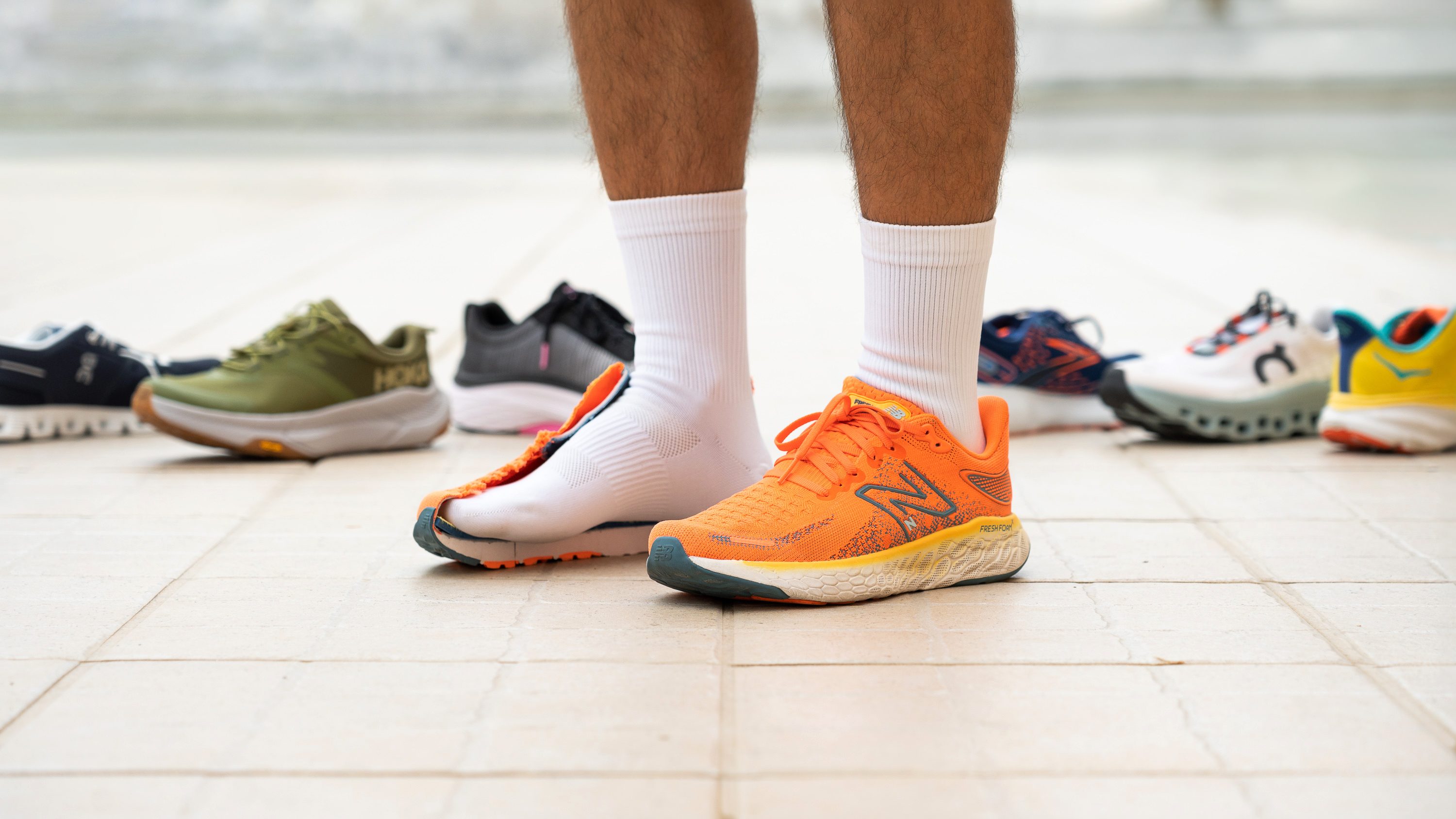
The midsole is the heart of the shoe, and its composition dictates the feel underfoot. Here, we encounter the great debate: maximum cushioning or responsive firmness? Brands like Hoka One One have popularized maximalist shoes with thick, soft midsoles, often using proprietary foams like Profly+. These are designed to absorb a high degree of impact, which can be a revelation for those with joint sensitivities or who walk primarily on hard surfaces like concrete. The science is clear: effective cushioning reduces peak ground reaction forces, lessening the load on the musculoskeletal system. However, as noted by biomechanists on platforms like Quora and in peer-reviewed literature, excessive softness can sometimes destabilize the foot, reducing proprioceptive feedback (your body’s sense of its position in space). On the other end, shoes with responsive, energy-returning foams (like Adidas’s Boost or Nike’s React) provide a springy feel that can make walking feel more dynamic and efficient. The choice isn’t about what’s universally “best,” but what aligns with your physiology, walking terrain, and personal sensation. A good rule of thumb, often cited by podiatrists on health websites, is that the shoe should feel supportive and stable first, and cushioned second.
Where Style Meets the Street: The Design Revolution
Gone are the days when “comfort shoes” were clunky eyesores. The current landscape is a testament to a design revolution led by both heritage brands and innovative startups. The aesthetic of the modern walking shoe draws from several key trends. There’s the “heritage runner” look, pioneered by brands like New Balance, which leverages classic silhouettes from the 70s and 80s but rebuilds them with contemporary comfort technologies. Then there’s the minimalist, almost Scandinavian-inspired approach seen in brands like Allbirds, which uses natural materials like merino wool and eucalyptus tree fiber to create simple, versatile, and breathable uppers. The rise of athleisure has been the final catalyst, erasing the boundary between gym wear and everyday attire. As fashion icon and designer Tom Ford once remarked, “Dressing well is a form of good manners.” This philosophy now extends fully to footwear. A well-designed walking shoe in a neutral color like grey, white, or navy can be paired with chinos, jeans, or even tailored trousers, elevating an entire outfit through its understated intelligence and clean lines.
The Upper: Breathability, Durability, and a Glove-Like Fit
The upper of the shoe is where your foot lives, and its construction is critical for all-day comfort. Modern uppers are engineering feats. Knitted uppers, often made from polyester or nylon blends, provide unparalleled flexibility and breathability, conforming to the foot like a sock. This technology, popularized by Adidas’s Primeknit, reduces seams and potential pressure points. For more structured support, engineered mesh uppers offer targeted zones of flexibility and rigidity, along with strategic perforations for ventilation. Leather and suede remain premium options for their durability and ability to mold to the foot over time, though they often sacrifice some breathability. The key is the heel counter—the firm cup at the back of the shoe. A robust, well-padded heel counter locks your heel in place, preventing slippage that can cause blisters and ensuring efficient energy transfer with each step. When you slip on a superior walking shoe, the upper should feel secure but not restrictive, holding your foot firmly in the optimal position atop the midsole platform.
Investing in Your Foundation: The Long-Term Value Proposition
Viewing a quality walking shoe as a mere purchase is a mistake; it is an investment in your physical capital. Consider the cost-per-wear. A $150 pair of shoes worn nearly every day for a year breaks down to about 41 cents per day. Compare that to the potential cost of neglecting foot health: doctor’s visits, physical therapy, orthotics, and the intangible cost of chronic pain and reduced mobility. The value extends beyond economics. As author and habit expert James Clear discusses in his book Atomic Habits, optimizing your environment is key to building better routines. Having comfortable, appealing shoes by the door makes the choice to walk instead of drive, to take the stairs, or to enjoy an evening walk infinitely more likely. This simple shift can contribute significantly to cardiovascular health, mental clarity, and overall well-being. Furthermore, a versatile walking shoe reduces decision fatigue. It becomes a reliable, go-to option that works with multiple outfits, simplifying your morning routine and ensuring you step out the door feeling prepared and put-together.
Making the Smart Choice: A Guide to Your Next Pair
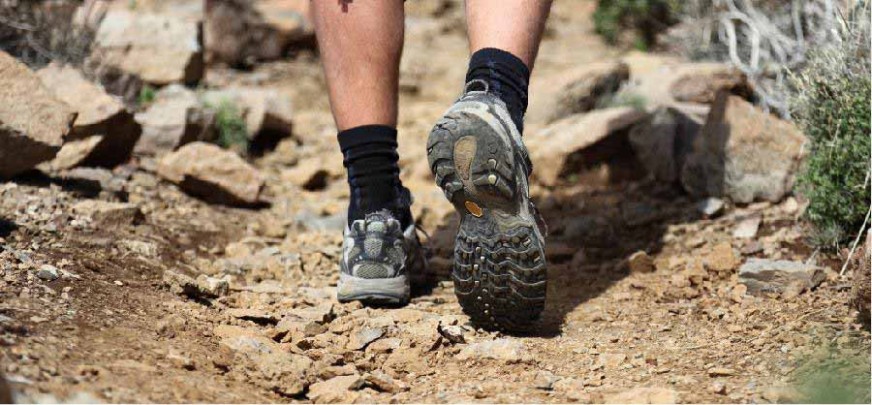
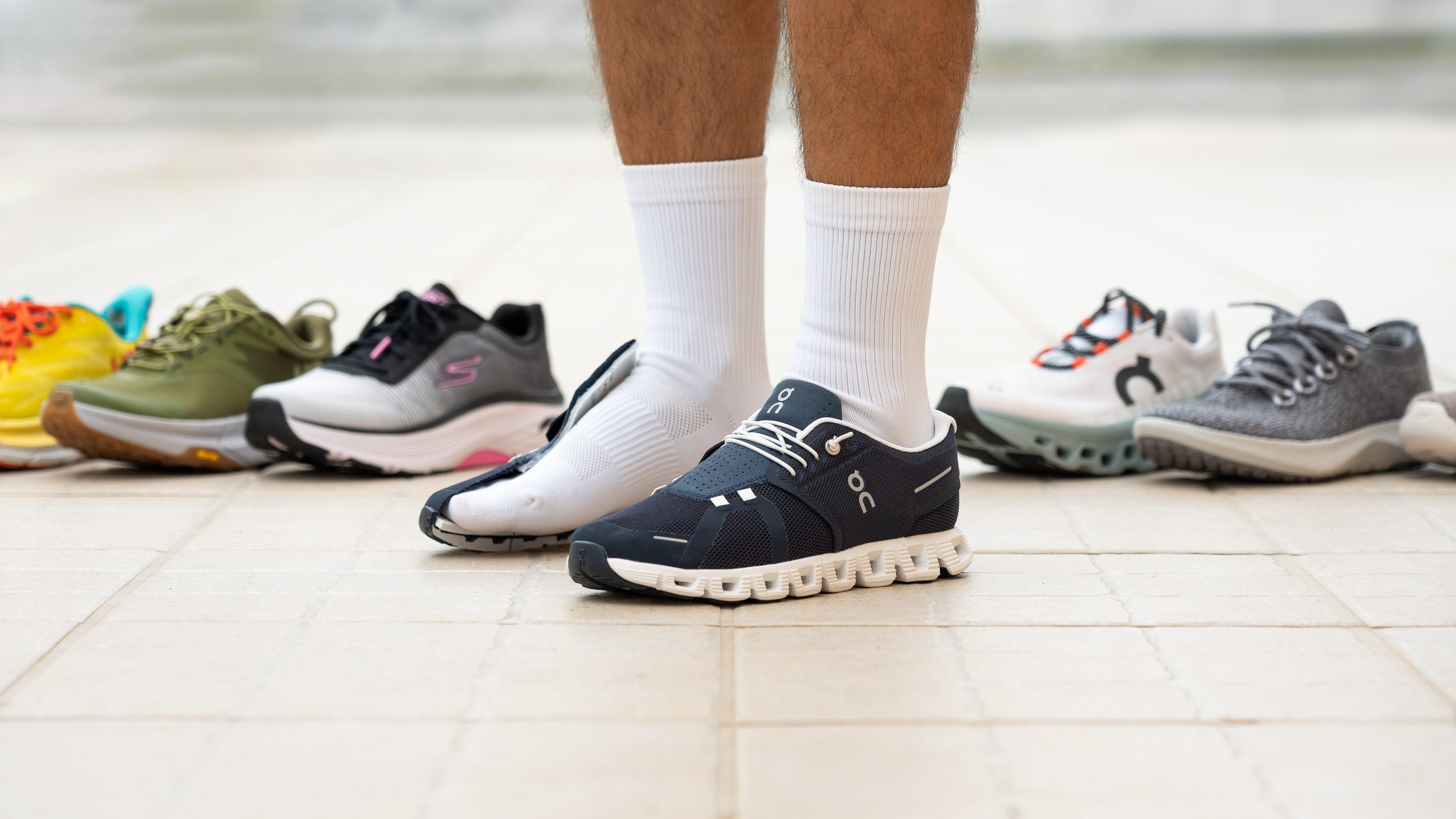
Armed with this knowledge, how do you select your ideal pair? First, shop in the afternoon. Feet naturally swell throughout the day, and a shoe fitted in the morning may become tight by evening. Always wear the socks you intend to pair with the shoes. When trying them on, pay attention to the “rule of thumb”: there should be about a thumbnail’s width of space between your longest toe (which isn’t always the big toe) and the end of the shoe. Don’t just stand—walk on a hard surface, if possible. Feel for any pinching across the widest part of your foot (the ball) or rubbing at the heel. Remember that brands size differently; your number is just a starting point. Secondly, consider your primary use. Are you navigating urban landscapes, walking on trails, or mostly on indoor surfaces? The outsole rubber compound and tread pattern should match your terrain. A durable carbon rubber outsole is essential for pavement pounders, while a softer, more lugged sole is better for varied terrain. Finally, trust reputable brands that invest in research and development. The market is full of imitators, but the genuine article from companies with a proven podiatric and biomechanical pedigree is worth the search.
The pursuit of the perfect walking shoe is, ultimately, a pursuit of freedom. It is the freedom to move through your day unimpeded by discomfort, to express your style without sacrifice, and to build a foundation of health with every step you take. It signals a shift in priority from enduring your footwear to being empowered by it. When your shoes are a source of support rather than a point of contention, your posture improves, your energy is conserved, and your confidence subtly radiates. This isn’t about following a trend; it’s about embracing a tool that enables you to fully engage with your life, from the first step out of bed to the last one back home. The right shoe doesn’t just carry you; it propels you forward.