

The Walking Shoe: Your Secret to Effortless Everyday Style
Forget the endless chase for the perfect outfit. The true cornerstone of daily elegance isn’t found in a fleeting trend, but in the foundation you stand on. It’s the unassuming hero of your wardrobe, the piece that bridges the gap between intention and action, between looking put-together and feeling invincible. That secret is the modern walking shoe. This isn’t about athletic performance or technical jargon; it’s about a fundamental shift in how we approach daily dressing. The right pair dissolves the line between comfort and style, turning every step into a statement of confident ease. They are the silent orchestrators of a day that flows seamlessly from school run to client meeting, from museum strolls to evening gatherings, all without a whisper of compromise.
1. The Anatomy of Effortless: Where Science Meets the Sidewalk
The magic of a great walking shoe is not accidental; it’s engineered. To understand its power, we must look beneath the stylish upper. The midsole, often crafted from advanced materials like EVA (ethylene-vinyl acetate) foam or polyurethane, is the command center for cushioning. According to biomechanics research from institutions like the University of Virginia’s Motion Analysis Laboratory, effective cushioning doesn’t just soften impact; it manages the kinetic energy from heel strike, reducing the load transmitted through your joints by up to 20-30% compared to flat, unsupportive footwear. This is the scientific bedrock of “all-day comfort.” Then comes the insole and arch support. The plantar fascia, a thick band of tissue running along the bottom of your foot, acts as a natural shock absorber. A well-designed insole with contoured arch support maintains the foot’s natural alignment, preventing the fascia from over-stretching—a primary cause of plantar fasciitis, a common ailment noted in podiatric literature. Finally, the outsole’s flexibility and tread pattern are calibrated for the urban environment. A study published in the Journal of Foot and Ankle Research emphasizes that a shoe with a proper “rocker” or roll-through design facilitates the natural gait cycle, reducing muscular effort in the calves and thighs. This confluence of cushioning, support, and flexibility isn’t mere marketing; it’s applied podiatric science that transforms the simple act of walking from a potential stressor into a sustained pleasure.
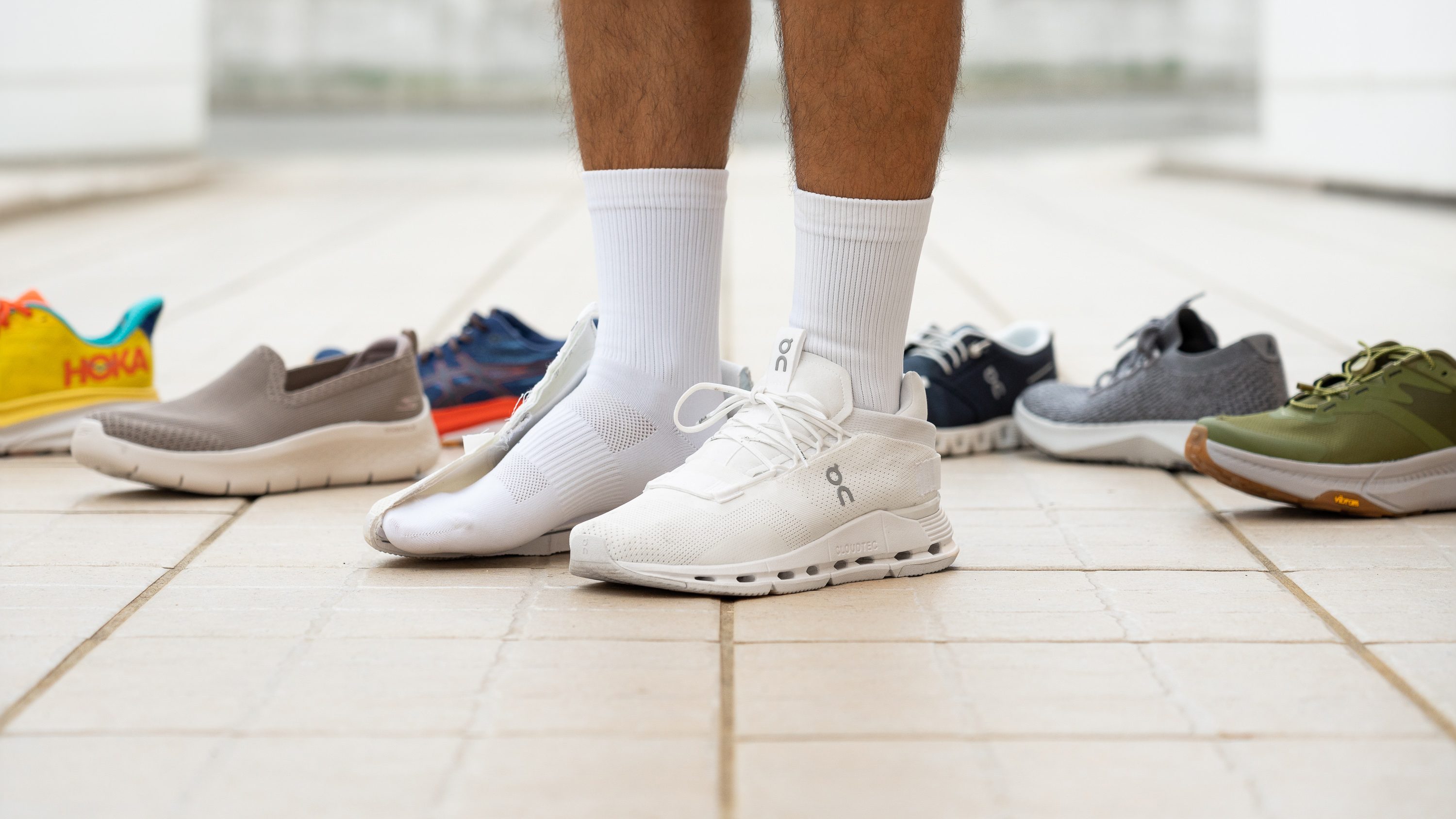
Beyond Sneakers: The Style Evolution
The cultural perception of comfortable shoes has undergone a radical transformation. No longer confined to the gym or the realm of “sensible” footwear, the modern walking shoe has been embraced by the pinnacles of style. This shift is powerfully evidenced by the words of the late, legendary fashion editor André Leon Talley, who once stated, “Luxury must be comfortable, otherwise it is not luxury.” This dictum has trickled down from haute couture to everyday reality. We see it in the rise of “athleisure” as a dominant trend, championed by brands from high-street to high-end. We see it in film and television, where characters defined by their sharp intelligence and capability—think Olivia Pope in Scandal or the protagonists of any modern, fast-paced city drama—are often shown powering through their worlds in sleek, sophisticated flats or minimalist trainers. The message is clear: true style is autonomous and unencumbered. A sleek leather loafer with a hidden memory foam footbed, a minimalist white trainer crafted from premium knit, or a weather-ready boot with a proprietary stability system—these are the new power pieces. They reject the outdated notion that suffering is a prerequisite for beauty, aligning instead with a contemporary ethos of integrated well-being and pragmatic elegance.
2. The Investment Equation: Cost Per Wear vs. Cost Per Pair
When faced with a price tag for a quality pair of walking shoes, it’s easy to balk. However, this is where a shift in perspective from a simple purchase price to a holistic value analysis is critical. The concept of “Cost Per Wear” (CPW), widely discussed by financial advisors and minimalist lifestyle advocates alike, provides the perfect framework. Let’s conduct a simple calculation. A cheap, poorly constructed pair of shoes for $50 might last through three months of daily use before causing discomfort or falling apart. That’s roughly 90 wears, for a CPW of about $0.56. Now, consider a well-engineered pair from a reputable brand, purchased at a discounted price of $120—a common find during seasonal sales or through outlet channels. Thanks to superior materials and construction, this pair easily provides two years of comfortable, daily service. That’s approximately 730 wears, for a CPW of about $0.16. The long-term investment is not only more economical but also safeguards your physical well-being. As noted by the American Podiatric Medical Association, inappropriate footwear is a leading contributor to foot disorders, which can lead to costly medical interventions down the line. Therefore, the true cost of a shoe encompasses its durability, its protective function, and its ability to enhance your daily life without complaint. Investing in a versatile, high-quality pair is an investment in your mobility, your posture, and your long-term health capital.
The Silent Toll of the Wrong Shoes
Compromising on footwear has consequences that ripple far beyond sore feet at the end of the day. The human body is an interconnected system, a concept central to kinesiology. When your foundation is unstable or unsupportive, your body automatically makes compensations. A flat, unsupportive shoe can lead to overpronation—an excessive inward roll of the foot. This, in turn, can cause a chain reaction: internal rotation of the tibia (shin bone), stress on the knee joint (potentially exacerbating conditions like patellofemoral pain syndrome), tilting of the pelvis, and even lower back pain. The Harvard Medical School publications on back health frequently cite poor footwear as a modifiable risk factor for chronic back issues. Furthermore, the constant micro-adjustments your muscles make to maintain balance in unsuitable shoes lead to premature fatigue. This isn’t just physical fatigue; mental energy is a finite resource, as explored in cognitive load theory. The cognitive effort spent tolerating discomfort is energy diverted from focus, creativity, and presence. In essence, the wrong shoes don’t just hurt your feet; they subtly drain your capacity to engage fully with your work, your passions, and the people around you. The right walking shoe, therefore, acts as a preventative tool, maintaining anatomical alignment and preserving your physical and mental energy for what truly matters.
:max_bytes(150000):strip_icc()/when-should-i-replace-my-walking-shoes-3436325-0801-7a1840d83573471092e0380f9e230ecc.jpg)
3. Curating Your Foundation: A Guide to Intelligent Selection
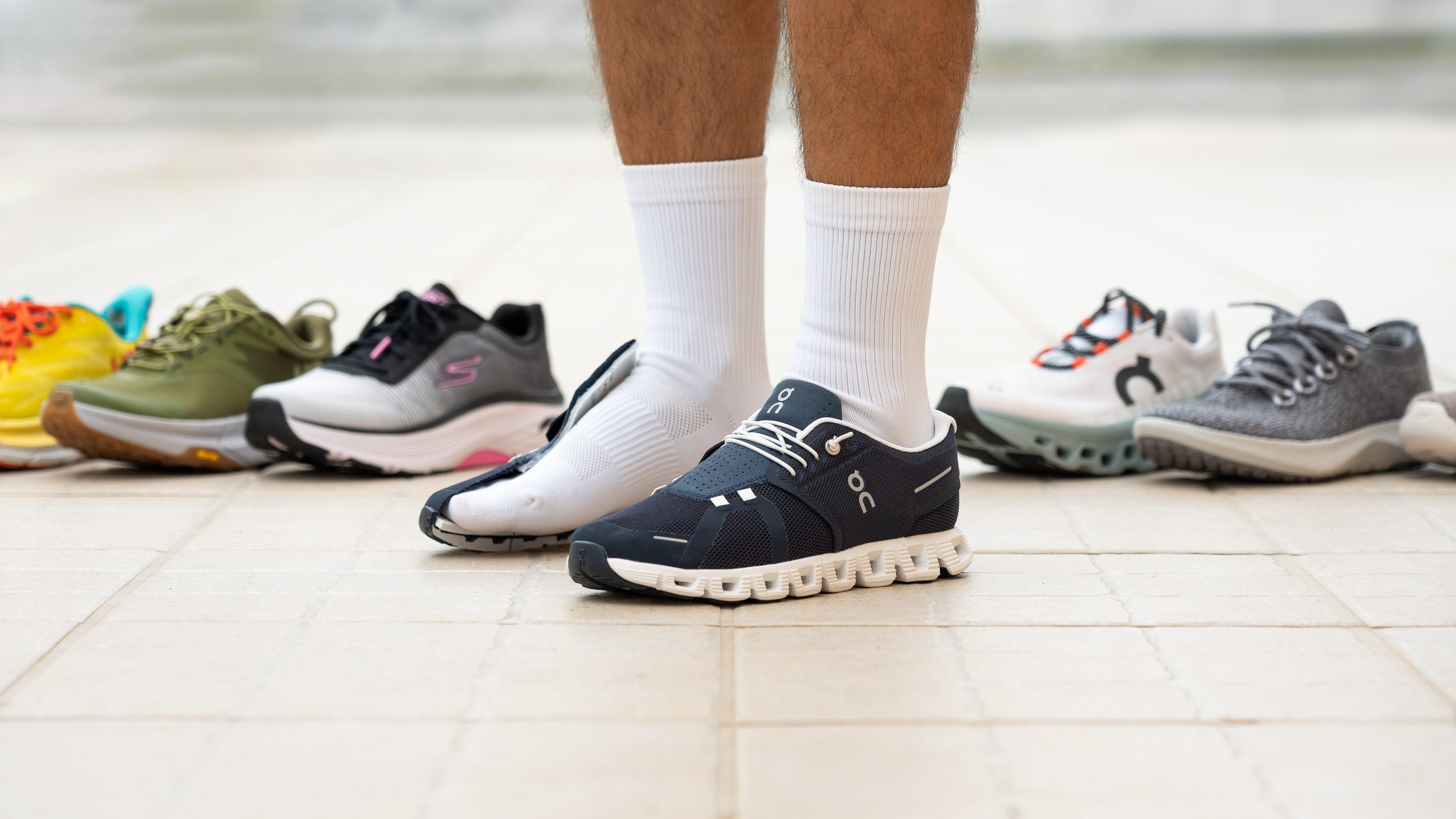
Knowing why a good walking shoe is essential leads us to the practical how. Selecting your pair is a personal process, but guided by a few key principles. First, timing is everything. Shop for shoes in the late afternoon or evening, as feet naturally swell throughout the day. This ensures you get a fit that accommodates your foot at its largest. Second, prioritize fit over size. The number on the box is irrelevant; the feel on your foot is paramount. There should be about a thumb’s width of space between your longest toe and the end of the shoe. Width is equally crucial—your foot should not spill over the sides of the sole, nor should it slide laterally within the shoe. Third, consider your gait. While a specialist can provide a full analysis, a simple wet foot test can offer clues. A normal arch will leave a print with a curved connection between heel and ball. A low arch (flat foot) will show almost the entire sole, indicating a potential need for motion control or stability features. A high arch will show a very narrow connection, suggesting a need for enhanced cushioning and flexibility. Finally, think about material and purpose. A breathable knit or mesh upper is ideal for warm climates and daily versatility, while waterproof leather or synthetic materials extend your shoe’s utility into rainy seasons. The goal is to find a partner for your daily life, a tool that feels like an extension of yourself.
4. The Unspoken Confidence of a Supported Step
The ultimate gift of the perfect walking shoe is intangible yet profound: a deep-seated sense of confidence. This isn’t the confidence of a striking high heel, which commands attention but often at the cost of agency. This is the confidence of autonomy. It’s the knowledge that your chosen path—whether it’s a last-minute detour through the park, an unexpected errand across town, or a spontaneous decision to keep exploring—is fully available to you. Your footwear is not a limiting factor. This aligns with the philosophical concept of “positive freedom,” the freedom to act, as opposed to merely freedom from constraint. When your feet are cared for, your mind is liberated from the background noise of discomfort. Your posture improves, your stride lengthens, and your presence in a room changes. You are grounded, literally and figuratively. This grounded confidence resonates. It speaks of a person who has their fundamentals in order, who values substance as much as appearance, and who moves through the world with intention and ease. In a culture that often equates busyness with importance, choosing comfort is a subtle act of rebellion and self-respect. It declares that your well-being is non-negotiable and that your style is defined not by external validation, but by internal coherence and capability.
A Final Step: Integrating the Principle
Embracing the walking shoe as a style secret is not about owning a single, magical pair. It’s about adopting a principle. It’s the principle of foundational integrity. It applies to the leather slip-on that carries you through a workday and a dinner, to the weather-resistant boot that laughs at a sudden downpour, and to the cloud-like sneaker that makes a weekend of errands feel like a breeze. It encourages a wardrobe built on versatile, high-quality pieces that work in harmony, starting from the ground up. This principle brings a newfound clarity to shopping. You begin to seek out brands that transparently discuss their technology—be it Adidas’s Boost, Brooks’s DNA Loft, or the proprietary insoles of brands like Vionic, which are often recommended by podiatrists. You learn to spot the signs of quality construction and to value the expertise embedded in a well-designed product. Most importantly, you redefine luxury for yourself. True luxury is not fragile or fussy; it is resilient, adaptable, and deeply personal. It is the luxury of moving through your day on your own terms, supported every step of the way. That is the effortless style a great walking shoe provides—a style that is felt long before it is seen, and one that endures far beyond any passing trend.
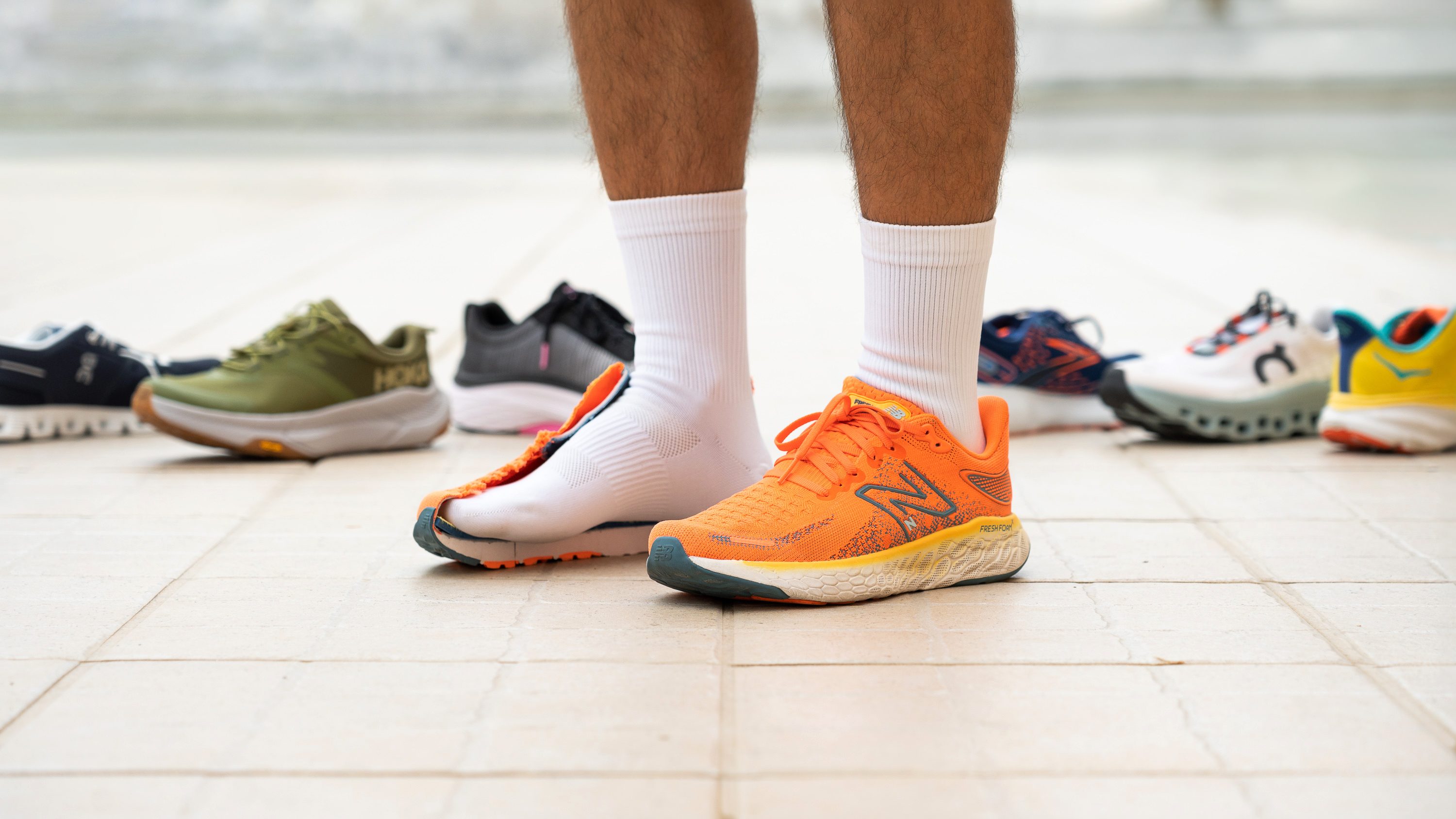
So, look down. The key to unlocking a more fluid, confident, and stylish everyday life might just be on your feet—or waiting for you to make the choice. It’s a choice for support over strain, for longevity over disposability, and for a style that is authentically, comfortably, and powerfully your own.
