

The Ultimate Walking Shoe Guide for Effortless Comfort and Chic
In the rhythm of daily life, where every step counts, the right footwear transforms movement from a mundane task into a seamless, stylish experience. This guide delves beyond superficial trends, marrying scientific principles with aesthetic consideration to curate the perfect walking shoe. We navigate the intersection of biomechanics, material innovation, and design, empowering you to make an informed choice that supports your body and expresses your personal style. Forget compromise; here, comfort and chic are not mutually exclusive but are fundamentally intertwined in the architecture of a well-crafted shoe.
The Foundation: Biomechanics and Your Stride
Understanding the mechanics of walking is paramount before selecting a shoe. The human gait cycle is a complex symphony of motion involving heel strike, mid-stance, and toe-off. A shoe that disrupts this natural rhythm can lead to discomfort, fatigue, and long-term injury. According to research from the American Podiatric Medical Association, proper footwear is a critical component in maintaining foot health and overall musculoskeletal alignment. The ideal walking shoe acts as a supportive partner, offering stability without rigidity and cushioning without bulk. It accommodates the subtle pronation (inward roll) or supination (outward roll) of the foot during the gait cycle. Renowned biomechanist Dr. Casey Kerrigan, whose work has been cited in publications like The Journal of the American Medical Association, has extensively studied how shoe design affects joint loads. Her research suggests that overly cushioned or rigid shoes can sometimes increase stress on the knees and hips, underscoring the need for a balanced, “natural” support system tailored to the specific, low-impact but repetitive motion of walking, as opposed to running.
Arch Support: The Keystone of Comfort
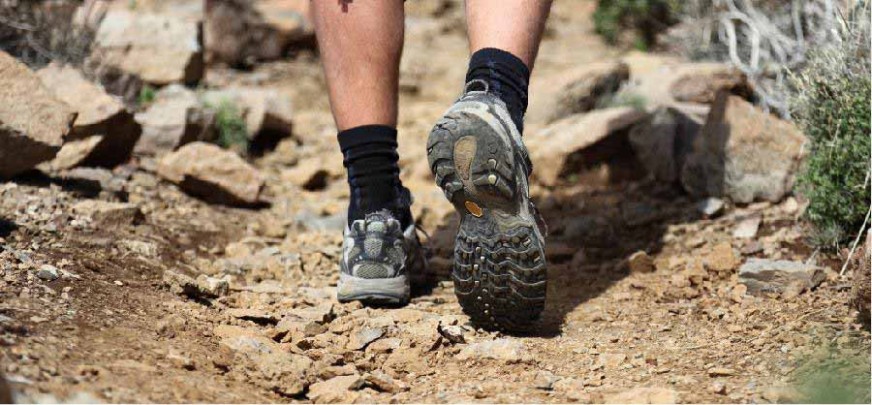
Your arch type—whether neutral, flat (overpronated), or high (supinated)—is the blueprint for the support you need. This is not a matter of opinion but of physiology. A neutral arch typically pairs well with a stability shoe that offers moderate arch support and cushioning. For flat feet, motion control shoes with firm midsoles and structured support are often recommended to counteract overpronation. High arches require cushioned, flexible shoes that encourage natural motion, as they are less effective at absorbing shock. The Cleveland Clinic, a world-renowned academic medical center, emphasizes that improper arch support can lead to plantar fasciitis, shin splints, and other overuse injuries. When trying on a potential walking shoe, pay close attention to the feel of the arch area. It should feel supportive, like a gentle cradle, not intrusive or absent. Many premium brands now offer foot scanning technology in stores or online tools to help you determine your exact arch type and foot dimensions, moving the selection process from guesswork to data-driven precision.
Material Matters: Engineering for Breathability and Durability
The composition of a shoe dictates its performance, longevity, and comfort over miles. The upper, the part that encloses the foot, has evolved from simple leather to high-tech engineered meshes. Brands like Brooks and Hoka use proprietary, ultra-breathable materials that provide a secure, sock-like fit while allowing heat and moisture to escape. This is crucial for preventing blisters and maintaining a healthy foot environment. As noted in material science reviews, modern synthetic meshes are often more durable and consistent than natural materials. The midsole, the heart of the shoe’s cushioning, is where major innovations occur. Ethylene-vinyl acetate (EVA) foam is a common, lightweight material, but advanced variations like compression-molded EVA or polyurethane offer greater resilience and energy return. The outsole, typically made from carbon rubber or blown rubber, provides traction and abrasion resistance. The synergy of these materials determines the shoe’s weight, flexibility, and overall feel. A heavy shoe can make a leisurely walk feel laborious, while a flimsy one may lack the necessary support for extended wear.
The Heel-to-Toe Drop: A Subtle yet Significant Spec
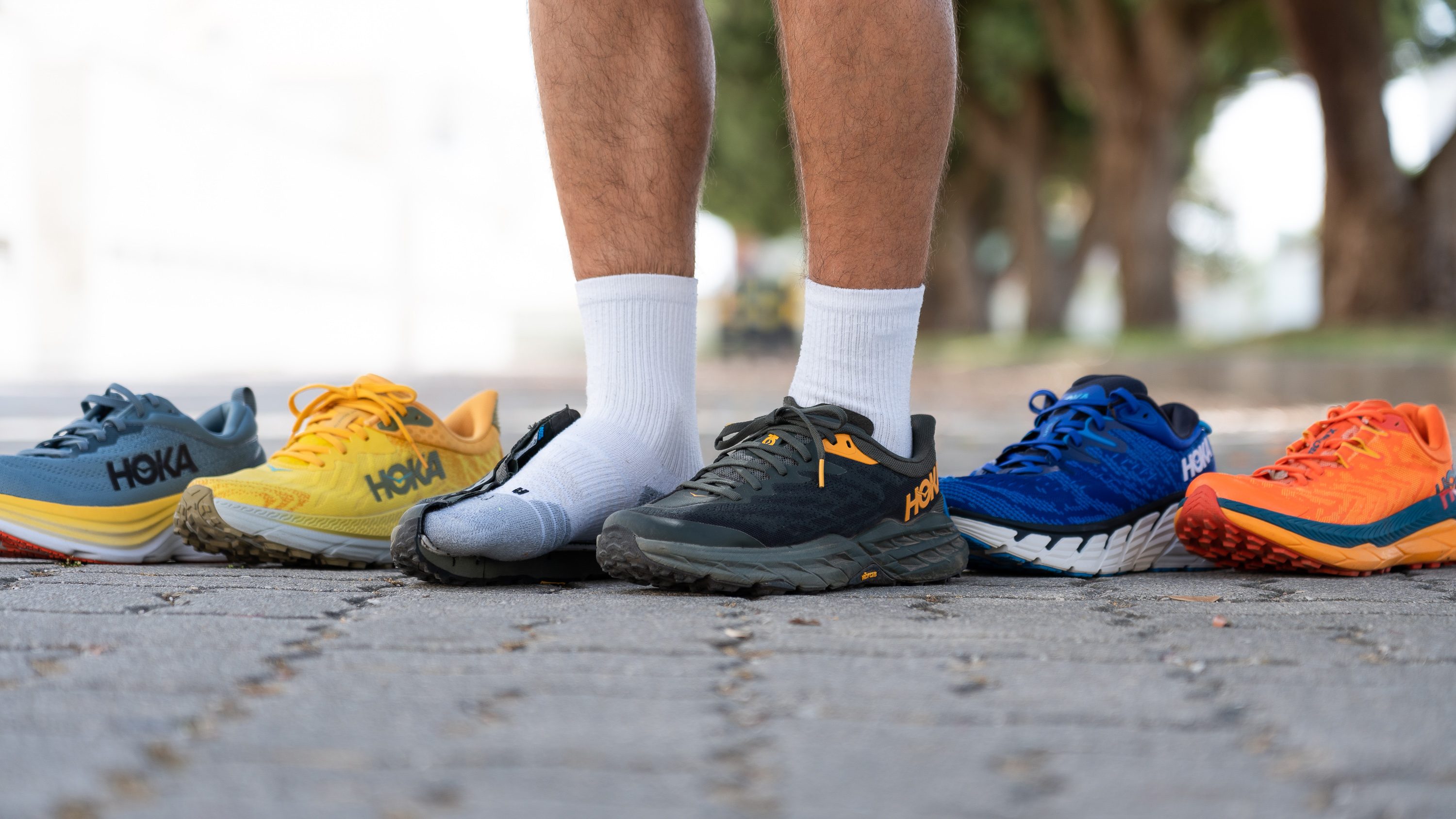
Often overlooked, the heel-to-toe drop (or offset) is the difference in height between the heel and forefoot of the shoe. Traditional walking and running shoes often feature a drop of 8-12mm, positioning the heel higher to facilitate a rolling gait. However, the trend towards “zero-drop” or minimalist shoes, popularized by brands like Altra, aims to promote a more natural, mid-foot strike. Podiatrist Dr. Ray McClanahan, a vocal advocate for natural foot function, argues in his published viewpoints that a reduced drop can help strengthen foot muscles and improve alignment. Conversely, a higher drop may be beneficial for individuals with certain tendon issues, like Achilles tendinitis, as it reduces strain on the tendon. There is no universally “correct” drop; it is a personal preference intertwined with your biomechanics and comfort. When transitioning to a lower-drop walking shoe, it is essential to do so gradually to allow your muscles and tendons to adapt, a point consistently stressed by physical therapists and training experts on platforms like YouTube.
Stylish Synergy: When Form Meets Function
The notion that comfortable shoes cannot be stylish is an antiquated dichotomy. Today’s leading brands invest heavily in design, recognizing that aesthetics are integral to the user experience. The challenge lies in integrating technical features—like visible cushioning systems, supportive overlays, and traction lugs—into a cohesive, visually appealing silhouette. Consider the success of brands like Allbirds or certain models from New Balance and Cole Haan. They have mastered the art of creating shoes that look at home in a casual office setting or a weekend brunch, yet are built with performance materials. Fashion icon and actress Meghan Markle has been photographed numerous times in stylish yet sensible sneakers, subtly endorsing the chic comfort trend. As Tim Gunn, the renowned fashion consultant, famously espouses, “Style is about self-expression and confidence.” A great walking shoe should make you feel confident in your stride and your style, proving that practicality can be the ultimate sophistication. The key is to look for clean lines, versatile colorways (neutrals are often most adaptable), and a design that complements rather than clashes with your wardrobe essentials.

Investment and Care: Maximizing Your Shoe’s Lifespan
A quality pair of walking shoes is an investment in your well-being. To protect that investment, understanding their lifespan and proper care is essential. Most experts, including those at the American Academy of Podiatric Sports Medicine, recommend replacing walking shoes every 300 to 500 miles. However, this is a guideline, not an absolute rule. Signs of wear include visible creasing in the midsole, worn-out tread patterns, and a loss of cushioning that you can feel. Wearing shoes beyond their functional life can negate their supportive benefits. To extend their longevity, rotate between two pairs if possible, allowing the foam midsoles to decompress fully between wears. Avoid machine washing, which can break down adhesives and materials; instead, clean uppers with a soft brush, mild soap, and water. Stuff them with newspaper to dry and maintain their shape. Furthermore, using them for their intended purpose—walking—rather than for court sports or heavy yard work, will preserve their structure. Remember, the most expensive shoe is not necessarily the best for you, but the cheapest option may cost more in the long run through discomfort and replacement frequency.
:max_bytes(150000):strip_icc()/when-should-i-replace-my-walking-shoes-3436325-0801-7a1840d83573471092e0380f9e230ecc.jpg)
Finding Value: Professional Insight on Discounts and Deals
Acquiring the perfect pair need not break the bank. Strategic shopping can yield significant savings. First, identify your ideal model through research and, if possible, a professional fitting at a specialty running store. Once you know your size and preferred model, you can hunt for deals. Key strategies include shopping for previous seasons’ colorways, which are often discounted by 30-50% as new models are released. Sign up for newsletters from both major retailers and the brand directly to receive alerts on sales and exclusive coupon codes. Outlet stores and reputable online discounters frequently offer authentic overstock. Major shopping holidays like Black Friday, Cyber Monday, and end-of-season sales are prime opportunities. Additionally, some brands offer loyalty programs or discounts for healthcare workers, students, or military personnel. As consumer advocate and writer Clark Howard often advises, “The goal is to get what you want at the best possible price, not just the lowest price on something you don’t really want.” Investing time in research ensures you discount the price, not the quality or suitability of your essential walking shoe.
The journey to finding the ultimate walking shoe is a personal exploration of science, sensation, and style. It begins with an understanding of your own body’s mechanics, extends through an appreciation of engineered materials and thoughtful design, and culminates in a choice that feels intuitively right. This is not about following a fleeting trend but about forging a partnership with an object that supports your daily journey. When you lace up a shoe that seamlessly blends cushioning, support, and aesthetic appeal, every step becomes a statement—a declaration that you value your comfort and your style in equal measure. The path forward is best traveled in shoes designed for the journey.
