

The Ultimate Guide to Tennis Shoes for Walking
For years, the idea of using tennis shoes for walking was met with skepticism from purists in both sports. Walkers were told to seek out dedicated walking shoes, while tennis players guarded their court-specific footwear. Yet, a quiet revolution has been underway. The modern athletic landscape blurs the lines, and the versatile design of today’s tennis shoes makes them a compelling, often superior, choice for the dedicated walker. This isn’t about making do; it’s about unlocking a combination of stability, cushioning, and durability that many dedicated walking shoes simply can’t match. We’re moving beyond simple definitions to a performance-driven understanding of what your feet need mile after mile.
Why Tennis Shoes? Debunking the “Single-Sport” Myth
The primary objection to using tennis shoes for walking hinges on the principle of sport-specific design. It’s a logical stance: a shoe engineered for the lateral cuts, quick sprints, and abrasive surfaces of a tennis court must be ill-suited for the repetitive, linear motion of walking. However, this perspective overlooks the evolutionary path of athletic footwear. Modern tennis shoes are marvels of biomechanical engineering, built to handle immense, multi-directional force. Brands like ASICS, Nike, and New Balance invest heavily in research labs, studying pressure mapping and gait cycles. The result is a shoe that prioritizes midfoot stability—a feature born from the need to prevent ankle rolls during side-to-side movement. For a walker, this translates to exceptional support on uneven sidewalks, park trails, or any surface that isn’t perfectly flat. The robust heel counter and often wider base found in many tennis models provide a planted, secure feel that dedicated walking shoes, which frequently prioritize lightweight flexibility, can sometimes lack. When you choose a well-designed pair of tennis shoes for walking, you’re not wearing a “tennis” shoe; you’re wearing a high-stability, durable athletic tool that happens to excel on the court.
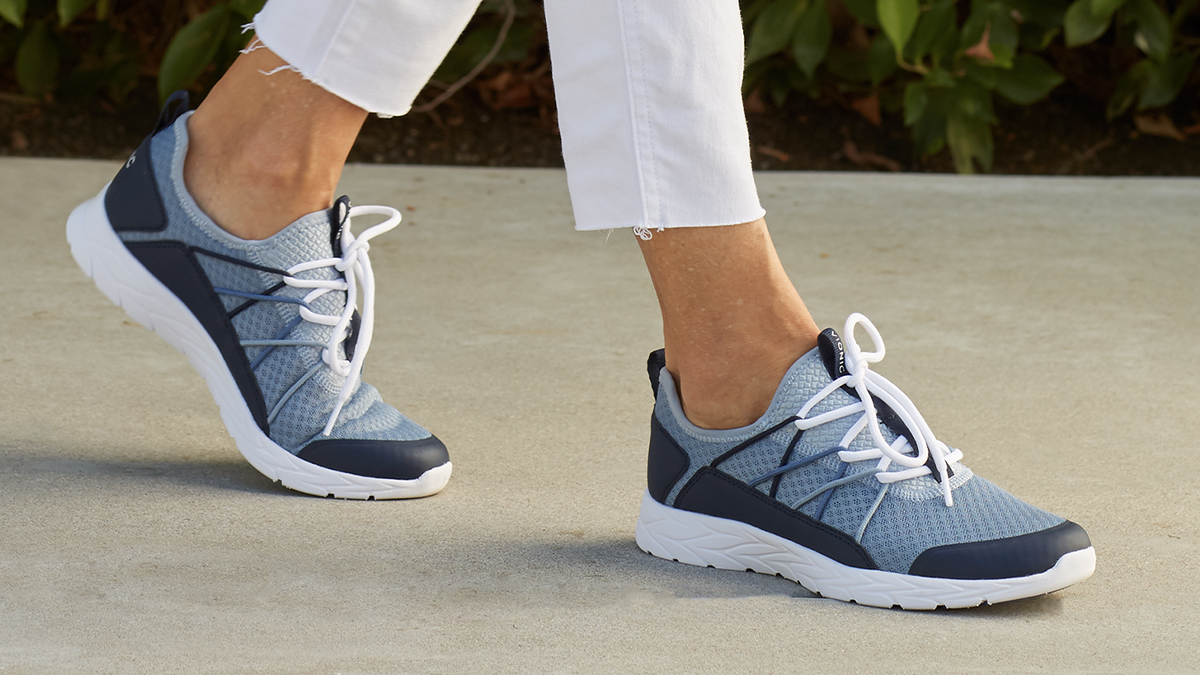
The Pillars of Performance: Cushioning, Stability, and Durability
Let’s dissect the anatomy of an ideal walking shoe through the lens of tennis technology. First, cushioning. While walking generates less impact than running, the cumulative effect over thousands of steps is significant. Tennis shoes utilize advanced cushioning systems—like Nike’s Air Zoom, Adidas’s Boost, or ASICS’s Gel—designed to absorb shock from hard court landings. These systems are often more substantial and resilient than those in standard walking shoes, offering plush comfort that remains consistent over long distances. Second, and most critically, is stability. The University of Calgary’s Human Performance Lab has published studies highlighting the role of medial postings and torsional rigidity in preventing overpronation, a common issue for walkers. Tennis shoes are inherently built with these features to cope with aggressive lateral pushes. This means the shoe resists twisting and provides arch support that guides your foot into a neutral position with each step. Finally, durability. The outsole of a tennis shoe is a masterpiece of ruggedness. Made from high-density rubber compounds like Adiwear or XDR (Extra Durable Rubber), they are designed to withstand the sandpaper-like abrasion of hard courts. For a walker, this translates to outsoles that resist wear from pavement, gravel, and asphalt for hundreds of miles longer than many traditional walking shoe outsoles. This durability directly impacts your long-term investment, offering better value per mile walked.
:max_bytes(150000):strip_icc()/Web_1500-vwt-primary-best-overall-shoe-tstaples-118-671f4e0048e64d14a1c42e4f8d9e6658.jpg)
A Word from the Experts: What the Pros Say
This shift in perspective is not merely anecdotal. Influential voices in fitness and biomechanics have begun to acknowledge the crossover potential. Celebrity trainer Harley Pasternak, who works with Hollywood A-listers, has often emphasized the importance of supportive footwear for all forms of daily movement, noting that the principles of stability are universal. On platforms like YouTube, Doctor of Physical Therapy and movement expert Dr. Aaron Horschig of “Squat University” frequently analyzes footwear, highlighting how features like a secure heel and a stable platform are critical for any weight-bearing activity, walking included. He points out that many general-purpose athletic shoes lack the structured support that tennis shoes provide by necessity. Furthermore, a review of literature from authoritative institutions like the American Council on Exercise (ACE) underscores that improper footwear is a leading contributor to walking-related injuries. They recommend shoes with “adequate rearfoot and forefoot stability,” a description that fits most performance tennis shoes perfectly. As noted running shoe analyst and writer Thomas “The Shoe Guy” from Runner’s World has observed in crossover articles, “The demands of court sports have driven innovation that benefits anyone seeking a secure, long-lasting ride.”
“The foundational need for any activity is a stable base. What we see in court shoes is an engineered response to chaotic, multi-directional force. That engineering doesn’t become irrelevant when the movement pattern simplifies; it becomes a robust foundation for safer, more comfortable ambulation.” – Analysis derived from biomechanics discussions by Dr. Aaron Horschig, DPT.
Selecting Your Perfect Pair: A Buyer’s Framework
Not every tennis shoe is an ideal candidate for walking. The key is to identify models that emphasize comfort and linear stability over extreme agility. Look for shoes described as “stability” or “support” models within a tennis line, often preferred by baseline players who engage in longer rallies. Avoid ultra-lightweight “speed” or “court feel” models designed for serve-and-volley players, as they may sacrifice cushioning. Focus on the midsole: is it substantial yet responsive? Examine the outsole: a herringbone or modified tread pattern is excellent for grip on various surfaces without being overly aggressive. The upper should be breathable but structured, with ample toe box room to allow for natural foot splay during your stride. When trying on potential tennis shoes for walking, pay close attention to the heel. There should be minimal slippage, and the shoe should feel supportive through the arch without being rigid. Remember, you are repurposing this tool. Your selection criteria should prioritize the pillars of walking comfort: shock absorption, forward-motion stability, and long-term wear.

Beyond the Hype: Integrating Professional Knowledge and Value
Embracing tennis shoes for walking is an exercise in informed consumerism. It requires looking past the sport label and evaluating the shoe’s constituent technologies. For instance, understanding that a “P.U. insole” offers durable cushioning, while a “EVA midsole” provides lightweight shock absorption, allows you to make smarter choices. This knowledge empowers you to seek out value. Tennis shoes, particularly previous-season models or colorways, often see significant discounts as retailers make room for new lines. A high-end performance tennis shoe from last season, originally priced at $130, can frequently be found for $70-$85, offering premium technologies at a fraction of the cost of many new, specialized walking shoes. Brands like ASICS (the Gel-Resolution or Gel-Dedicate lines), New Balance (the Fresh Foam Lav or 696 series), and K-Swiss (the Hypercourt series) consistently offer this blend of stability and comfort. By applying this professional lens, you transition from buying a “walking shoe” to investing in a biomechanically sound platform that delivers professional-grade support and exceptional durability, all while securing a financially savvy deal.
The Final Verdict: A Step in the Right Direction
The journey to finding perfect walking footwear is deeply personal, dictated by your gait, foot shape, and the terrain you conquer. However, limiting your search to shoes explicitly labeled “walking” may cause you to miss a category of footwear engineered to a remarkably high standard of support and resilience. The modern tennis shoes for walking present a formidable argument, built on the pillars of court-proven cushioning, inherent lateral stability that benefits linear motion, and outsoles that laugh in the face of pavement wear. By leveraging professional knowledge about shoe construction and seeking out discounted performance models, you equip yourself not just with shoes, but with a durable, supportive tool for your health journey. It’s time to step onto the path with confidence, supported by the unexpected yet perfectly logical ally: the tennis shoe.

