

The Ultimate Guide to Tennis Shoes for Walking
Let’s dismantle a pervasive myth right at the outset: not all athletic shoes are created equal for the simple, fundamental act of walking. The shoe you lace up for a brisk neighborhood stroll or a day of museum-hopping carries a distinct set of engineering requirements, separate from those designed for lateral cuts on a clay court. This guide isn’t about repurposing; it’s about precision. We are here to explore the specific category of tennis shoes for walking, a hybrid born from recognizing that the best tool for urban and recreational pedestrianism often borrows the robust, stable, and supportive DNA of a court shoe, while shedding its aggressive, court-specific traits. The journey from a specialized sports shoe to an everyday walking companion is one of adaptation, focusing on cushioning, durability, and all-day comfort over explosive movement. By the end, you’ll possess a clear, evidence-based framework for selecting footwear that supports your stride, protects your joints, and endures the miles of daily life.
The Anatomical Foundation: Why Your Feet Demand Specificity
To appreciate the evolution of tennis shoes for walking, one must first understand the biomechanical dialogue between foot and ground. Walking is a controlled, repetitive sequence of heel-strike, midfoot roll, and toe-off, generating forces of 1.2 to 1.5 times your body weight with each step. This linear, sagittal plane motion differs starkly from the multi-directional, high-impact bursts of tennis, which involve rapid lateral shuffles, sudden stops, and toe-drags. Dr. Casey Kerrigan, a renowned biomechanist and former Harvard Medical School professor, has extensively researched gait. Her work, often cited in publications like The Journal of the American Medical Association, emphasizes that improper footwear can alter natural gait mechanics, leading to increased joint loading in the knees and hips. A tennis shoe’s original design prioritizes a reinforced toe cap (for dragging) and a herringbone outsole for multi-surface traction—features superfluous and potentially cumbersome for straight-line walking. Therefore, the ideal tennis shoes for walking undergo a metamorphosis: they retain the foundational stability and durable upper but often incorporate a more flexible forefoot, a smoother outsole pattern, and cushioning optimized for repetitive heel-to-toe impact rather than variable court pressure.
:max_bytes(150000):strip_icc()/Web_1500-vwt-primary-best-overall-shoe-tstaples-118-671f4e0048e64d14a1c42e4f8d9e6658.jpg)
Decoding the Hybrid: Key Features of a Walking-Optimized Tennis Shoe
When evaluating a tennis shoe for walking purposes, several non-negotiable elements come to the fore. First, the midsole cushioning technology is paramount. While traditional tennis shoes may use dense, responsive foams like polyurethane for stability during side-to-side movements, a walking-adapted version often integrates softer, more resilient materials like specialized EVA or proprietary gels (e.g., ASICS GEL, Nike Air) primarily along the heel and forefoot. This configuration attenuates the shock of repetitive heel strikes. Second, consider the outsole. A true tennis outsole, with its aggressive, multi-directional tread, can feel overly grippy and stiff on pavement. The modified version for walking typically features a more universal, durable rubber compound with a flatter or mildly textured pattern, promoting a natural roll-through and longer wear on asphalt and concrete. Third, the upper construction shifts from maximal lockdown for court performance to breathable, accommodating comfort. You’ll find more engineered mesh and fewer rigid overlays, allowing the foot to splay naturally during the walking gait cycle. As noted on authoritative running and walking sites like Verywell Fit and Runner’s World, this shift in priority—from aggressive containment to enduring comfort—is what defines the successful transition of a tennis shoe into a dedicated walking partner.
The Cushioning Conundrum: Science Underfoot
The debate between maximal cushioning and natural ground feel is perennial in footwear circles. For the walker seeking a tennis shoes for walking solution, the science leans decisively towards adequate, intelligent cushioning. Research from institutions like the University of Calgary’s Human Performance Laboratory indicates that well-cushioned shoes can significantly reduce the rate of loading on joints, a critical factor for preventing overuse injuries common among regular walkers. This doesn’t mean a marshmallow-soft ride; it means targeted cushioning. Brands like HOKA, which originated from maximal cushioning principles, have influenced even traditional tennis and athletic brands to incorporate thicker, lighter midsoles. The key is energy return—the shoe’s ability to give back some of the energy absorbed upon impact. Materials like Adidas’s Boost or Brooks’s DNA LOFT are frequently highlighted in industry literature for their durable resilience. As legendary shoe designer and biomechanics expert Benno Nigg famously stated in his book Biomechanics of Sport Shoes, “The goal of shoe design is not to correct, but to complement the natural movement of the body.” Thus, the cushioning in a walking-adapted tennis shoe should complement the walker’s stride, absorbing shock without destabilizing the foot or creating an unnatural platform.
From Court to Concrete: Real-World Adaptations and Top Contenders
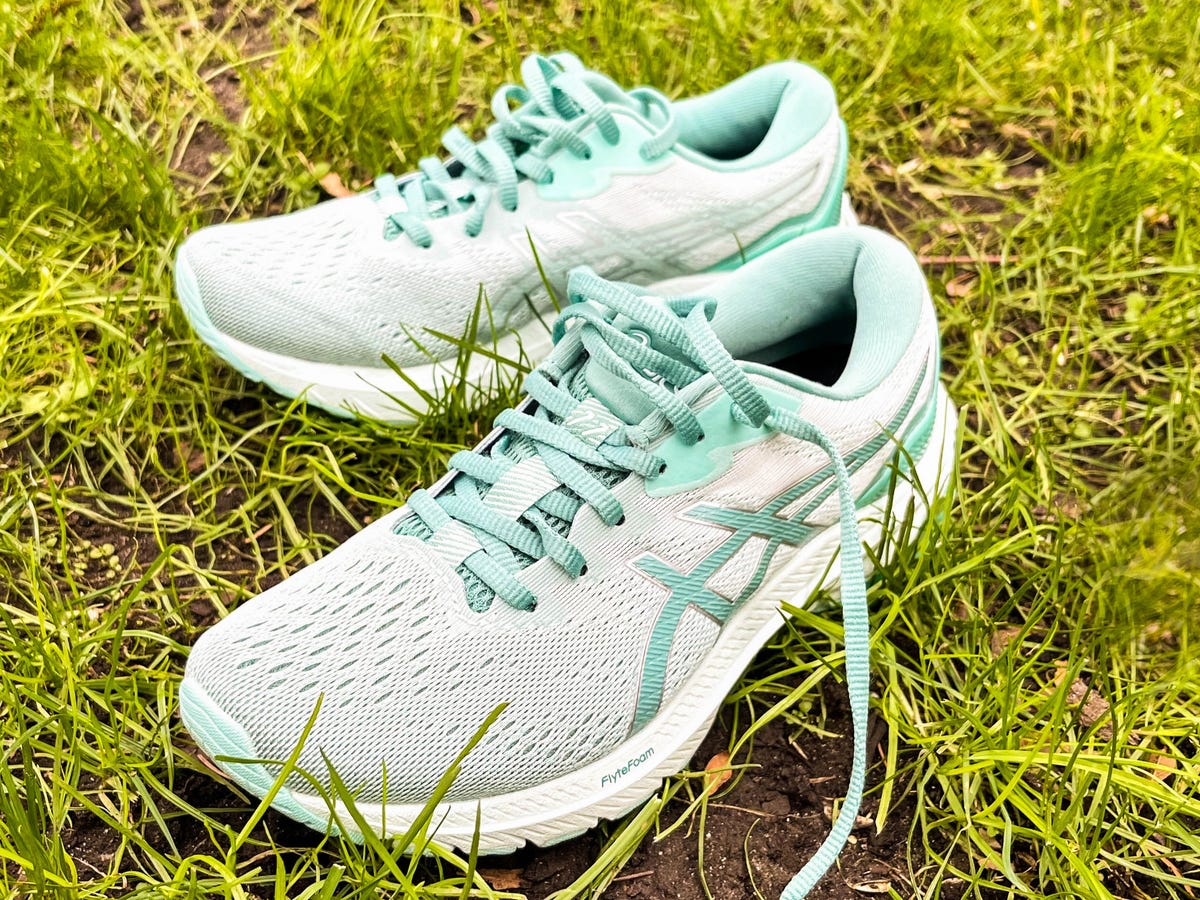
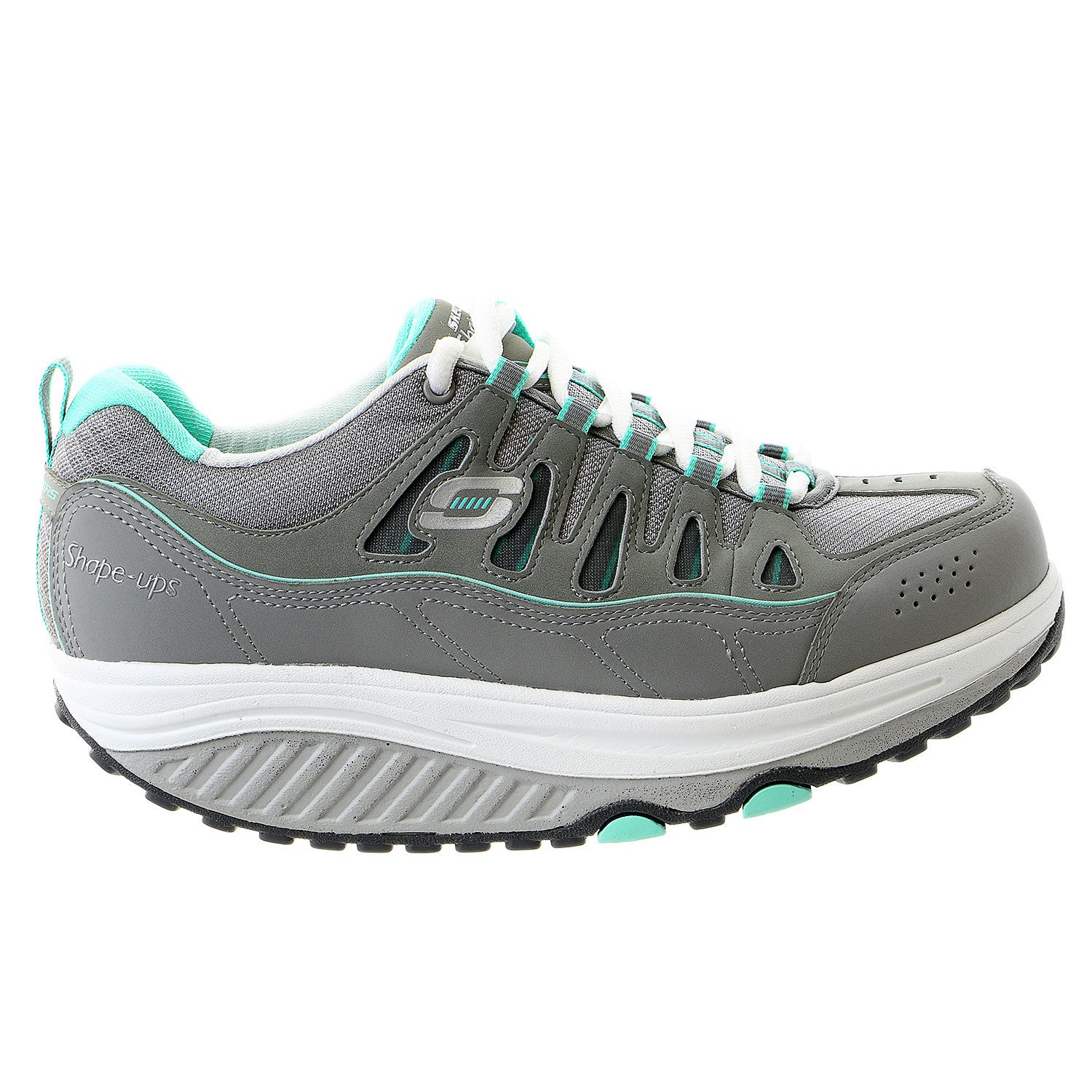
Several models originally designed for the court have garnered a cult following among walkers due to their inherent stability and durable construction. The New Balance 928, for instance, is a poster child for this category. Initially engineered as a motion-control walking shoe, its design philosophy—a sturdy leather upper, robust rollbar for stability, and ample cushioning—mirrors the supportive structure of a performance tennis shoe. Similarly, certain ASICS GEL-Resolution or GEL-Dedicate models, with their rearfoot and forefoot GEL cushioning units, provide exceptional shock absorption that walkers covet. The Skechers Arch Fit series, while not a tennis shoe per se, employs podiatrist-certified arch support and high-rebound cushioning, principles directly borrowed from orthotic and performance athletic design. These shoes succeed because they prioritize what walkers need most: all-day support, impact protection, and longevity. When you slip into a pair of well-adapted tennis shoes for walking, you’re not wearing a compromised sports tool; you’re wearing a purpose-built instrument for pedestrian endurance, where every component from the heel counter to the toe spring is aligned with the mechanics of a sustained, healthy stride.
Investing in Your Stride: Value Beyond the Price Tag
Professional knowledge must translate into practical value, and part of that value is economic. A common misconception is that specialized footwear demands a premium with no recourse. However, the market for performance-inspired walking shoes is dynamic. Last season’s colorways or models often see significant discounts as new iterations are released. The crucial insight here is that the core technologies—the cushioning systems, stability features, and durable outsoles—remain largely effective across model years. A tennis shoes for walking from a previous season, available at a 30-40% discount, frequently offers 95% of the performance of the latest version. Websites like Running Warehouse, Eastbay, and even direct brand outlets routinely offer such deals. The savvy consumer uses the professional knowledge of required features—knowing, for instance, that a dual-density midsole or a specific type of heel counter is non-negotiable for their pronation type—and then seeks out models possessing those features in the sale section. This strategy democratizes high-quality, biomechanically sound footwear. It’s an investment in long-term joint health and walking enjoyment, an investment that smart shopping makes accessible without compromising on the scientific principles that make the shoe effective in the first place.
The Final Step: Making an Informed Choice
The path to finding your ideal walking companion is illuminated by specificity and self-awareness. It begins with acknowledging that walking, though natural, is an activity with precise physical demands that are best met with equally precise footwear design. The adapted tennis shoes for walking represent a convergence of athletic rigor and ergonomic comfort, offering a foundation built for stability and refined for repetitive, linear motion. Your choice should be guided by an understanding of your gait, arch type, and the typical surfaces you traverse, informed by the objective science of biomechanics and material technology. Remember, the most expensive shoe is not inherently the best; the best shoe is the one whose engineered features align perfectly with the unique mechanics of your stride and the practical realities of your daily journey. Let this guide be the framework that moves you beyond marketing claims and towards a confident, supported, and enduring walk.

