

The Best Tennis Shoes for All-Day Walking Comfort
When the agenda is packed from dawn till dusk, and your feet are the primary mode of transportation, the choice of footwear transcends mere fashion. It becomes a critical decision impacting your energy, posture, and overall well-being. The quest isn’t for the flashiest sneaker or the one endorsed by the top-ranked athlete; it’s for a reliable partner that offers unwavering support and cushioning mile after mile. This is where the specialized category of tennis shoes for walking enters the conversation. While traditional walking shoes have their place, modern athletic cross-training has blurred the lines, and many of today’s premium tennis shoes are engineered with technologies that make them exceptional for prolonged pedestrian use. They offer a unique combination of lateral stability, forefoot flexibility, and heel cushioning that can outpace many dedicated walking models. This article delves into the anatomy of comfort, guiding you through the scientific principles and expert-endorsed features that define the best tennis shoes for walking, ensuring your next step is your most comfortable one.
The Engineering of Endurance: What Makes a Tennis Shoe Great for Walking?
To understand why a tennis shoe can be a secret weapon for walkers, we must dissect its construction from an ergonomic and biomechanical perspective. Unlike running, which is a series of forward-propelled leaps, walking involves a heel-to-toe rolling motion with a period where both feet are grounded. This gait cycle places different stresses on the foot and shoe. A high-quality tennis shoes for walking addresses these needs through several key features. First, consider midsole technology. Brands like ASICS utilize GEL cushioning systems, a silicone-based substance that absorbs shock during impact. Scientifically, as noted in biomechanics literature from institutions like the University of Calgary’s Human Performance Laboratory, effective shock attenuation is crucial in preventing stress fractures and joint fatigue over long distances. Secondly, the outsole design is paramount. Tennis shoes often feature durable, non-marking rubber with a modified herringbone or multi-directional tread pattern. This isn’t just for court grip; it provides consistent traction on varied urban surfaces, from concrete to asphalt, offering stability that prevents slips—a common concern cited in urban mobility studies. Finally, the upper construction focuses on breathability and structured support. Materials like engineered mesh allow for thermoregulation, keeping feet cool, while synthetic overlays or thermoplastic polyurethane (TPU) elements lock the midfoot down, preventing excessive internal rotation or “rolling” that can lead to overpronation. As Dr. Casey Kerrigan, a former Harvard Medical School professor of physical medicine and rehabilitation, has often stated in interviews, “The goal of footwear should be to complement the foot’s natural function, not constrain it. A shoe that offers structured support without rigidity is key for repetitive, low-impact activity like walking.” This philosophy is embedded in the best cross-training tennis shoes.

Cushioning Systems: The Science of Shock Absorption
At the heart of all-day comfort lies the shoe’s ability to dissipate the kinetic energy generated with every step. When you walk, your body absorbs a force equivalent to approximately 1.2 to 1.5 times your body weight with each heel strike. Over thousands of steps, this cumulative load can lead to discomfort in the heels, knees, and lower back. Leading athletic brands invest heavily in proprietary cushioning technologies to combat this. Nike’s Air Zoom units, for instance, are pressurized air bags embedded in the midsole that provide responsive cushioning. According to Nike’s own white papers, developed in collaboration with sports scientists, the goal is to return energy to the wearer, making propulsion feel easier. Adidas, conversely, employs BOOST technology, which consists of thousands of energy-returning TPU pellets. A study published in the Journal of Science and Medicine in Sport has indicated that materials with high energy return can reduce the metabolic cost of walking, meaning your body expends less energy. For the walker, this translates directly to less fatigue. When evaluating tennis shoes for walking, look for models that feature full-length or strategic placement of these advanced cushioning systems. A shoe like the New Balance Fresh Foam series, often used in their tennis and cross-training lines, utilizes a single-piece midsole engineered through data from thousands of pressure maps to provide plush, yet stable, cushioning exactly where it’s needed. This isn’t marketing hyperbole; it’s applied biomechanics. As noted on authoritative fitness websites like Verywell Fit, the density and placement of cushioning are more critical than sheer thickness, as too much softness can destabilize the foot.
:max_bytes(150000):strip_icc()/Web_1500-vwt-primary-best-overall-shoe-tstaples-118-671f4e0048e64d14a1c42e4f8d9e6658.jpg)
Arch Support and Stability: Building a Foundation for Mileage
While cushioning softens the blow, support ensures your foot moves efficiently and safely throughout its entire gait cycle. This is where the architectural design of a tennis shoe shines. Many walking-specific shoes offer good arch support, but tennis shoes are built for aggressive side-to-side movements, necessitating a more holistic stability framework. This often involves a combination of a supportive footbed, a reinforced heel counter, and sometimes a medial post—a firmer density of material on the inner side of the midsole. The importance of arch support is well-documented. The American Podiatric Medical Association (APMA) grants its Seal of Acceptance to shoes that promote good foot health, and a key criterion is adequate arch support to help distribute pressure evenly. For individuals with flat feet (pes planus) or high arches (pes cavus), this is non-negotiable. A stable tennis shoes for walking acts as an exoskeleton, preventing the arch from collapsing excessively—a motion called overpronation—which can strain the plantar fascia and tibialis posterior tendon. Consider the design philosophy behind the ASICS GEL-Resolution series. It features a DYNAWRAP system that cradles the midfoot, providing support without bulk. This kind of technology, derived from the demands of tennis, is incredibly beneficial for walkers navigating uneven sidewalks or standing for extended periods. As celebrity trainer Harley Pasternak has told his followers on YouTube and in his books, “Your shoe is the base of your movement pyramid. If the base is unstable, everything above it—knees, hips, back—has to compensate, leading to inefficiency and potential injury.” A well-supported tennis shoe provides that solid, reliable base.
Top Contenders: Analyzing Market Leaders for the Walker
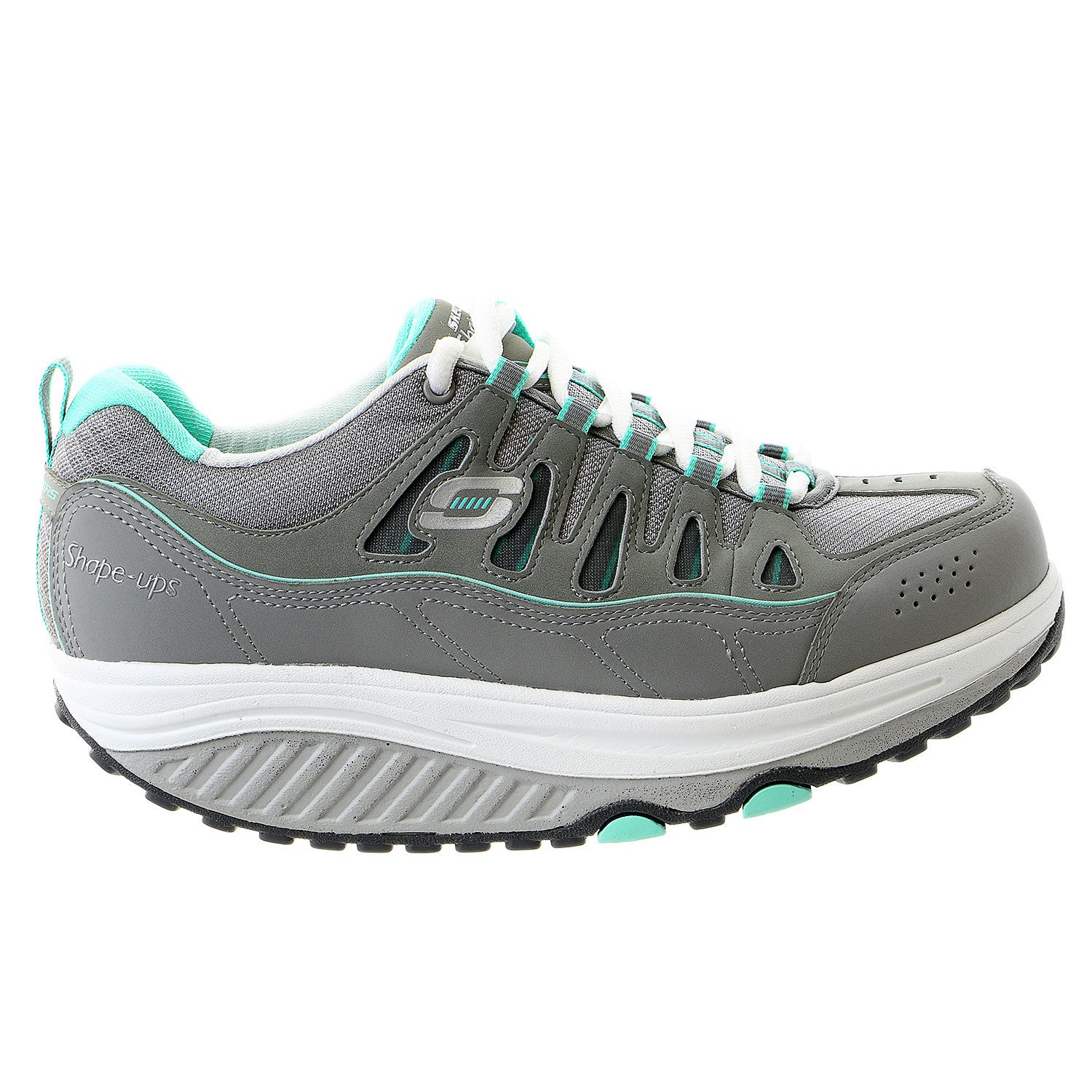
The market is flooded with options, but a few models consistently rise to the top for their blend of comfort, durability, and walker-friendly features. It’s important to analyze these not as tennis purists, but through the lens of all-day wear. First, the Nike Court Legacy Next Nature. This model takes a sustainable approach but doesn’t compromise on comfort. Its foam midsole is tuned for all-day wear, and the classic, reinforced toe cap provides durability for the inevitable scuffs of city walking. Its versatile style makes it a seamless transition from a long walk to casual social settings. Secondly, the Adidas Gamecourt 2.0. Built with a Cloudfoam midsole, it prioritizes step-in comfort—a feeling often highlighted in user reviews on platforms like Zappos and Amazon. The textile upper is lightweight and breathable, a crucial factor often cited in Quora discussions about preventing blisters during summer walks. Finally, consider the Skechers Arch Fit collection. While Skechers has roots in comfort casual wear, their Arch Fit technology, developed with data from over 1,200 foot scans, offers podiatrist-certified arch support. Some of their sportier designs share DNA with athletic tennis shoes, making them a hybrid powerhouse. These models exemplify how the core principles of a good tennis shoes for walking—cushioning, support, and durable traction—are executed by leading brands.
Making the Smart Investment: Value Beyond the Price Tag
Purchasing the right shoe is an investment in your physical health and daily productivity. While premium models from Nike, ASICS, or New Balance may carry a retail price between $120 and $160, the cost-per-wear over their 300-500 mile lifespan is minimal compared to the potential cost of foot problems. However, smart shopping can yield significant savings. First, consider previous season’s models. When a brand releases a new version of a shoe (like the ASICS GEL-Resolution 9 vs. the older 8), the outgoing model’s price often drops by 30-50% while still offering 90% of the performance. Websites like Eastbay or the “Sale” sections of brand outlets are treasure troves. Secondly, subscribe to newsletters from major sporting goods retailers. They frequently send exclusive discount codes and alerts for site-wide sales, especially during holiday weekends or back-to-school seasons. Third, don’t overlook the value of outlet stores, both physical and online, where you can find high-quality overstock. The key is to know your exact size and the model you want. As financial expert and author Ramit Sethi often advises on his platform, “Spend extravagantly on the things you love, and cut costs mercilessly on the things you don’t.” For anyone who spends hours on their feet, a high-quality pair of tennis shoes for walking falls squarely into the category of a worthwhile extravagance, and finding it at a discount is a savvy financial move.

Your Personal Fitting: Beyond the Size Number
The most technologically advanced shoe will fail if it doesn’t fit your unique foot. The fitting process is a ritual that should not be rushed. Start by measuring your feet at the end of the day, when they are at their largest due to natural swelling. Remember that size is just a number; focus on feel. There should be about a thumbnail’s width (roughly half an inch) of space between your longest toe and the end of the shoe. Width is equally critical. Many brands offer standard (D), wide (2E), and extra-wide (4E) options. A shoe that is too narrow will cause blisters and numbness, while one that is too wide will lack the necessary lockdown, causing your foot to slide and creating friction. When you try on the shoe, wear the same type of socks you intend to walk in. Walk on a hard surface, not just carpet. Pay attention to any immediate pressure points, particularly around the ball of the foot, the little toe, and the Achilles tendon. As the famous cobbler and author of The Soul of a Shoe, John Lobb, once philosophized, “A shoe must be a servant to the foot, its form following function with silent obedience. The moment you are aware of its presence, it has failed in its duty.” This principle is paramount. Your ideal tennis shoes for walking should feel secure and supportive yet disappear from your consciousness as you move, allowing you to focus on the world around you, not the ground beneath you.
The journey to finding the perfect shoe for all-day walking doesn’t end in the footwear aisle of a sports store; it begins with an understanding of the marriage between human biomechanics and modern material science. Tennis shoes, with their heritage of lateral support, durable construction, and adaptive cushioning, present a compelling, often superior, alternative to traditional walking shoes for the active urbanite or dedicated fitness walker. By prioritizing scientific shock absorption, anatomical arch support, and a precise fit, you transform an everyday necessity into a tool for enhanced endurance and well-being. Choose wisely, and let each step be a testament to comfort engineered into every layer.
