

Step Into Style: The Ultimate Walking Shoe Guide for Effortless Comfort and Chic
Forget the notion that comfort and style are mutually exclusive realms. The modern pursuit of wellness, urban exploration, and simply navigating daily life demands footwear that doesn’t force a compromise. The right walking shoe is not merely an accessory; it is a foundational tool for living well. It’s the difference between ending your day with energized curiosity or aching resignation. This guide is dedicated to dismantling the old stereotypes and providing you with the knowledge to select a shoe that offers scientific support, timeless design, and transformative comfort. We’ll move beyond marketing buzzwords into the biomechanics of movement, the architecture of design, and the practical alchemy that makes a great walking shoe your most reliable companion.
The Anatomy of Comfort: More Than Just a Soft Sole
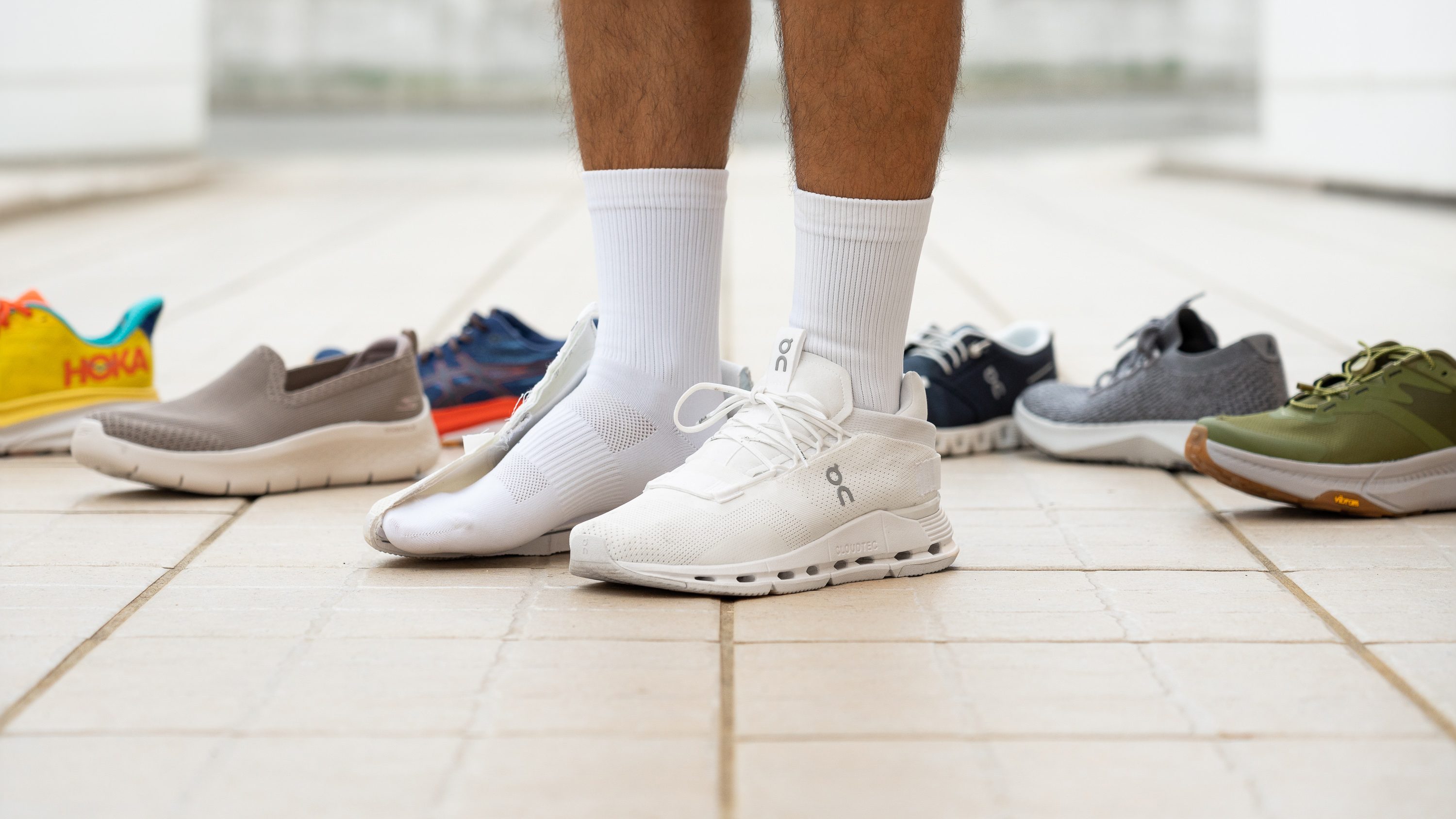
Let’s begin by dissecting what “comfort” truly means in an engineering context. A plush, pillow-like feel underfoot is often the initial attraction, but long-term comfort is a complex equation involving support, stability, and gait cycle alignment. The human foot is a marvel of biomechanics, with 26 bones, 33 joints, and over 100 muscles, tendons, and ligaments. A proper walking shoe acts as an external exoskeleton for this intricate system. Key components include the midsole, often made from EVA (Ethylene-Vinyl Acetate) or polyurethane foams, which provides cushioning and shock absorption. The Harvard Medical School publications on foot health emphasize that shock absorption is critical not just for foot comfort but for reducing impact forces that travel up to the knees, hips, and lower back. Then there’s the heel counter—the firm cup at the back of the shoe—which stabilizes the heel to prevent excessive inward rolling (overpronation) or outward rolling (supination). As Dr. James Ioli, Chief of Podiatry at Brigham and Women’s Hospital, has stated, “Shoe stability is paramount for preventing overuse injuries during repetitive activities like walking.” The insole or sock liner is your shoe’s interior interface, with moisture-wicking properties and sometimes contoured arch support. Understanding this anatomy empowers you to look past color and brand, and ask the critical questions about construction that will determine how your body feels after 10,000 steps.
Material Matters: From Mesh to Leather
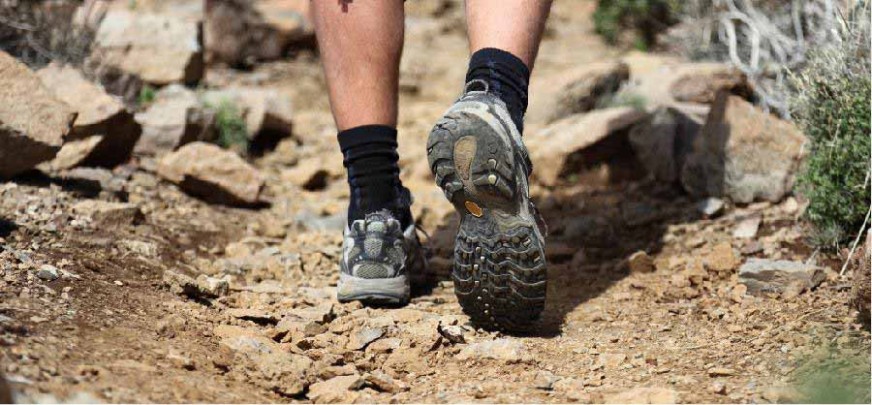
The materials enveloping your foot are the unsung heroes of all-day comfort and style. Breathability is non-negotiable. Modern engineered knits and open mesh uppers, like those pioneered by brands such as Nike with Flyknit, provide a dynamic, sock-like fit that ventilates and moves with your foot. This technology prevents the hot, sweaty environment that can lead to blisters and discomfort. On the other end of the spectrum, full-grain leather and suede offer structure, durability, and a classic aesthetic that transitions seamlessly from a morning walk to a casual meeting. The choice here is a dialogue between activity and lifestyle. Are you logging miles on pavement or strolling through weekend markets? The authoritative resource Runner’s World consistently highlights in its shoe reviews that the best material is fit-for-purpose: lightweight synthetics for performance, premium leathers for durable style. Furthermore, consider the environmental footprint. Brands are increasingly using recycled polyester, organic cotton, and even plant-based materials, aligning your comfort with ecological consciousness. The outer material is your shoe’s first impression and its primary defense; choosing wisely ensures it ages gracefully, molding to your foot while maintaining its chic silhouette.
The Style Equation: Where Form Meets Function
Gone are the days when “sensible shoes” were a euphemism for clunky and unattractive. Today’s design philosophy is rooted in minimalist aesthetics, architectural lines, and versatile color palettes. Think of the enduring appeal of brands like Cole Haan, which famously fused Grand.ØS sneaker technology with dress shoe silhouettes, or the sleek, monochromatic designs of Allbirds, which became a Silicon Valley staple precisely because they didn’t look like technical gear. The style of a contemporary walking shoe is its silent language. A neutral-toned sneaker with clean lines, as seen in the pervasive “dad shoe” trend that high-fashion houses like Balenciaga embraced, speaks to a pragmatic yet fashion-forward sensibility. This isn’t about fleeting trends; it’s about selecting a design with inherent integrity. As renowned designer Dieter Rams’ principle of “less, but better” suggests, good design is as little design as possible. A shoe that avoids excessive panels, garish logos, and chaotic color blocking is inherently more versatile and timeless. It pairs effortlessly with tailored trousers, denim, or summer dresses, proving that your footwear can be the cohesive element in your wardrobe, not the compromise. The chicest walking shoe is one you forget to think about because it simply works, elevating your outfit while disappearing in its comfort.
The Gait Analysis: Your Personal Blueprint
Perhaps the most scientific step you can take is understanding your own gait. Your walking pattern is as unique as your fingerprint, influenced by foot structure, leg alignment, and even hip mobility. Many specialty running and walking stores offer free gait analysis, often using pressure pads or slow-motion video. This analysis identifies your pronation type. A neutral gait receives the most options, while overpronators benefit from shoes with structured support or “motion control” features. This isn’t just sales jargon; it’s applied podiatric science. Literature from the University of Virginia’s Running Medicine Clinic underscores that matching shoe technology to gait mechanics can reduce injury risk by up to 25%. If a professional analysis isn’t accessible, a simple “wet test” can offer clues: wet your foot and step onto a paper bag. A full imprint suggests a low arch (often associated with overpronation), a curved imprint suggests a high arch (often associated with supination), and a moderate curve suggests a neutral arch. This self-knowledge is your filter. It transforms the overwhelming wall of shoes into a curated selection of tools designed for your body’s mechanics, ensuring the promised comfort is not generic but personalized.
Investment and Value: Decoding Price and Performance
Confronting the price tag of premium walking shoes requires a shift in perspective: from viewing them as a disposable commodity to valuing them as a long-term investment in your physical well-being. The price differential often reflects advanced material technology, rigorous research and development, and ethical manufacturing processes. A shoe priced at $150 may incorporate a proprietary, energy-returning foam like Adidas’s Boost or Brooks’s DNA LOFT, which retains its cushioning properties far longer than standard EVA. It may feature a more sophisticated, seamless interior that eliminates stitch-induced hot spots. However, value is not synonymous with the highest price. The key is identifying the “sweet spot” where performance features meet your specific needs. Websites like Wirecutter and Consumer Reports provide objective, lab-tested comparisons, often highlighting “best for the money” options that perform nearly as well as top-tier models at a fraction of the cost. Furthermore, consider the cost-per-wear. A $120 shoe worn 300 days a year for two years breaks down to 20 cents per day. Can you place a value on pain-free mobility? As the famous quote often attributed to Vogue editor-in-chief Anna Wintour goes,
“You can never take too much care over the choice of your shoes. Too many women think that they are unimportant, but the real proof of an elegant woman is what is on her feet.”
While focused on elegance, the underlying principle—meticulous choice in footwear—applies equally to the pursuit of health and comfort. Look for previous-season models, which often see significant discounts as new colorways are released, offering identical technology at a lower price. Signing up for brand newsletters or following reputable footwear retailers on social media can alert you to flash sales, bringing professional-grade technology within reach.
Your Journey Begins with a Single Step
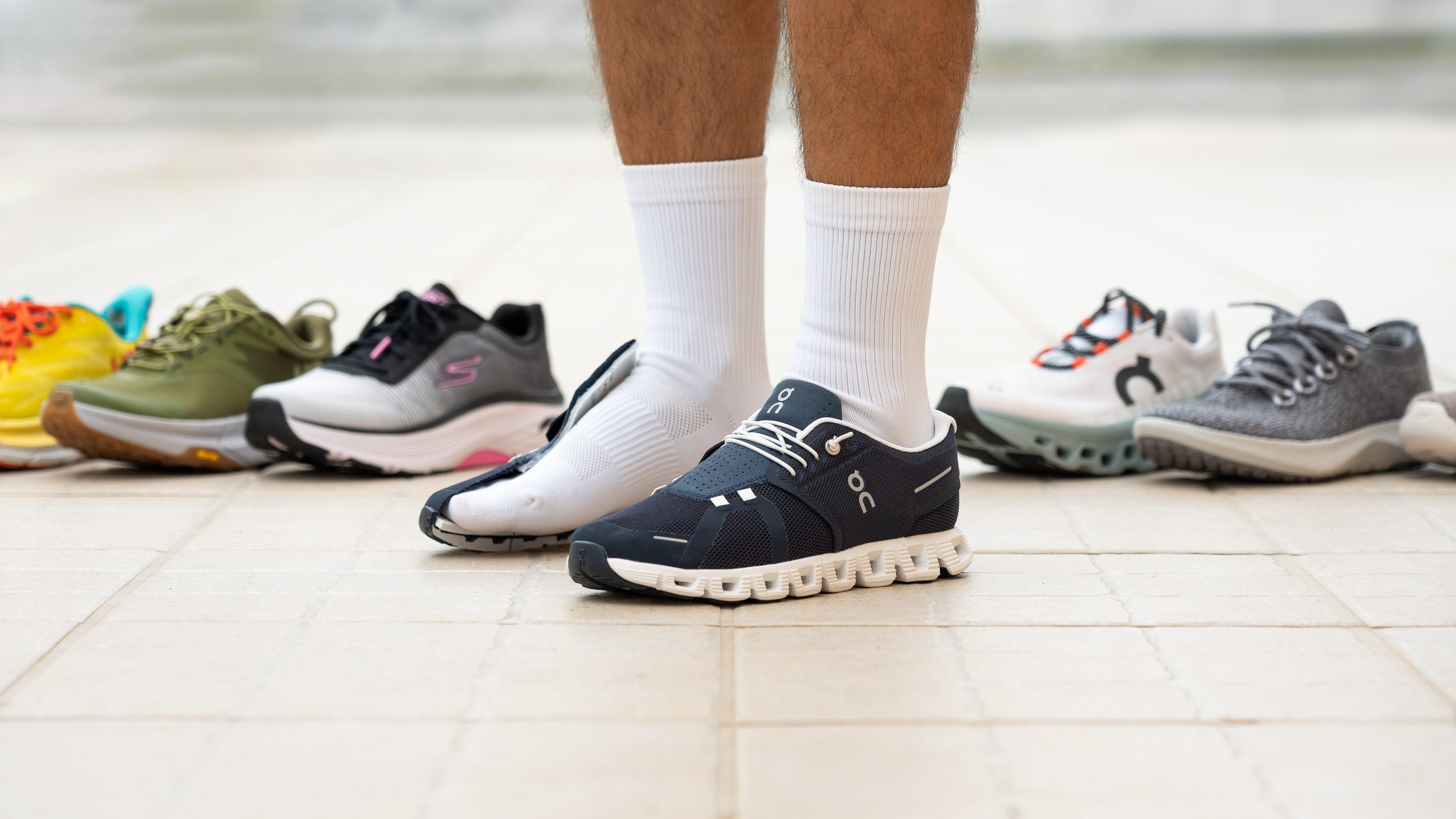
The quest for the perfect walking shoe is a personal one, a blend of objective data and subjective feel. It requires listening to the quiet feedback of your body as much as reviewing technical specifications. Arm yourself with the knowledge of your gait, an appreciation for intelligent material science, and an eye for minimalist design. Then, go and try them on. Walk on a hard store floor, not just carpet. Feel how the shoe bends with your foot, secures your heel, and allows your toes to splay naturally. The right pair won’t need a “break-in” period; it will feel like an extension of you from the very first step. In choosing wisely, you’re not just buying a product. You’re investing in the freedom to move through your world with unwavering comfort and understated confidence, proving that every step can be both supported and stylish.
