

Your Ultimate Guide to Effortless Style and All-Day Comfort
Imagine a day where your feet are not an afterthought, but a foundation of energy. The right pair of shoes can transform your daily experience, merging the often-separate worlds of style and physical ease. This isn’t about fleeting fashion trends that sacrifice well-being; it’s about a conscious choice that supports your body through every step. The journey to finding that perfect pair begins with understanding that true style is inseparable from comfort, and that the science of footwear is as critical as its aesthetics. We’re moving beyond mere appearance to explore how engineering, material innovation, and biomechanics converge in the modern walking shoe. Let’s dismantle the myth that you must choose between looking good and feeling good.
The Anatomy of Comfort: More Than Just a Soft Sole
When we speak of comfort in footwear, it’s a multidimensional concept rooted in human physiology and product engineering. A truly comfortable walking shoe is a system designed to interact harmoniously with the complex mechanics of the human foot. From a scientific standpoint, comfort involves shock attenuation, motion control, stability, and breathability. The midsole, often made from EVA (ethylene-vinyl acetate) foam or polyurethane, is the primary shock absorber. Its density and compression resistance determine how much impact from the ground is dissipated before it travels up your kinetic chain. The insole or footbed addresses the micro-environment of your foot, managing moisture and providing arch support that aligns with the plantar fascia’s natural structure. A study from the University of Virginia’s Department of Orthopaedic Surgery emphasizes that proper arch support is crucial in preventing overuse injuries like plantar fasciitis, a common ailment for those in unsuitable footwear. The upper’s material, whether engineered mesh, leather, or knit, must offer a secure, non-restrictive fit while allowing heat and perspiration to escape. As renowned podiatrist Dr. William Rossi once stated, “The foot is a masterpiece of engineering and a work of art.” Treating it as such requires shoes that respect its design, not fight against it.
:max_bytes(150000):strip_icc()/vwt-asics-womens-gel-pulse-16-jinfeng-chen-21-712f0f140e834b84b3a8dcf0bf154771.jpeg)
Decoding the Gait Cycle: Why Your Stride Demands Specific Support
Every step you take is a sophisticated sequence of events known as the gait cycle. It comprises the stance phase (when your foot is on the ground) and the swing phase (when it is in the air). Within the stance phase, critical moments like heel strike, mid-stance, and toe-off place different stresses on your foot and shoe. A neutral gait efficiently distributes these forces, but many individuals exhibit overpronation (the foot rolls inward excessively) or supination (the foot rolls outward). This is where the design of a walking shoe becomes personalized. Motion control or stability shoes feature a denser medial post—a firmer material on the inner side of the midsole—to gently correct overpronation and guide the foot into a more neutral position. For supinators or neutral walkers, a cushioned shoe with greater flexibility and uniform midsole density is ideal to absorb impact without restricting natural motion. Resources like the American Academy of Podiatric Sports Medicine provide extensive gait analysis literature, highlighting that wearing shoes mismatched to your gait pattern is a primary contributor to discomfort and injury. It’s not about a “one-size-fits-all” solution; it’s about a “one-gait-fits-one-shoe” philosophy. Understanding your own movement pattern, potentially through a professional analysis or even the wear pattern on your old shoes, is the first step toward selecting footwear that works with your body, not against it.
The Seamless Intersection of Form and Function
Gone are the days when “comfort shoes” were clunky eyesores. Today’s leading footwear brands have embraced the challenge of integrating sleek, contemporary design with cutting-edge comfort technology. The aesthetic appeal of a shoe is undeniably important—it is an expression of personal style and can significantly boost confidence. However, this style must be built upon a foundation of function. Consider the evolution of materials: modern knitted uppers, inspired by athletic performance wear, provide a sock-like fit that moves dynamically with the foot while offering a minimalist, modern look. Brands like Allbirds popularized the use of natural merino wool for temperature regulation, while others use recycled plastics to create durable, stylish yarns. The silhouette of a shoe has also evolved; rocker soles, which feature a curved geometry, are a prime example. Originally developed in therapeutic footwear, this design now appears in stylish everyday models. It promotes a smooth heel-to-toe transition, reducing strain on the calf and Achilles tendon, as noted in biomechanics research from institutions like the Spaulding National Running Center. The key takeaway is that you do not need to sacrifice visual appeal for physical comfort. The market now offers a plethora of options where the technology is seamlessly embedded within a stylish exterior, proving that a walking shoe can be the centerpiece of a chic, put-together outfit while being your foot’s greatest ally.
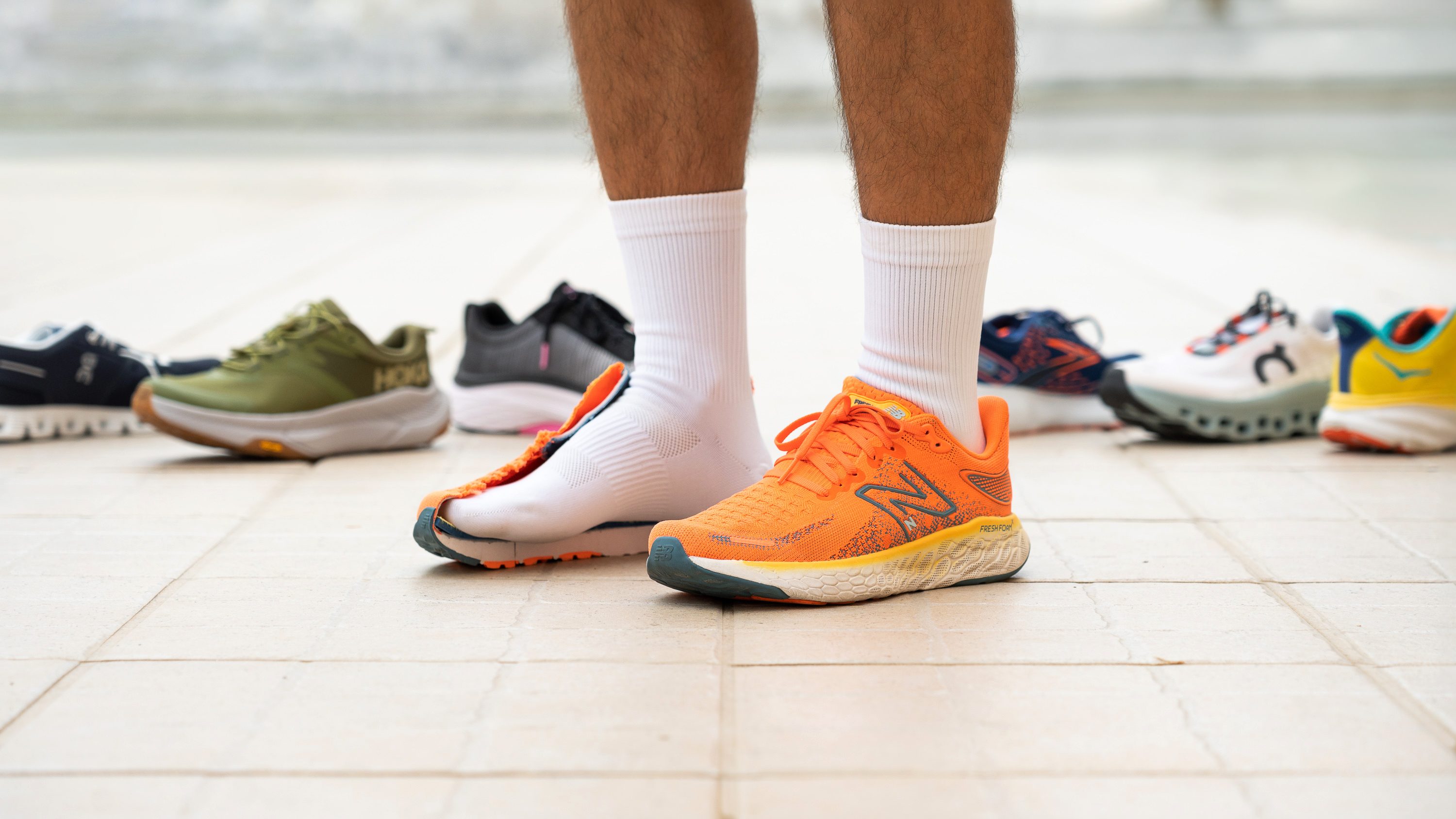
Investment Versus Expense: The Long-Term Value of Quality Footwear
Viewing a high-quality pair of shoes as an investment in your health and daily productivity reframes the purchasing decision. An inexpensive shoe may have a lower upfront cost, but its true “cost” can be measured in diminished comfort, faster wear-and-tear, and potential medical bills from foot, knee, or back issues. A well-constructed walking shoe, designed with durable outsoles (like carbon rubber), resilient midsoles that resist premature compaction, and quality upper materials, will maintain its supportive properties over hundreds of miles. The general rule, cited by sources from Runner’s World to podiatry clinics, is to replace walking shoes every 300-500 miles. A cheaper shoe may break down well before that mileage, leaving you walking on compromised support. Furthermore, investing in the right shoe can enhance your willingness to walk more, integrating beneficial physical activity into your daily routine effortlessly. The health benefits of regular walking—improved cardiovascular health, weight management, and mental well-being—are well-documented by organizations like the American Heart Association. Therefore, the right shoe is not just a clothing accessory; it’s a tool for a healthier lifestyle. While the initial price tag might be higher, the cost-per-wear and the value of preserved health make it a financially and physically savvy choice in the long run.

A Curated Selection: Bringing Expertise and Value to You
Navigating the vast sea of footwear options can be overwhelming. Our mission is to distill professional knowledge and scout genuine value, guiding you to choices that marry expertise with affordability. We analyze reviews from trusted sources like Wirecutter and Verywell Fit, cross-reference user experiences from platforms like Quora and Reddit, and consider the endorsements from certified experts on YouTube channels dedicated to biomechanics. For instance, a shoe lauded by physical therapists for its stability features, such as the Brooks Adrenaline GTS, carries a different weight than a generic fashion sneaker. We also track pricing trends to identify when premium models from previous seasons become available at significant discounts—often the core technology remains excellent, with only cosmetic updates in the newest line. This approach brings you professional-grade recommendations without the premium price tag. Whether you need a shoe for long city walks, all-day standing at work, or light trail adventures, our curated insights aim to connect you with the perfect tool for your life. Remember, the best walking shoe for you is the one that fits your foot, supports your gait, suits your style, and aligns with your budget—a combination that is entirely achievable with informed guidance.
The Final Step: Listening to Your Body’s Feedback
Even with the most thorough research, the ultimate test happens on your feet. Pay close attention to the feedback your body provides during and after wear. There should be no “break-in” period that involves blisters or significant pain; modern performance footwear should feel comfortable almost immediately. Discomfort in the arch, pinching at the toes, or slipping at the heel are clear indicators of a poor fit. Remember the “thumb’s width” rule for space at the toe box, and always try shoes on with the socks you intend to wear. Your body is the most authoritative source. As the famous quote often attributed to Leonardo da Vinci goes, “The human foot is a mechanism of supreme ingenuity and a perpetual inspiration to artists.” Honor that ingenuity by choosing footwear that celebrates it. When you find that pair—where you forget you’re even wearing shoes because they feel like a natural extension of yourself—you’ve achieved the pinnacle of effortless style and all-day comfort. That feeling is the true goal, transforming every sidewalk into a runway and every errand into a pleasure.
:max_bytes(150000):strip_icc()/when-should-i-replace-my-walking-shoes-3436325-0801-7a1840d83573471092e0380f9e230ecc.jpg)
Style that weighs you down is merely costume. True elegance is found in freedom—the freedom to move, to explore, and to engage with your world without a second thought to your foundation. By prioritizing the symbiotic relationship between sophisticated design and biomechanical science, you unlock a daily experience defined by poised confidence and profound physical ease. Let your footwear be the unspoken statement that you value both how you look and how you feel, proving that in the rhythm of everyday life, the most stylish step is always a comfortable one.
