

Your Ultimate Guide to Comfort and Style in Every Step
We often hear that the journey is more important than the destination. If that’s true, then what we wear on our feet fundamentally shapes that journey. For too long, the concept of a walking shoe has been relegated to the realm of purely functional, often aesthetically neglected gear. This guide seeks to dismantle that notion entirely. The perfect pair of walking shoes is not a compromise; it is a synthesis. It is where biomechanical engineering meets personal expression, where all-day comfort seamlessly blends with your individual style. Whether you’re navigating city streets, park trails, or the endless corridors of a busy life, your shoes are the foundation. Let’s explore how to build that foundation without sacrificing an ounce of what makes you, you.
The Anatomy of Comfort: More Than Just a Soft Insole
When we speak of comfort in a walking shoe, we are referring to a complex orchestration of components working in harmony with the human body. It begins with understanding gait biomechanics—the study of human locomotion. As noted in research from institutions like the University of Calgary’s Human Performance Laboratory, the walking gait cycle involves distinct phases: heel strike, mid-stance, and toe-off. A shoe that truly comforts supports each phase. The heel counter must be firm and cupped to stabilize the rearfoot, preventing excessive pronation or supination that can lead to chain reactions of discomfort in the knees, hips, and back. The midsole, often made from advanced materials like EVA (ethylene-vinyl acetate) foam, polyurethane, or proprietary blends like Brooks’ DNA LOFT or ASICS’ GEL, is not merely about softness. It’s about responsive cushioning that attenuates shock upon impact and then returns energy to propel you forward. The arch support should align with your foot’s natural plantar contour, a feature underscored by podiatrists as critical in preventing conditions like plantar fasciitis. Finally, the toe box must allow for natural splay and movement, a principle championed by minimalist footwear advocates but essential in any well-designed walking shoe. True comfort is proactive, not reactive; it anticipates the stresses of movement and diffuses them scientifically.
Material Matters: Breathability, Durability, and Sustainability
Moving beyond the internal architecture, the materials enveloping your foot play an equally vital role. Breathability is paramount. A study published in the Journal of Foot and Ankle Research highlights how microclimates inside shoes can lead to moisture buildup, increasing the risk of blisters and fungal infections. Modern uppers utilize engineered meshes, like Adidas’ Primeknit or Nike’s Flyknit, which provide targeted ventilation and a adaptive, sock-like fit. Durability, however, must balance this breathability. High-wear areas like the outsole toe and medial side require robust rubber compounds, often configured in multi-directional lugs or flex grooves for traction and natural foot flexion. Today’s conversation also rightly includes sustainability. Brands are increasingly turning to recycled polyester, organic cotton, and even algae-based foams. As environmental scientist Dr. Ayana Elizabeth Johnson has often communicated, our consumer choices are votes for the world we want. Choosing a walking shoe from a company committed to circular design principles is a step toward personal and planetary health. The material story is one of synergy—where technology protects your foot from the elements and its own exertions, while also considering its broader environmental footprint.
Style as Self-Expression: You Don’t Have to Choose
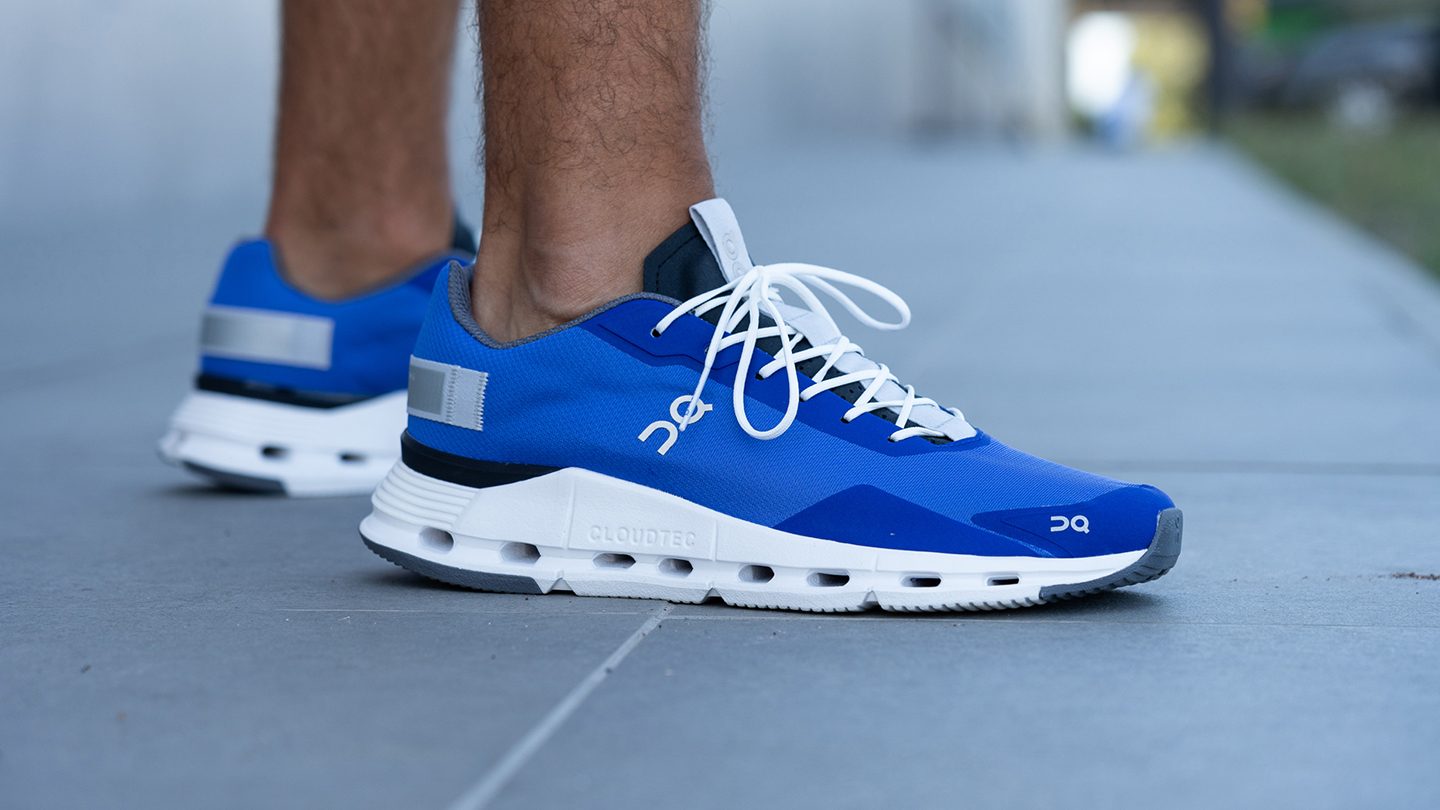
The historical dichotomy between “comfort shoes” and “fashion shoes” is an outdated construct. Consider the words of iconic designer Toms’ founder, Blake Mycoskie: “Comfort and style are not mutually exclusive.” The modern footwear market is a testament to this. The rise of “athleisure” is not merely a trend; it’s a cultural shift acknowledging that our lives are integrated. A walking shoe can possess the sleek, minimalist silhouette of a classic sneaker, the bold color-blocking of a performance runner, or the sophisticated, neutral tones of a contemporary lifestyle shoe. Brands like Cole Haan have built hybrid lines merging Grand.Ø series technology with dress shoe aesthetics. The key is understanding your personal style lexicon. Are you drawn to clean, monochromatic looks? A shoe in all-white or grey premium mesh might be your canvas. Do you prefer to make a statement? Vibrant accents and reflective details can turn a functional item into a focal point. Style in this context is about authenticity. It’s selecting a shoe that resonates with your visual identity, ensuring that from the first step to the ten-thousandth, you feel confident and represented by what’s on your feet.

The Psychology of Color and Design in Footwear
Delving deeper into style, we encounter the psychology of design. Color theory isn’t just for artists; it applies to our wardrobe, including shoes. As documented in resources from the Pantone Color Institute, colors evoke specific psychological responses. Neutrals (black, white, grey, beige) convey versatility, professionalism, and timelessness. Earth tones (olive, terracotta, navy) suggest stability, reliability, and a connection to nature. Bold hues (reds, bright blues, yellows) can project energy, confidence, and creativity. The design lines of a shoe also communicate. A streamlined, low-profile design suggests modernity and efficiency, while chunkier, retro-inspired soles (think of the “dad shoe” trend) can signal a playful, grounded aesthetic. When you choose a walking shoe, you’re unconsciously engaging in non-verbal communication. Selecting a pair that aligns with how you wish to feel and be perceived—be it empowered, serene, or innovative—adds an intangible yet powerful layer of satisfaction to the practical act of walking. This is where the walking shoe transcends its primary function and becomes an accessory to your personal narrative.
The Critical Fit: A Personal Biomechanical Partnership
All the technology and design in the world are meaningless if the shoe doesn’t fit your unique foot. This is the non-negotiable cornerstone. As the American Podiatric Medical Association consistently advises, a proper fit accounts for length, width, and volume. Your feet swell throughout the day, so always try on shoes in the afternoon or evening. There should be about a thumb’s width (roughly 3/8 to 1/2 inch) of space between your longest toe (which isn’t always the big toe) and the end of the shoe. The widest part of your foot should align with the widest part of the shoe without feeling constricted. Don’t assume your size; have your feet measured professionally at least once a year, as they can change with age, weight fluctuations, and pregnancy. Furthermore, consider your gait. Many specialty running stores offer free gait analysis. They might observe that you overpronate (your foot rolls inward excessively), which would benefit from a shoe with structured support or motion control. Or you might have a neutral gait, suited to a wide range of cushioned or stability shoes. This personalized approach transforms a generic walking shoe into a custom-tailored tool for your body.
:max_bytes(150000):strip_icc()/vwt-asics-womens-gel-pulse-16-jinfeng-chen-21-712f0f140e834b84b3a8dcf0bf154771.jpeg)
When to Retire Your Faithful Companions: The Mileage Marker
A crucial, often overlooked aspect of the fit and comfort equation is knowing when a shoe’s service life has ended. Cushioning materials compress and lose their resiliency long before the outsole wears through. The general consensus among sports medicine professionals, including those cited on platforms like Verywell Fit, is to replace walking shoes every 300 to 500 miles. For a daily walker covering 3-5 miles, that’s roughly every 3 to 6 months. Telltale signs include visible creasing or compression in the midsole, loss of bounce, uneven wear patterns on the outsole, or a feeling of fatigue or new aches in your feet and legs after your usual walk. Holding on to shoes past their prime is a false economy; it invites discomfort and potential injury. Think of it as regular maintenance for your body’s most fundamental transportation system. Rotating between two pairs can extend the life of each by allowing the foam to fully decompress between uses, making it a savvy long-term strategy for both your comfort and your wallet.
Investing in Your Stride: Value Beyond the Price Tag
In an era of fast fashion, it’s tempting to seek the lowest price point. However, with footwear, and particularly with a primary tool like a walking shoe, cost should be viewed through the lens of value and cost-per-wear. A well-constructed shoe from a reputable brand, often in the $100-$160 range, represents an investment in the health of your feet, joints, and posture. The engineering, quality materials, and durability justify the price. That said, savvy shopping is entirely possible. Look for end-of-season sales, when new models are released and previous versions—which often have only minor updates—are discounted significantly. Subscribe to newsletters from reputable online retailers and direct brand websites for flash sales and promo codes. Outlet stores can offer genuine past-season models. Remember, the most expensive shoe isn’t necessarily the best for you, and the cheapest option often carries hidden costs in discomfort and shortened lifespan. The goal is to find the optimal intersection of fit, function, style, and price—a shoe that feels like a valued partner in your daily life, not a disposable commodity.
The pursuit of the perfect walking shoe is a journey toward a more engaged and joyful experience of movement. It is an acknowledgment that our feet, which carry us through every moment of our lives, deserve thoughtful care and celebration. By demanding both scientific comfort and authentic style, we reject compromise. We choose instead to walk through the world supported, confident, and true to ourselves. Let your next step be the first on that path.
