

The Walking Shoe: Your Ultimate Guide to Comfort and Style
In a world where every step counts, the choice of footwear transcends mere fashion. It becomes a fundamental decision impacting our daily vitality, posture, and long-term joint health. The modern walking shoe stands at this intersection, engineered not just for movement but for optimized, pain-free mobility. This guide delves beyond surface-level aesthetics to explore the biomechanical science, material innovation, and design philosophy that define the ultimate walking companion. We will navigate through the essential features, debunk common myths, and provide actionable insights to help you select a shoe that supports your journey, whether it’s a city stroll or a dedicated fitness walk.
The Foundation: Understanding Foot Biomechanics and Shoe Support
To appreciate the engineering behind a great walking shoe, one must first understand the complex mechanics of the human gait. Walking is a repeated cycle of heel strike, foot flat, mid-stance, and toe-off. Each phase places distinct pressures on different parts of the foot and the kinetic chain, including ankles, knees, hips, and the lower back. According to research from the American Podiatric Medical Association, improper footwear can exacerbate or even cause issues like plantar fasciitis, shin splints, and knee osteoarthritis. The primary role of a dedicated walking shoe is to facilitate the natural rolling motion of the foot while providing stability and cushioning at key impact points. Unlike running shoes, which are designed for forward propulsion and higher-impact heel strikes, walking shoes prioritize flexibility at the forefoot to allow for a smooth toe-off and often feature a beveled or rounded heel to encourage a gentler heel-to-toe transition. This distinction is crucial; as noted by biomechanics experts on platforms like Quora and in literature from institutions like the University of Calgary’s Human Performance Laboratory, using a running shoe for extensive walking can lead to inefficiency and discomfort because the shoe’s design intentions are mismatched with the activity’s biomechanics.
Cushioning vs. Support: Decoding the Midsole
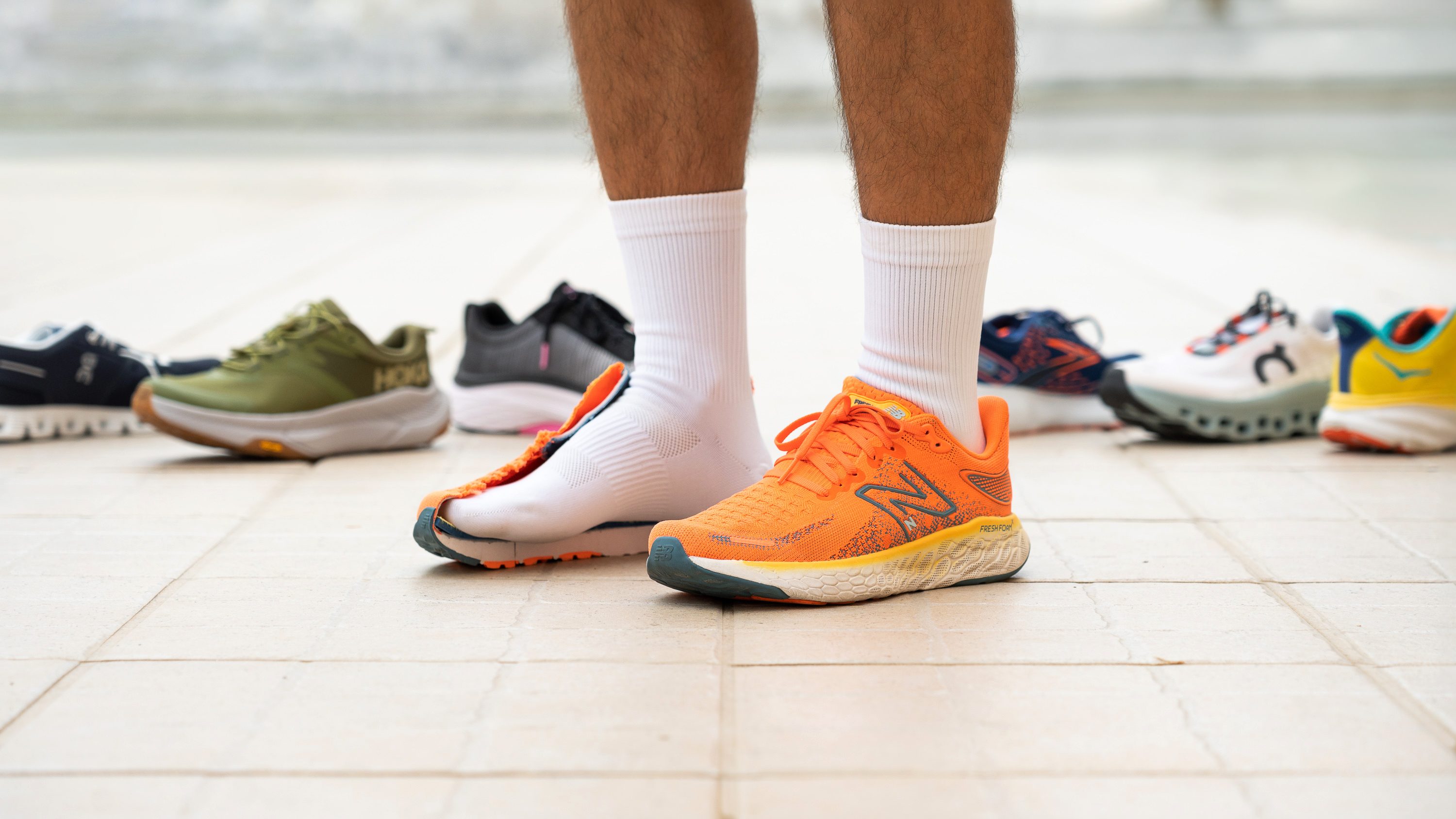
The heart of any walking shoe lies in its midsole, typically made from EVA (ethylene-vinyl acetate), polyurethane, or modern compounds like Nike’s React foam or Adidas’s Boost. The debate between cushioning and support is perennial. Maximum cushioning, often seen in “cloud-like” shoes, aims to dissipate impact forces. However, as Dr. Casey Kerrigan, a former Harvard Medical School professor and founder of a footwear science company, has pointed out in interviews and publications, excessive, unresponsive cushioning can actually destabilize the foot and increase metabolic cost, making walking harder. True comfort arises from a balanced midsole that offers responsive cushioning—it compresses to absorb shock but springs back to aid propulsion. Simultaneously, support is not about rigidity. It involves strategic denser foam or thermoplastic urethane (TPU) inserts in the medial (arch) side to prevent overpronation—the inward rolling of the foot that can strain the arch and ankle. A study cited by the American Council on Exercise emphasizes that for the approximately 60-70% of the population who are mild to moderate overpronators, shoes with moderate stability features can significantly improve alignment and reduce injury risk. Therefore, when you try on a shoe, pay attention not just to softness, but to how it guides your foot into a neutral, aligned position from heel strike to toe-off.
The Upper and the Fit: Where Style Meets Function
While the midsole handles mechanics, the upper part of the shoe is where durability, breathability, and fit converge. Modern uppers utilize engineered meshes, seamless knit constructions (like those from Flyknit or Primeknit), and synthetic overlays. The goal is a snug, sock-like fit that secures the foot without pressure points, particularly across the instep and around the malleoli (ankle bones). As noted by professional shoe fitters and resources from authoritative sources like the University of Washington’s Orthopaedics and Sports Medicine department, a proper fit requires about a thumb’s width (roughly 1/2 inch) of space between your longest toe and the shoe’s end. Furthermore, foot volume (height) is as important as length. Brands now often offer shoes in multiple widths, a critical feature often overlooked. The legendary shoe designer, the late Serge Didenko, whose insights are preserved in industry literature, famously stated that “a shoe must be a moving partner, not a container.” This philosophy underscores that the upper should move dynamically with your foot, expanding and contracting with each step. Breathable materials manage moisture, reducing the risk of blisters and fungal infections, making them indispensable for the daily walking shoe user.
Debunking Myths: The Truth About Walking Shoes
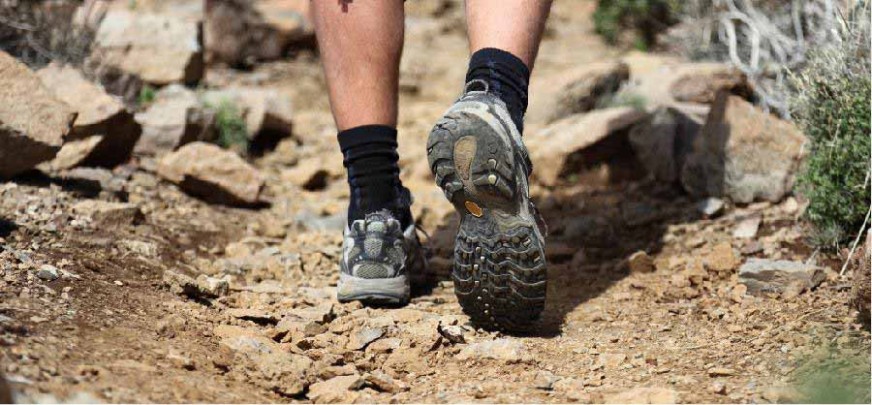
Several pervasive myths cloud the decision-making process for consumers. One common fallacy is that “breaking in” shoes is a necessary and good process. In reality, as advocated by the American Academy of Podiatric Sports Medicine, a properly fitted walking shoe should feel comfortable from the first wear. Discomfort indicates a poor fit or unsuitable design. Another myth is that walking shoes do not need to be replaced often. The cushioning materials in the midsole compress and lose their resiliency long before the outsole wears out visually. The general consensus among podiatrists and fitness experts, including those contributing to Verywell Fit and Runner’s World, is to replace walking shoes every 300-500 miles. For a person walking 5 miles a day, 5 days a week, this translates to new shoes every 3 to 4 months. Ignoring this can lead to a significant decrease in shock absorption, transferring stress to your joints. Lastly, the notion that expensive always equals better is misleading. While premium materials and advanced R&D command higher prices, many mid-range brands offer exceptional value and technology derived from their top-tier lines. The key is to identify the features you need based on your gait, foot shape, and walking environment.
:max_bytes(150000):strip_icc()/vwt-asics-womens-gel-pulse-16-jinfeng-chen-21-712f0f140e834b84b3a8dcf0bf154771.jpeg)
Making the Investment: Aligning Technology with Your Needs
Choosing the right walking shoe is a personal investment in your health. Start by analyzing your wear patterns on old shoes. Excessive wear on the inside heel indicates overpronation, suggesting a need for stability features. Wear on the outside suggests underpronation (supination), calling for neutral shoes with ample cushioning. Consider your primary walking surface: paved roads, trails, or treadmill. Road shoes prioritize cushioning, while trail walking shoes add lugged outsoles for grip and often a rock plate for protection. Don’t shop in the morning; feet swell throughout the day, so an afternoon fitting is ideal. Bring the socks you intend to wear. And critically, walk around the store—on a hard surface if possible—for several minutes. Trust the sensation in your feet over any brand name or trend. As the renowned ultramarathon runner and biomechanist, Dr. Mark Cucuzzella, emphasizes in his public talks and writings, “Your body will give you the best feedback. Listen to it.” The perfect shoe should feel like an extension of your foot, providing a sense of secure, effortless movement.
Professional Insight and Accessible Value
Navigating the market need not be daunting. Reputable specialty running and walking stores often offer gait analysis, either on a treadmill with video or through simple observation, providing professional guidance tailored to your movement. This service, often free with a purchase, is invaluable. Furthermore, to bring this professional knowledge to you at an accessible point, consider looking for previous-season models. Shoe technology evolves incrementally. Last year’s top-rated walking shoe often retains 90% of the performance of the new model but can be found at a 30-50% discount online or in outlet stores. Brands like Brooks, Asics, New Balance, and Saucony consistently produce reliable walking shoes across price points. Websites like RunRepeat aggregate professional reviews and user feedback, offering a data-driven starting point for your search. Remember, the goal is not to find the “best” shoe in the world, but the best shoe for you—one that marries uncompromising comfort with a style that makes you eager to take the next step.
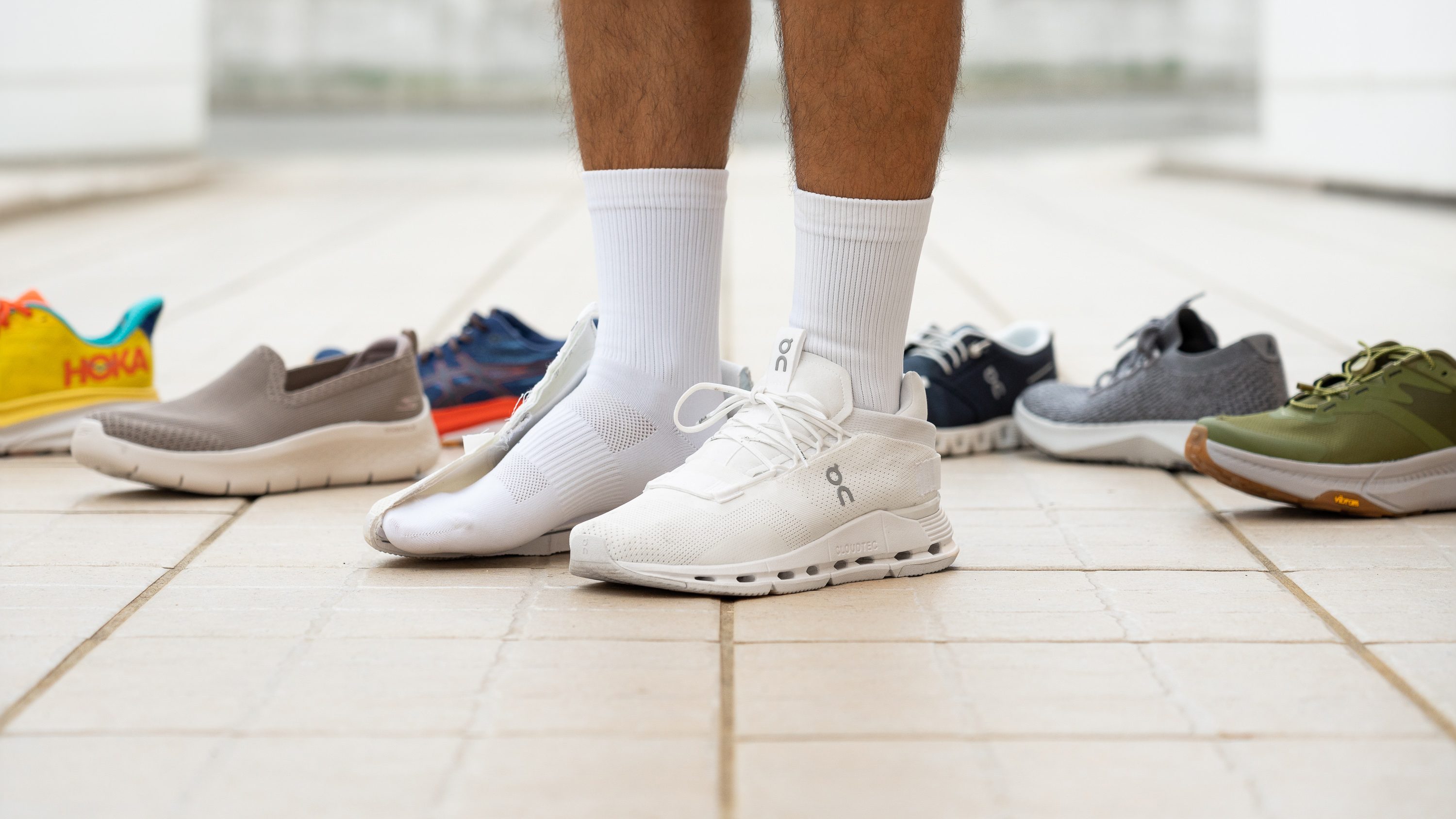
Your journey on foot is a narrative of personal exploration and daily resilience. The right footwear is the silent, supportive co-author of that story. It is the difference between a walk that drains and a walk that invigorates; between an ache that lingers and a stride that feels timeless. By prioritizing the symbiotic relationship between biomechanical science and intelligent design, you empower every step. Let your choice in a walking shoe be a deliberate one—an investment not in a product, but in the enduring comfort and freedom of your own movement.
