

The Walking Shoe: Your Secret to Effortless Style and All-Day Comfort
Forget the notion that comfort and style exist in separate realms of your closet. The modern walking shoe has evolved from a purely functional piece of athletic gear into a cornerstone of intelligent, versatile dressing. It is the unsung hero that bridges the gap between the demands of a dynamic lifestyle and the desire to look polished and put-together. This isn’t about surrendering to frumpiness; it’s about embracing a smarter approach to footwear that understands biomechanics, material science, and contemporary aesthetics. The right pair doesn’t just carry you through your day; it elevates it, providing a foundation of support that allows your personal style to shine without the distraction of aching feet. Let’s dismantle the old stereotypes and explore how this single category of footwear can become your most reliable and stylish ally.
The Anatomy of All-Day Comfort: More Than Just Soft Soles
True comfort in a walking shoe is a symphony of engineering, not a single note of cushioning. It begins with the midsole, often crafted from advanced materials like EVA (ethylene-vinyl acetate) foam or proprietary compounds like Nike’s React or Adidas’s Boost. According to biomechanics research from institutions like the University of Calgary’s Human Performance Lab, the primary role of the midsole is to manage impact forces—the shock that travels up your legs with each step. But it must also provide stability, preventing excessive inward rolling (overpronation) or outward rolling (supination). Then comes the insole or footbed, which can be contoured to match the arch of the foot, a concept supported by podiatric medicine to distribute pressure evenly. The upper’s construction is equally critical; materials must be breathable, like engineered mesh, to manage moisture and temperature, while also providing strategic structure and flexibility in the right zones. A study published in the Journal of Foot and Ankle Research emphasizes that improper toe box space can lead to a host of issues, from blisters to neuromas. Therefore, a well-designed walking shoe offers a holistic environment for the foot: it cushions, guides, breathes, and accommodates, transforming the simple act of walking from a potential stressor into a continuous experience of support.
Where Science Meets the Sidewalk: The Gait Cycle Explained
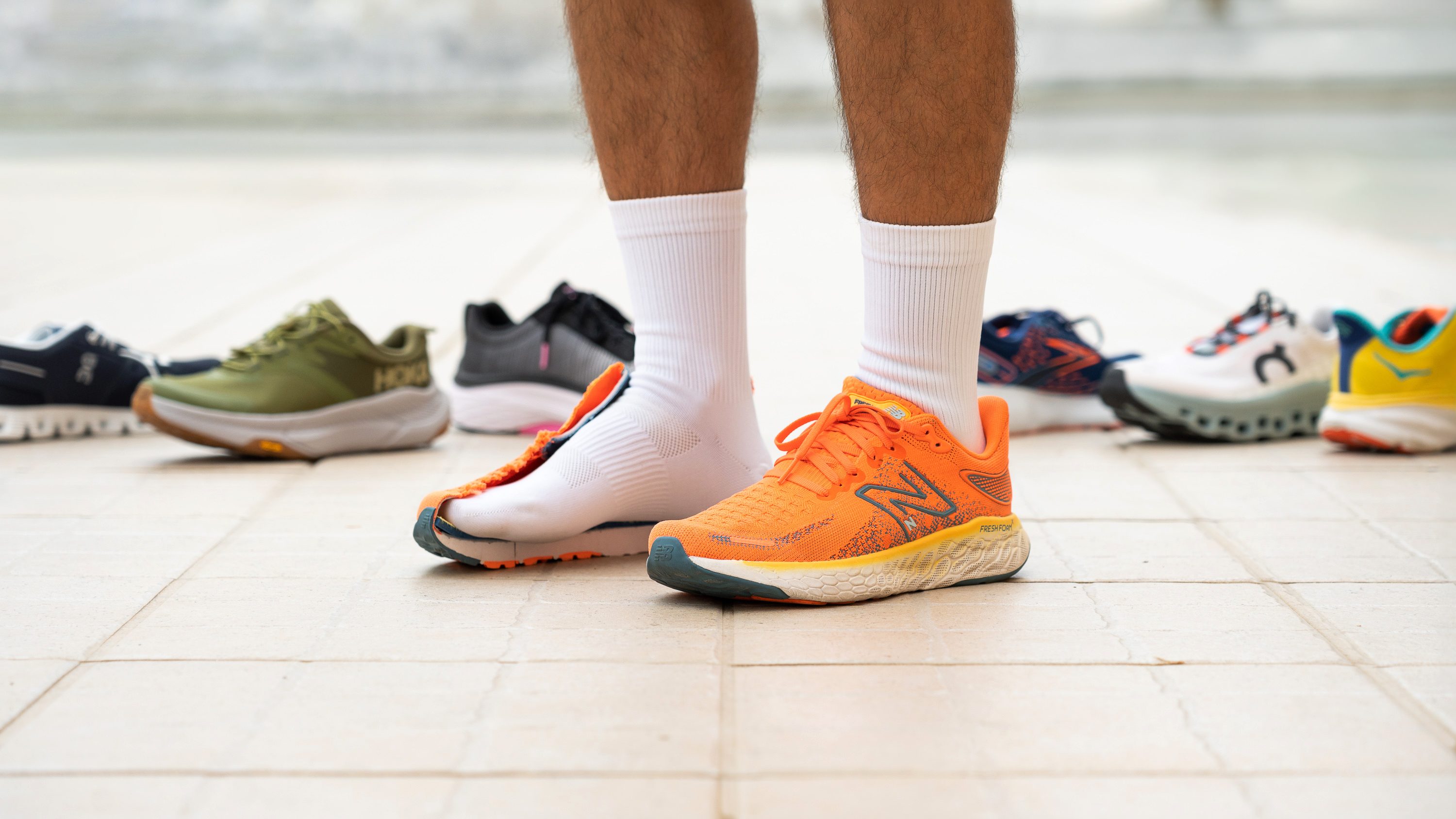
To appreciate a great walking shoe, one must understand the gait cycle—the repetitive pattern of movement from when one foot hits the ground until the same foot hits the ground again. This cycle, broken down into stance and swing phases, places unique demands on footwear. During the “heel strike,” the shoe needs effective shock absorption. As the foot rolls forward into “midstance,” the shoe must offer stability to bear full body weight. Finally, during “toe-off,” it requires flexibility at the forefoot to propel you forward efficiently. A shoe designed for running often prioritizes high-energy return and lightweight construction for a spring-like motion. In contrast, a dedicated walking shoe prioritizes a smoother heel-to-toe transition and constant-ground-contact stability. As noted by Harvard Medical School’s health publications, proper walking footwear can reduce stress on joints, potentially mitigating pain in the knees, hips, and lower back. This isn’t mere marketing; it’s applied kinesiology. When a shoe aligns with your natural gait, it reduces muscular fatigue and allows you to cover greater distances—whether across a city or a shopping mall—with significantly less effort and strain.
The Style Revolution: From Gym to Street to Office
The seismic shift in the perception of athletic-inspired footwear can be traced to broader cultural movements. The rise of “athleisure” in the 2010s, championed by brands and influencers alike, dissolved rigid dress codes. Suddenly, the sleek, minimalist designs of brands like Allbirds, the retro-tech aesthetic of New Balance, and the architectural silhouettes of Hoka became not just acceptable but fashionable. This mirrors a statement by designer Tom Ford, who once remarked, “Dressing well is a form of good manners.” Today, good manners toward oneself include prioritizing physical well-being, and the market has responded with walking shoes that possess a design-conscious ethos. We see clean lines, monochromatic colorways, tasteful use of suede and leather alongside technical fabrics, and silhouettes that complement both tailored trousers and casual jeans. The goal is no longer to hide the fact that you’re wearing comfortable shoes; it’s to make the comfortable shoe an intentional, celebrated part of your outfit. The modern walking shoe is a testament to the idea that you do not need to sacrifice aesthetics for comfort—they can be, and are, seamlessly integrated.
Curating Your Foundation: A Guide to Selection
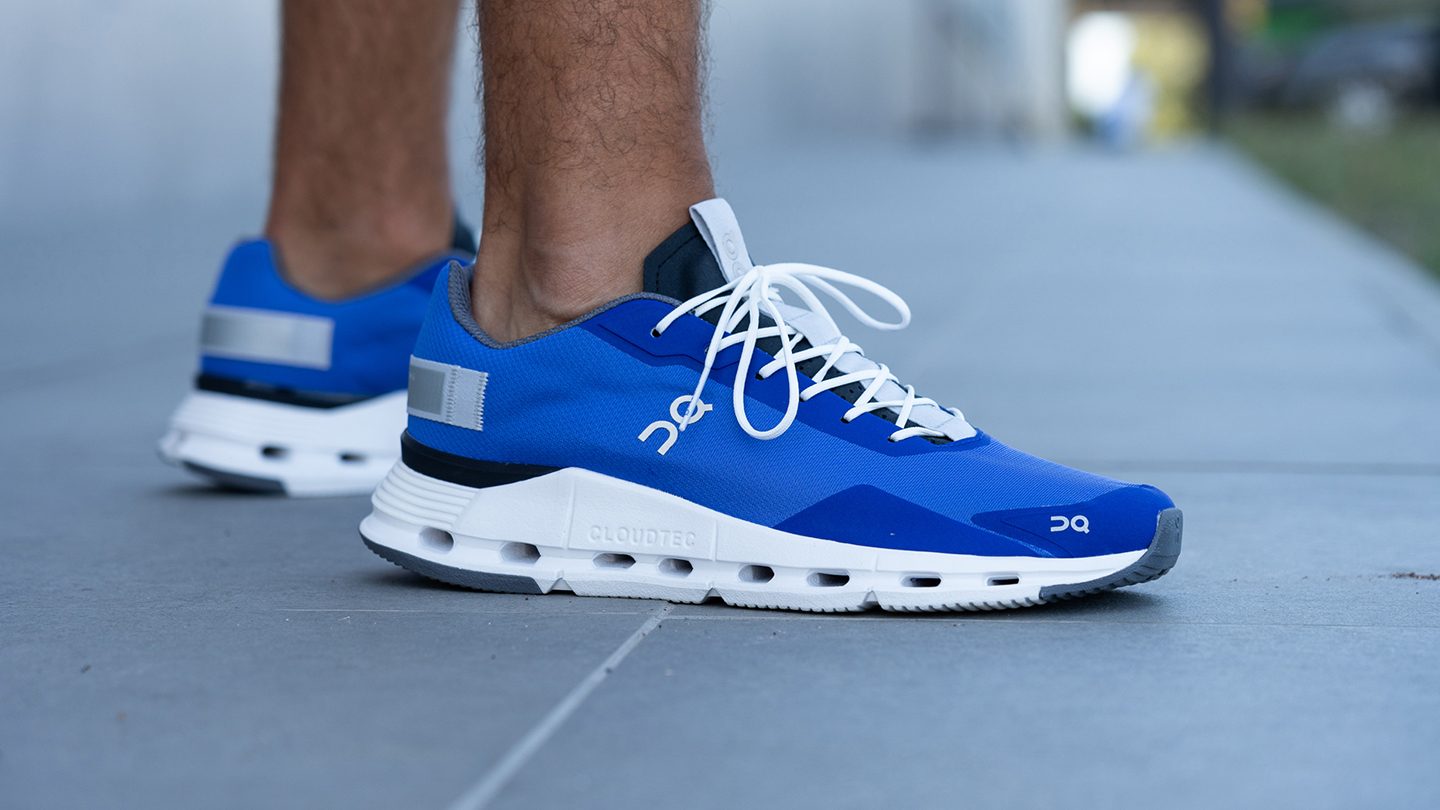
Choosing your ideal pair is a personal journey, but guided by a few universal principles. First, analyze your foot type and walking pattern. A simple “wet test” (looking at the shape of your footprint on a dry surface) can reveal if you have high, neutral, or low arches, which correlates to your need for support. Second, consider your primary use case. Are you logging miles on paved paths, navigating urban terrain, or seeking an all-in-one shoe for travel, work, and light activity? For long-distance walkers, maximum cushioning and a rocker sole (which promotes a rolling gait) might be paramount. For city dwellers, a balance of cushioning, durability, and sleek profile is key. Third, fit is non-negotiable. Always try shoes on in the afternoon when feet are naturally slightly swollen, wear the socks you intend to pair them with, and ensure about a thumbnail’s width of space between your longest toe and the end of the shoe. As the American Podiatric Medical Association advises, there should be no “break-in” period; comfort should be immediate. Remember, the most expensive or trendy model is worthless if it doesn’t match your unique biomechanics.

The Investment Perspective: Longevity and Value
Viewing a quality walking shoe as an investment in your health and daily productivity reframes its cost. Premium materials, advanced manufacturing techniques, and rigorous research and development justify a higher initial price point. However, the true value is realized over time. A well-constructed shoe from a reputable brand will maintain its structural integrity and cushioning properties far longer than a cheaply made alternative, providing consistent support and reducing the risk of injury. Furthermore, the market is more accessible than ever. Direct-to-consumer brands often offer exceptional quality at lower price points by cutting out middlemen, and seasonal sales from major retailers provide opportunities to acquire top-tier models at significant discounts. The key is to be an informed consumer. Read reviews from trusted sources, understand the technology you’re paying for, and wait for promotional cycles. Investing in your foundation is never a frivolous expense; it’s a commitment to moving through life with greater ease and resilience.
The journey toward effortless style and unwavering comfort begins from the ground up. The humble walking shoe has shed its utilitarian skin to emerge as a sophisticated tool for modern living. It embodies a philosophy where self-care and self-expression are not at odds but are intrinsically linked. By choosing footwear that honors the intricate science of movement and the nuanced language of personal style, you make a declarative statement: that you value your well-being and have the discernment to equip yourself intelligently for the world. Let your steps be confident, comfortable, and unmistakably your own.
:max_bytes(150000):strip_icc()/when-should-i-replace-my-walking-shoes-3436325-0801-7a1840d83573471092e0380f9e230ecc.jpg)
