

The Versatile Staple for Effortless Chic
In the ever-evolving lexicon of style, true sartorial power lies not in the fleeting trends that dominate seasonal runways, but in the foundational pieces that possess an almost alchemical ability to transform. These are the items that bridge the gap between intention and intuition, between a curated wardrobe and a lived-in, personal aesthetic. Among these heroes, one particular category of footwear has steadily ascended from a mere accessory to a non-negotiable cornerstone of modern dressing: the chocolate brown heel. This is not a piece about a passing fancy; it is an exploration of a design archetype that synthesizes color psychology, historical precedent, and practical versatility into a single, powerful statement. The chocolate brown heel is the silent orchestrator of effortless chic, a tool that grants its wearer a nuanced confidence, grounding everything from crisp tailoring to flowing silks with warm, earthy sophistication.
The Chromatic Psychology: Why Brown Transcends “Neutral”
To label brown merely as a neutral is to vastly undersell its emotional and visual potency. While black commands authority and white offers purity, brown operates in a more complex, resonant register. Color theory, as explored in resources from institutions like the Pantone Color Institute, positions brown as the color of earth, wood, and stability—it is inherently grounding and reassuring. This is not the stark, abstract neutrality of gray, but a warm, organic one that suggests authenticity and reliability. When applied to a heel, this chromatic quality performs a sartorial magic trick. A chocolate brown heel does not sever an outfit’s line like a stark black pump sometimes can; instead, it extends and complements. It harmonizes with a vast spectrum of colors that are themselves derived from the natural world: creams, camels, olives, rusts, denim blues, and even unexpected partners like lavender or blush pink. The richness of the chocolate hue—deep, saturated, and reminiscent of something indulgent—adds a layer of sensual depth that beige or taupe often lack. It speaks of a confidence that is quiet and assured, an elegance that feels innate rather than applied. As the iconic designer Coco Chanel once intimated, luxury must be comfortable, otherwise it is not luxury. The luxury of a chocolate brown heel is its psychological comfort, its ability to make an ensemble feel both considered and completely natural.
A Legacy in Leather: The Historical Footprint of a Humble Hue
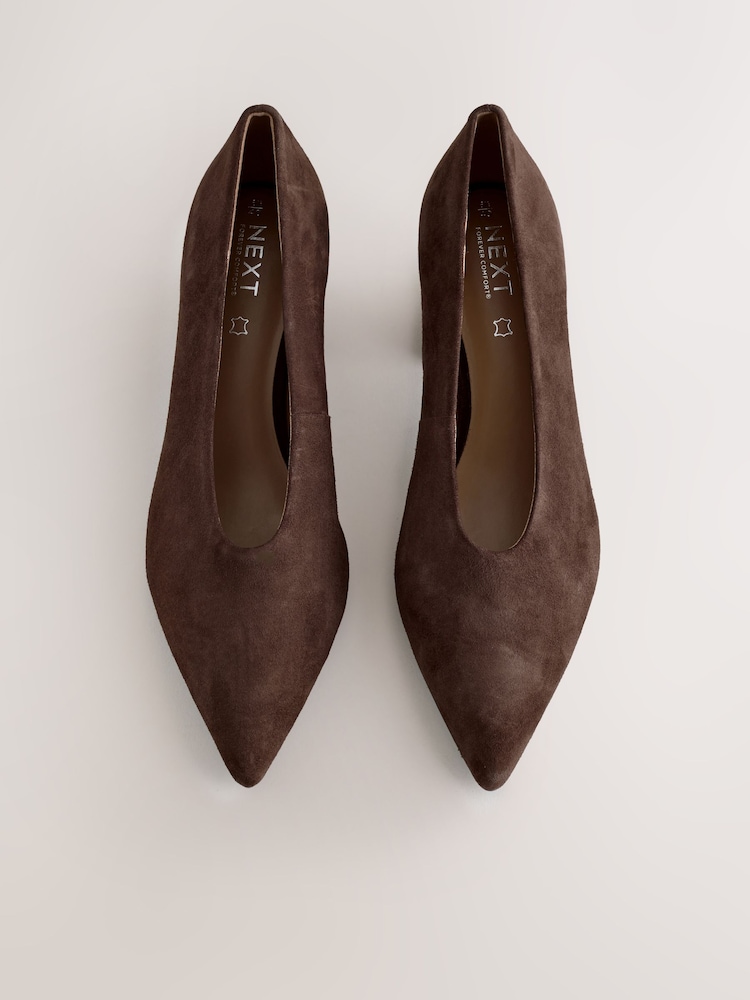
The elevation of brown footwear from utilitarian workwear to a symbol of refined taste is a narrative woven through decades of cultural and fashion history. In the early 20th century, brown shoes were largely relegated to casual or country pursuits, while black reigned supreme for formal town attire. The seismic shift began mid-century, championed by style rebels and intellectuals who embraced brown’s relaxed sophistication. Figures like Steve McQueen in his suede desert boots or the academic elegance of a well-worn brown loafer in Ivy League corridors began to dismantle the old formality codes. This cultural reassessment is documented in style archives from Esquire to Vogue, which tracked brown’s journey from the margins to the mainstream. The heel, in particular, benefited from this revolution. The 1970s saw the rise of the platform in rich earth tones, a symbol of bohemian glamour. Later, the minimalist 1990s embraced sleek, chocolate brown pumps as an alternative to ubiquitous black, offering a softer, more approachable edge to power dressing. This historical context is crucial; it means that when you slip on a pair of chocolate brown heels, you are not just wearing a shoe. You are tapping into a legacy of effortless cool, of a style intelligence that chooses subtlety over shout, and authenticity over rigid convention. It is a choice validated by decades of evolving taste.
The Anatomy of Versatility: One Heel, Infinite Outfits
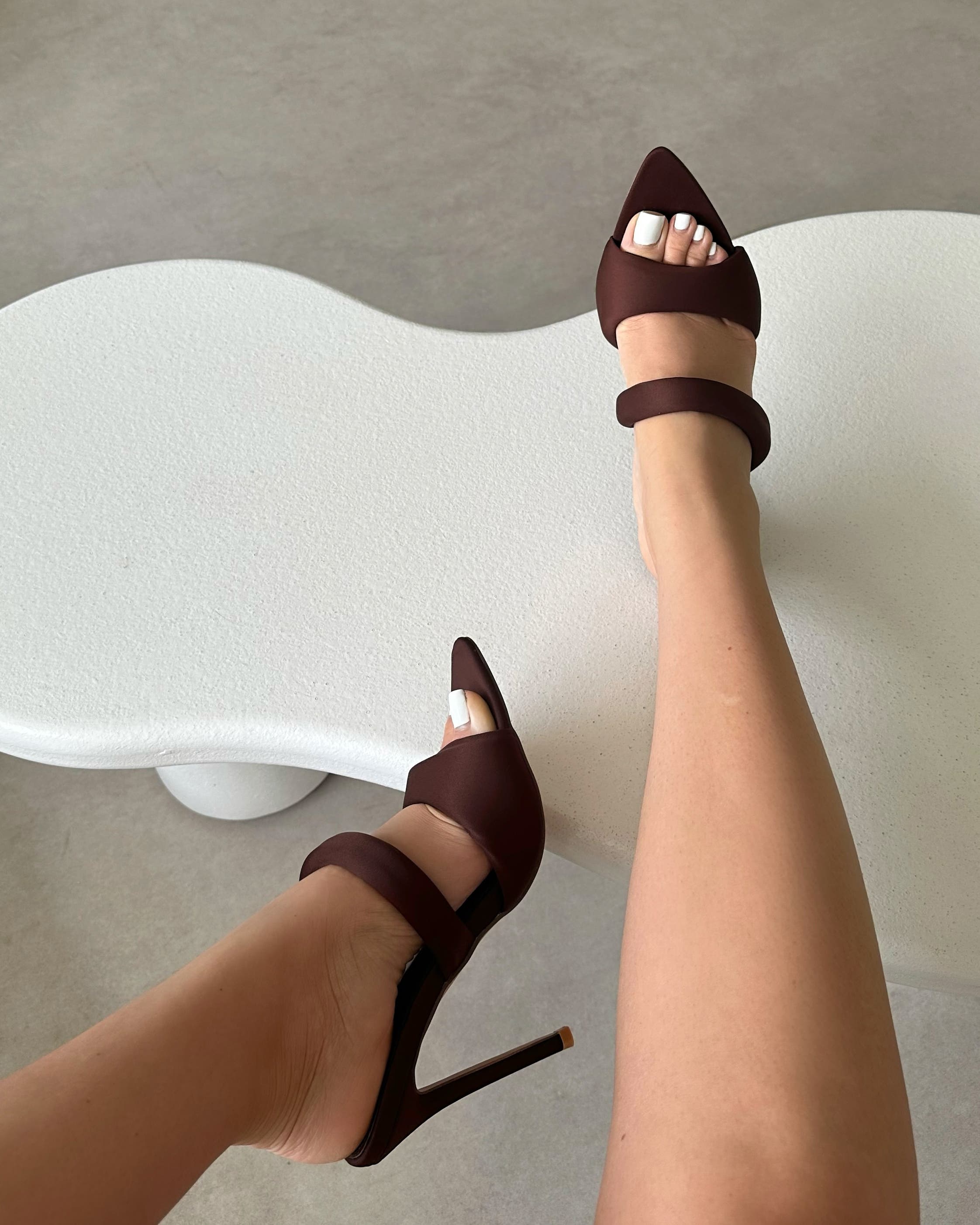
The true genius of the chocolate brown heel is manifested in its chameleonic ability to serve as the foundational element for a staggering array of looks. Its versatility is both scientific and stylistic. From a design perspective, its mid-tone value allows it to create cohesive visual flow without high contrast, making it ideal for building monochromatic or tonal outfits. Let us deconstruct its utility across five key style domains. First, with denim: whether paired with classic blue jeans, a black denim skirt, or white wide-leg jeans, a chocolate brown block heel or pump provides a perfect midpoint that is neither too casual nor too formal, elevating the everyday instantly. Second, with tailoring: a sharp tan trench coat over a cream suit finds its ideal anchor in chocolate brown heels, creating a layered, authoritative look that is far more nuanced than the traditional black-and-white corporate uniform. Third, with prints and patterns: the earthy tone acts as a stabilizing force for floral dresses, geometric prints, or animal patterns, taming potential visual chaos and allowing the print to shine without competition.
From Day to Night: The Seamless Transition
Fourth, and perhaps most compelling, is its diurnal flexibility. The same pair of sleek chocolate brown heels can walk you through a day of meetings and into an evening dinner. The key lies in the material and design. A suede pump whispers daytime elegance, but under softer evening lighting, the nap of the suede catches the light, adding a tactile, luxurious dimension. A satin or patent leather version, as seen in collections from designers like Jennifer Chamandi, starts with daytime polish and transforms into evening-ready glamour with the simple swap of a silk blouse for a camisole. This eliminates the need for an extra pair of shoes in your bag, championing a philosophy of intelligent, less-is-more dressing. Fifth, it serves as the ultimate seasonal transition piece. It carries the warmth of autumn through winter, complements the emerging earth tones of spring, and provides a sophisticated, shaded alternative to brights in summer. This is not mere opinion; it is a principle of capsule wardrobe construction endorsed by styling experts from platforms like The Concept Wardrobe, which emphasizes the high cost-per-wear value of versatile, color-coherent staples.
Material World: The Texture of Taste
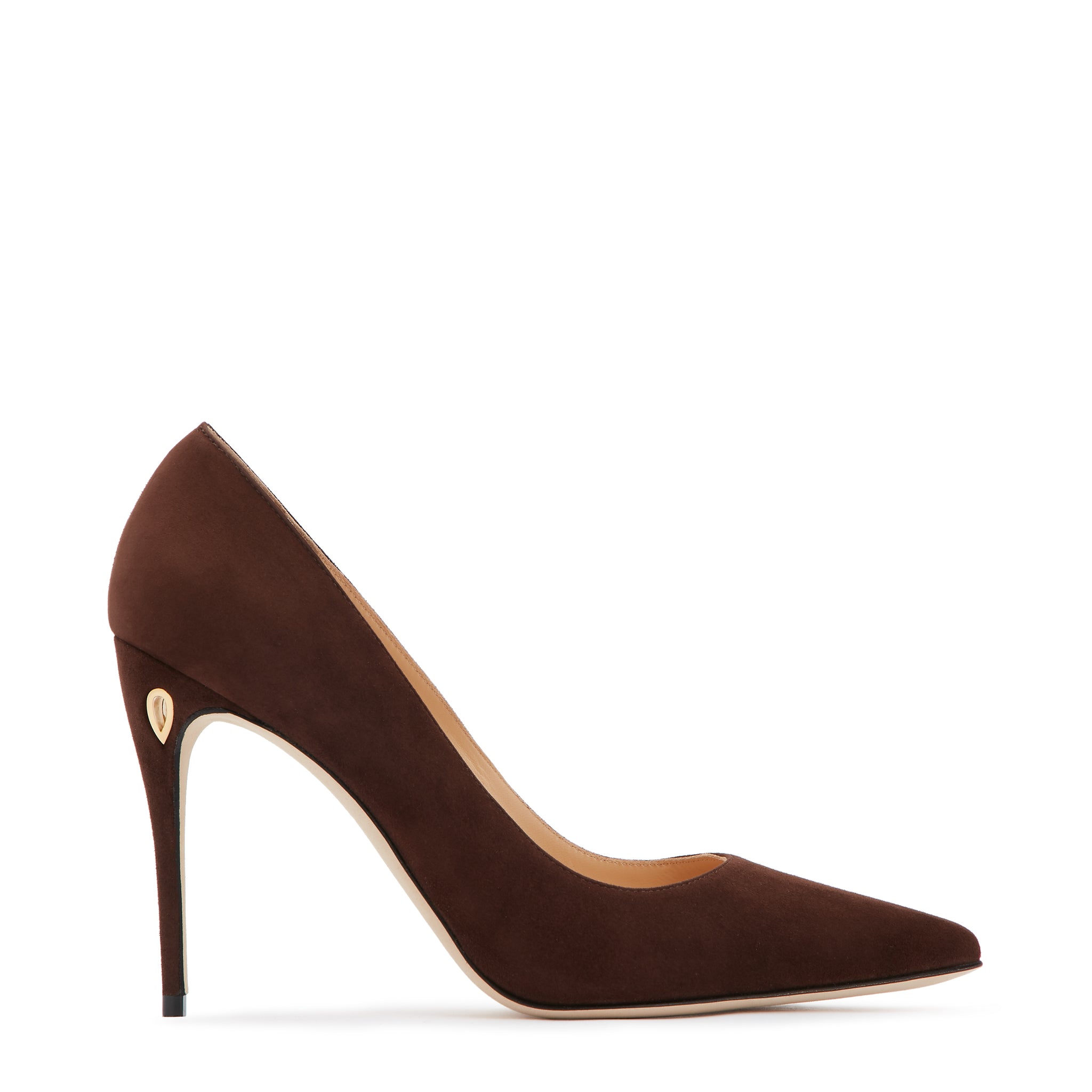
The color is only half the story; the material is what gives a chocolate brown heel its soul and defines its character. Each texture communicates a different dialect of the same chic language. Suede, with its velvety nap, is the epitome of tactile luxury and relaxed sophistication. It softens the lines of an outfit and adds a touch of romantic, vintage-inspired feeling. However, as any fashion scholar referencing textile care guides will note, suede requires a degree of mindful maintenance, making it a choice for deliberate, cherished wear. Smooth calfskin or patent leather, in contrast, offers a more architectural, modern statement. It reflects light cleanly, creating sharp, defined lines that speak of polish and precision. This is the choice for making a confident, contemporary impact. Then there are the more exotic finishes—embossed crocodile or snakeskin patterns in chocolate brown. These introduce a element of bold, wild texture while remaining within a cohesive tonal palette, a trick often employed by brands like Simmi to add drama without color clash. The choice of material allows you to fine-tune the shoe’s message, from softly professional to boldly expressive, all within the same universally flattering hue.
Investing in Intelligence: Beyond the Price Tag
In an era of conscious consumption, the value of a garment or accessory is increasingly measured not by its logo, but by its longevity and utility. This is where the chocolate brown heel transitions from a simple purchase to a strategic investment in your style capital. The argument for its cost-per-wear superiority is ironclad. A single, well-constructed pair can legitimately replace multiple, more situational pairs of shoes in black, navy, or beige. This aligns perfectly with the “fewer, better things” philosophy advocated by sustainable fashion thinkers and economists alike. When you invest in this staple, you are not just buying a product; you are buying time, simplicity, and consistent style output. You reduce morning decision fatigue, knowing this heel will work. You build a more cohesive, interchangeable wardrobe. Furthermore, from a purely economic standpoint, spreading the cost of a quality item over hundreds of wears represents a significant saving compared to frequently buying cheaper, trend-driven alternatives that quickly lose their appeal or fall apart. Brands recognize this intrinsic value, often offering these perennial staples at accessible price points or during strategic sales, knowing they are gateway pieces to a more refined wardrobe. The professional knowledge here is clear: a versatile staple is the ultimate discount, as it eliminates the need for redundant purchases.

The pursuit of effortless chic is, in essence, the pursuit of harmony—between color and form, between intention and expression, between the practical and the beautiful. It is about assembling a toolkit of pieces that work so intuitively they feel like an extension of the self. In this curated toolkit, the chocolate brown heel is not just another tool; it is the multi-tool, the indispensable implement that fastens a myriad of looks with grace and grounded confidence. It carries the weight of history, the science of color, and the practicality of modern life. It asks for little yet gives enormously, transforming the simple act of getting dressed into a quiet statement of assured style. This is the power of the versatile staple: it does not shout the latest trend, but instead, whispers a timeless truth about personal elegance.
