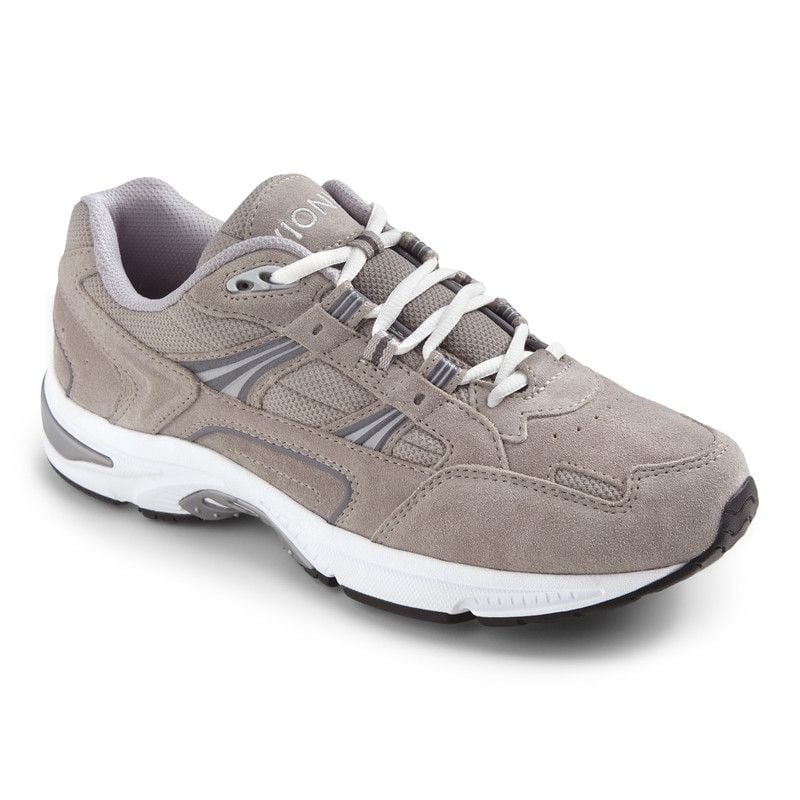
The Ultimate Guide to Vionic Walking Shoes for All-Day Support
For anyone who spends a significant portion of their day on their feet, the quest for the perfect shoe is more than a shopping trip—it’s a pursuit of physical well-being. The wrong footwear can transform a simple walk into a cascade of discomfort, impacting not just your feet but your knees, hips, and back. This is where the science of biomechanics meets everyday life, and few brands have championed this intersection as deliberately as Vionic. The core of their philosophy isn’t merely about fashion; it’s about foundational support. A Vionic walking shoe is engineered from the inside out, built upon patented orthotic technology designed to align the body naturally. This guide delves into the anatomy of all-day comfort, moving beyond marketing claims to explore the objective principles that make these shoes a standout choice for walkers, professionals, and anyone seeking relief from foot fatigue.
The Foundation of Foot Health: Understanding Biomechanics and Support
To appreciate what sets a Vionic walking shoe apart, one must first understand the biomechanical principles it addresses. The human foot is a complex structure of 26 bones, 33 joints, and over 100 muscles, tendons, and ligaments. Its primary functions are to absorb shock, provide balance, and propel the body forward. However, modern lifestyles—characterized by hard, flat surfaces and often unsupportive footwear—can lead to a collapse of the foot’s natural arch. This condition, known as overpronation, causes the ankle to roll inward excessively, disrupting the kinetic chain. As noted by the American Podiatric Medical Association, improper alignment can contribute to a host of issues, including plantar fasciitis, bunions, and knee pain. Vionic’s approach is rooted in podiatric science. Their signature orthotic footbed is not a generic cushion; it’s a biomechanical tool featuring a deep heel cup, superior arch support, and a forefoot ramp. This triad works in concert to stabilize the heel, align the arch, and encourage a natural gait cycle from heel strike to toe-off. It’s a form of passive therapy, offering the corrective benefits of a custom orthotic within the framework of a stylish, ready-to-wear shoe. The goal is to restore the foot to its intended position, thereby alleviating stress on the entire musculoskeletal system.

Deconstructing the Vionic Orthotic: More Than Just an Insole
The heart of every Vionic shoe is its proprietary orthotic footbed. This component is the result of collaboration with podiatrists and is clinically proven to reduce foot pain. Let’s break down its key features scientifically. The deep heel cup serves a critical function in motion control. By cradling the calcaneus (heel bone), it minimizes lateral movement and provides a stable platform for the initial impact of walking. This stability is crucial for preventing the excessive tibial rotation associated with overpronation. Next, the arch support is strategically contoured to match the natural curvature of the medial longitudinal arch. Unlike flat insoles that offer mere cushioning, this support actively prevents the arch from collapsing, which in turn reduces tension on the plantar fascia ligament—a common source of heel pain. Finally, the forefoot ramp features a slight upward angle at the ball of the foot. This design facilitates the smooth transition of weight during the “push-off” phase of gait, reducing strain on the metatarsals and Achilles tendon. When you slip into a Vionic walking shoe, you are not just putting on footwear; you are engaging a system engineered to guide your foot through its most efficient and least stressful path of motion with every step you take.
From Morning Commute to Evening Stroll: The All-Day Wear Test
The true measure of any supportive shoe is its performance over time and across varied terrains. A Vionic walking shoe is designed for endurance. The uppers, often crafted from premium leather, breathable mesh, or flexible knit, are designed for adaptability and comfort without sacrificing structure. The midsole, typically composed of lightweight yet resilient EVA foam, provides shock absorption that doesn’t bottom out after a few hours. This is where user testimonials and professional reviews converge. On platforms like YouTube, certified fitness experts and long-time sufferers of plantar fasciitis often showcase their day-long experiences, noting a significant reduction in end-of-day fatigue and pain. The design philosophy ensures that support does not equate to rigidity. Many styles feature flexible grooves that allow the shoe to bend with your foot, making them suitable for everything from a day at the office to a long walk in the park. The outsole’s durable rubber provides reliable traction, offering confidence on both wet sidewalks and dry pavement. This versatility is key; all-day support means supporting you through all of your day’s activities, not just a dedicated workout.

Expert Voices and Clinical Perspectives on Supportive Footwear
The value of biomechanically designed footwear is not merely anecdotal; it is supported by clinical insight and professional endorsement. Dr. Andrew Shapiro, a spokesperson for the American Podiatric Medical Association (APMA), has emphasized the importance of proper arch support in preventing common ailments. The APMA itself has awarded its Seal of Acceptance to numerous Vionic styles, a recognition granted only to products found to promote good foot health. Beyond podiatry, the principles align with broader orthopedic understanding. As stated in resources from institutions like the Mayo Clinic, supportive shoes are a first-line recommendation for managing conditions like plantar fasciitis. On social platforms like Twitter, physical therapists frequently highlight the role of footwear as part of a holistic approach to musculoskeletal health. One might recall the famous line from the book “Born to Run,” which, while celebrating minimalist running, inadvertently sparked a broader conversation about foot strength and the role of intelligent support. Vionic’s technology sits at a pragmatic middle ground: it provides the guidance many modern feet need without attempting to overhaul natural movement entirely. It’s a partnership between shoe and wearer, founded on scientific principles.
“The right shoe can be a simple yet powerful tool in preventive care. It’s about creating an environment where the foot can function as it was designed to, mitigating the stresses imposed by our man-made world.”
This sentiment, echoed by many in the field, encapsulates the mission of a Vionic walking shoe.
Investing in Your Stride: Where Value Meets Footwear Technology
When considering footwear as an investment in health, the calculus shifts from mere cost-per-wear to value-per-step. A high-quality Vionic walking shoe represents this investment. The integration of podiatrist-designed orthotics, durable materials, and thoughtful construction justifies its position in the market. However, accessing this technology does not always require paying full retail price. Savvy shoppers can often find previous season’s colors or specific styles on sale through authorized retailers or during seasonal promotional events. The key is to prioritize the essential technology—the orthotic footbed, the supportive structure—over purely cosmetic details. Furthermore, considering the potential cost of treating foot pain through medical interventions, physical therapy, or multiple pairs of ineffective shoes, a single, well-chosen pair of biomechanically sound shoes can be a cost-effective long-term solution. It is an investment that pays dividends in comfort, mobility, and overall quality of life, allowing you to move through your world with greater ease and less pain.
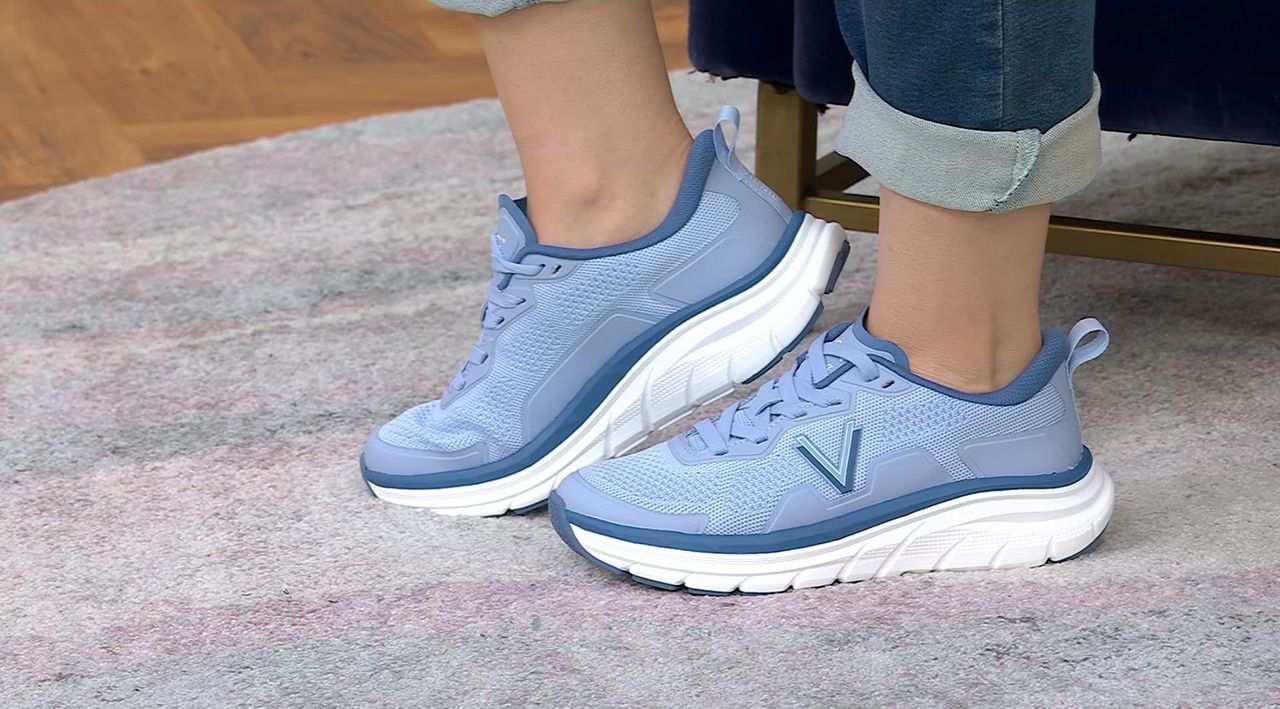
The journey to finding footwear that truly supports you is a step toward reclaiming the simple joy of movement. Vionic has distilled decades of podiatric insight into a range of shoes that marry form with foundational function. Their success lies not in a fleeting trend, but in a commitment to an objective, biomechanical truth: proper alignment is the bedrock of comfort. By choosing a shoe built on this principle, you are making a conscious decision to support your body’s architecture with every step. It is a choice that echoes from the ground up, transforming the mundane act of walking into a sustained experience of well-being.