

The Ultimate Guide to Tennis Shoes for Walking
For years, the idea of using tennis shoes for walking was met with skepticism. The prevailing wisdom dictated specialized footwear for every activity. Yet, a quiet revolution has been underway on pavements, park trails, and city streets worldwide. This guide isn’t about bending rules for the sake of convenience; it’s about understanding how the fundamental engineering of a modern tennis shoe aligns perfectly with the biomechanical demands of walking. We will dismantle the myth of absolute specialization and reveal why a well-chosen tennis shoe can be not just an acceptable but an exceptional choice for your daily strides, offering a unique blend of support, durability, and style that dedicated walking shoes often segment into separate models.
The Biomechanical Overlap: Why Tennis Shoes Work for Walking
To comprehend the suitability of tennis shoes for walking, one must first examine the biomechanics of both activities. Walking is a controlled, repetitive motion characterized by a heel-strike, followed by a smooth roll through the midfoot, and concluding with a toe-off. The primary forces are linear, with an emphasis on cushioning the initial impact. Tennis, while more dynamic, shares a foundational movement pattern: constant, agile footwork that includes forward strides, lateral cuts, and quick stops. This demands a shoe that provides stability during multi-directional movement and cushions impact from various angles. Dr. Casey Kerrigan, a former professor of physical medicine and rehabilitation at Harvard University, has extensively researched footwear. In a study cited by the Journal of Orthopaedic Research, her team found that traditional athletic shoes, including many court shoes, often promote a healthier gait pattern by not over-correcting the foot’s natural motion. The core engineering tenets of a tennis shoe—a reinforced upper for stability, a midsole that balances cushioning and responsiveness, and an outsole designed for traction on hard, flat surfaces—directly translate to the needs of a walker. The lateral support built to prevent ankle rolls during a tennis match becomes invaluable for navigating curbs and uneven sidewalks. The durable outsole meant to withstand abrasive court surfaces offers longevity on asphalt and concrete. Therefore, the argument for specialization ignores this significant functional overlap. Choosing tennis shoes for walking is not a compromise; it’s a strategic selection of a tool built for rigorous, ground-based activity.

Decoding the Anatomy: Key Features to Prioritize
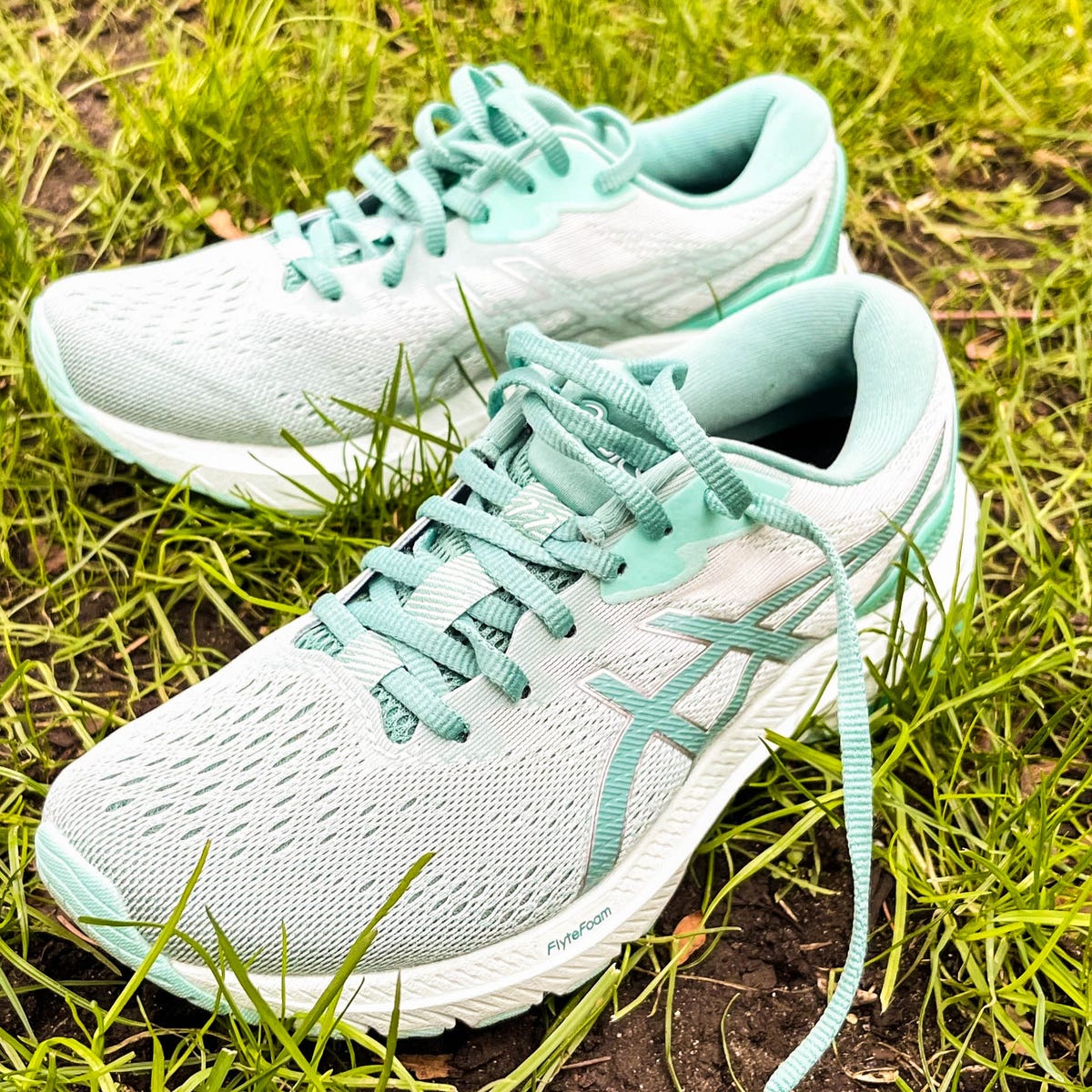
Not all tennis shoes are created equal for pedestrian purposes. The market spans from minimalist, speed-oriented models to robust, stability-focused ones. When selecting tennis shoes for walking, focus on these critical anatomical features. First, the midsole cushioning. Look for technologies like Adidas’ Boost, ASICS’ GEL, or Nike’s React foam. These materials are engineered to absorb vertical shock and return energy, a principle validated by material science research from institutions like MIT’s Sports Lab, which analyzes polymer composites for impact dissipation. A walker needs sustained comfort over miles, not just explosive rebound, so prioritize cushioning that feels supportive rather than overly soft or unstable. Second, consider the heel counter and arch support. A firm, molded heel cup is non-negotiable; it stabilizes the rearfoot, preventing slippage and controlling pronation—the natural inward roll of the foot. This is backed by podiatric literature, such as from the American Podiatric Medical Association, which emphasizes heel control as a cornerstone of injury prevention. For the arch, seek a shoe with adequate, but not aggressive, medial support. The goal is to guide the foot, not force it into an artificial position. Third, examine the upper and fit. Tennis shoes often feature reinforced toe boxes and supportive overlays. For walking, ensure these elements provide a secure, glove-like fit without pressure points. A study published in the Journal of Foot and Ankle Research highlights that improper fit is a leading cause of foot discomfort, irrespective of shoe type. Finally, the outsole should offer flat, durable rubber with a modified herringbone or circular tread pattern, providing reliable traction on paved surfaces without excessive lug depth that can trip a walker.
The Style Dividend: Where Function Meets Form
One undeniable advantage of opting for tennis shoes for walking is the aesthetic versatility they offer. Dedicated walking shoes have historically been critiqued for a utilitarian, sometimes dated, design language. Tennis shoes, by contrast, sit at the crossroads of performance and cultural relevance. From the classic white leather of a Stan Smith to the bold designs of modern performance models, they carry a legacy of sport and street style. This isn’t a superficial point. As noted by sociologist Dr. Yuniya Kawamura in her book Fashion-ology, the clothing and gear we choose for public activities are part of a non-verbal communication of identity and intention. A shoe that transitions seamlessly from a morning walk to casual daytime engagements removes a barrier to consistent activity. Furthermore, prominent figures have long blurred these lines. Tennis legend Roger Federer, in his collaborations with Nike and now On, has often highlighted the all-day comfort and style of his performance-inspired lifestyle models. On platforms like YouTube, celebrity stylists like Ashley Weston have discussed how athletic footwear, particularly clean tennis silhouettes, can be integral to a smart-casual wardrobe. Therefore, the style dividend is a functional benefit: when you enjoy wearing your gear, you’re more likely to use it. The psychological encouragement provided by a shoe you find visually appealing should not be underestimated in building a sustainable walking habit.
Navigating the Market: Recommendations and Value
Armed with knowledge of what makes a great walking tennis shoe, let’s translate that into actionable choices. The goal is to bring professional-grade knowledge to your decision, often at a more accessible price point than premium walking-specific brands. Here are three categories, considering both performance and value.
For the Cushioning Seeker: The All-Day Cloud
If your priority is plush comfort that absorbs miles of pavement, look to models incorporating advanced foam technologies. The ASICS GEL-Cumulus or GEL-Nimbus series, while often marketed as running shoes, are built on a last (shoe form) that favors stability and cushioning—principles directly borrowed from their tennis lineage. The GEL technology in the heel, a silicone-based elastomer, is famously effective at dampening impact. Similarly, the New Balance Fresh Foam X series offers a single-density foam midsole that provides a uniformly soft yet responsive ride. From a value perspective, previous seasons’ models of these shoes often see discounts of 30-50% as new iterations are released. The performance difference between version 23 and version 24 of a shoe is often marginal for a walker, making the older model a tremendous bargain. As noted in consumer reports from organizations like Runner’s World (which extensively tests walking comfort), the core cushioning systems remain largely consistent, offering near-identical protection.

For the Stability-Conscious Walker: The Guided Stride
Walkers who overpronate or simply desire a more structured feel should focus on tennis shoes designed for “motion control” or “stability” on the court. These models feature dual-density midsoles (a firmer foam on the inner side) and robust medial posts. The Adidas Barricade series, a staple in tennis, is engineered for aggressive lateral support and durability, translating to superb heel and arch control for walking. Another excellent, often overlooked option is the K-Swiss Hypercourt series. They utilize a guide plate in the midfoot that promotes natural motion while preventing excessive roll, a technology praised by tennis coaches like Brad Gilbert on his podcast for its injury-prevention benefits. To find these at a discounted price, explore outlet stores and online retailers specializing in tennis gear. End-of-season sales for court shoes can be particularly steep, as fashion trends in tennis colors change. The functional build, however, remains impeccable for your walking needs.
The Classic All-Rounder: Timeless Versatility
For those seeking a blend of heritage style and proven comfort, the classic tennis sneaker is a perfect entry point. Models like the Nike Court Legacy, Adidas Stan Smith, or Reebok Club C 85 are icons for a reason. They typically feature a simple, supportive leather upper, a modestly cushioned midsole, and a flat, non-marking outsole. While not packed with the latest space-age foam, their design has been refined over decades. As fashion historian and author of Sneakers, Rodrigo Corral, has stated, these shoes represent a “golden ratio” of proportion and comfort that has stood the test of time. Their value is legendary; they are perennially available and frequently go on sale during major retail holidays. Their simplicity is their strength for walking: they provide a stable platform, easy breathability, and a look that never demands an outfit change. They are the quintessential proof that effective tennis shoes for walking need not be overly technical.
:max_bytes(150000):strip_icc()/Web_1500-vwt-primary-best-overall-shoe-tstaples-118-671f4e0048e64d14a1c42e4f8d9e6658.jpg)
Your Stride, Reimagined
The journey to finding the perfect walking companion doesn’t require you to bypass an entire aisle of footwear. The engineering, the support, and the durability you seek are already present in the tennis section. By understanding the biomechanical synergy and focusing on key structural features, you can select a pair of tennis shoes for walking that delivers professional-grade performance, often at a friendlier price due to the competitive athletic footwear market. This choice merges the rigorous demands of court sport with the rhythmic necessity of the walk, offering a shoe that supports your body and complements your life beyond the path. Lace up a pair designed for multidirectional resilience, and discover how your daily walk can feel more secure, more comfortable, and inherently more stylish.
