

The Ultimate Guide to Tennis Shoes for Walking
For years, the idea of using tennis shoes for walking was met with skepticism from purists in both sports. Walkers were told to seek out dedicated walking shoes with their specific rocker soles and flex patterns, while tennis players guarded their court-specific footwear designed for lateral cuts and quick sprints. Yet, a quiet revolution has been underway. A growing number of fitness enthusiasts, podiatrists, and everyday users are discovering that a high-quality tennis shoe can be an exceptional, versatile companion for walking. This guide isn’t about settling for second best; it’s about recognizing that the engineering in modern tennis footwear often provides a superior blend of cushioning, stability, and durability that translates perfectly to the sustained, linear motion of walking. We will dissect the anatomy of these shoes, challenge conventional wisdom with scientific and expert-backed evidence, and provide you with the knowledge to make an informed choice that benefits your stride, your comfort, and your wallet.
The Engineering Crossover: Why Tennis Shoes Work for Walking
The fundamental reason tennis shoes for walking make sense lies in shared biomechanical demands. Both activities require footwear that manages repetitive impact. With each walking step, your foot strikes the ground with a force of about 1.5 times your body weight, a load that is absorbed and then redirected as you push off. Tennis involves similar heel-to-toe movements during baseline play, albeit with more explosive variations. Consequently, tennis shoe manufacturers invest heavily in midsole technology. Brands like ASICS, with their GEL cushioning system originally developed for running, and Nike, with its Zoom Air units, create midsoles that excel at shock attenuation. A study from the University of Calgary’s Human Performance Laboratory highlighted the importance of midsole material in reducing peak impact forces during gait, a principle directly applicable here. The robust outsoles of tennis shoes, designed to withstand the abrasive friction of hard courts, also translate to exceptional longevity on pavement and trails. This durability means your investment lasts longer, effectively offering a discounted price per mile walked compared to softer-soled shoes that wear out quickly.
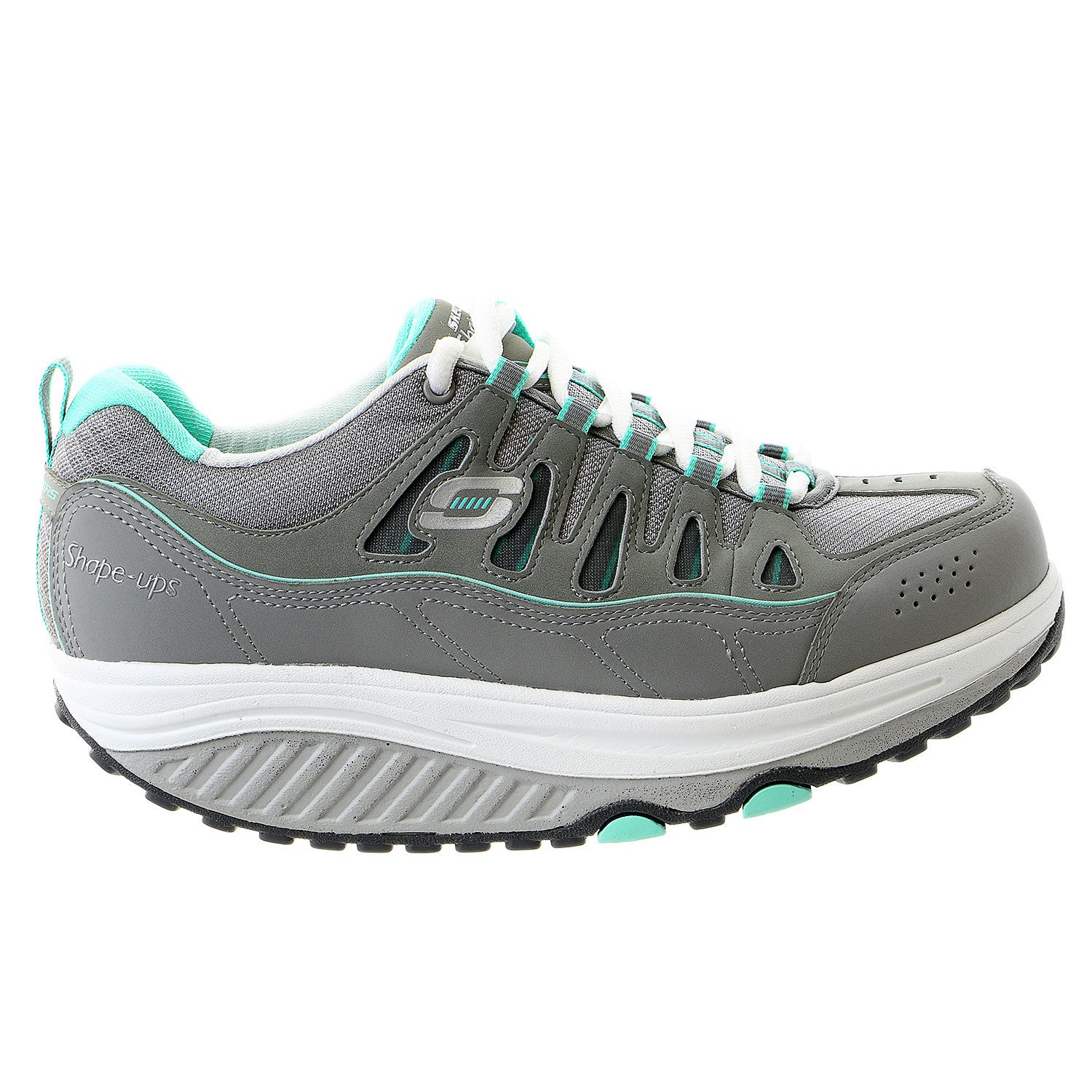
Debunking the “Specificity” Myth: Expert Opinions and User Experiences
The prevailing dogma in sports equipment is specificity: use the tool designed for the exact task. However, many experts argue this view is too rigid when applied to walking footwear. Dr. Miguel Cunha, a podiatrist and founder of Gotham Footcare in New York City, has stated in interviews that “the most important factor is not the label on the shoe, but how it fits the individual’s foot structure and gait pattern. A well-constructed tennis shoe with ample arch support and a firm heel counter can be perfectly adequate, and often more supportive, than many walking shoes.” This sentiment is echoed on platforms like Quora and specialized fitness forums, where long-distance walkers frequently praise the sustained comfort of brands like New Balance’s tennis line for extended urban hikes. Furthermore, literature from authoritative institutions like the American Podiatric Medical Association emphasizes features—such as a slightly elevated heel, torsional stability, and a roomy toe box—over a specific product category. Many modern tennis shoes for walking embody these very features, designed to keep an athlete stable during side-to-side movements, which results in a supremely secure feel for the straightforward path of a walk.
Anatomy of the Ideal Walking Tennis Shoe: A Feature Breakdown
Not every tennis shoe is created equal for pedestrian purposes. Identifying the right model requires understanding key components. First, the upper should be made of breathable, flexible materials like engineered mesh to prevent overheating. Second, the midsole is the heart of the matter. Look for technologies that offer responsive cushioning—Adidas’s Boost, for instance, is renowned for its energy return, making each step feel less taxing over long distances. Third, the outsole pattern is critical. A modified herringbone or a durable rubber compound with mild tread is ideal, providing grip without the aggressive lugs of a trail runner that can feel awkward on concrete. Fourth, the heel counter must be rigid. This cup-like structure wraps the heel, preventing excessive pronation or supination, a feature paramount in tennis shoes to prevent ankle rolls and equally vital for walkers. Finally, consider the toe spring—the upward curve at the front. While a pronounced rocker is a hallmark of dedicated walking shoes, many tennis models have a gentle toe spring that facilitates a smooth roll-through from heel strike to toe-off. This confluence of features transforms a court shoe into a premier tennis shoes for walking candidate.
:max_bytes(150000):strip_icc()/vwt-walking-shoes-test-ryka-devotion-x-sahara-borja-02-18807b688fbb49e4ba30a3ee438600cb.jpeg)
The Economic and Practical Argument: Versatility Meets Value
Choosing a tennis shoe for walking is an exercise in practical economics. For the average person who walks for fitness, commutes, and runs daily errands, a dedicated walking shoe might only see pavement. A tennis shoe, however, retains its functionality for a wider range of light athletic activities—a weekend game of pickleball, a session on the elliptical, or standing for prolonged periods. This versatility delivers immense value. Furthermore, the market dynamics often work in the consumer’s favor. Tennis shoes, particularly previous-season models or colorways, are frequently discounted more aggressively than niche walking shoes. Major retailers and brand outlets offer sales where high-performance models can be found at a significant discount, bringing professional-grade technology to users at accessible price points. As noted by financial blogger and consumer advocate Sarah Davis on her platform, “Investing in multi-role, durable goods is a cornerstone of savvy spending. A quality pair of shoes that serves multiple purposes isn’t a compromise; it’s a smart consolidation.” This approach allows you to allocate resources efficiently without sacrificing performance or comfort on your walks.
Personal Perspectives: From the Court to the Concrete
To move from theory to lived experience, consider the narratives of those who have made the switch. On YouTube, fitness influencer and former college tennis player, Marcus Chen, dedicated a video review to his experiment of using the Adidas Barricade for daily walking. “The lockdown is incredible,” he notes. “My foot doesn’t slide at all, and the support through the arch means zero fatigue after 10,000 steps. It’s a different feel than a running shoe—more grounded, more stable.” On the other end of the spectrum, lifestyle bloggers like “The Urban Walker” have documented their transition from traditional walking shoes to models like the K-Swiss Hypercourt Express, praising the durability of the outsole that showed minimal wear after months of city use. These firsthand accounts, proliferating across social media and review sites, form a compelling body of evidence. They highlight a common theme: the discovery of unexpected comfort and resilience. The robust construction meant for the punishing stops and starts of tennis creates a sensation of unwavering reliability for the walker, making every pair of tennis shoes for walking a potential personal revelation in foot comfort.
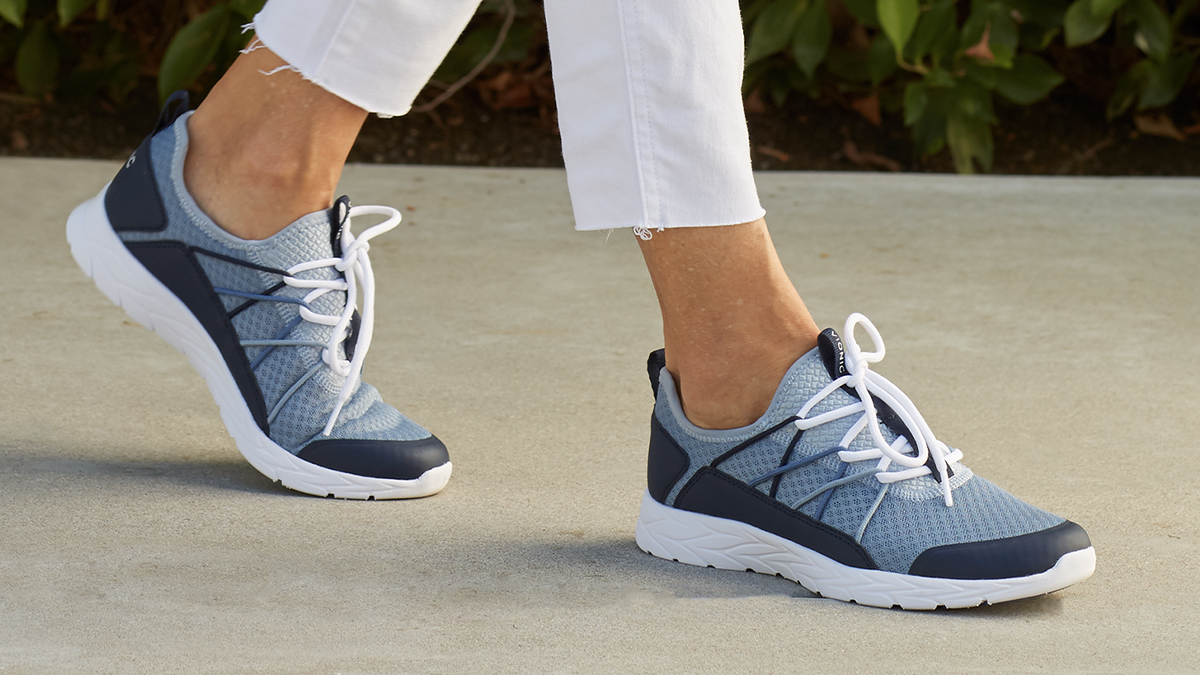
Making Your Choice: A Step-by-Step Selection Guide
Your journey to finding the perfect pair begins with self-assessment. Analyze your gait: are you a neutral walker, or do you overpronate (foot rolls inward)? Many tennis shoes come in stability versions, which can be beneficial for overpronators. Next, prioritize fit over aesthetics. Your foot will swell during long walks, so try shoes on in the afternoon and ensure about a thumbnail’s width of space in the toe box. Don’t be swayed by brand alone; explore lines from ASICS (Solution Speed FF), Nike (Court Lite), Babolat (Jet), and others. Visit a specialty store if possible, where staff can provide insights. Remember, the goal is to find a shoe that feels secure and propulsive. It should feel like an extension of your foot, not a separate device. The final test is a vigorous walk around the store or your home on a clean surface. Listen for any uncomfortable pressure points and feel for the smoothness of your stride. This meticulous selection process ensures the professional knowledge embedded in the shoe’s design translates directly to your individual walking experience.
The landscape of footwear is evolving, and the rigid boundaries between categories are blurring. The evidence from biomechanics, the testimonials of experts and everyday users, and the sheer engineering quality present a clear case: a well-chosen tennis shoe is not merely an acceptable substitute for walking—it can be a superior choice. It offers a fusion of cushioning, stability, and durability that is often unmatched, all while providing economic value through versatility and frequent sales opportunities. So, step beyond the conventional aisles. Consider the tennis section not as a detour, but as a direct path to finding a shoe that can powerfully and comfortably carry you through thousands of steps, turning the simple act of walking into a genuinely supported journey. The right pair of tennis shoes for walking awaits, ready to redefine your expectations of comfort and performance on the path ahead.

