

The Ultimate Guide to Tennis Shoes for Everyday Walking
For years, the idea of using tennis shoes for walking was met with skepticism. The prevailing wisdom suggested that dedicated walking shoes, with their specific rocker soles and stiff constructions, were the only legitimate choice for the serious pedestrian. However, a significant shift is underway. A growing body of anecdotal evidence, supported by biomechanical principles and user testimonials, is challenging this orthodoxy. This guide posits that a modern, well-chosen tennis shoe can be not just an acceptable but a superior option for daily ambulation, offering a blend of cushioning, stability, and versatility that traditional walking shoes often lack. We will move beyond simple recommendations to dissect the science of gait, the evolution of athletic footwear, and the practical realities of finding a shoe that supports your body and your lifestyle without compromise.
The Biomechanical Overlap: Why Tennis and Walking Aren’t So Different
To understand the suitability of tennis shoes for walking, we must first examine the biomechanical demands of both activities. While tennis involves lateral cuts, sprints, and sudden stops, its foundation is a constant state of dynamic movement and weight transfer—not dissimilar to the rhythmic, repetitive motion of walking. Dr. Casey Kerrigan, a former professor of physical medicine and rehabilitation at Harvard Medical School and founder of a footwear science company, has extensively researched gait. Her work, often cited in publications like The Journal of Foot and Ankle Research, suggests that overly rigid shoes can impede the foot’s natural motion, potentially leading to joint stress. A quality tennis shoe is engineered for multi-directional support and impact absorption at the heel and forefoot—precisely the areas stressed during the heel-strike and toe-off phases of a walking gait. The cushioning systems (like Adidas Boost or Nike Air) developed for high-impact sports translate exceptionally well to absorbing the repeated, lower-intensity impacts of walking on hard pavement. Therefore, the technological leap in tennis footwear directly addresses the primary physical need of the walker: comfortable, joint-protecting impact dissipation.
:max_bytes(150000):strip_icc()/Web_1500-vwt-primary-best-overall-shoe-tstaples-118-671f4e0048e64d14a1c42e4f8d9e6658.jpg)
Debunking the “Specialized Tool” Myth: A Historical Perspective
The market segmentation of “walking shoes” is a relatively recent phenomenon, largely a product of 1980s and 1990s marketing. Historically, people walked in whatever sturdy, comfortable shoes they owned. The insistence on hyper-specialization can be limiting. As noted on platforms like Quora and in retrospectives by industry insiders, the classic “walking shoe” design, with its pronounced heel and rigid sole, was based on a now-questioned model of gait. In contrast, the design philosophy for contemporary tennis shoes is driven by real-time athlete data and material science innovations. Brands invest millions in research for sports like tennis, and that R&D filters down to consumer models. When you choose a high-performance tennis shoes for walking, you are leveraging technology developed for some of the most demanding athletic movements. This isn’t to say all tennis shoes work; the key is selection. A shoe designed for a baseline player (requiring durability and side-to-side support) is far more suitable than one for a serve-and-volley specialist (which may prioritize lightweight speed). The viewpoint here is clear: specialization in footwear can be beneficial, but the superior engineering often resides in shoes built for dynamic, real-world athletic stress, not a narrowly defined ideal of a single motion.
Critical Features to Seek in a Tennis Shoe for Walking
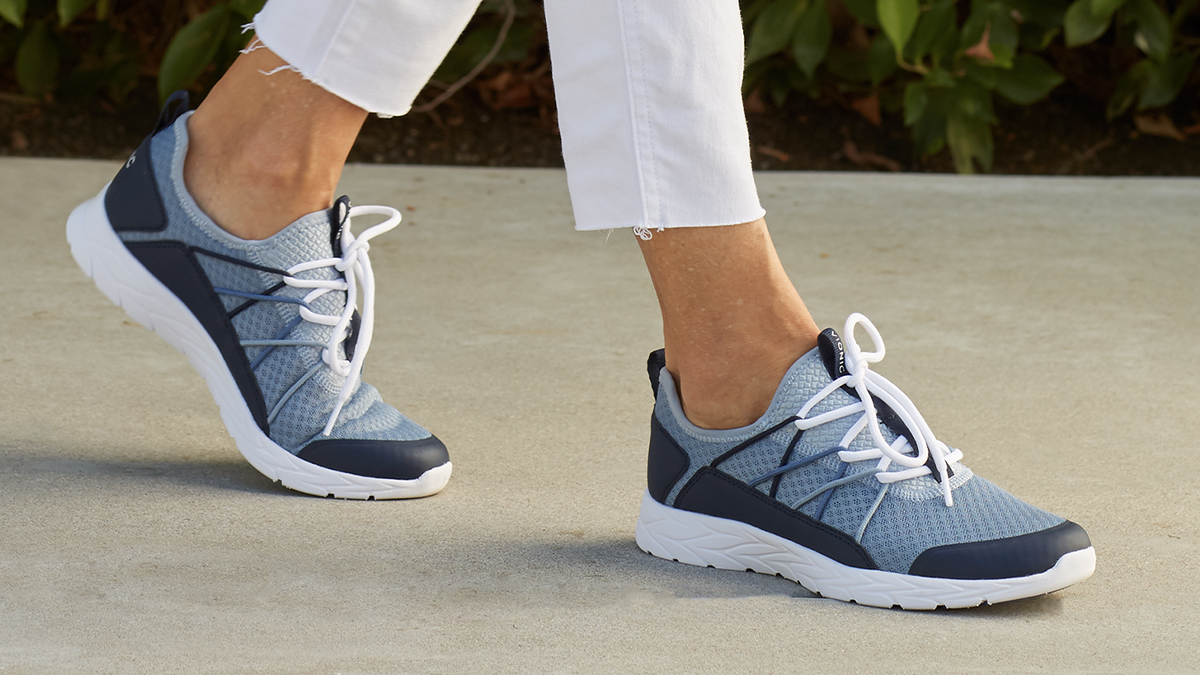
Not every tennis shoe is created equal for the pedestrian’s purpose. Identifying the right pair requires focusing on specific features that align with walking mechanics. First, prioritize heel and forefoot cushioning. Look for shoes that advertise advanced cushioning technologies—Gel (Asics), Fresh Foam (New Balance), or React Foam (Nike). These materials are designed to absorb shock and return energy, making each step less fatiguing. Second, consider arch support and midfoot stability. While walking involves less lateral motion than tennis, a secure midfoot prevents the foot from rolling inward excessively (overpronation), a common issue. Many tennis shoes feature medial posts or dual-density midsoles for this very reason. Third, examine the outsole tread pattern. A flat, herringbone or modified tread common in tennis shoes offers excellent grip on paved surfaces without the deep, aggressive lugs of a trail runner, which can feel unstable on concrete. Finally, breathability and a secure, comfortable upper are non-negotiable for everyday use. A mesh upper with strategic synthetic overlays provides a balance of airflow and support. By methodically evaluating these elements, you transition from simply wearing tennis shoes to strategically employing tennis shoes for walking.

The Testimonial Evidence: From Celebrities to Everyday Athletes
The practical validation of using tennis shoes for walking comes from a diverse chorus of voices. On platforms like YouTube, certified fitness experts and physical therapists often analyze footwear from a functional perspective. For instance, Dr. Matt Minard, a physical therapist known for his “Gait Happens” channel, frequently deconstructs shoe design, emphasizing function over label. He has noted that many “lifestyle” or “court” shoes provide excellent, natural foundations for gait retraining and daily wear. Beyond experts, the anecdotal evidence is powerful. On Twitter and Reddit communities like r/walking or r/Sneakers, countless users report ditching their dedicated, often clunky walking shoes for models like the New Balance 990 series (originally a running/tennis cross-trainer) or the Adidas Stan Smith for all-day comfort. The sentiment is echoed in casual remarks from celebrities known for an active lifestyle. While not a formal endorsement, seeing a figure like Matthew McConaughey, an avid walker, spotted in classic athletic sneakers reinforces the cultural shift towards versatile, performance-inspired footwear for everyday life. This collective experience forms a compelling, real-world dataset.
“We get so caught up in the category name—’running,’ ‘walking,’ ‘tennis’—that we forget to feel how the shoe works with our body. The best shoe for walking is often the one that allows your foot to move naturally while providing cushion where you need it. Sometimes, that’s a shoe from the ‘wrong’ section of the store.”
A Practical Selection and Investment Guide
Armed with this knowledge, your journey to find the perfect pair becomes a targeted mission. Start by analyzing your walk: do you primarily tread on pavement, tracks, or mixed surfaces? For hard surfaces, maximum cushioning is key. Next, know your foot type: a simple wet foot test can reveal if you have high, neutral, or low arches. Those with flat feet or overpronation should lean towards tennis shoes with pronounced arch support and stability features. Now, let’s talk value. The beauty of choosing tennis shoes for walking is the market efficiency. Last season’s top-tier tennis models often see significant discounts (30-50% off) as new colorways are released, while their core technology remains identical. Websites of major retailers, Amazon, and dedicated sneaker discount sites are treasure troves. For instance, a premium model like the Asics Gel-Resolution 8, packed with Gel cushioning and Duraguard durability, can frequently be found well below its original MSRP. This approach brings professional-grade technology to you at an accessible price point, a smarter investment than paying full price for a less technologically advanced dedicated walking shoe.
Beyond the Shoe: Integrating into a Walking Lifestyle
The final step is integration. Your new tennis shoes are a tool to enhance a consistent walking practice. Pair them with quality, moisture-wicking socks to prevent blisters. Pay attention to your walking form: aim for a brisk pace where you can still hold a conversation, swing your arms naturally, and land with a gentle heel strike rolling through to your toe. The right shoe will make good form easier to maintain. Furthermore, the versatility of a stylish tennis shoe means you’re more likely to wear them throughout the day, accumulating incidental steps that contribute significantly to your overall health. This aligns with public health recommendations from institutions like the Mayo Clinic, which emphasize consistency over intensity. The psychological benefit of wearing a shoe you find aesthetically pleasing should not be underestimated—it increases the likelihood of adherence to an active routine. Thus, the choice transcends mere footwear; it becomes a catalyst for a more active, health-conscious lifestyle.
The journey through the world of footwear reveals a simple truth: the best shoe is the one that best serves your body’s mechanics and your life’s rhythm. The rigid categories of yesterday are giving way to a more holistic understanding of movement. Tennis shoes for walking represent this synthesis—offering the proven impact protection, stability, and durability born from the tennis court, repurposed for the daily marathon of life. By focusing on fundamental features like cushioning, support, and tread, and by shopping strategically for value, you can equip yourself with footwear that is both scientifically sound and economically smart. Step away from convention and let your feet experience the engineered comfort that the world of athletic performance has already perfected.

