

The Best Tennis Shoes for Walking Comfort and Fashion
In the realm of footwear, a fascinating convergence is taking place. The lines between specialized athletic gear and everyday fashion are blurring, and at the heart of this shift is a humble hero: the tennis shoe. No longer confined to the clay or grass courts, modern tennis shoes for walking have evolved into a pinnacle of design, marrying biomechanical support with street-ready style. This isn’t about settling for a running shoe repurposed for pavement pounding; it’s about embracing a category engineered for the lateral stability, cushioning, and durability that the walking gait demands, all while making a definitive sartorial statement. We are moving beyond mere functionality into an era where what we put on our feet for a daily commute or a weekend stroll is as considered as any other element of our wardrobe.
The Anatomy of a Perfect Walking Shoe: Why Tennis Design Excels
To understand why a tennis shoe is uniquely suited for walking, we must dissect its design philosophy. Unlike running, which is a primarily linear, heel-to-toe motion, walking involves a more complex gait cycle with a longer stance phase and significant lateral (side-to-side) movement as we shift our weight. Traditional running shoes are built for forward propulsion and often feature softer, more plush cushioning that can destabilize the foot during these lateral shifts. The tennis shoe, however, is born from a sport demanding explosive side-to-side movements, sudden stops, and quick changes in direction. Consequently, its construction addresses the very needs of a walker. The midsole often utilizes dual-density foams—softer foam for cushioning under the heel and forefoot, and a firmer, more supportive foam along the arch and medial (inner) side to prevent overpronation, a common issue where the foot rolls inward excessively. The outsole, typically made of durable, non-marking rubber, features a herringbone or modified tread pattern designed for multi-directional grip, providing confident traction on varied urban surfaces from concrete to tile. As Dr. Casey Kerrigan, a renowned biomechanist and former professor at Harvard Medical School, has often emphasized in her research on footwear biomechanics, “Stability is not about rigidity; it’s about guiding the foot’s natural motion in a way that prevents harmful extremes.” The structured yet flexible design of a quality tennis shoe does precisely that for the walker.

Cushioning vs. Responsiveness: Striking the Balance for All-Day Comfort
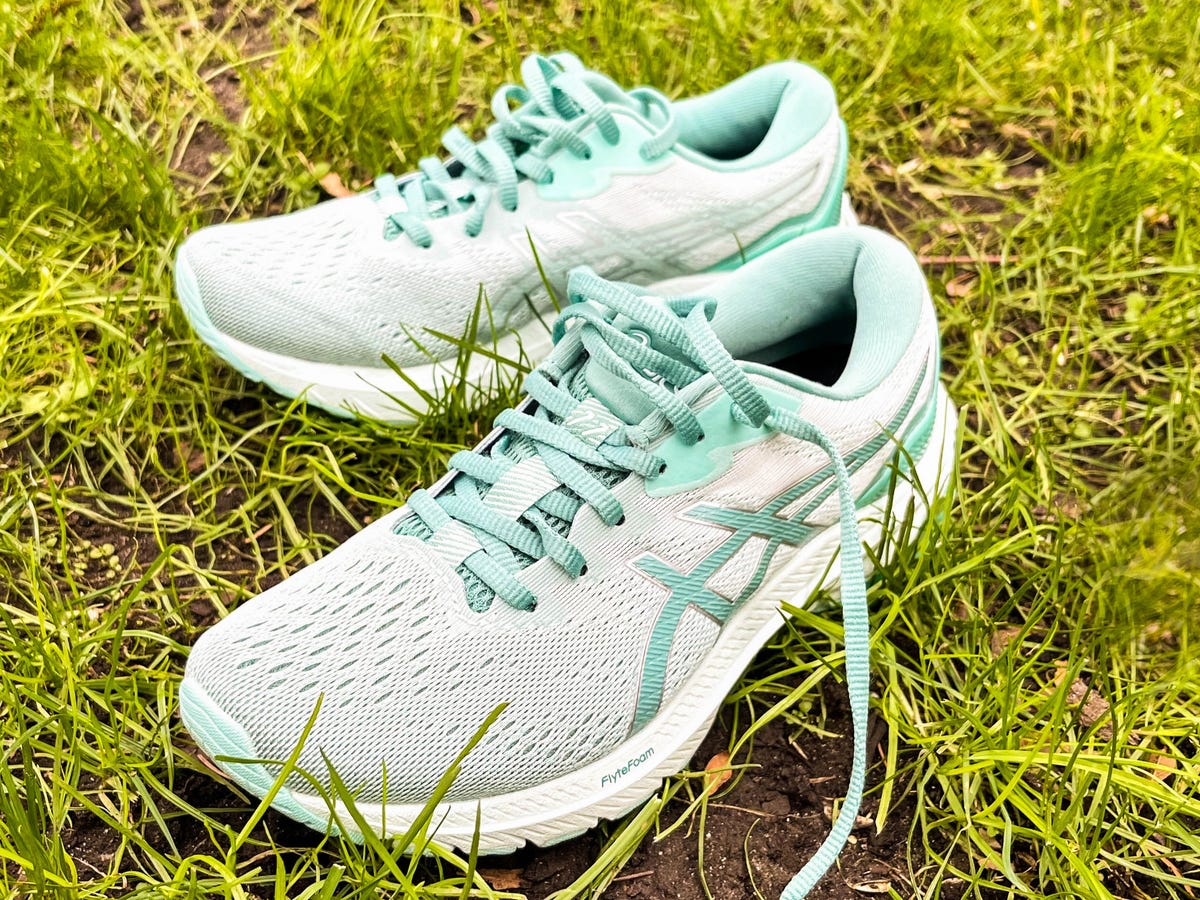
The quest for comfort often leads walkers to seek the softest possible cushioning, a pursuit that can be counterproductive. Excessive, overly soft cushioning, sometimes called “marshmallow” foam, can deaden proprioception (your body’s sense of its position and movement) and lead to instability, causing smaller stabilizer muscles in the foot and ankle to work harder, potentially leading to fatigue or injury. The ideal tennis shoes for walking find a critical equilibrium between plush comfort and responsive feedback. Technologies like Adidas’s Boost, Nike’s React, or ASICS’s GEL cushioning systems are exemplary. They are engineered to absorb impact forces—reducing stress on joints—while also returning energy to facilitate a smooth, rolling transition through your step. This responsive characteristic is what makes a shoe feel “lively” underfoot, combating the dull, heavy sensation that can accompany long walks in poorly designed shoes. A study published in the Journal of Foot and Ankle Research from the University of Bologna noted that moderate levels of cushioning with good energy return were correlated with reduced perceived exertion during prolonged ambulatory activities. Therefore, when selecting your pair, press your thumb into the midsole. It should yield comfortably but not collapse entirely; there should be a sense of resilient rebound. This balance ensures that from your first step to your ten-thousandth, your feet are supported, not smothered.
From the Court to the Concrete: The Fashion Evolution
The aesthetic journey of the tennis shoe is a masterclass in cultural appropriation and reinvention. Once the uniform of athletes like Stan Smith and John McEnroe, these shoes were adopted by subcultures in the 80s and 90s—from hip-hop artists to skateboarders—who valued their clean lines, leather construction, and symbolic connection to a preppy, athletic ideal. This streetwear adoption laid the groundwork for today’s high-fashion collaborations. Brands like Common Projects, Axel Arigato, and Veja have deconstructed and refined the tennis silhouette, using premium materials like full-grain leather, suede, and recycled textiles to create minimalist masterpieces. The fashion perspective is clear: a well-designed tennis shoe offers a versatile silhouette that is neither as bulky as a dad shoe nor as technical-looking as a performance runner. It provides a white-space canvas for personal expression. As fashion critic and author Alexander Fury once remarked in an interview with The Business of Fashion, “The tennis shoe represents a democratization of style. It’s an accessible luxury, a piece of design history that speaks to both utility and aspiration.” When you choose a fashion-forward pair of tennis shoes for walking, you are not just choosing footwear; you are aligning yourself with a decades-long narrative of style evolution, opting for a look that is simultaneously classic and contemporary.
Material Matters: Leather, Knit, and Sustainable Innovations
The upper material of your shoe is the interface between you and its technology, dictating breathability, durability, and aesthetic. Classic leather uppers, found in icons like the Adidas Stan Smith or Nike Court Legacy, offer structure, easy cleaning, and a timeless look that molds to the foot over time. However, modern knits, such as Nike’s Flyknit or Adidas’s Primeknit, provide a sock-like, adaptive fit that reduces friction points and offers exceptional breathability, ideal for longer walks in warmer climates. The most exciting developments, however, lie in sustainable innovation. Brands are increasingly turning to recycled polyester, organic cotton, and even plant-based materials like pineapple leaf fiber (Piñatex) or algae-based foam. For instance, Allbirds popularized the use of merino wool and sugarcane-based SweetFoam™, while Veja is renowned for its use of wild rubber from the Amazon and recycled plastic bottles. Choosing a pair made with these materials means your commitment to comfort and style also carries an ethical dimension. It’s a choice that reflects an awareness of the product lifecycle, from the sourcing of raw materials to the shoe’s eventual biodegradability or recyclability. In this context, your tennis shoes for walking become a statement of values as much as a practical tool.
Making the Investment: Professional Guidance and Smart Shopping
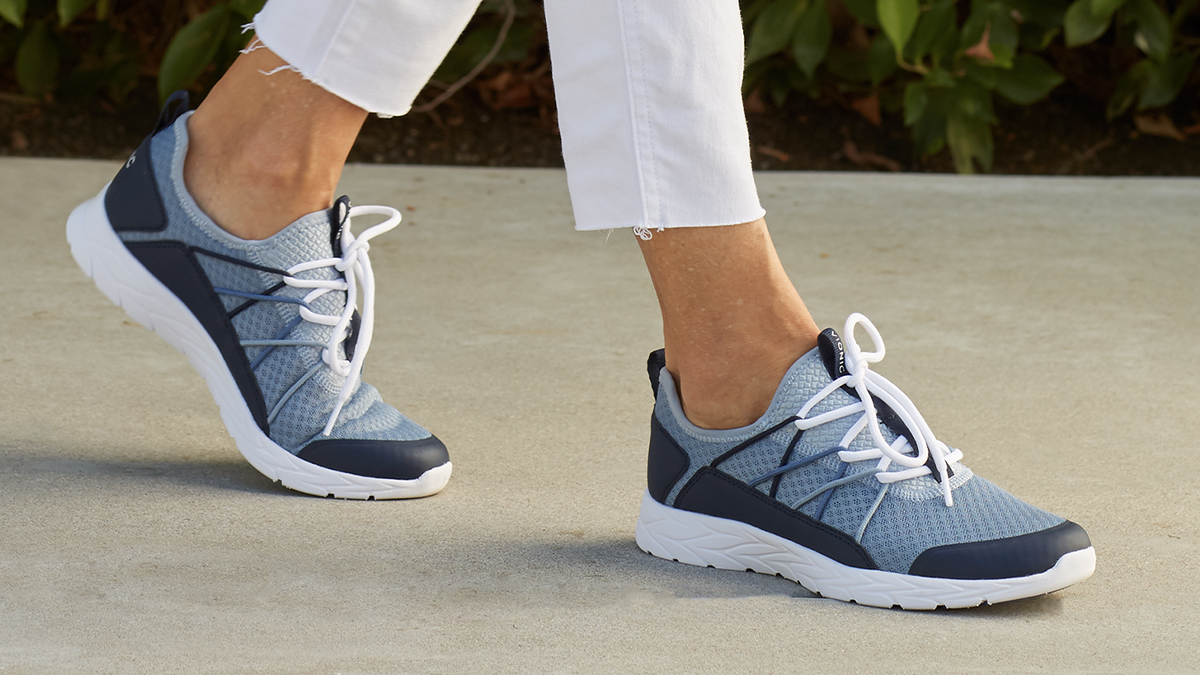
Investing in the right pair is a decision that pays dividends in foot health and daily satisfaction. Before you consider price, consider fit. Your foot’s length, width, and arch type are paramount. Visit a specialty store for a gait analysis if possible; understanding if you have a neutral gait, overpronate, or supinate (roll outward) will guide you toward shoes with the appropriate level of medial support or neutral cushioning. Remember, the best shoe is the one that fits your foot perfectly, not just the most hyped model. Once you know your needs, you can shop strategically. End-of-season sales, holiday promotions, and brand outlet stores are excellent avenues for finding premium tennis shoes for walking at a fraction of the retail price. Many direct-to-consumer brands also offer significant value by cutting out the middleman. For example, a high-quality pair from a brand like Koio or Cariuma, which often retail between $120-$180, can be found on sale for under $100 during promotional periods, offering craftsmanship and materials that rival luxury labels. Setting price alerts on retailer websites or subscribing to newsletters can give you a crucial edge. Think of this not as an expense, but as a cost-per-wear investment. A $150 pair worn nearly every day for two years breaks down to just over twenty cents per day for unparalleled comfort and style—a value proposition that is difficult to match.

The search for the perfect walking companion ends not with a compromise, but with a discovery. The modern tennis shoe has transcended its origins to answer a complex, contemporary need: the demand for footwear that performs with scientific precision throughout the rhythms of daily life while standing confidently as an element of personal style. It offers the structured support our biomechanics crave and the aesthetic versatility our wardrobes require. By choosing a well-designed pair of tennis shoes for walking, you are equipping yourself with a tool that honors the engineering of the human body and the expression of individual taste. This is the new standard—where every step is an experience in comfort, and every outing is an opportunity for style.
