

The Best Tennis Shoes for Everyday Walking Comfort
Let’s be clear from the outset: the quest for the perfect everyday walking shoe often leads us past dedicated walking shoes and straight to the court. Modern tennis shoes for walking have evolved into a secret weapon for urban explorers, casual strollers, and anyone who values all-day comfort without sacrificing style. This isn’t about repurposing a high-performance clay-court specialist, but about recognizing that the engineering principles behind a great tennis shoe—stability, cushioning, durability, and lateral support—translate exceptionally well to the varied terrain of daily life. The right pair can transform your commute, your errands, and your leisurely weekend ambles from a chore on your feet into a genuine pleasure.
Why Tennis Shoes? The Unseen Engineering for Daily Miles
The common misconception is that any athletic shoe is suitable for walking. However, the biomechanical demands of walking differ from running or basketball. Walking is a heel-to-toe motion with one foot always in contact with the ground, creating constant, lower-impact stress. This is where the design philosophy of tennis shoes shines. A tennis player is in a constant state of micro-adjustments—short sprints, lateral cuts, sudden stops, and pivots. This requires a shoe that offers exceptional stability to prevent ankle roll, a robust outsole for traction on multiple surfaces, and reinforced areas (like the toe drag guard) for durability. When you walk in a well-designed tennis shoe, you benefit from this fortified architecture. The University of Pittsburgh’s Human Performance Lab notes that footwear stability is a critical factor in reducing overpronation during gait, a common issue that leads to foot fatigue. The structured heel counter and midfoot shank found in quality tennis shoes for walking provide that precise, supportive framework, cradling your foot through thousands of steps on concrete, asphalt, and indoor flooring.

Decoding the Anatomy: Cushioning, Support, and the All-Important Fit
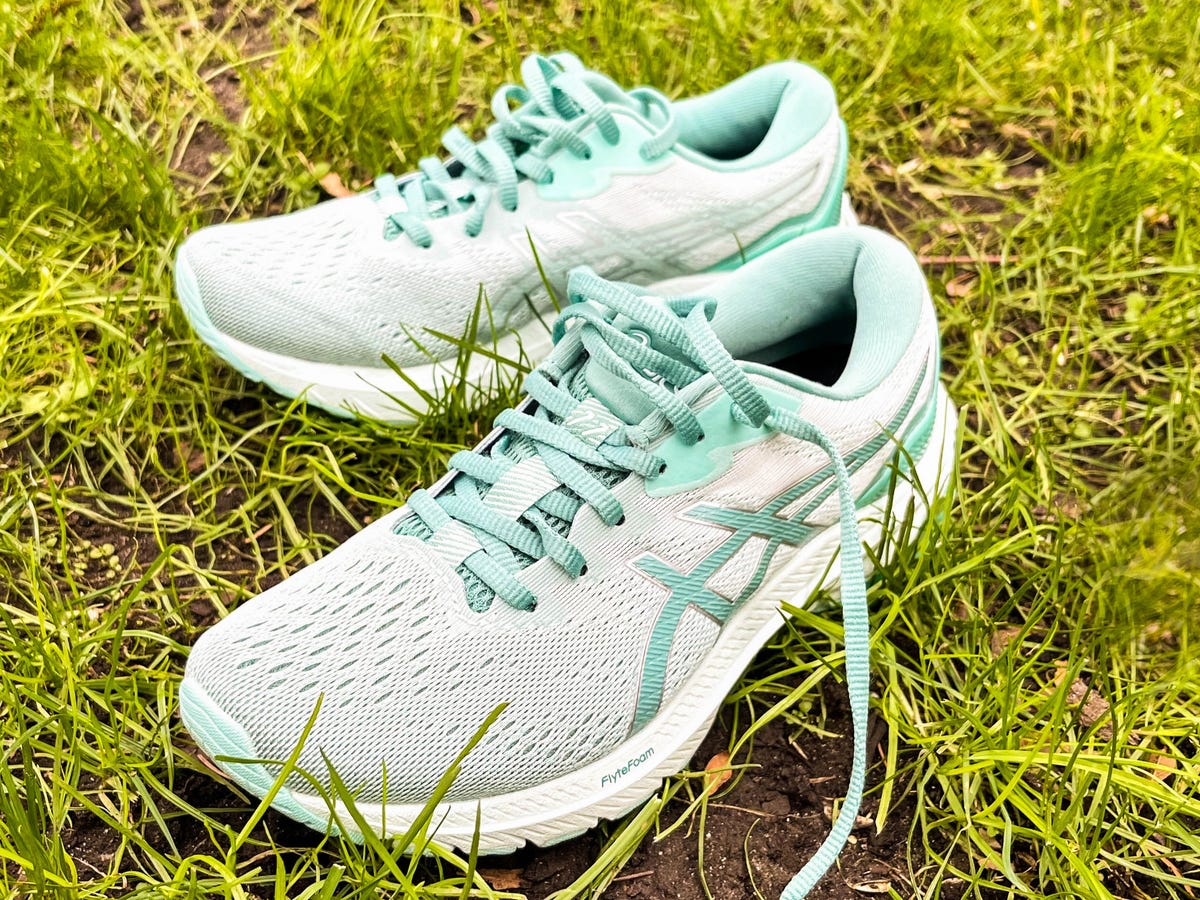
To understand why these shoes excel, we must dissect their anatomy. First, cushioning. While running shoes prioritize soft, plush foam for vertical impact, tennis shoes often employ a slightly firmer, more responsive cushioning system. Brands like ASICS, with their GEL technology, or Nike, with Air or React foam, design these to absorb shock from multiple directions. This is ideal for walking, as it provides comfort without the mushy instability that can lead to arch strain over long distances. Second, support. The upper of a tennis shoe is typically more structured, using combinations of mesh, synthetic leather, and thermoplastic polyurethane (TPU) overlays to lock the midfoot down. This prevents the foot from sliding inside the shoe, a key factor in preventing blisters. As renowned podiatrist Dr. Emily Splichal has stated in numerous interviews, “A shoe that fits like a firm handshake at the midfoot is paramount for prolonged wear.” Finally, the outsole. Durable rubber with a modified herringbone or multi-directional pattern offers grip on diverse surfaces, from supermarket tiles to rainy sidewalks, ensuring safety with every step.
Beyond the Hype: Selecting Your Personal Pair
With countless models available, selection is key. Your foot type dictates your choice. Do you have flat feet, a neutral arch, or high arches? For overpronators (flat feet), look for models labeled “stability” or “motion control,” often featuring a denser medial post. The Adidas Barricade or ASICS Gel-Resolution series are famed for their supportive platforms. For neutral walkers, the world is your oyster—consider the versatile Nike Court Legacy or the New Balance Fresh Foam Lav. For high arches (supination), prioritize maximum cushioning and flexibility, such as the Nike Air Zoom Vapor Cage. Remember, the best tennis shoes for walking are the ones you forget you’re wearing. A proper fit means a thumb’s width of space in the toe box, no pinching at the widest part of your foot, and a secure, slip-free heel. Don’t just buy your running shoe size; try them on in the afternoon when your feet are naturally slightly swollen.
The Style Equation: Where Performance Meets Everyday Aesthetics
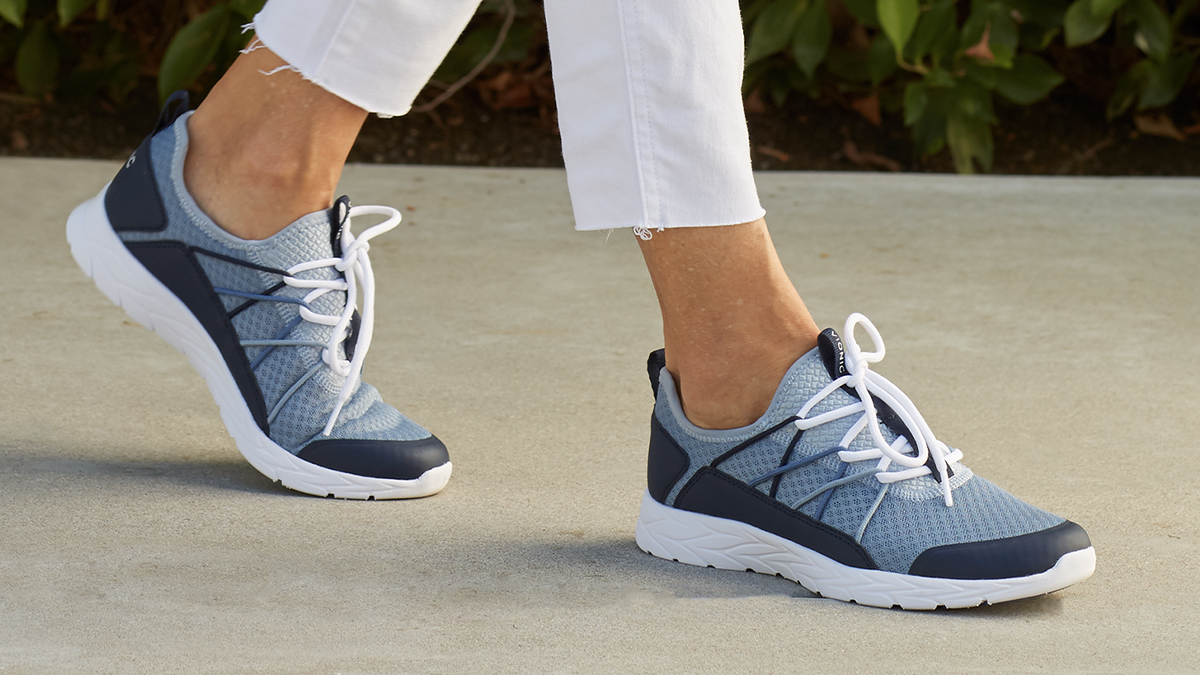
One cannot ignore the aesthetic revolution in tennis footwear. Gone are the days of blindingly white, bulky court shoes. Today’s designs, influenced by classic tennis silhouettes, have become streetwear staples. Think of the timeless appeal of the Stan Smith, the retro-cool of the Nike Blazer, or the sleek, modern lines of the K-Swiss Hypercourt Express. This fusion means you no longer have to choose between comfort and looking put-together. You can transition from a morning walk in the park to a casual lunch or even a less formal work setting without a shoe change. The inherent clean lines and often minimalist branding of tennis shoes for walking make them incredibly adaptable. As fashion commentator Eugene Tong once noted, “The best style is often the most functional, repurposed.” The tennis shoe is a prime example of this philosophy, offering a visual language of sporty sophistication that complements jeans, chinos, and even casual dresses.
Investment and Value: Durability Meets Discounted Opportunities
Here’s a compelling, practical argument: tennis shoes are built to withstand the abrasive wear of hard courts. The toe guards, reinforced uppers, and high-abrasion rubber outsoles are designed for longevity. This inherent durability makes them a smarter long-term investment for daily walking than many softer, mesh-heavy running shoes that may wear out more quickly. Furthermore, the market cycle for tennis shoes is ripe for savvy shopping. When new models are released (often tied to major tournaments like Wimbledon or the US Open), previous-generation models see significant price reductions. You can frequently find top-tier technology from six to twelve months ago at 30-50% off. Websites of major sporting goods retailers, as well as outlets, are treasure troves for these deals. This means you can access premium cushioning systems, advanced stability features, and superior materials at a fraction of the original cost, making high-quality foot health and comfort accessible.

A Final Step: Listening to Your Feet and the Road Ahead
The evidence, from biomechanical research to the testimonials of everyday users and style authorities, points to a simple truth: the engineered purpose of a tennis shoe aligns almost perfectly with the needs of the dedicated walker. It provides a foundation of stability that running shoes often compromise for lightness, a level of durability that casual sneakers lack, and an aesthetic versatility that dedicated walking shoes frequently miss. The journey to finding your ideal pair of tennis shoes for walking is a personal one—a dialogue between your unique foot structure, your daily environment, and your personal style. Start with the principles of fit and function, leverage the discounted access to yesterday’s cutting-edge technology, and step into a shoe that supports not just your arches, but your entire daily rhythm. Your feet, logging those silent miles across the stages of your life, deserve nothing less than this thoughtful, proven combination of form and function.

