

Styling All-Black Sneakers for Women
In the ever-evolving landscape of fashion, few items have achieved the iconic, versatile status of the all black sneakers women covet. This isn’t merely a trend; it’s a foundational piece in the modern wardrobe, a silent statement of style that speaks volumes about practicality, aesthetic cohesion, and personal power. From the bustling streets of metropolitan cities to the curated feeds of style influencers, the uniform of a sleek, monochromatic sneaker has become synonymous with a particular kind of effortless cool. This article delves beyond the surface, exploring not just how to style them, but the very reasons why this specific footwear has cemented its place as a non-negotiable staple. We will dissect its psychological impact, its historical roots in subculture and high fashion, and provide a comprehensive guide to integrating it into every facet of your wardrobe, all while bringing you professional insights and avenues to acquire your perfect pair.
The Psychological Power and Historical Context of Monochrome Footwear
The preference for an all black sneakers women choose to wear taps into deeper psychological and sociological currents. Color theory, as explored in resources from authoritative institutions like the Pantone Color Institute, consistently positions black as the color of sophistication, authority, and modernity. It is a non-color that absorbs light, creating a silhouette that is both slimming and commanding. When applied to sneakers—a genre of shoe born from athleticism and rebellion—the combination is potent. It strips away the playful, sometimes juvenile, connotations of bright colors and patterns, transforming the shoe into a serious fashion instrument. Historically, black sneakers gained prominence through various pipelines. In the 1970s and 80s, they were adopted by punk and hip-hop subcultures as a symbol of anti-establishment uniformity and urban grit. Bands like The Ramones paired black sneakers with ripped jeans, while early b-boys and b-girls found them perfect for both breakdancing and street style. This was chronicled in documentaries like “Fresh Dressed” and “The History of Sneakers,” which highlight the cultural migration of sneakers from gyms to streets. Simultaneously, high-fashion designers took note. Figures like Rei Kawakubo of Comme des Garçons and Yohji Yamamoto have long championed an all-black palette, viewing it as the ultimate expression of intellectual and aesthetic purity. As fashion historian Dr. Valerie Steele of The Museum at the Fashion Institute of Technology has noted, “Black is not sad. Bright colors are what depress me. They’re so… empty. Black is poetic.” This poetic seriousness translated seamlessly to footwear, elevating the humble sneaker to a couture accessory. The convergence of these underground and haute couture endorsements created a perfect storm, establishing the all black sneakers women seek today as a cross-cultural emblem of cool.

Architecting Your Wardrobe: The All-Black Sneaker as a Foundation
Integrating a pair of all black sneakers women can rely on daily requires viewing them not as an accessory, but as the architectural foundation of an outfit. Their neutrality is their superpower, allowing them to bridge gaps between disparate styles and formality levels. The first principle is silhouette and proportion. A sleek, low-profile black sneaker, such as a classic court style or a minimalist runner, pairs impeccably with wide-leg trousers or tailored culottes. The contrast between the voluminous pant and the streamlined shoe creates a dynamic, modern line that is both comfortable and chic. This approach aligns with the principles of architectural fashion often taught in design schools, where shape and form take precedence over ornamentation. Conversely, pairing them with skinny jeans or leggings tucked into socks offers a sportier, more condensed silhouette, perfect for an athleisure or urban exploration vibe. The second principle is texture play. Black on black can fall flat if not executed with intention. The key is to mix materials. Imagine a outfit comprising a soft black cashmere sweater, sleek black leather leggings, and matte black suede sneakers. The interplay of knit, leather, and suede adds depth and visual interest, preventing the monochrome look from appearing one-dimensional. As stylist and author Allison Bornstein often emphasizes on her platforms, the “third piece rule” and intentional texture mixing are crucial for a polished look. The all black sneakers women select act as the unifying constant in these textural experiments. Finally, consider the context of disruption. One of the most celebrated styling tricks is using these sneakers to subvert an otherwise formal outfit. A tailored black blazer, a crisp white button-down shirt, and tailored trousers suddenly become accessible and contemporary when grounded by a pair of clean, black sneakers instead of heels or loafers. This “high-low” mixing, a tactic frequently showcased on fashion websites like Who What Wear and The Cut, demonstrates confidence and a modern understanding of dress codes.
Scientific Comfort and Technological Innovation
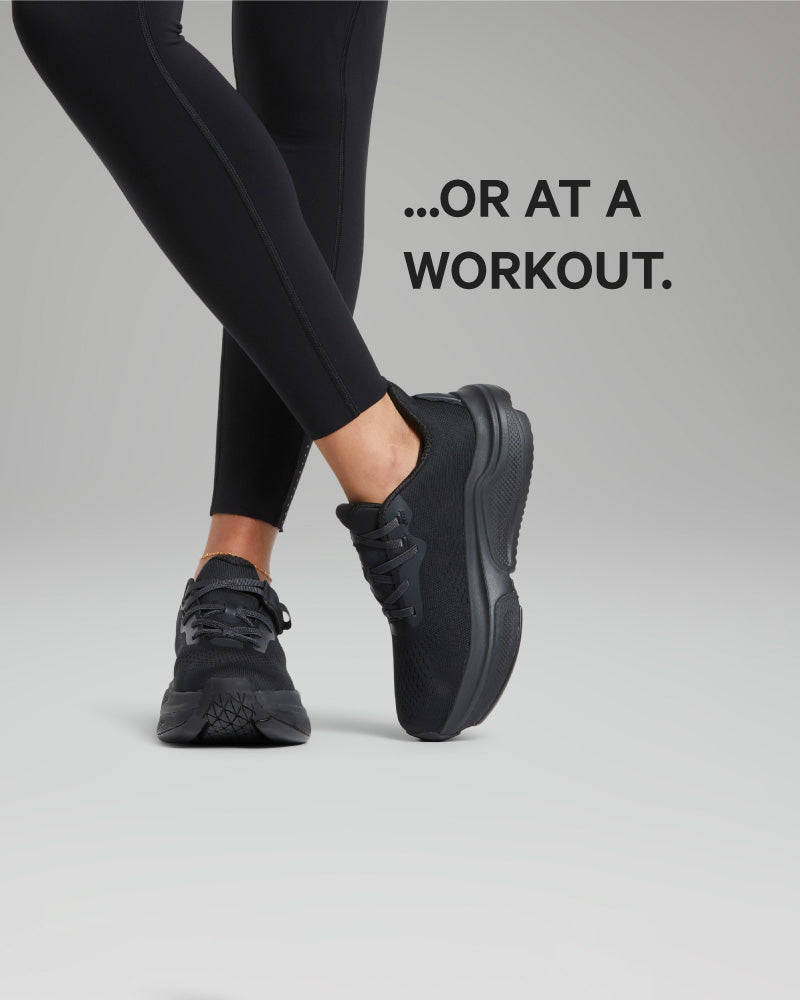
Beyond aesthetics, the modern all black sneakers women purchase are marvels of biomechanical engineering. The choice for an all-black colorway does not compromise the technological advancements that make contemporary sneakers so comfortable. Leading brands invest heavily in research and development, often in collaboration with sports science laboratories at universities. For instance, technologies like Adidas’s Boost foam (developed from a partnership with chemical giant BASF) or Nike’s Zoom Air units are frequently available in monochromatic models. These systems are designed to absorb impact, return energy, and provide stability based on gait analysis studies. The importance of proper footwear support is not merely a marketing point; it’s a podiatric concern. According to literature from the American Podiatric Medical Association, wearing shoes with adequate cushioning and arch support can prevent a host of issues, from plantar fasciitis to knee and back pain. Therefore, when selecting your ideal pair, look beyond the color. Examine the midsole technology—is it EVA, polyurethane, or a proprietary foam? Consider the insole—is it removable and moldable? Look at the outsole pattern—does it offer multi-directional traction? A well-constructed black sneaker from a brand with a heritage in performance, like New Balance, Asics, or Saucony, will provide a foundation of comfort that allows you to navigate a day from morning errands to evening social engagements without fatigue. This fusion of covert style (the all-black exterior) and overt comfort (the advanced interior tech) is what makes this category so powerful. It’s a shoe that cares for your body while commanding respect for your style, a true partnership of form and function.
Curated Picks and Strategic Acquisition
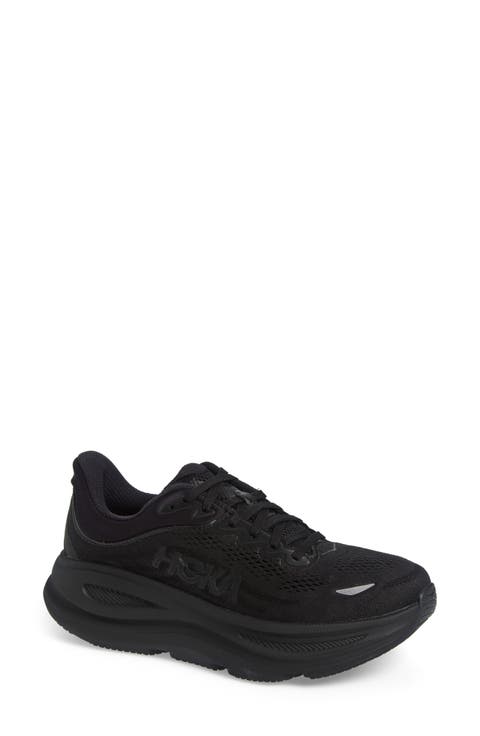
Knowing you need a pair is one thing; finding the right one is another. The market for all black sneakers women can explore is vast, ranging from luxury houses to direct-to-consumer startups. To bring professional knowledge and value, let’s categorize a few exemplary types. First, the Minimalist Luxury option: Common Projects’ Achilles Low in all-black leather is often cited as the gold standard. Its clean, stamped gold numbering and perfect proportions have made it a celebrity and editor favorite, frequently seen on the feet of figures like Hailey Bieber. As fashion commentator Derek Guy of Die, Workwear! has noted, its appeal lies in its “unbranded, anonymous luxury.” Second, the Performance Heritage option: The New Balance 574 or 990 series in all-black. These models, born from running technology, offer unparalleled comfort and a slightly chunkier, dad-shoe aesthetic that has been thoroughly embraced by fashion. Their quality is frequently lauded in long-term reviews on forums like Reddit’s r/goodyearwelt. Third, the Sustainable Choice: Brands like Veja and Allbirds now offer popular styles in full black, utilizing materials like recycled plastic bottles, organic cotton, and sugarcane-based foam. Their rise, documented by business analysts, reflects a growing consumer desire for ethical production. Now, regarding discounted prices: strategic acquisition is key. Sign up for brand newsletters for first-access to sales. Utilize price comparison tools and browser extensions. Consider shopping during traditional sale seasons (Black Friday, end-of-season clearances) or exploring reputable off-price retailers for past-season colorways. Remember, investing in a slightly more expensive, well-constructed pair often yields a better cost-per-wear value than buying multiple cheap, uncomfortable pairs.
The Final Step: An Unending Versatility
The journey through the world of all black sneakers women have adopted reveals a simple truth: this is more than a shoe. It is a tool for self-expression, a product of cultural history and scientific innovation, and a testament to the power of minimalist design. Its strength lies in its endless adaptability—its ability to complement a flowing dress on a weekend brunch, to ground a sharp suit for a creative meeting, or to simply provide reliable comfort during a day of travel. It asks for no attention yet consistently earns it. By understanding its context, respecting its construction, and styling it with intention, you unlock a level of sartorial ease and confidence that few other items can provide. In a world of noisy trends and fleeting fads, the all-black sneaker remains a quiet, constant, and profoundly stylish companion.

